The Ultimate Guide to Critical Environment Cleaning
Atlanta’s most vital facilities demand more than routine maintenance. Every surface inside a data center, healthcare campus, advanced manufacturing plant, or hyperscale infrastructure site influences uptime, compliance posture, and operational continuity. Even small lapses can escalate into costly outages or regulatory exposure.
Healthcare research indicates that 1 in 25 hospital patients acquires an infection related to care each year, reinforcing how environmental discipline directly affects safety outcomes. In parallel, data center and infrastructure studies consistently link unplanned outages to preventable site conditions such as dust accumulation, airflow restriction, and contamination in controlled spaces.
Organizations operating in mission-critical environments face tightening regulatory standards and increasing performance expectations. Understanding the principles behind mission-critical cleaning is no longer optional. It is foundational to protecting uptime, audit readiness, and brand integrity in Atlanta’s rapidly expanding infrastructure ecosystem.
Importance of Critical Environment Cleaning in Atlanta
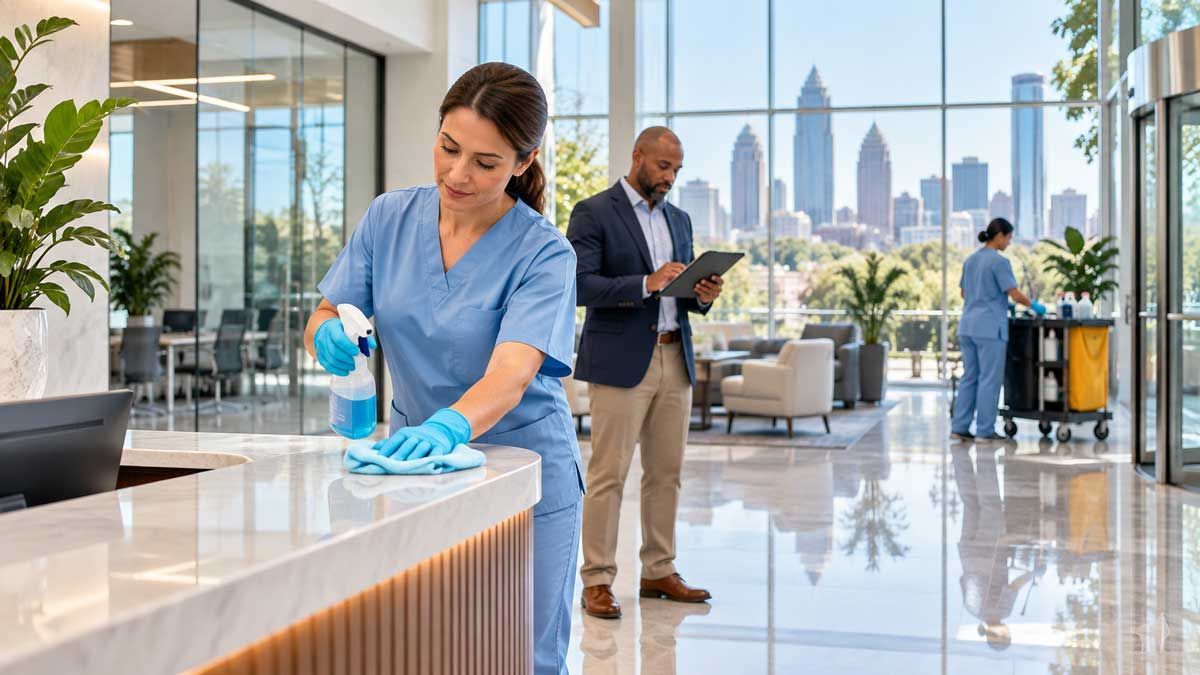
Critical infrastructure growth across Metro Atlanta has elevated the need for precision-based environmental control. Critical environment cleaning in Atlanta supports data centers, healthcare systems, logistics hubs, and advanced manufacturing operations that power regional and national commerce.
Data Center Reliability Protection: Even minimal particulate buildup can compromise cooling systems, raise thermal loads, and increase hardware failure risk. Industry reporting continues to show that preventable environmental conditions contribute significantly to unplanned outages. Facilities seeking stronger uptime protection often require specialized data center cleaning in Atlanta.
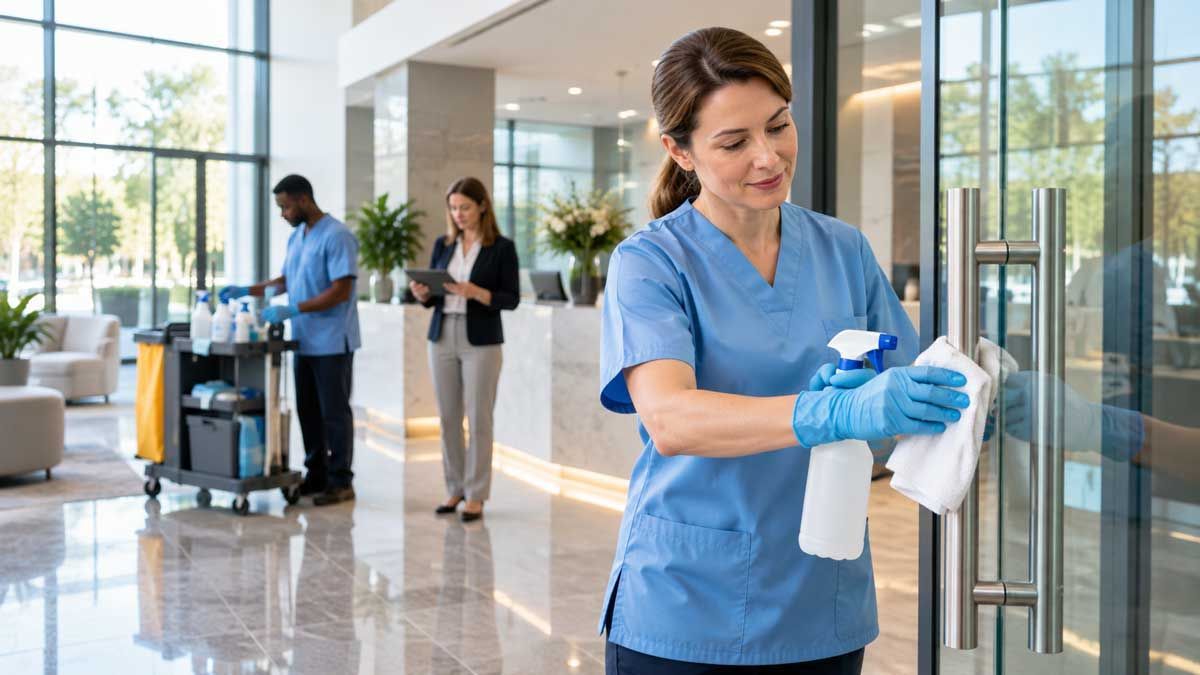
Healthcare Compliance and Infection Prevention: Healthcare campuses operate under strict regulatory oversight. Environmental cleaning directly impacts infection control metrics, patient safety, and audit outcomes governed by OSHA, EPA, and CDC frameworks. For regulated care spaces, medical cleaning services in Atlanta can support safer, more consistent outcomes.
Construction and Commissioning Integrity: Atlanta’s growth in logistics, hyperscale builds, and manufacturing requires post-construction cleaning aligned with GMP and ISO standards. Inadequate environmental preparation can delay go-live timelines and trigger re-inspection costs. This is especially true for projects requiring post-construction cleaning before handoff.
When uptime, regulatory alignment, and infrastructure protection are non-negotiable, disciplined cleaning protocols become a strategic safeguard rather than a maintenance line item.
Key Standards for Atlanta’s Critical Environments
Enterprise facilities must align environmental cleaning with recognized regulatory frameworks. Compliance is measurable, documented, and continuously monitored.
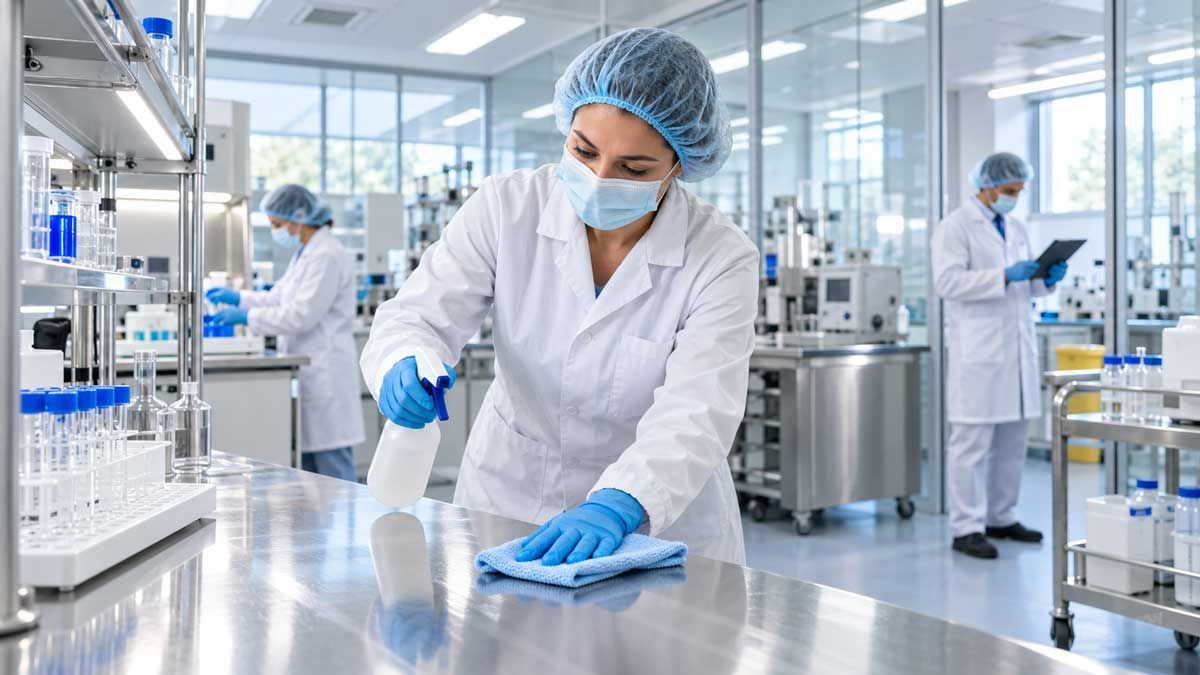
Regulatory Compliance Alignment: EPA, ISO 14644, OSHA, and GMP standards define air quality thresholds, contamination control procedures, and documentation requirements. Ongoing validation ensures facilities remain audit-ready. Organizations operating in controlled spaces often benefit from cleanroom and controlled environment cleaning aligned with these standards.
Interdependency Risk Awareness: Atlanta’s infrastructure sectors are interconnected. Data centers rely on stable utilities, healthcare depends on digital networks, and logistics facilities support both. Environmental lapses in one sector can cascade across others, making contamination control a shared responsibility.
Public and Private Sector Coordination: With most critical infrastructure privately operated, collaboration with regulatory bodies and industry groups strengthens preparedness. Structured cleaning protocols support broader resilience strategies across the region.
Compliance is not episodic. It is embedded in the daily operational discipline.
Selecting Certified Cleaning Services in Atlanta
Choosing the right provider determines whether environmental protocols meet enterprise expectations. Selecting a partner requires evaluating credentials, experience, and operational structure.
Verification of Industry Certifications: Providers should maintain current OSHA, IICRC, ISO, and IJCSA alignment to demonstrate adherence to recognized safety and contamination control standards.
Documented Mission-Critical Experience: Experience in data center cleaning, healthcare environments, and post-construction commissioning confirms familiarity with regulated spaces.
Self-Performing Workforce Model: In-house, E-Verified teams reduce outsourcing risk and maintain accountability across sensitive environments.
Protocol and Documentation Alignment: Cleaning methodologies must reflect EPA, GMP, and ISO guidelines with verifiable audit documentation. Businesses evaluating regulatory exposure may also want to understand the environmental consequences of noncompliance in controlled facilities.
Scalable Workforce Capacity: Providers must demonstrate the ability to scale across multi-site portfolios and provide 24/7 response without compromising execution standards.
Mission-critical environments require more than availability. They require operational precision backed by documented oversight.
Specialized Equipment for Atlanta’s Critical Cleaning
Specialized environments demand specialized tools. Equipment selection directly influences contamination removal efficiency and compliance performance.
HEPA-Filtered Vacuum Systems: Capture 99.97% of airborne particles at 0.3 microns, preventing recirculation within data halls and controlled labs.
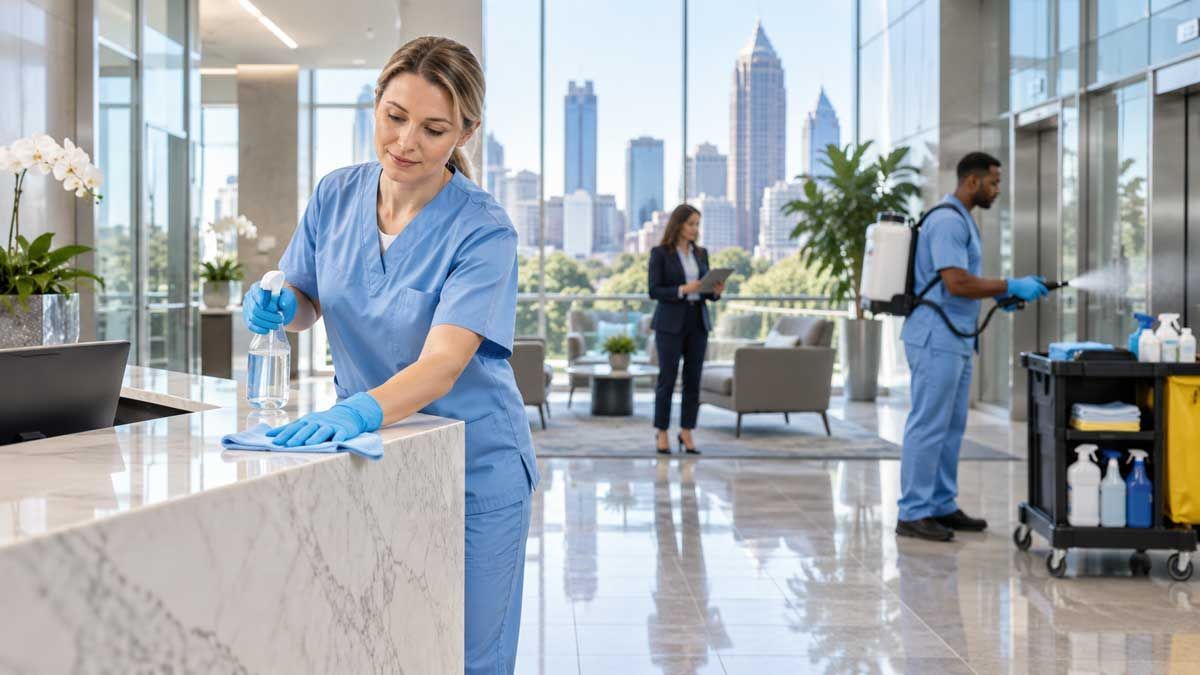
Electrostatic Application Systems: Deliver uniform disinfectant coverage across complex surfaces and high-touch zones.
ATP Verification Tools: Provide measurable validation of organic residue levels to support hygiene accountability.
Microfiber Contamination Control Systems: Capture and retain fine particulates more effectively than traditional materials, reducing cross-contamination risk.
Negative Air Containment Units: Control airborne debris during post-construction and renovation phases in regulated environments.
Precision equipment is a non-negotiable component of effective mission-critical facility cleaning.
Training Requirements for Atlanta’s Cleaning Technicians
Technical environments require technicians trained beyond general custodial standards. Certification and continuous education form the foundation of contamination control.
Technicians operating in mission-critical environments complete OSHA, IICRC, and IJCSA training to ensure compliance with safety and contamination frameworks. Structured onboarding programs include hands-on instruction in HEPA systems, ESD-safe procedures, plenum cleaning, and ISO-aligned contamination control.
Ongoing recertification ensures personnel remain current with evolving standards and regulatory updates. Industry guidance from organizations such as IFMA and ISSA informs continuing education initiatives. This structured training model supports consistent execution across healthcare campuses, data centers, and industrial facilities throughout Atlanta.
Compliance with Atlanta’s Environmental Regulations
Environmental oversight in Metro Atlanta extends beyond indoor air quality. Facilities must also account for sustainability, chemical handling, and safe disposal practices.
Hazardous Material Handling Compliance: Cleaning programs must align with local and federal chemical management requirements to prevent environmental exposure.
Safe Disposal Documentation: Proper waste tracking protects groundwater systems and municipal infrastructure from contamination risk.
Community Health Protection: Responsible environmental practices support neighborhood health, particularly in redevelopment and high-density commercial zones.
Sustainability and Green Cleaning Alignment: Eco-conscious product selection and Green Seal Certified methodologies support corporate environmental responsibility objectives.
Compliance extends beyond surfaces. It encompasses environmental stewardship and regulatory accountability.
Benefits of Regular Cleaning in Atlanta’s Critical Facilities
Structured environmental programs deliver measurable operational advantages.
Reduced Downtime Risk: Consistent contamination removal lowers the probability of hardware overheating, airflow restriction, and performance instability.
Improved Audit Readiness: Documented cleaning procedures and validation logs strengthen regulatory defense during inspections.
Extended Equipment Lifespan: Preventing particulate accumulation protects cooling systems, circuit boards, and mechanical infrastructure, especially in industrial cleaning environments and mission-critical facilities.
Enhanced Workforce Confidence: Clean, well-maintained environments support employee morale and reinforce enterprise professionalism.
Environmental discipline is a long-term investment in operational continuity.
Risk does not pause inside high-performance facilities. Every surface, plenum, raised floor, and mechanical room contributes to uptime and regulatory stability. Structured mission-critical facility cleaning eliminates contamination exposure before it escalates into operational disruption.
Cleanstar National Inc serves as Atlanta’s critical environment cleaning authority, delivering certified contamination control for data centers, healthcare campuses, industrial facilities, and large-scale construction projects. With more than 30 years of experience and a self-performing workforce of over 700 E-Verified professionals, we operate under EPA, ISO 14644, GMP, OSHA, IICRC, and IJCSA frameworks to ensure every engagement meets enterprise standards.
We do not outsource regulated cleaning operations. We execute them with documented precision, executive oversight, and scalable workforce capacity across Georgia and the Southeast.
For organizations that depend on uptime, compliance, and brand protection, environmental discipline must be deliberate and verifiable. Schedule a critical environment risk audit to evaluate your facility’s exposure and cleaning requirements.
Cleanstar National: Expert B2B Cleaning Solutions for Atlanta's Critical Industries