Best Practices for Disinfection Services in Pharmaceutical Labs
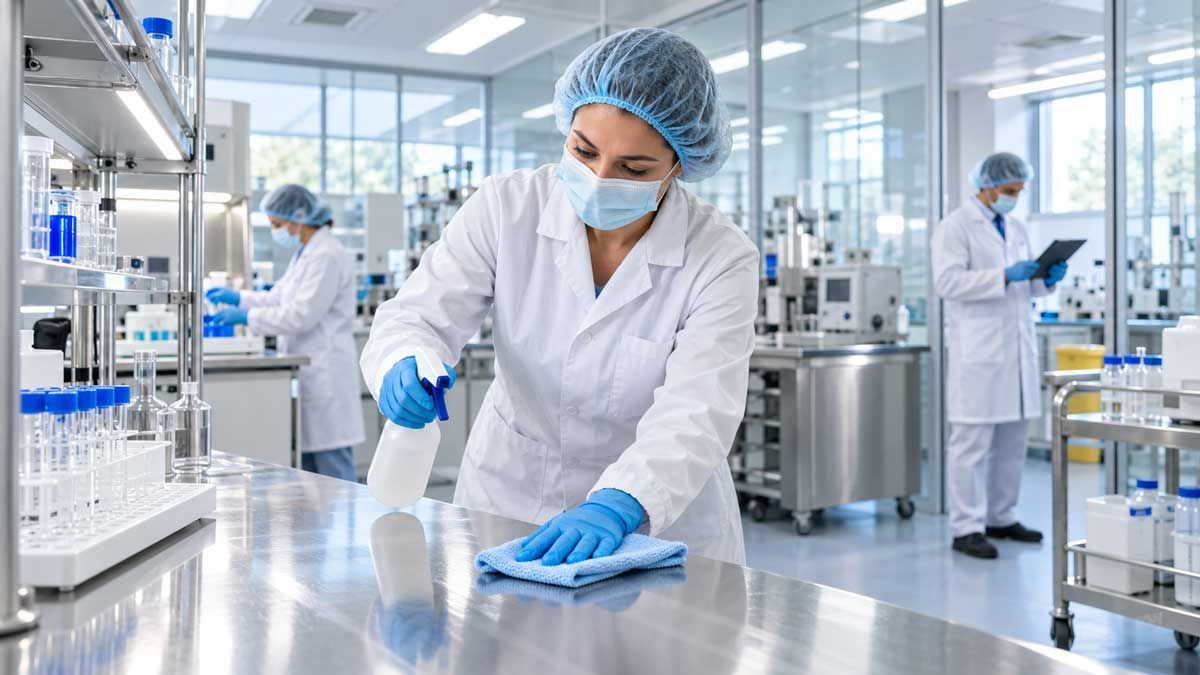
Maintaining stringent disinfection protocols is essential for pharmaceutical labs, especially given regulatory pressure and the ongoing concern surrounding multidrug-resistant organisms. Contaminants can spread quickly in processing zones where multiple hands touch controls and surfaces.
Correct procedures reduce risk while supporting product quality, compliance records, and staff well-being. Routine deep cleaning is only one part of a successful program; specialized employee training helps ensure consistent results.
Ongoing attention to high-touch areas can reduce cross-contamination between shifts or lines during peak hours when workflows are heaviest. Clear documentation helps you meet inspection standards and applicable requirements for critical manufacturing environments such as these laboratories.
Selecting proper EPA-registered disinfectants provides a first line of defense against biological threats that can undermine process integrity at any stage of production in the life science sector.
Choosing EPA-Approved Disinfectants Only
Selecting only EPA-registered disinfectants helps pharmaceutical labs support applicable requirements and reduce contamination risks. These products are evaluated through the EPA registration process, which considers product efficacy and labeling requirements for specified uses.
Regulatory Compliance: EPA-registered disinfectants are subject to requirements for public health and environmental safety based on their intended uses. When you use them in pharmaceutical labs, you help the site support its contamination-control plans and stay ready for audits.
Proven Pathogen Efficacy: EPA registration identifies the organisms and uses for which a disinfectant has been evaluated. Following the product label, including specified application methods and contact times, helps support consistent surface disinfection and reduce contamination risks.
Thorough Risk Assessment: Disinfectants registered by the EPA have product information covering factors such as efficacy, active ingredients, and intended uses. This means you can tailor our commercial disinfection services in Atlanta based on pathogen types, surface materials, facility protocols, and site needs.
Implementing Scheduled Deep Cleaning Protocols
Implementing planned deep-cleaning procedures is essential in pharmaceutical labs to meet applicable requirements, prevent contamination, and protect product quality.
Defined Scheduling: Establish set intervals for comprehensive deep cleaning. When you schedule deep cleaning at set intervals, your equipment and work surfaces are less likely to accumulate hazardous residue. Your plan reduces the risk of cross-contamination and aligns with facility procedures and applicable cleaning requirements. Research on pharmaceutical manufacturing has demonstrated the importance of contamination control and effective cleaning practices in protecting product quality.
Comprehensive Surface and Equipment Cleaning: Address every possible touchpoint, from production areas to equipment components. Use appropriate agents, such as alkaline cleaners, acid cleaners, or enzyme products, based on the type of residue and the validated cleaning process. Each cleaning cycle should end with appropriate checks or testing to verify the removal of visible and relevant residual contamination. This plan helps reduce chemical, physical, and biological risks that may affect drug quality.
Validated Process and Recordkeeping: Documentation supports compliance and operational safety. Validation studies can demonstrate that your procedures work in the laboratory, including the appropriate agent concentration, contact time, and surface type. Your records should list who performed each deep cleaning, when it took place, and the relevant checks or test results. Accurate logs help reduce risk and demonstrate compliance with applicable good manufacturing practices.
Training Staff on Proper Disinfection Techniques
Good training will help your staff follow applicable requirements and support safe lab work throughout the facility. The steps below make sure you are ready for exact, rule-based disinfection of drug work areas.
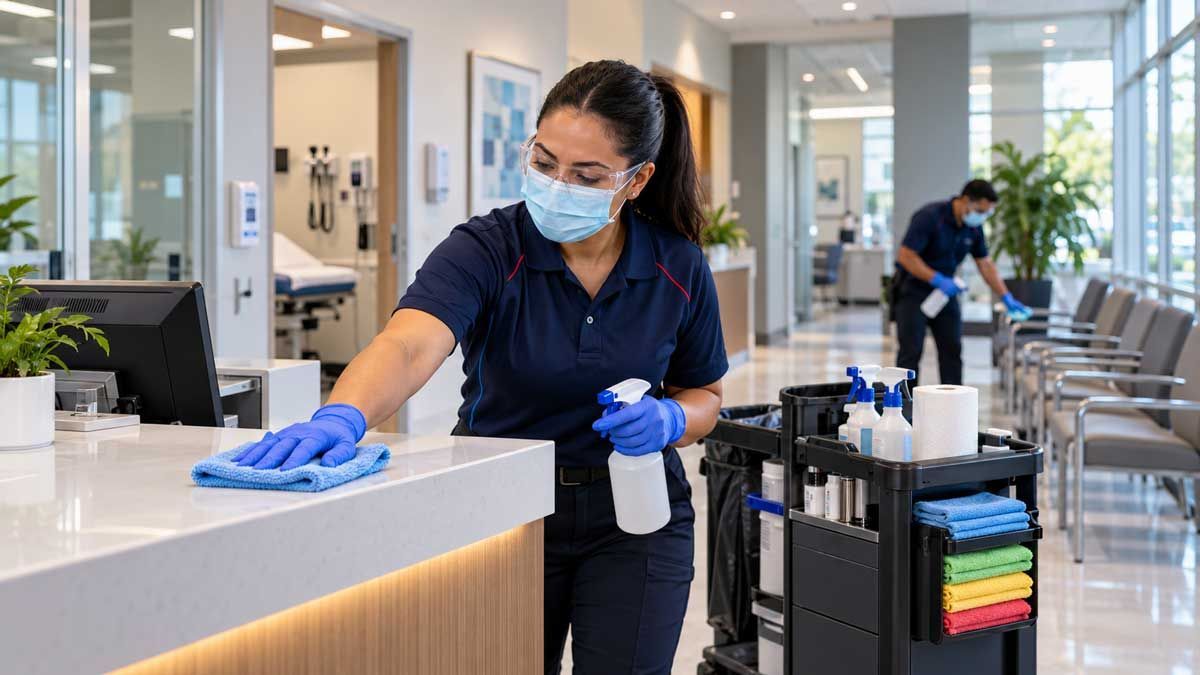
Understanding Personal Protective Equipment (PPE): Clear training on PPE is essential so you can select and use gloves, gowns, masks, and eye protection correctly. Fewer mistakes occur when you know which equipment is appropriate for each chemical or biological risk.
Identifying Exposure Areas and Tasks: Risk-based procedures help identify areas and tasks where additional controls may be necessary to stop cross-contamination in complex layouts. You should identify tasks or areas that may present a higher exposure risk.
Centralized Quality Control: Train staff to perform key cleaning and disinfection tasks according to standardized procedures and defined work zones to maintain consistent results. This approach can help maintain consistent quality across large pharmaceutical facilities.
Immediate Device Cleaning Practices: Speed matters after use. Staff should learn to clean instruments or tools promptly because dried residue can make subsequent cleaning, disinfection, or sterilization more difficult.
Ongoing Monitoring Programs: Ongoing checks and feedback reinforce proper technique, especially when chemical exposure is a concern. Routine reviews help maintain high performance standards.
Focusing on High-Touch Zone Sanitization
The first step is to identify and map every high-touch area within your pharmaceutical lab. For these areas, set clear cleaning rules for door handles, light switches, and shared equipment with input from your team, and review the workflow.
Surfaces such as conference tables, chair arms, and restroom fixtures may be touched frequently throughout the day.
High-contact surfaces can become points of transmission when they are not cleaned and disinfected according to facility procedures, making them important parts of a comprehensive contamination-control program.
Strict rules for these zones are essential for any site seeking to reduce the spread of illness-causing germs among staff. Clean visible dirt first, then use an EPA-registered disinfectant approved for the material and intended application.
The appropriate contact time depends on the specific disinfectant and its EPA-approved label directions. You must mark off each cleaned high-touch point on a log sheet. By monitoring both cleaning frequency and staff follow-through, you help maintain daily safety and remain prepared for requirements in all lab spaces.
Monitoring Air Quality and Ventilation Systems
Tracking air quality and maintaining effective ventilation systems are key to supporting consistent disinfection in pharmaceutical labs. These steps help address hidden contamination paths that may not be fixed by surface cleaning alone.
Assessing External and Internal Air Risks: Air outside your facility, including air affected by nearby traffic or other sources, can introduce pollutants indoors. Check both outdoor and indoor air quality because sources such as VOCs, dust, and ground-level ozone may affect laboratory operations.
Monitoring and Managing Particle Levels: Continuously monitor particulate matter when appropriate for the laboratory environment because airborne particles can affect indoor air quality and, in controlled environments, may be relevant to contamination-control programs. This monitoring helps you respond to changing conditions with necessary ventilation or filtration adjustments.
Air Change and Filtration Criteria: Pharmaceutical labs must follow applicable air-change, filtration, pressure, and environmental criteria based on the facility's classification and processes. Use HEPA filtration where required by the laboratory's environmental-control strategy, with additional filtration technologies selected according to specific air-quality needs.
Maintaining Proper Equipment and Documentation: Your ventilation and filtration systems should be serviced, tested, and certified on a set schedule where required, with maintenance documented to meet lab requirements and support regulatory inspections. Accurate logs help demonstrate the role of ventilation in contamination-prevention plans.
Documenting Cleaning Procedures for Compliance
Strong air-quality routines are effective only when clear records show how cleaning tasks are performed. Documenting cleaning steps is essential in pharmaceutical labs to support compliance and safety goals.
Cleaning Protocols: Clear cleaning protocols must list each surface, tool, and method for lab decontamination so the work can be repeated and checked.
Employee Assignment Logs: Keep written records identifying the staff responsible for each cleaning task to ensure accountability.
Disinfection Schedules: Maintain up-to-date disinfection schedules to track timing, special instructions, and changing compliance needs.
Supply Purchases: Record orders and receipts for cleaning supplies to track each item and verify approved product usage.
Incident and Quality Reports: Record corrective actions and quality checks routinely so you can identify risks and prevent recurring safety issues.
Coordinating with Professional Disinfection Services
Working closely with professional disinfection services supports greater operational confidence. In pharmaceutical labs, every step is planned to fit a strict schedule. The coordination process provides clear points of contact and defined roles, so your sensitive research remains protected without unexpected delays.
Ongoing communication between your onsite staff and the disinfection service helps ensure that applicable health, safety, and facility requirements are addressed through established procedures.
It also means you will have trained professionals who understand pharmaceutical requirements onsite, helping manage contamination risks. Open communication lets both teams act quickly if there is a sudden threat, such as a suspected contamination event or operational disruption.
Clear and regular updates keep everyone aligned on timing, access zones, and lab readiness. Expert coordination is not just about scheduling; it also creates shared accountability for a high level of protection.
Maintaining best practices for disinfection services in pharmaceutical labs requires a rigorous approach to process control and compliance. You lead with protocols built for high-stakes environments, drawing on methods proven across complex commercial cleaning projects.
Strict scheduling and routine monitoring allow you to confirm that facilities meet established safety benchmarks every day. You train staff to document all procedures, which protects lab operations and facilitates rapid response if a deviation is detected.
Your experience with data center cleaning and other critical environment cleaning services underscores the value of precision, especially for pharmaceutical labs handling sensitive products. Transparent service histories and real-time reporting set a measurable standard for accountability, demonstrating your commitment to both operations and compliance.
Using EPA-registered disinfectants and validated cleaning tools, you help facilities reduce contamination risks and maintain regulatory readiness. Your teams also adapt processes based on periodic review of applicable CDC, FDA, and USP recommendations, ensuring current measures are incorporated where appropriate.
Responsive support and clear communication help lab managers meet audit demands, maintain workflow, and protect workforce safety. By focusing on operational reliability and strict adherence to protocols, you directly support the success of pharmaceutical labs.
Cleanstar National: Expert B2B Cleaning Solutions for Atlanta's Critical Industries