Best Commercial Disinfection Practices for Augusta Facilities
Maintaining safe and compliant facilities in Augusta requires proven disinfection practices. Many facility managers have seen how tailored routines help meet both health guidelines and local operational needs.
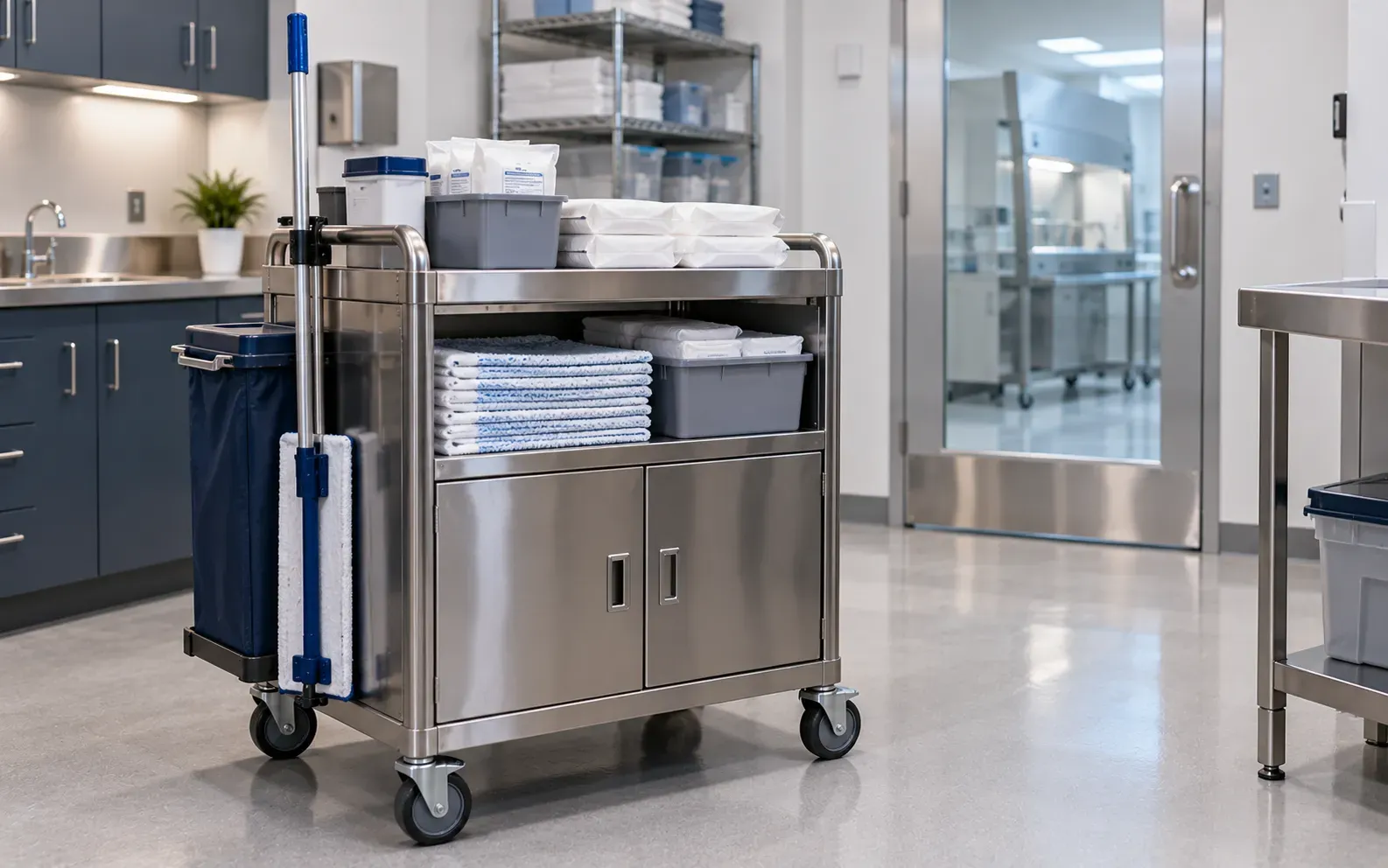
We follow EPA guidance when recommending disinfectants, which helps lower risks for staff and visitors alike. Flexible schedules ensure that busy spaces remain protected during peak hours without disrupting business activity or guest flow. Electrostatic spraying technology can offer uniform coverage on hard-to-reach surfaces when used appropriately. Staff must stay up to date through ongoing training so every protocol is followed consistently across teams each shift worked at your site.
Targeted deep cleaning strategies after outbreaks can help restore confidence and control further contamination within shared areas. Facility managers should assess conditions carefully and adapt cleaning procedures to the requirements of each site.
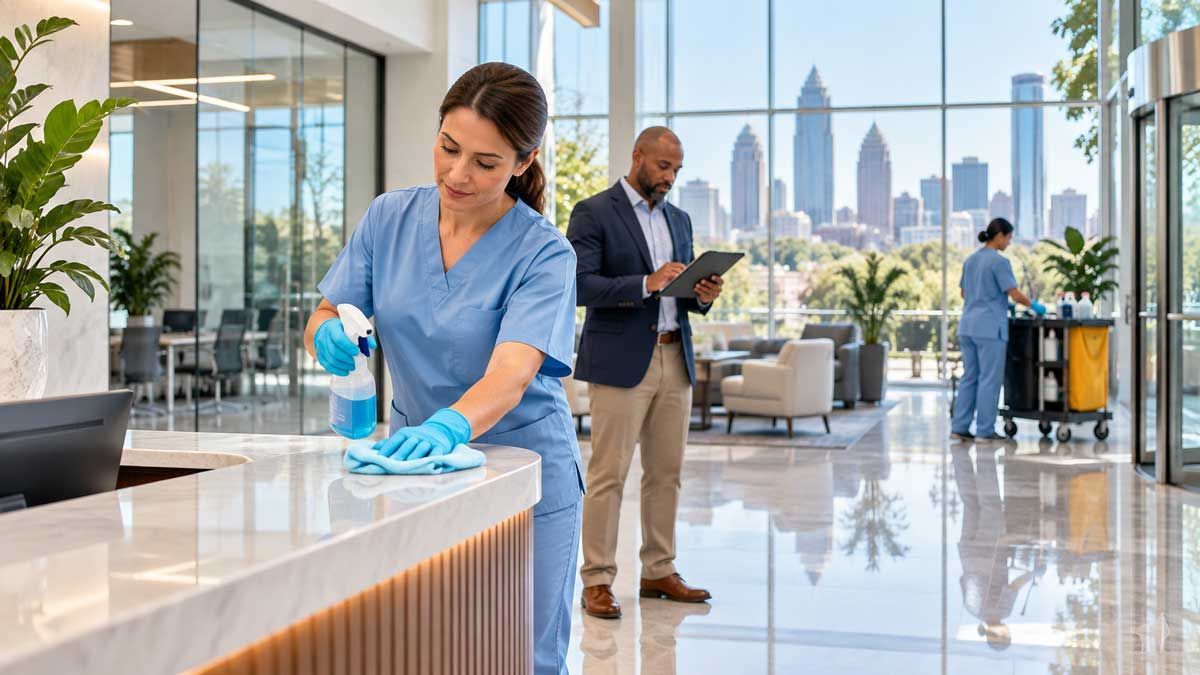
Routine high-touch surface cleaning strategies anchor effective disinfection practices in Augusta's active commercial environments.
Routine High Touch Surface Cleaning Strategies
Regular cleaning of high-touch surfaces is key to supporting infection control in Augusta commercial settings, or consider
commercial disinfection services in Atlanta when evaluating specialized commercial needs in the Atlanta Metro market.
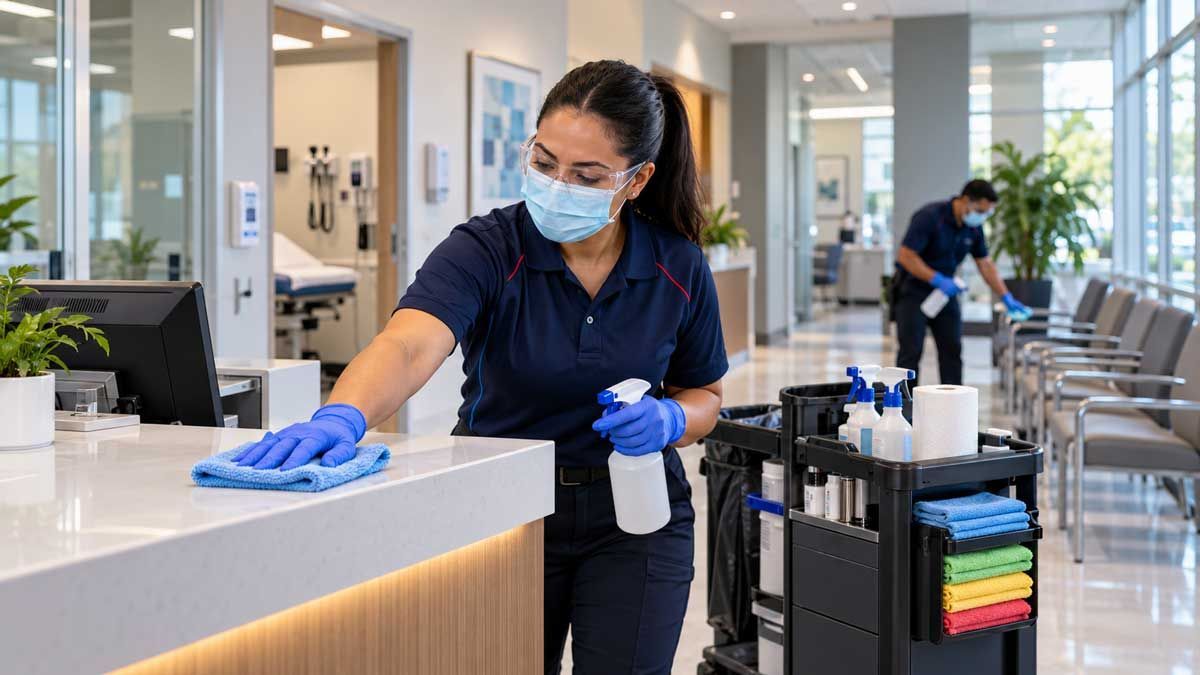
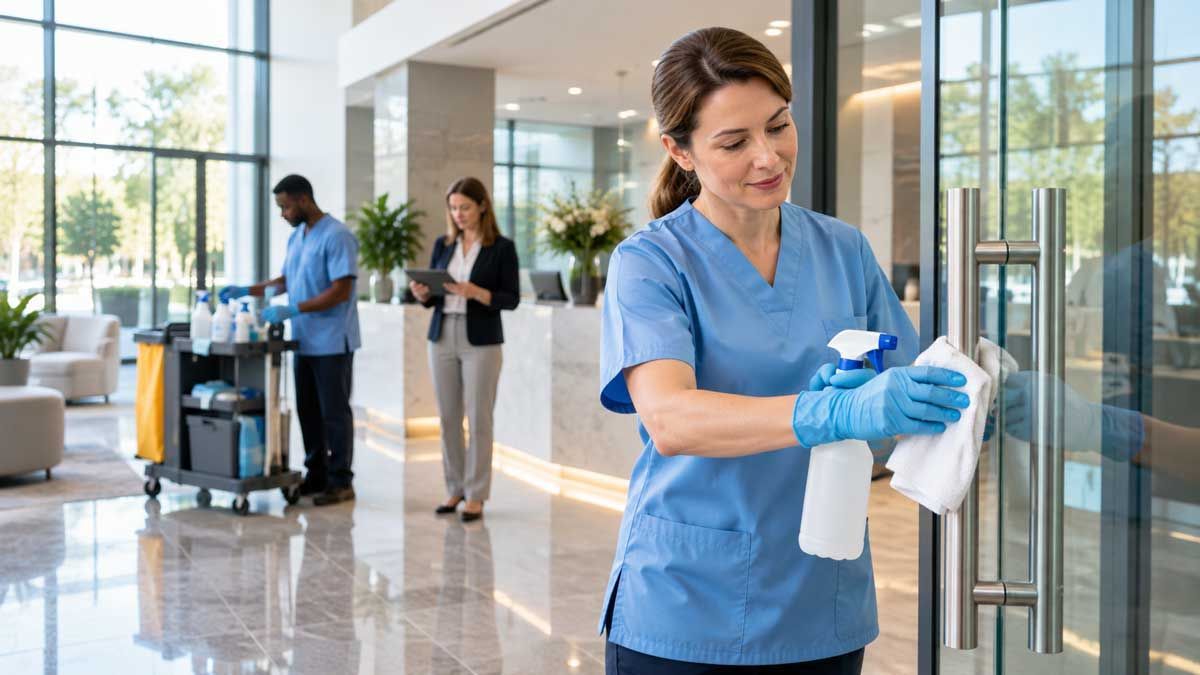
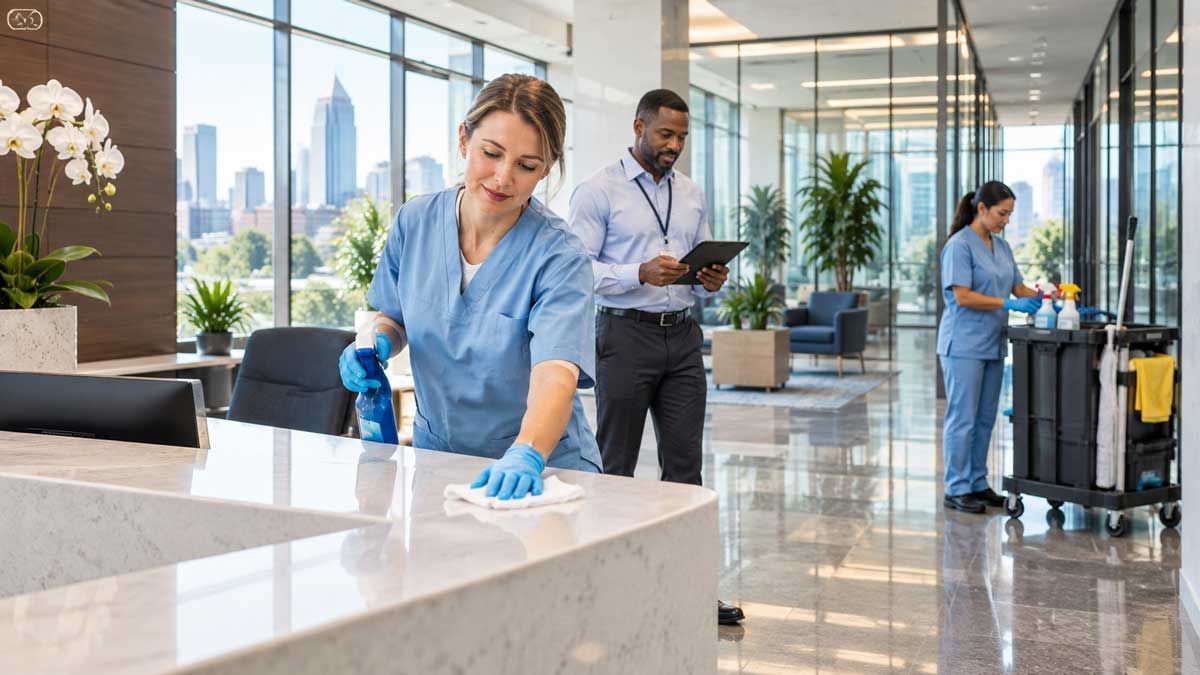
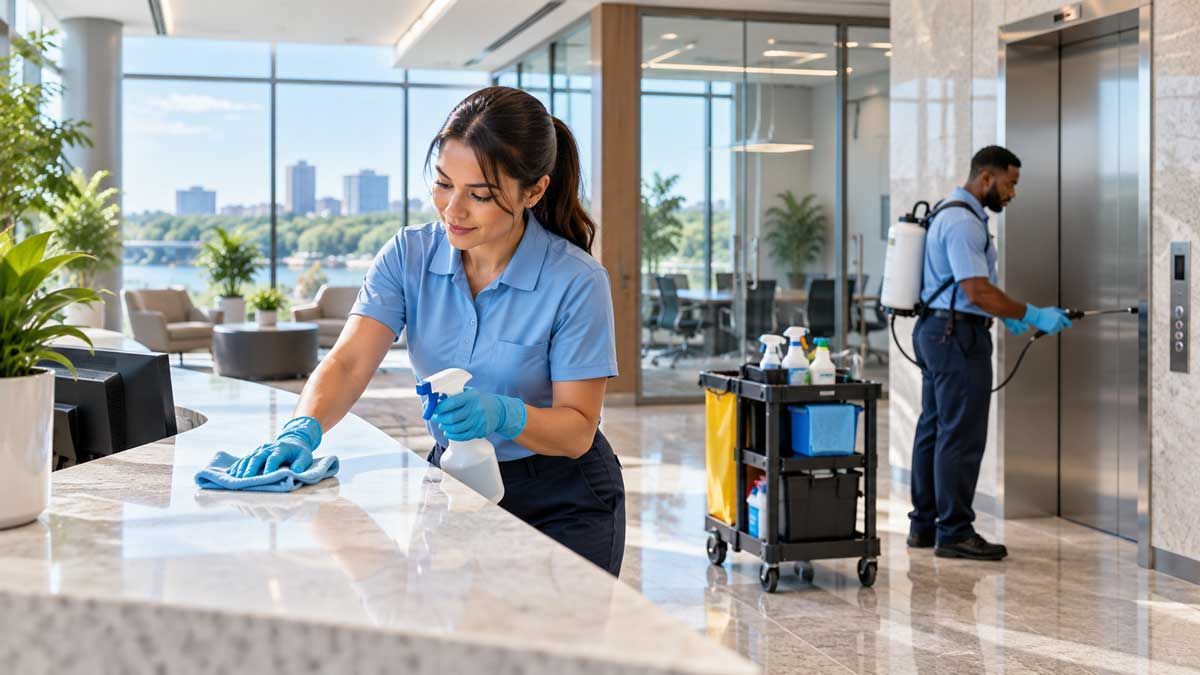
Consistent Schedule: High-touch surfaces like door handles, light switches, and elevator buttons should be cleaned and disinfected according to facility traffic, risk, and established procedures. When you maintain this routine, you help manage contamination across frequently used areas.
Approved Cleaning Agents: When you use disinfectants fit for healthcare and commercial settings, you can support a higher level of surface hygiene. Products should always be selected and used according to their applicable labels and intended applications.
Detailed Staff Protocols: Staff use step-by-step checklists for each surface so you miss less and maintain facility standards. You can check results with appropriate inspection and monitoring methods to evaluate cleaning performance.
Choosing EPA Approved Disinfectants for Safety
After you find areas where germs build up most, the next step for Augusta facility managers is picking appropriate disinfectants that meet applicable requirements. Choosing the right products will help keep you, your visitors, and your staff safer while supporting responsible commercial disinfection practices.
EPA-registered disinfectants have undergone evaluation for their intended uses and should be selected based on the microorganisms, surfaces, and applications identified by the product label.
Using these products correctly supports established workplace cleaning and safety procedures. Facility managers should also review applicable OSHA and CDC guidance when it applies to their environment.
EPA's List N provides information about disinfectants that meet the agency's criteria for use against SARS-CoV-2 when used according to label directions. Product availability and listings can change, so facilities should review current information when selecting products.
Incorrect chemical use can increase injury and exposure risks for janitorial teams, which is why employees should receive appropriate training on safe product handling, storage, PPE, and application procedures.
Optimizing Disinfection Schedules for Busy Facilities
Busy sites in Augusta must keep up with high traffic, changing needs, and applicable health requirements. The right disinfection plan will help manage infection risk, support facility standards, and maintain efficient operations.
Assess peak occupancy patterns: Find when most people enter or exit each zone using sign-in logs or access data. This lets you schedule key disinfection during or just after high-traffic periods when appropriate.
Segment facility zones by risk: Split your site into parts based on risk level, such as lobbies, restrooms, and key areas where infection risk runs highest. This helps ensure the most sensitive areas get frequent, targeted care based on facility requirements.
Incorporate evidence-based intervals: Set cleaning cycles using applicable public health guidance and facility-specific requirements. Room use, touchpoint frequency, occupancy, and risk assessments can all help determine appropriate intervals.
Use automated reminders and logs: Use digital or paper logs and alert systems that track schedules and confirm tasks. Facility managers can use these systems to reduce missed cleanings, track staff ownership, and support documentation.
Adjust schedules after audits or outbreaks: Is there an infection spike or unsatisfactory audit? You can quickly raise the frequency of cleaning and disinfection in response, as ongoing reviews help you close risk gaps and maintain facility standards.
Benefits of Electrostatic Spraying Technology
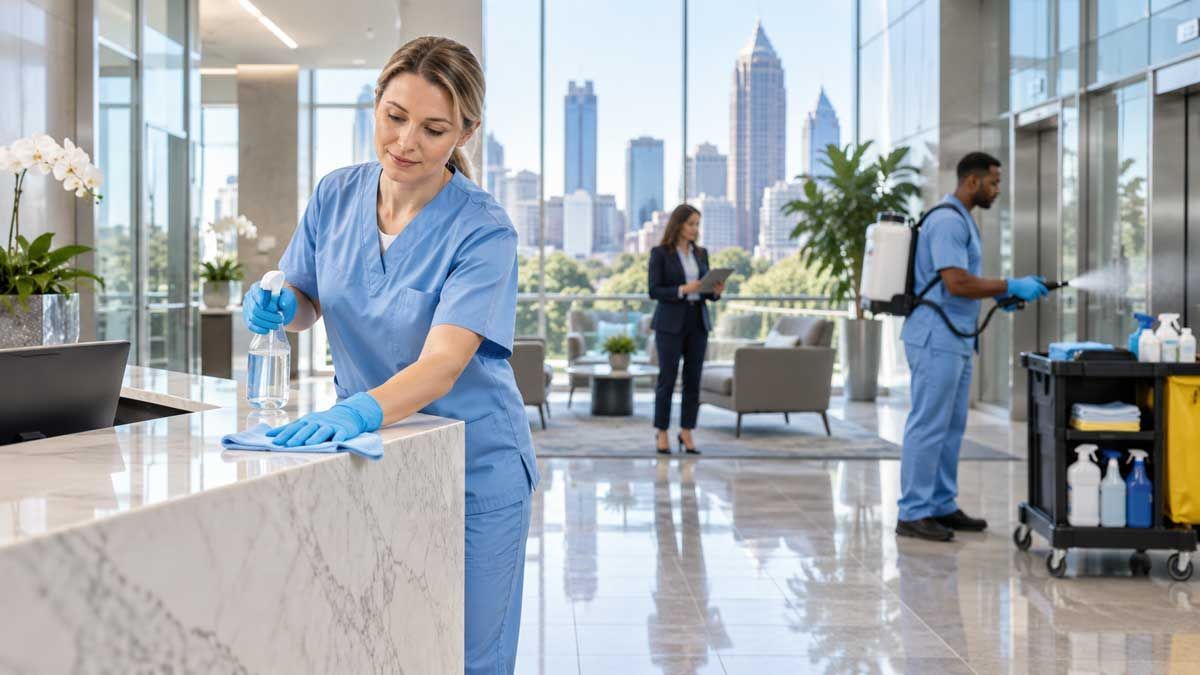
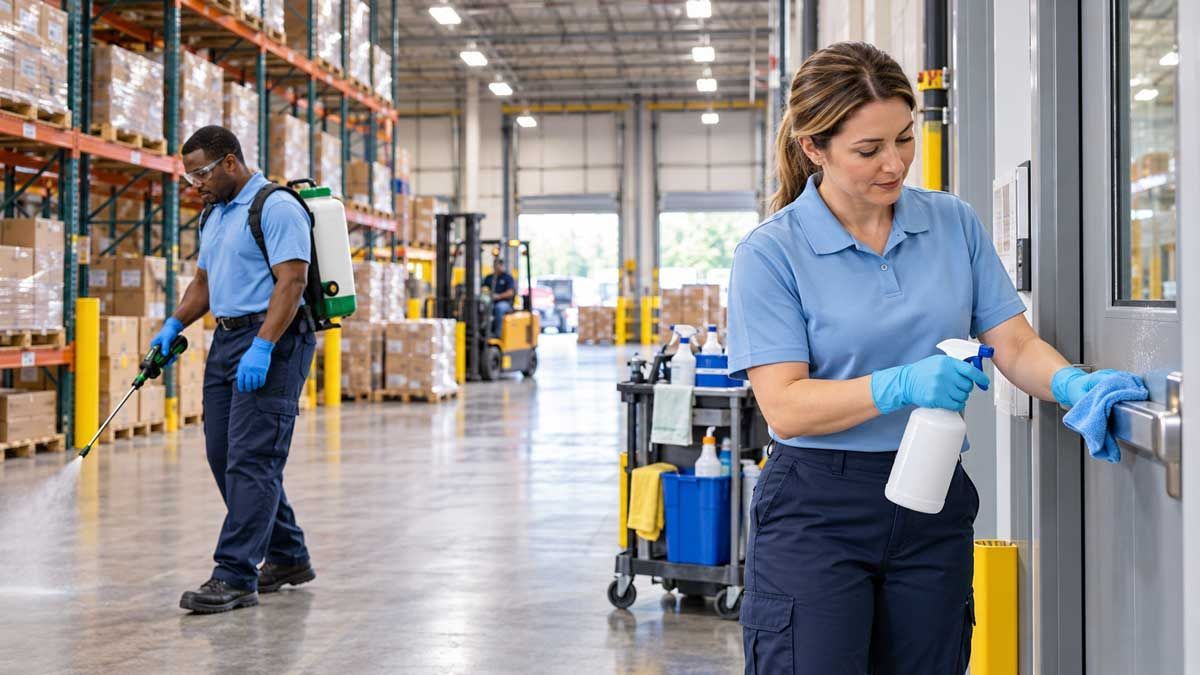
Electrostatic spraying technology can support facility managers seeking consistent coverage across difficult-to-reach surfaces. The approach uses electrically charged droplets designed to improve coverage when the equipment, product, and application are appropriate for the task.
Solutions can be distributed across surfaces using an electrostatic charge, helping address areas that may be difficult to reach with conventional application methods.
The technology may improve application efficiency in appropriate settings, although actual performance depends on the equipment, disinfectant, surface, and application conditions.
Surfaces may dry after the appropriate product contact time, but facilities must follow the disinfectant label rather than relying on drying time as a substitute for required dwell time.
Disinfection effectiveness depends on the product used, correct application, adequate contact time, and proper surface preparation. Facilities should follow manufacturer and label requirements rather than relying on a single effectiveness percentage.
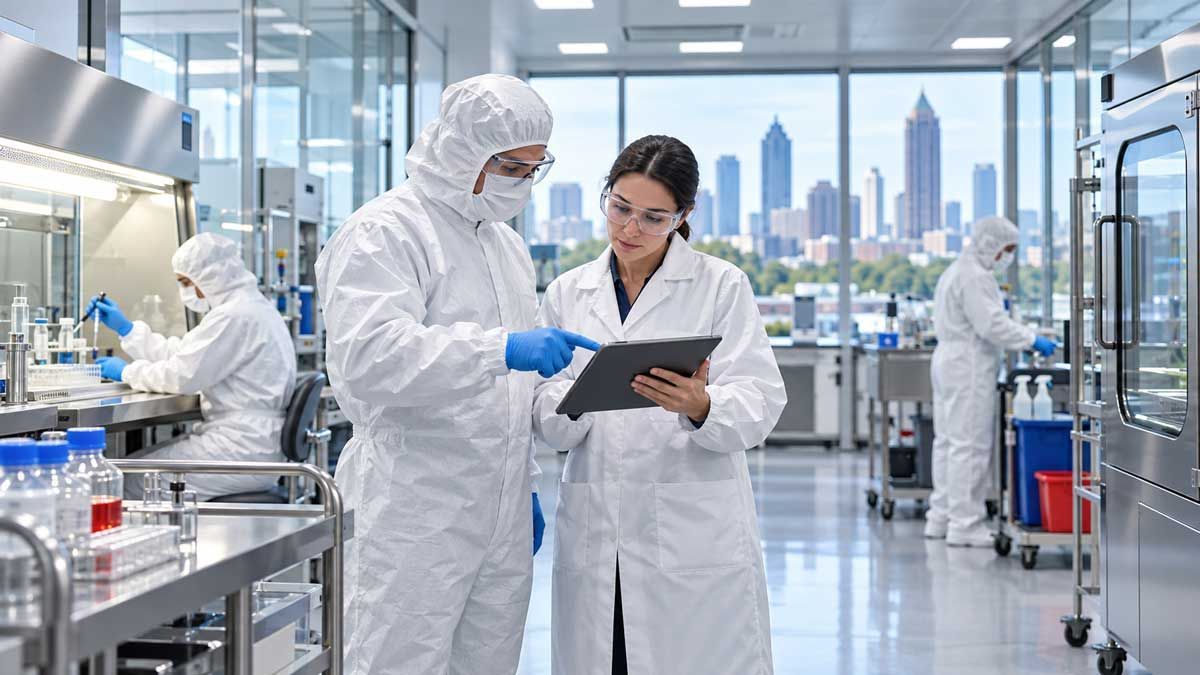
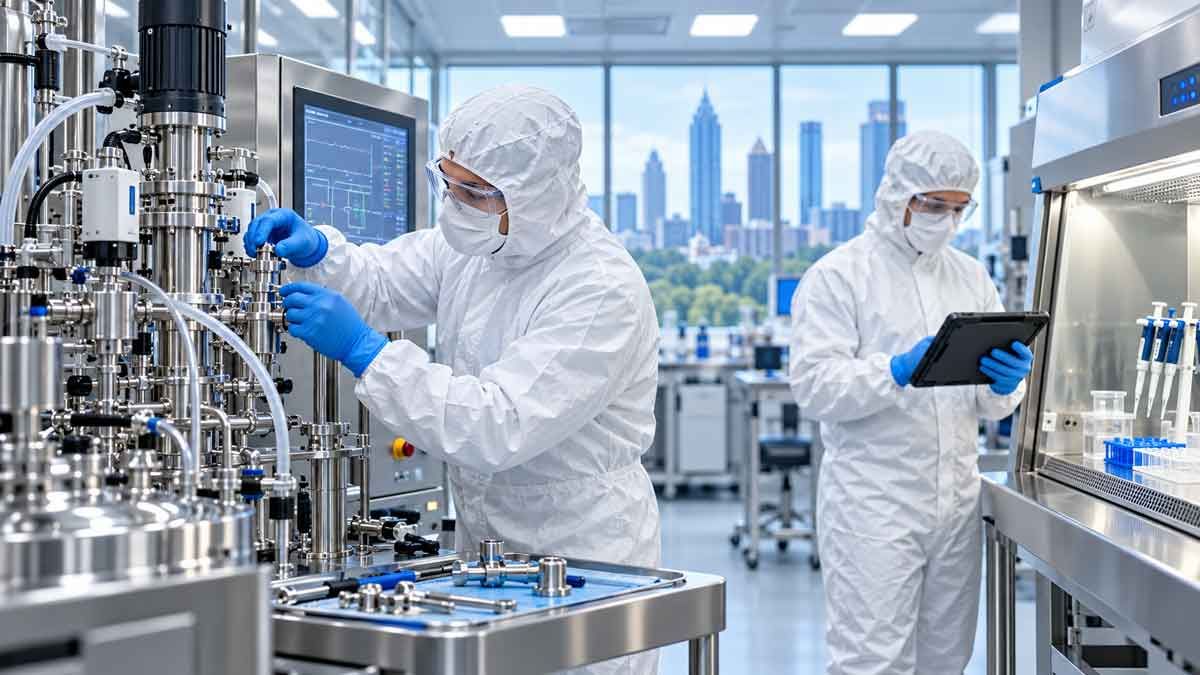
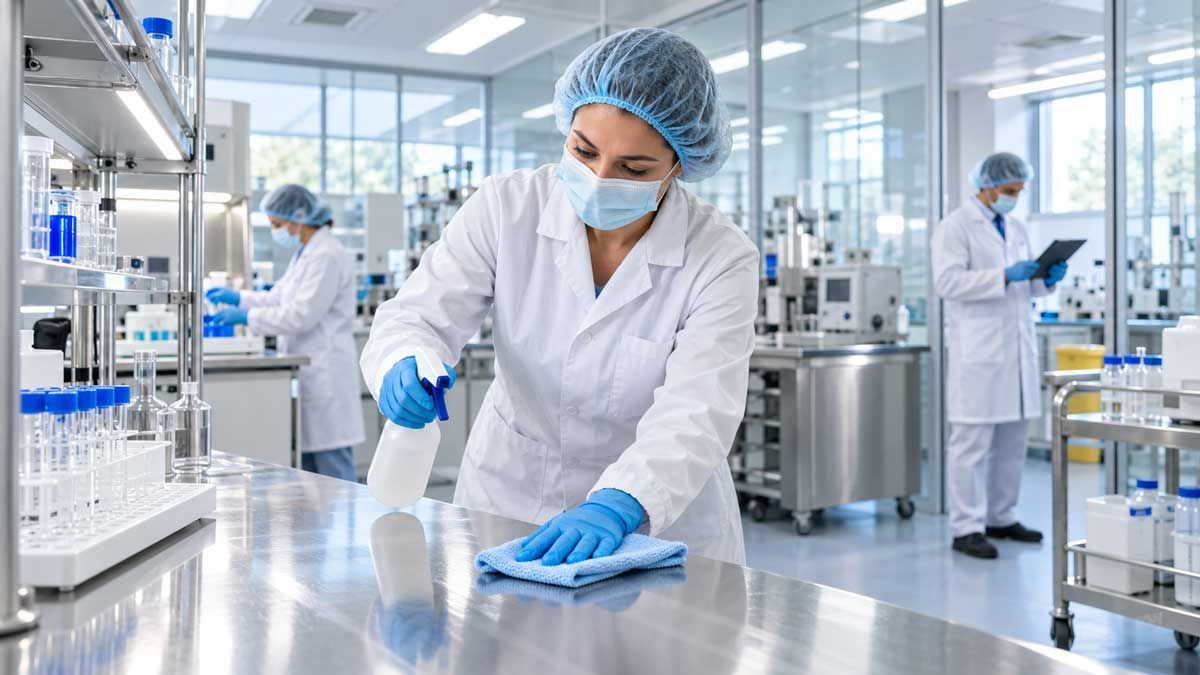
It can support more consistent application in appropriate commercial settings, which may be valuable in healthcare, manufacturing, and other risk-sensitive environments. As a facility leader, you should evaluate the technology based on your specific cleaning requirements, equipment, and operational conditions.
Employee Training for Effective Disinfection Practices
Effective employee training is key for steady results in commercial disinfection, especially for Augusta sites that aim to protect health and cut work disruptions. With clear training, you make sure each team member knows what to do, you reduce avoidable errors, and you support consistent cleaning standards.
Comprehensive Protocol Familiarity: Employees must learn best practices for cleaning and disinfecting, including which products are safe to use on different surfaces. Training covers how some disinfectants work, the right contact times, and which steps should not be skipped for effective application.
High-Touch Awareness: Staff are told to pay extra attention to door handles, switches, shared equipment, and restrooms, since these spots receive frequent contact. You stress giving these key zones appropriate attention based on traffic and facility risk.
Safety and Compliance: OSHA requirements and applicable CDC recommendations should be incorporated into training where relevant to the facility and task. Employees learn personal safety habits, PPE procedures, and proper disposal methods to support workplace safety and responsible cleaning practices.
Post Outbreak Deep Cleaning Protocols
Post outbreak, deep cleaning rules call for more than standard disinfection. You and your team in Augusta will benefit from using structured steps that reflect applicable public health guidance and the conditions of the affected facility.
Full-Scope Surface Disinfection: All workstation surfaces, doors, bathroom fixtures, and shared gear should be cleaned and disinfected using appropriate EPA-registered solutions. This process should follow product-label requirements for application and contact time before the space is returned to normal use.
Targeted Cleaning of High-Touch Points: You must pay close attention to areas like doorknobs, elevator buttons, handrails, and shared technology terminals in every facility. Cleaning frequency should reflect traffic levels, facility requirements, and the specific circumstances of the outbreak.
Post-Disinfection Air Exchange: After cleaning, you should support appropriate airflow by using building ventilation systems and increasing outdoor air where feasible and suitable for the facility. Ventilation is an important component of indoor environmental management, but it should complement rather than replace appropriate cleaning and disinfection.
Partnering with Local Augusta Disinfection Experts
Facilities in Augusta face new expectations after any outbreak, especially when operational requirements and applicable rules are on the line. Working with qualified disinfection professionals can give your team additional support in establishing appropriate procedures for affected environments.
The skill these professionals bring can be particularly important when cleaning requirements become more complex or when contamination concerns affect healthcare, institutional, manufacturing, or other high-traffic settings.You know the impact of a missed disinfection point is not small, especially in medical and high-traffic settings. Qualified service partners can help you maintain detailed records, service logs, and checklists that support accountability and facility oversight.
It is also their job to spot areas that need more care based on risk, not guesswork. Facility managers should select providers based on demonstrated procedures, appropriate training, documentation, and an understanding of the specific environment.
Maintaining effective disinfection practices requires a structured and consistent approach. Augusta facilities encounter unique challenges relating to local operational requirements, occupancy patterns, and facility conditions.
Facility teams should prioritize compliance, consistent performance metrics, and evidence-based strategies when establishing commercial cleaning and disinfection procedures. Comprehensive protocols, such as using EPA-registered disinfectants and following proper contact times, form the backbone of quality commercial disinfection outcomes.
Critical touchpoints, shared equipment, and high-traffic areas should all receive detailed attention according to each facility's established procedures. This dedication not only reduces operational risks, but also helps protect occupants and supports appropriate facility standards.
Choosing Cleanstar National Inc. means aligning your organization with structured commercial cleaning practices and risk-focused facility support. Evidence-based methods and compliance-driven processes can make a measurable difference for commercial and institutional environments.
We stand ready to support the commercial cleaning and facility requirements represented within its established service areas, with Atlanta Metro remaining its primary market for the broader relevant service portfolio.
Cleanstar National: Expert B2B Cleaning Solutions for Atlanta's Critical Industries