Evaluating Atlanta Biotech Tool Maintenance Impact
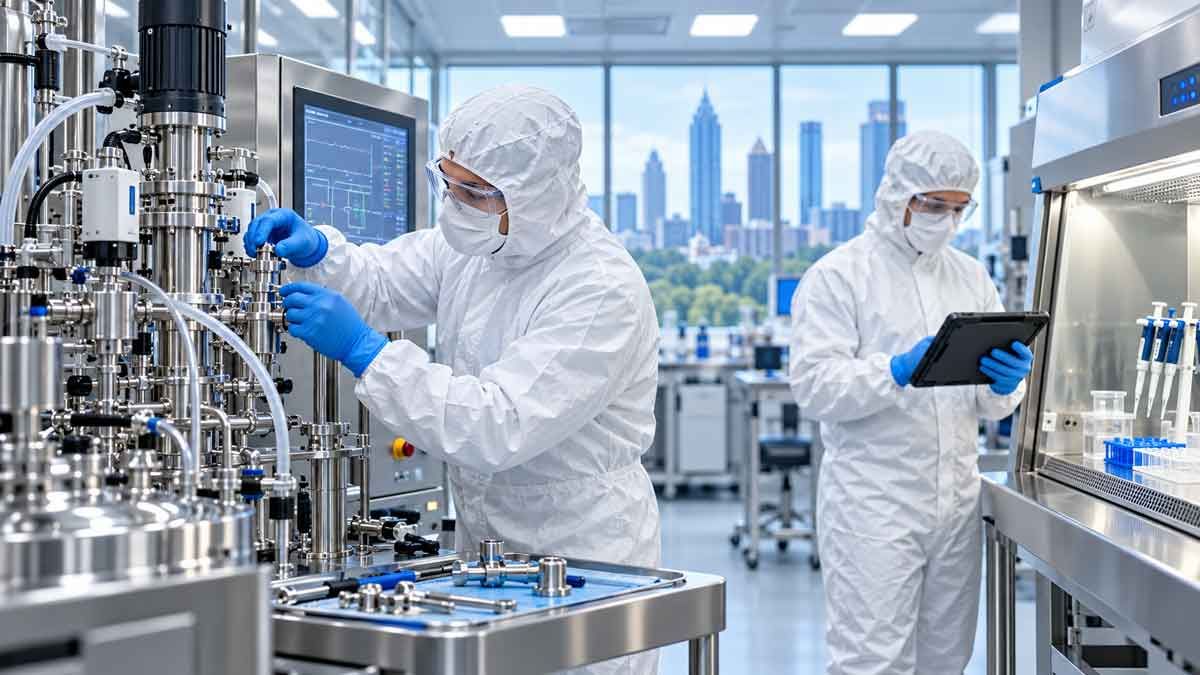
Every lab tool in Atlanta's biotech sector influences more than one experiment. Properly maintained equipment supports site performance across research and production spaces citywide. Regular upkeep helps reduce unexpected downtime, helping facility leaders save time and maintain trust.
A proactive maintenance schedule does more than limit costly repairs; it improves data accuracy by helping instruments remain within precise specifications each day they operate. Budget teams can see that scheduled service routines reduce surprise expenses over a tool's lifespan, while specialized cleaning techniques can help extend its service life under heavy use and the stringent inspection requirements applicable to Atlanta labs.
Because applicable regulations provide guidance around contamination control, your approach to care becomes an important part of reducing risks that could disrupt workflow or sample integrity before inspections occur.
Understanding biotech tool maintenance and its importance in critical environments is where long-term operational continuity begins for any Atlanta-based life sciences hub we serve.
Understanding Biotech Tool Maintenance: Why It Matters in Atlanta
Biotech tool upkeep is key to site performance and trust across Atlanta's research and bio-manufacturing sectors. The high-tech labs and production lines here rely on skilled staff to keep equipment in proper working condition.
You can see a clear link between steady upkeep and your team's ability to deliver accurate, repeatable results. Is there more to it than routine fixes? Biotech tools support precise work, so small issues can stall research or create additional operational or compliance considerations.
In Atlanta, workforce development programs address these needs through focused training for lab settings, as noted by the National Science Foundation and Georgia Life Sciences. Atlanta's strong biotech ecosystem depends on steady uptime, making proactive upkeep important for smooth workflows.
Is it just about keeping equipment running? Reliable
biotech facility cleaning in Atlanta supports professionally maintained spaces, equipment-adjacent areas, and controlled environments where cleanliness is an important part of day-to-day operations.
Even small gaps in upkeep or cleaning can add risks that could ripple throughout research workflows.
Assessing Downtime Reduction Through Regular Maintenance
Regular upkeep plays a direct role in how much downtime you face in your Atlanta biotech operation. A well-structured plan can help you reduce delays and maintain steady uptime across your lab or site.
- Improved Equipment Readiness: Planned upkeep keeps tools ready for use, so surprise breaks or faults do not slow your work down.
- Shorter Recovery Times: By fixing wear early, you can get any tool back online faster after a service event.
- Fewer Workflow Disruptions: You are less likely to face long pauses in your research workflow when key tools receive regular care.
- Reliable Operations for Teams: Your staff can focus on their work knowing that your plan supports tool uptime and smooth research timelines.
How Maintenance Schedules Improve Research Accuracy
Well-managed service routines do much more than cut downtime; they also support research accuracy. Planned biotech tool maintenance schedules can help your Atlanta lab or facility produce consistent, high-quality results in several ways:
- Calibration Consistency: Accurate tools depend on planned calibration, which helps prevent small errors from building up across your research tasks. By setting routine calibration times, you can keep instrument readings closer to required specs over time.
- Early Detection of Drifts: Timely maintenance checks help spot tool drifts or small faults that might otherwise go unseen during busy lab days. This step lets you fix issues before they disrupt experiments or skew data sets.
- Controlled Environment Assurance: A structured tool-upkeep plan helps you ensure that environmental controls remain stable during sensitive experiments or sample preparations. Keeping HVAC, filtration, and monitoring systems in check reduces risks tied to climate or particulate variation.
- Reliable Sample Handling: Routine upkeep of pipettes, shakers, and storage gear keeps your sample handling precise from start to finish. It cuts the odds that mechanical or system issues will throw off measurements, mixes, or storage conditions.
The Financial Impact of Proactive Tool Care in Bio-Labs
Proactive care for biotech tools has a significant effect on your long-term costs. Small, scheduled checks help you spot issues early. Evidence highlighted by the Dutch Journal of Finance and Management shows that planned upkeep can reduce costly repairs and help prevent unexpected failures that disrupt lab schedules.
By managing tool upkeep carefully, you can reduce replacements and downtime in high-volume Atlanta labs. When you build regular tool care into your lab plan, you can see the return on investment over time.
Cutting down on rush repairs boosts tool life. The research shows that routine, accurate maintenance logs are closely tied to better cost control in laboratory settings. You can also plan budgets and resource needs with steady scheduling.
According to the same review, groups that skip preventive maintenance often miss important returns on their equipment investments. The next area to consider is how focused cleaning methods can further support tool life and reliable facility operations.
The Role of Specialized Cleaning in Extending Equipment Lifespan
Keeping your Atlanta biotech lab equipment in peak condition does not stop with repairs and routine checks. The way you clean and care for delicate tools has a direct tie to how long your gear lasts.
- Outlasting Wear from Daily Use: Specialized cleaning methods keep key parts free from dust, liquids, and residue that can build up over time. This step in your process helps limit issues associated with daily use and supports professionally maintained equipment areas.
- Protection of Delicate Components: Many biotech instruments have surfaces or sensors that are sensitive to small amounts of debris or contamination. When these parts are cleaned according to applicable procedures, you can help limit conditions that contribute to errors and faults.
- Sustained Compliance and Performance: According to published guidance from cbet.edu, laboratory-cleaning requirements can support research quality and equipment protection. When cleaning is included in your facility-care plan, it supports inspection readiness and consistent facility standards.
Atlanta’s Regulatory Standards for Biotech Facility Cleaning
Cleanroom upkeep and biotech equipment care both rely on understanding the requirements that apply to Atlanta's research and biomanufacturing environments. You need to understand which rules govern applicable cleaning procedures because gaps can affect work quality and inspection preparation.
- Adherence to Applicable FDA and GMP Guidelines: FDA and GMP requirements can shape cleaning, documentation, and contamination-control practices in applicable biotech and biomanufacturing environments. Requirements vary according to the facility, processes, and regulatory framework involved.
- Facility-Specific SOPs: Atlanta biotech sites may maintain written Standard Operating Procedures (SOPs) that match their work and risk considerations. These SOPs can define cleaning steps, training needs, and verification procedures that support consistent operations and inspection preparation.
- Documentation and Traceability for Compliance Audits: It is important to follow applicable procedures and maintain accurate records for cleaning and maintenance tasks. Traceable logs, checks, and cleaning records can help document day-to-day processes and support inspection readiness.
Reducing Contamination Risks With Targeted Maintenance
Targeted maintenance is important for reducing contamination risks in biotech facilities and supporting applicable requirements. Clean tools and professionally maintained surrounding areas are important parts of a risk-conscious contamination-control approach.
Evidence cited by BioPharm International shows that risk-based maintenance plans support these preventive efforts. Every task you finish can help limit conditions that allow bacteria, endotoxins, dust, or other contaminants to affect research processes.
These steps help address cross-contamination risks between batches, an area that inspectors and applicable guidelines may expect facilities to control. There is little room for unnecessary risk. Each upkeep step builds on the last to support a controlled research environment.
You need timely checks, with each inspection helping identify problems before they spread through your workflow. Taken together, focused maintenance helps protect your work and tools while supporting safe research operations in Atlanta.
Maintenance Approaches for Biotech Facilities in Atlanta
Making the right choice for biotech tool maintenance in Atlanta requires a plan that matches your facility's performance and risk needs:
- Workforce Control: With in-house maintenance, you have day-to-day oversight of your staff and you control what gets done first.
- Flexibility and Scalability: A scalable maintenance plan lets you adjust resources as your lab needs change without a rebuild.
- Specialized Expertise: A specialized maintenance plan helps you access tool-specific skills, up-to-date training, and current industry practices.
- Integration and Leadership: A coordinated model lets you run maintenance across multiple Atlanta lab locations with one set of processes and reports.
- Cost Structure and Predictability: Better planning, clearer scheduling, and tighter spare-parts management can improve cost predictability, according to research published by Quant Finland.
Essential KPIs for Measuring Maintenance Program Success
There are several key KPIs that will help you measure the impact of your biotech maintenance program in Atlanta. One metric is mean time to repair, which tracks how fast you fix failed tools. Tracking mean time between failures gives you a clear view of how long equipment operates before issues arise.
This helps you see real uptime. Overall equipment effectiveness (OEE) is key to judging whether your tools run as they should, produce high-quality work, and keep downtime low. You can look at the split between planned and unplanned maintenance to see if your program is more reactive or proactive.
Root cause analysis metrics show whether you solve issues at their source or just patch them for the short term. Monitoring your maintenance backlog keeps you from falling behind on scheduled tasks or risking compliance.
Scheduled maintenance critical percent (SMCP) shows the share of critical equipment that receives maintenance on time. Nexgen guidance on these metrics helps you fine-tune processes for safer, smoother biotech operations.
These KPIs support inspection readiness, inform decisions, and help maintain operational continuity at your Atlanta biotech facility.
Tool maintenance shapes the long-term performance of Atlanta biotech operations. Planned service supports equipment uptime and faster recovery after breakdowns. Small, early fixes can help limit more extensive repairs later on.
Consistent calibration schedules also support accurate and reliable research results. When you combine regular upkeep with specialized cleaning, you can help reduce wear and issues associated with daily use. Appropriate cleaning and maintenance practices can support applicable FDA and GMP requirements and help prepare your facility for audits.
Targeted efforts to keep tools and surrounding areas clean can reduce contamination risks that could disrupt critical processes. A well-structured maintenance approach gives you flexibility and access to the right set of technical skills.
Tracking the right KPIs, like mean time to repair and scheduled maintenance completion rates, supports informed decisions for your Atlanta lab's future. Together, the elements of your maintenance plan help keep your facility prepared for inspections and day-to-day work.
At Cleanstar National Inc., we support Atlanta life sciences leaders with professional facility services designed to support professionally maintained, operationally prepared environments.
Cleanstar National: Expert B2B Cleaning Solutions for Atlanta's Critical Industries