Urgent Care Cleaning Standards
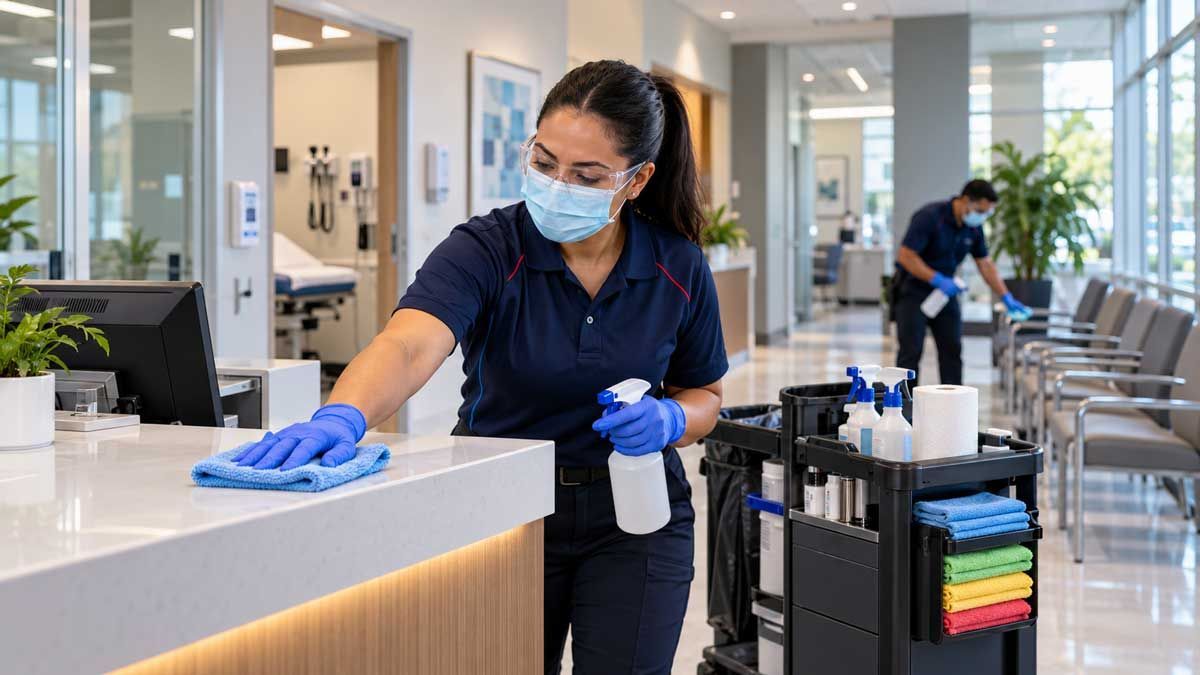
Safe patient care starts with consistent cleaning routines in urgent care. Each surface must be properly managed to help reduce infection risks. Busy urgent care clinics face constant traffic, so disinfecting is an important daily responsibility for staff and providers.
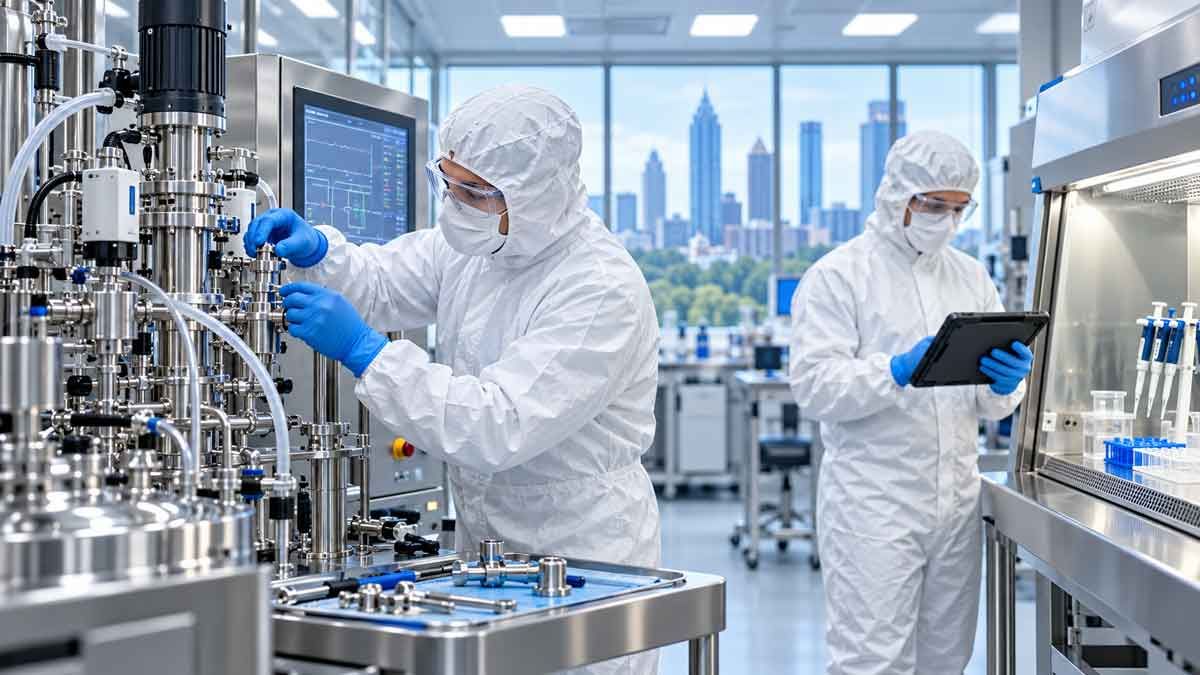
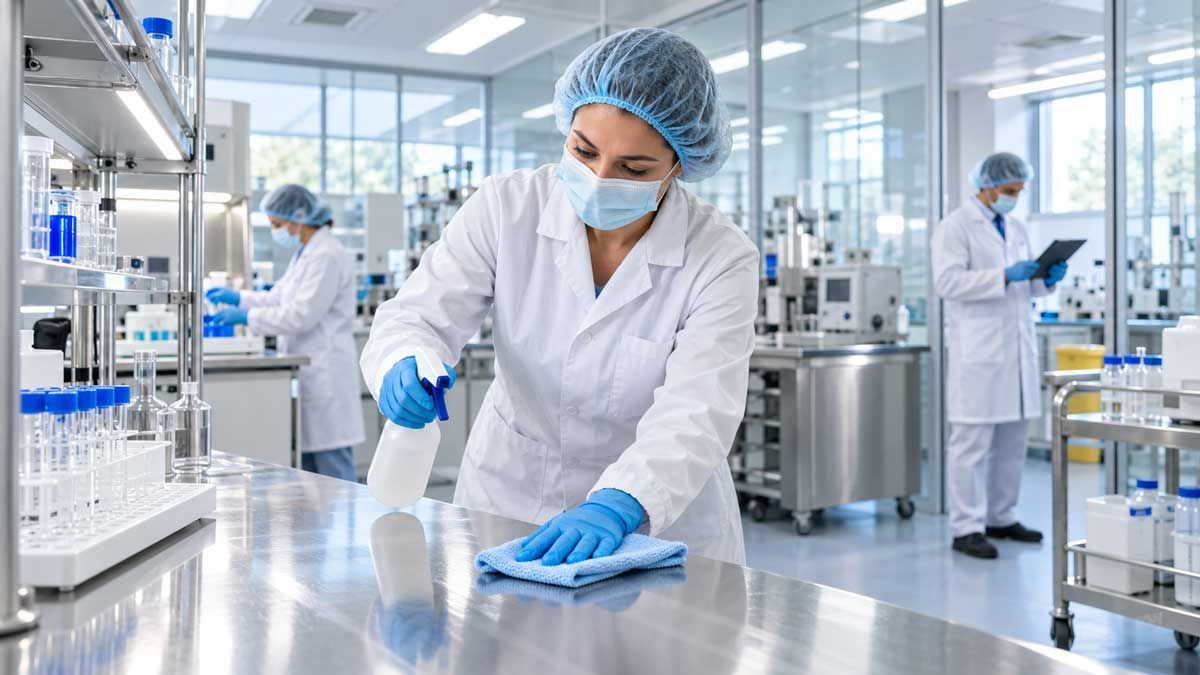
Efficient urgent care cleaning services help reduce contamination risks and support professionally maintained environments. That is why we focus on steps that support operational continuity and critical environment cleaning across healthcare sites where these services are applicable.
A clear understanding of the difference between sanitization and disinfection guides decisions about which products and methods best fit each stage of patient flow. Consistent cleaning standards matter most when infection control is a central operational concern.
This section explores how thorough protocols support facility performance inside urgent care facilities during every hour of operation.
Critical Importance of Cleaning in Urgent Care Facilities
Clean spaces in urgent care facilities play a key role in supporting patient care each day. The risk of spreading infection can be significant in these environments. These centers welcome many people with contagious illnesses, so strong infection-control practices are important.
Consistent cleaning routines and appropriate disinfectants are vital throughout each department. Children, seniors, and staff all benefit from professionally maintained conditions. Germs can reach floors, surfaces, and medical spaces, making regular cleaning an important part of facility operations.
Healthcare cleaning guidance and workplace safety requirements provide an important framework for maintaining appropriate conditions. Fast patient turnover can increase cleaning demands, so detailed procedures are important for reducing cross-contamination risks.
Professionally trained cleaning teams can help urgent care facilities maintain consistent procedures and support inspection readiness. This high level of
critical environment cleaning for healthcare supports professionally maintained spaces, operational continuity, and inspection readiness.
Essential Daily Cleaning Protocols for Urgent Care Clinics
Clear and steady cleaning routines help keep urgent care clinics professionally maintained each day. The following daily steps cover key tasks that help reduce risk and maintain site standards.
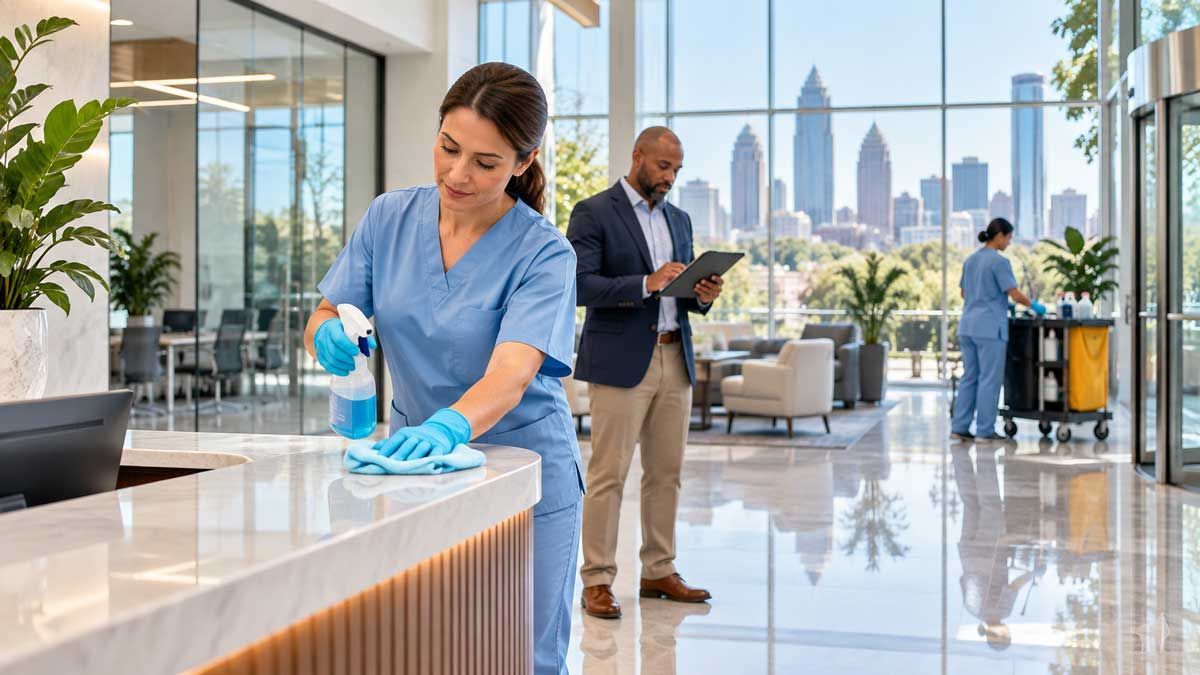
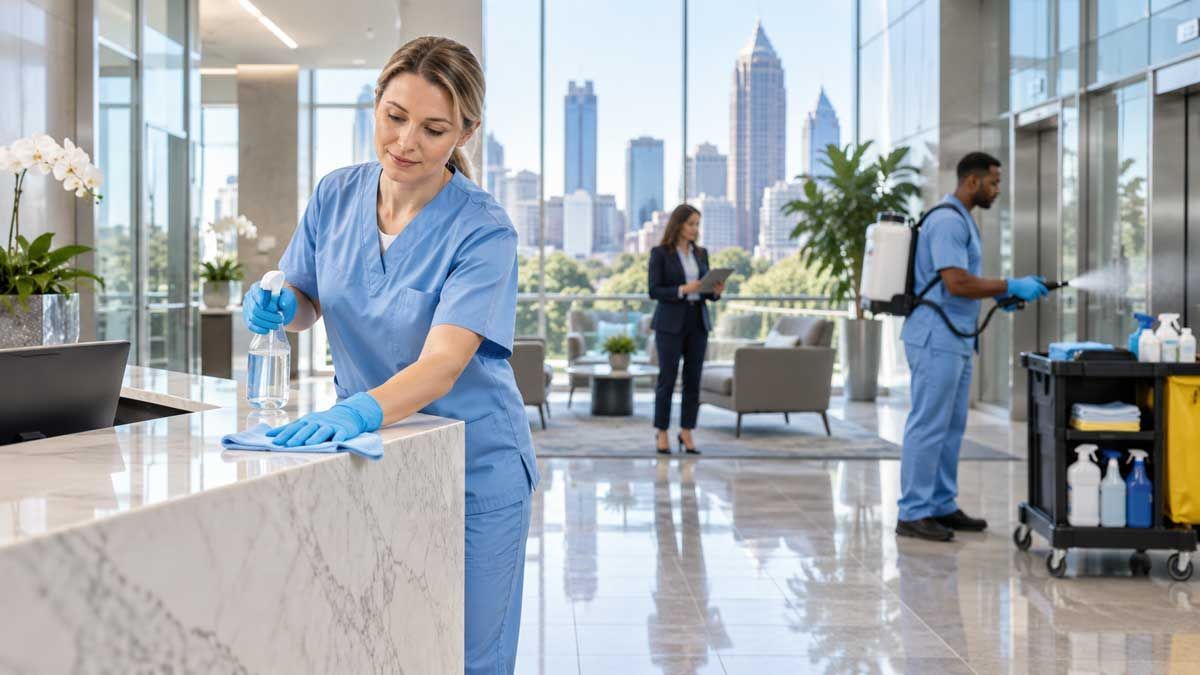
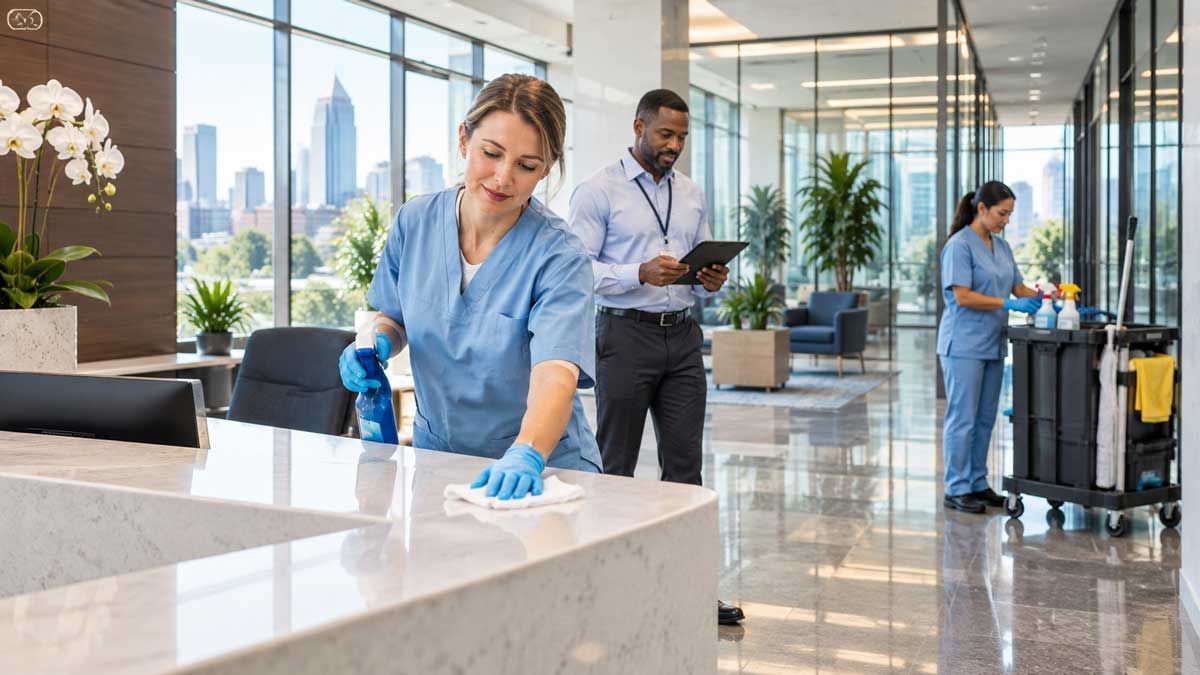
- Surface Wipe-Downs: Wipe and disinfect front desk counters, exam room tables, and shared workspaces using healthcare-appropriate products according to their labeled directions.
- Floor Care: Wet mop floors in patient areas and high-traffic zones using products appropriate for the surface and facility requirements.
- Restroom Sanitization: Clean and disinfect sinks, fixtures, and stall handles according to the area's traffic and established facility procedures.
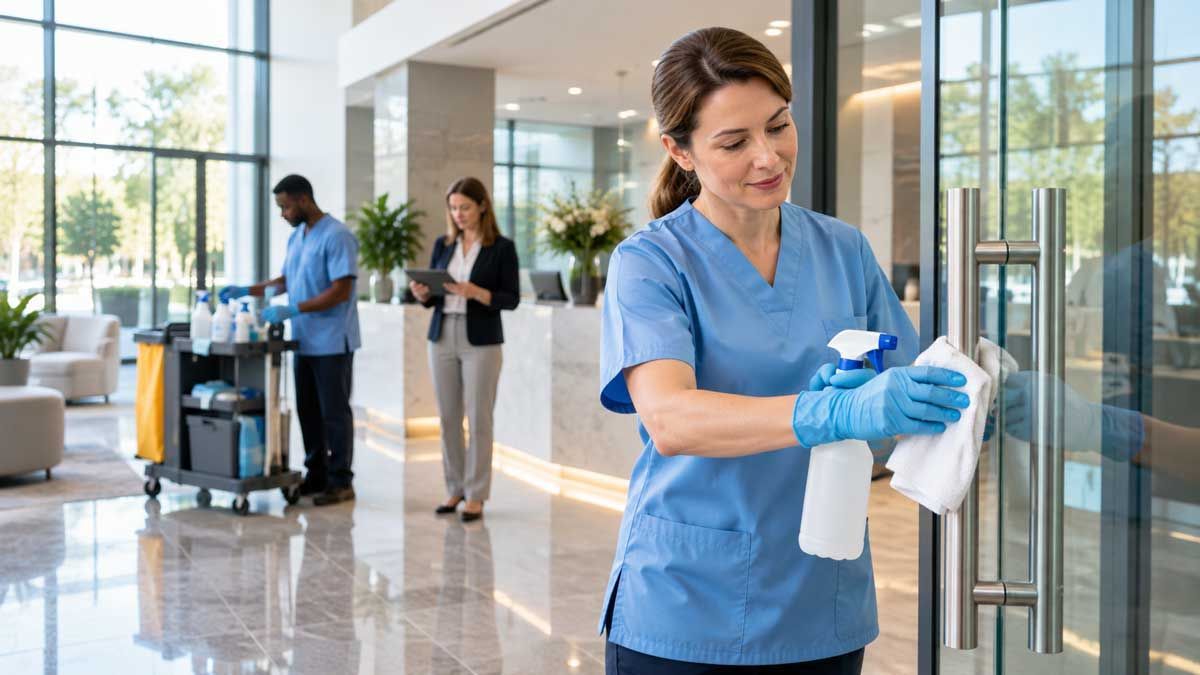
- Touchpoint Disinfection: Treat light switches, door handles, elevator buttons, and waiting room armrests with appropriate disinfectants to help reduce cross-contamination.
- Trash and Biohazard Disposal: Remove waste on an established schedule and replace liners to support staff safety and facility compliance procedures.
Disinfection vs. Sanitization: Understanding the Difference
There is often confusion in urgent care settings about the terms "disinfection" and "sanitization." Each term has a distinct role in urgent care cleaning standards.
- Sanitization: This process reduces germs on surfaces to levels considered appropriate under applicable public health standards and product directions.
- Disinfection: Disinfection uses EPA-registered products to destroy or inactivate specified microorganisms on hard, non-porous surfaces according to the product label.
- Application: Keep disinfectants wet on surfaces for the manufacturer's recommended contact time so they can work as intended.
- Use Cases: Sanitization and disinfection should be selected according to the surface, area, level of risk, and applicable facility procedures.
Choosing EPA-Approved Cleaning Products for Healthcare Settings
Selecting cleaning agents for healthcare settings starts with one main rule: use products appropriate for their intended application. Registered disinfectant products should be selected according to their labeled uses, including the microorganisms, surfaces, and conditions they are intended to address.
Waiting areas, exam rooms, and restrooms all need appropriate products to help manage germ levels. Using products incorrectly can create unnecessary risks for patients and staff. Products must match the level of surface risk you find in each space.
Is there frequent contact or spill risk? If so, you need a product appropriate for the area and intended use. Follow label directions and required contact times when using disinfectants in healthcare environments.
Cleanstar National Inc. uses appropriate EPA-registered disinfectants for applicable healthcare settings because properly selected products support professionally maintained, inspection-ready environments.
Best Practices for Waiting Room and High-Touch Areas
The waiting room is usually one of the busiest places in any urgent care facility. If you leave high-touch areas unchecked, germs can spread and put both patients and staff at greater risk.
- Daily High-Touch Surface Cleaning: Armrests, chairs, tabletops, and check-in counters should be wiped down with an appropriate disinfectant according to facility procedures and product directions. This helps address surfaces used frequently by visitors and staff.
- Continuous Spot Disinfection: Reception counters, shared pens, clipboards, and digital kiosks need appropriate attention as they are passed from person to person. When you monitor these items closely, you help lower cross-contamination risks and maintain facility standards.
- Use of Dedicated Microfiber Cloths: Use color-coded microfiber cloths where required by facility procedures, changing cloths between zones to help prevent cross-zone contamination. Properly prepared and used cloths can support effective surface cleaning.
- Strict Immediate Response to Spills: Clean visible spills, bodily fluids, or dropped debris promptly while following established procedures. Thorough cleanup helps protect other guests and keeps the waiting area professionally maintained.
Effective Cleaning Routines for Urgent Care Exam Rooms and Medical Equipment
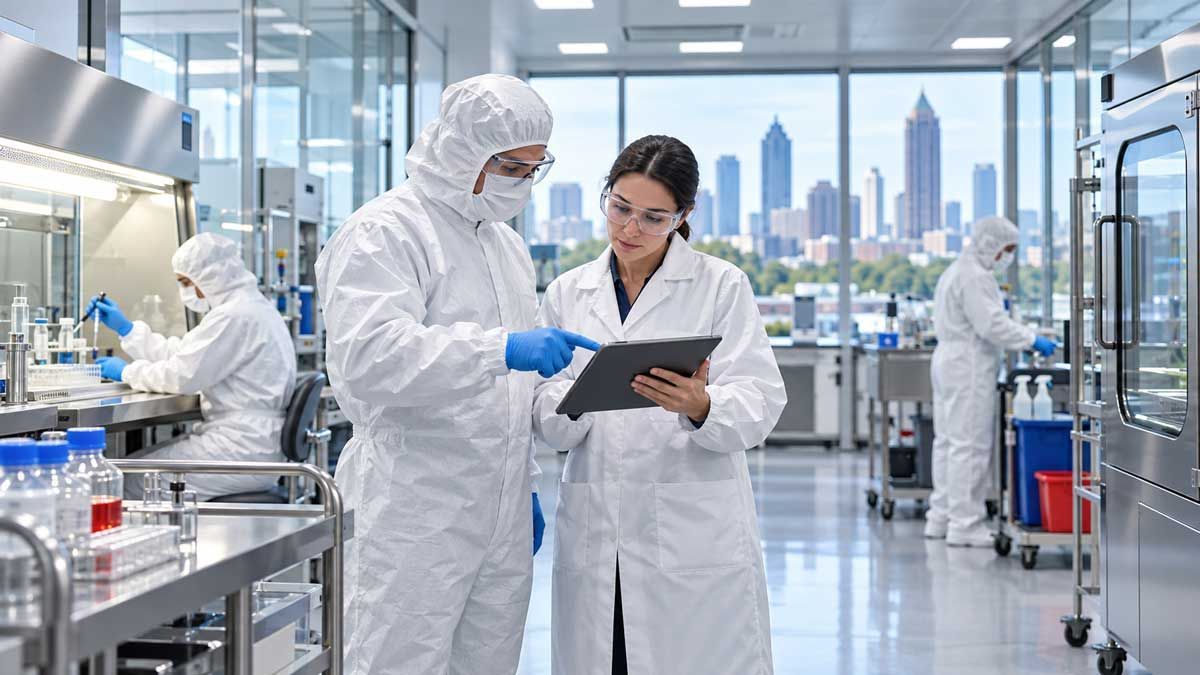
Exam rooms and medical equipment in urgent care clinics need close attention each day to support patient safety and facility standards. The steps below will help you build a strong routine so you stay ready for daily operations and inspections.
- Preparation and Ventilation: Before cleaning, make sure the room is empty where appropriate, wear the required personal protective equipment, and follow the facility's ventilation procedures.
- High-Touch Surface Focus: Clean and disinfect exam tables, light switches, door handles, and applicable diagnostic equipment using appropriate solutions and following product and manufacturer instructions.
- Sequence and Direction: Work from cleaner to dirtier areas, and clean from higher surfaces down to help prevent cross-contamination.
- Equipment-Specific Methods: Follow the manufacturer's instructions for using wipes, sprays, or other approved methods on medical equipment, and make sure you do not damage sensitive technology.
- Final Inspection: After each cleaning, check cleaned items, document the work where required, and restock fresh supplies for the next patient.
Staff Training: Ensuring Consistent Cleanliness Standards
Staff need clear rules for urgent care cleaning. Employees should receive appropriate training on infection control, waste disposal, and the use of personal protective equipment in accordance with applicable procedures and guidance. This helps teams understand how to keep surfaces properly maintained, support patient safety, and maintain an operationally prepared site.
The materials should be easy to read, turn guidelines into real steps, and show how to handle cleaning solutions and tools.
It is essential to include regular refreshers and checklists for key cleaning zones to help build steady habits and spot gaps in real time. Reporting systems can help teams raise questions about new or unclear protocols and share on-the-ground feedback with supervisors.
This creates a positive cycle where best practices are learned, used, and improved throughout all cleaning shifts. The leadership team should schedule audits to verify that cleaning and disinfecting standards are being followed consistently.
Ongoing staff training builds confidence and helps maintain facility readiness for inspections when required.
Managing Biohazard and Medical Waste Disposal
Proper biohazard and medical waste disposal is essential at urgent care clinics because patient visits can generate regulated waste. Proper handling supports staff safety, helps reduce environmental and operational risks, and supports compliance with applicable requirements.
- Segregation at the Source: Place waste in designated biohazard bags or labeled sharps containers immediately after use according to applicable facility procedures.
- Sharps Disposal Compliance: Keep needles, scalpels, and other sharps in appropriate, leak-resistant containers, and do not allow them to exceed the marked fill line.
- Licensed Waste Vendor Partnerships: Work with appropriately licensed waste disposal vendors that follow applicable federal and state requirements for handling, storing, and transporting medical waste streams.
- Documentation and Storage: Keep clear logs for each waste transfer where required, and store regulated waste in secure, clearly marked areas until the vendor collects it.
Frequency Guidelines for Deep Cleaning Procedures
Facility managers often ask how often deep cleaning must happen in urgent care clinics. The answer depends on how the area is used, patient volume, risk level, facility procedures, and applicable requirements. Patient care zones may require more frequent deep cleaning than lower-use areas.
High-traffic entrances and waiting rooms may require additional attention because of steady foot traffic. Staff restrooms and break rooms should receive cleaning according to their use and established facility schedules. In low-use storage or utility areas, the appropriate frequency may be different.
Where post-incident spills or outbreaks happen, prompt cleaning should follow the facility's established procedures. During periods of increased respiratory illness, facilities may adjust cleaning schedules for high-touch areas based on operational needs and applicable guidance.
With steady routines, you can support inspection readiness while helping maintain professionally managed spaces for patients and staff.
Our review of urgent care cleaning standards highlights a practical roadmap for safer care, steady facility performance, and reliable inspection readiness. Thorough cleaning routines shape the day-to-day environment for both patients and staff.
Each key routine, from high-touch surface disinfection to appropriate deep cleaning, helps address cross-contamination risks in busy clinic environments. We place a strong focus on appropriately selected, EPA-registered disinfectants for applicable healthcare sites to support established facility procedures.
Staff who continue training in safe techniques are better prepared for audits and protocol changes. Biohazard and medical waste disposal requires consistent procedures because careful separation and the use of appropriate vendors support responsible waste management.
Clear routines and documentation practices create safety and transparency from the waiting room to medical equipment storage. Routine checks, combined with timely response when infections or spills appear, help protect everyone who comes through your doors.
Our systematic approach helps keep urgent care settings professionally maintained and prepared for both patient needs and regulatory inspections. With Cleanstar National Inc. as your trusted partner, you can support operational continuity, risk reduction, and professionally maintained facility outcomes every day.
Cleanstar National: Expert B2B Cleaning Solutions for Atlanta's Critical Industries