Optimizing Disinfection Maintenance in Atlanta Commercial Facility Operations
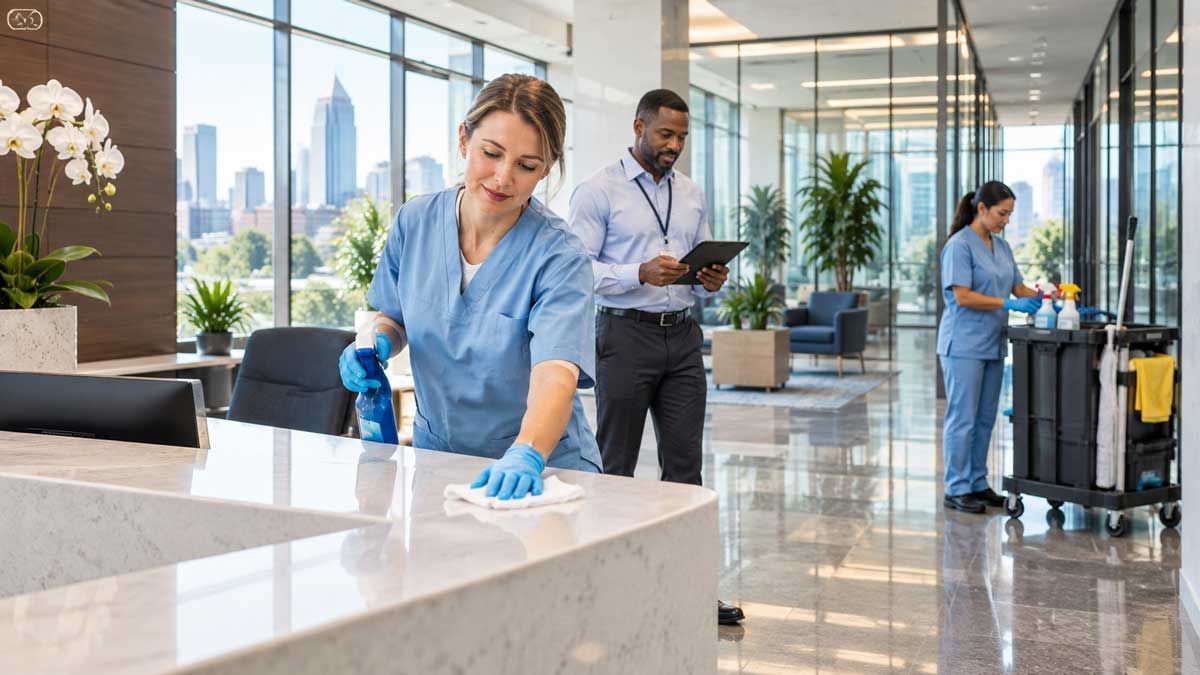
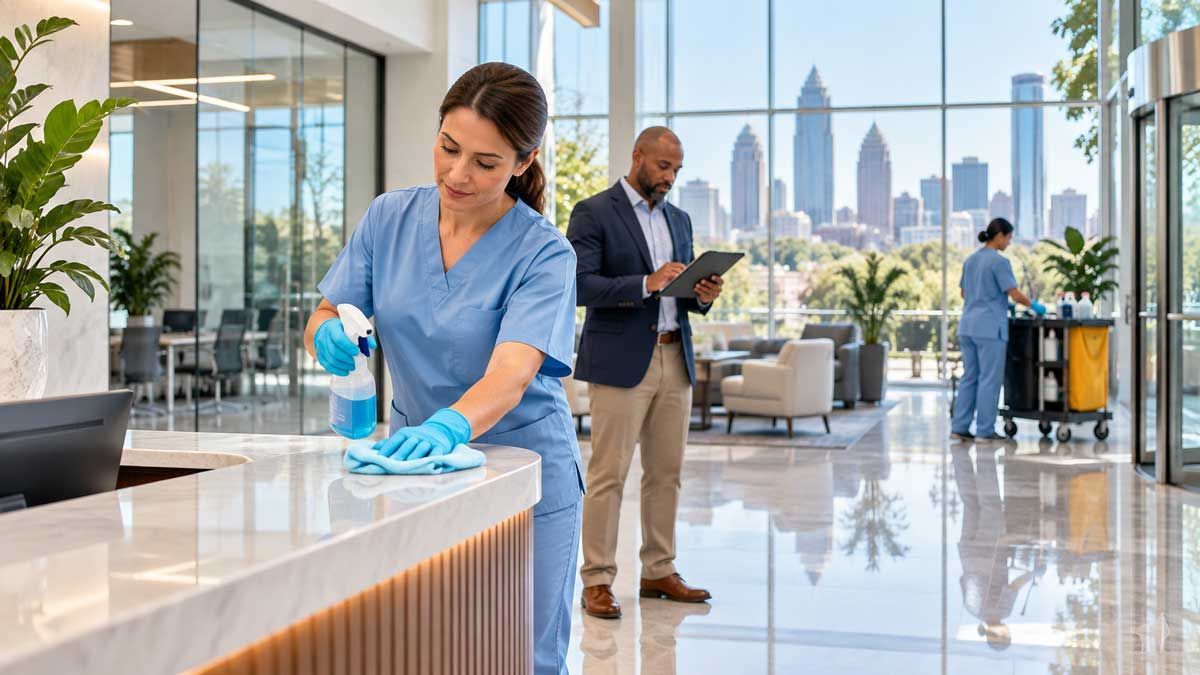
Clean, healthy environments have become a higher priority for Atlanta's commercial facility operations teams. Facility managers face stricter safety expectations as both clients and staff rely on consistent disinfection processes to support daily business routines.
Choosing products with reliable sanitation profiles is vital because pathogens can remain on hard surfaces when they are not addressed properly. Local compliance requirements and product labeling guide these efforts, including the use of EPA-registered solutions with proven effectiveness against bacteria and viruses commonly found in shared spaces.
Recent case studies of regional health outbreaks highlight how targeted maintenance schedules can reduce risk while enhancing operational reliability across healthcare, education, and logistics sectors alike.
Facilities are integrating technologies such as electrostatic sprayers and UV-C lighting systems to help reach hard-to-treat areas efficiently. Selecting the right cleaning products forms the backbone of an effective commercial disinfection services program in Atlanta.
Selecting EPA Approved Cleaning Products
Selecting EPA-approved cleaning products is a key step in disinfection upkeep for Atlanta commercial facilities. The EPA plays an important role in establishing requirements for disinfectant products, so facilities should use only products that are registered and appropriate for their intended application.
There is a clear reason why facility managers prefer EPA-registered disinfectants; you know they are subject to requirements for product efficacy, labeling, and proper use. The Centers for Disease Control and Prevention provides guidance on cleaning and disinfecting surfaces, while EPA registration and product labels help facilities identify appropriate disinfectants for specific applications.
Products should display their EPA registration number, allowing you to verify registration status and review applicable product information. Washable surfaces, entry points, and critical equipment can all benefit from steady product use according to the manufacturer's guidelines and applicable facility protocols.
It is important to provide clear use steps, as specified on the product label, for every product you use. This step can improve consistency and help support compliance checks while reducing day-to-day risk. Cleanstar National Inc. follows these principles.
It relies on these principles for all
commercial disinfection services in Atlanta, helping facilities maintain safer and more consistent operations.
Integrating Advanced Disinfection Technologies
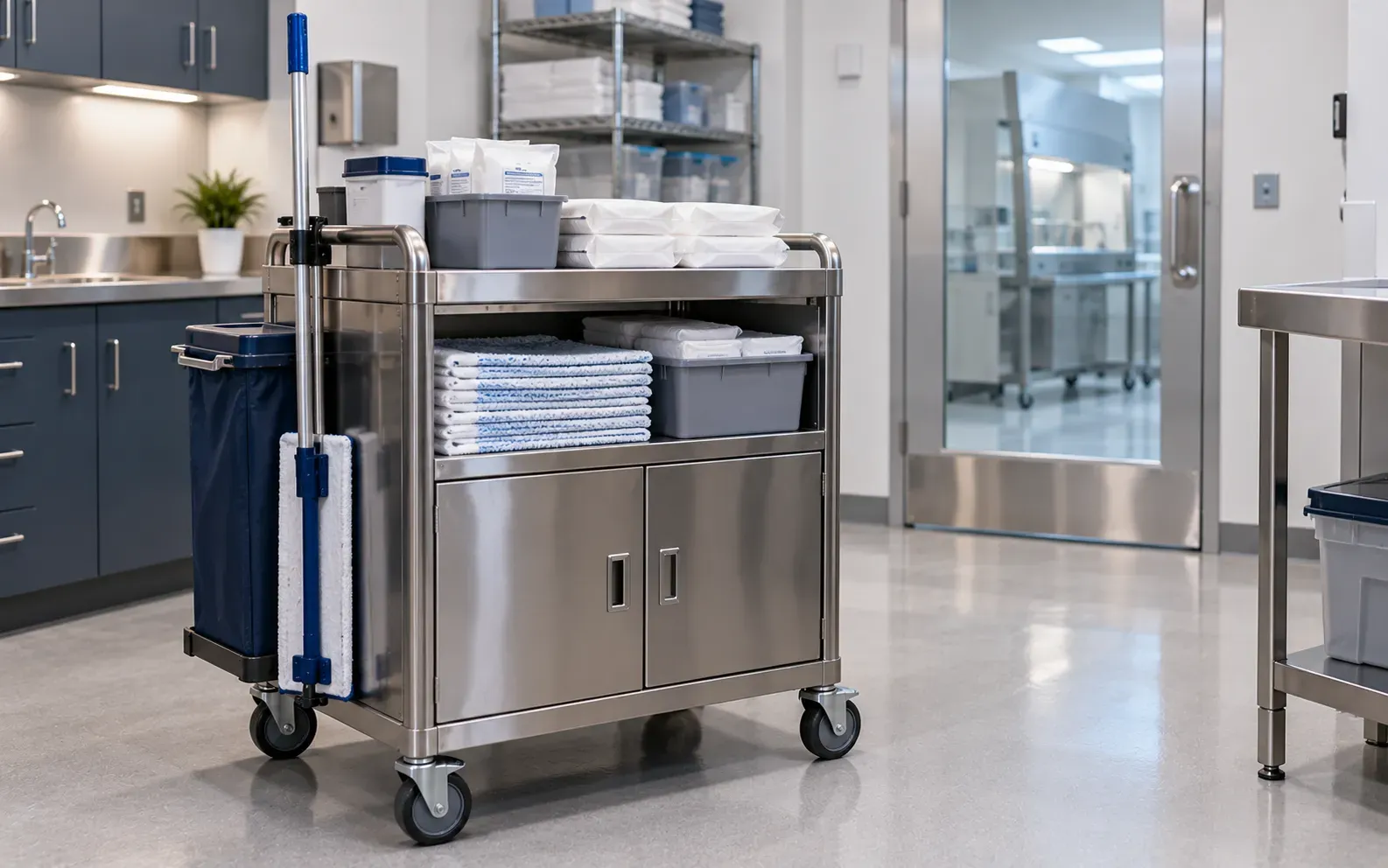
Advanced disinfection tools are changing how Atlanta commercial facilities handle daily hygiene and risk control so you can keep business running. The right tools can support routine upkeep, complement established protocols, and provide greater control over hard-to-treat areas.
EPA-Listed Disinfectants: Choosing appropriate EPA-registered disinfectants is key since products must be used according to their registration and label directions. List N products may be relevant when facilities need products identified for use against SARS-CoV-2. Clear label instructions help ensure safe, consistent disinfection that supports Atlanta commercial spaces throughout the day.
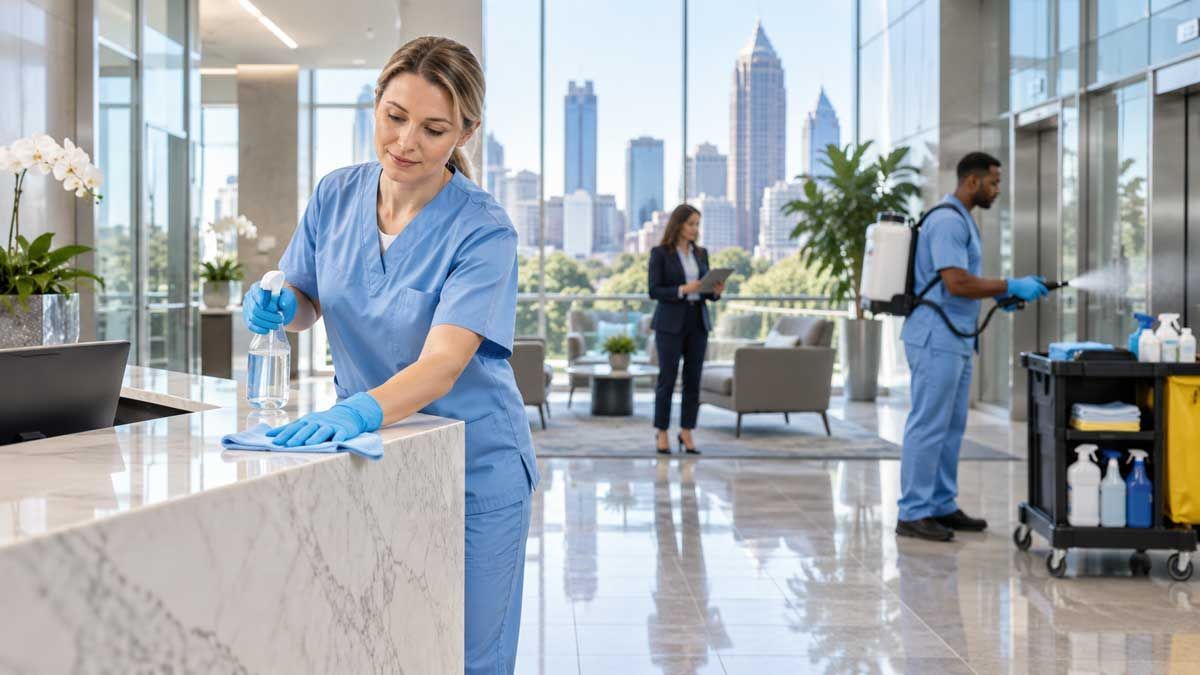
Electrostatic Sprayer Systems: Electrostatic sprayers can support more efficient application across suitable surfaces when used according to manufacturer instructions and product-label requirements. The charged particles can help distribute disinfectant across surfaces, including some hard-to-reach areas, when the technology is appropriate for the application.
UV-C Light Integration: While UV-C tools can help reduce microorganisms, they must be used with care since exposure can harm skin or eyes. You can use appropriately designed UV-C systems for controlled, after-hours applications or unoccupied treatment areas when the equipment is installed and operated according to manufacturer requirements.
Antimicrobial Surface Protection: Antimicrobial protectants, when used with regular cleaning and an appropriate EPA-registered disinfectant, can provide an additional layer of surface protection. These products should complement, rather than replace, routine cleaning and disinfection practices.
Training Staff on Protocol Compliance
Staff must know how to use disinfection tools and how to follow protocols established for Atlanta work sites. You get steady, consistent results with clear training and by checking that staff follow applicable procedures through ongoing review.
Annual OSHA Training: Employees should receive applicable OSHA training based on their job duties and exposure risks, with required training documented for compliance purposes. Bloodborne Pathogens training requirements apply to employees with reasonably anticipated occupational exposure.
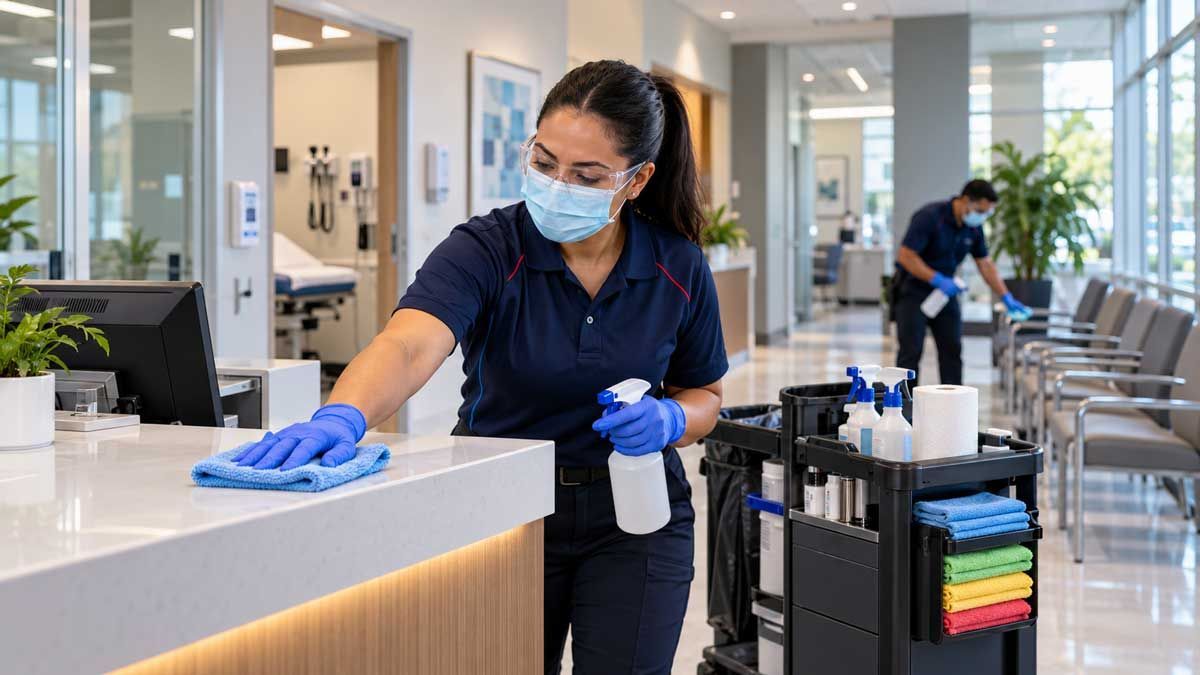
PPE and Chemical Use: You are trained on the right way to put on, take off, and dispose of PPE, plus safe chemical use according to applicable safety data sheets and product-label instructions.
Protocol Checks: Regular infection control drills and skill checks can help keep staff prepared for changing facility requirements, emergency events, or audits.
Area-Specific Guidance: Your team learns applicable procedures for high-risk zones and high-traffic areas, including healthcare environments where more stringent infection-control protocols may apply.
Documentation and Audits: There is a written record of each training session, along with regular housekeeping audits to support Environment of Care (EC) standards and facility-specific requirements.
Monitoring Indoor Air Quality Standards
After your employees learn to follow set rules, the next step is to monitor indoor air quality standards as part of disinfection upkeep. It helps support a safer and more controlled facility environment. Many commercial facilities in Atlanta use continuous air quality monitoring to watch for risk factors such as PM2.5, CO₂, and VOCs.
This type of monitoring supports ventilation decisions, especially after tasks such as post-construction cleaning or critical environment cleaning. Facility teams may also track temperature and humidity because these conditions can influence indoor environmental quality and moisture-related concerns.
Place monitors in areas you use and calibrate them as recommended for best results. Automated systems that link air quality monitors with HVAC controls can help support airflow adjustments when pollutant levels change. When combined with regular janitorial services, these measures help Atlanta building managers maintain healthier spaces and lower their risk profiles.
Customizing Solutions for Facility Types
Customizing solutions for facility types in Atlanta means adapting disinfection programs to specific operational and compliance needs. There are key parts that help you support steady, high-level results no matter the type of commercial environment.
Healthcare Environments: Protocols Focused on Patient and Staff Safety Healthcare settings need custom disinfection schedules that cover infection-prone zones and care workflows. Programs must account for headcount shifts, risk types, facility procedures, and applicable infection-control guidance to protect you, your staff, and your assets.
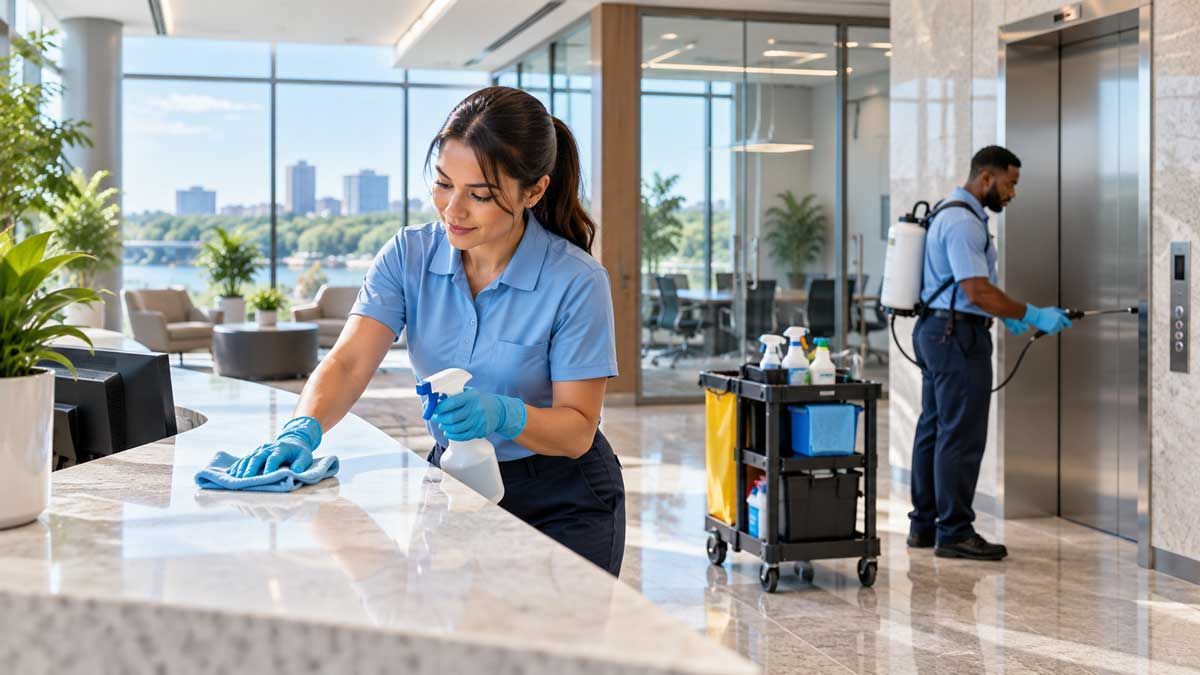
Office and Corporate Facilities: Alignment with Organizational Schedules Disinfection routines in corporate settings fit with shift changes and normal work hours, so you keep smooth operations. This approach helps you keep clear records, keeps steps easy for you and staff, and holds steady results across many offices or floors.
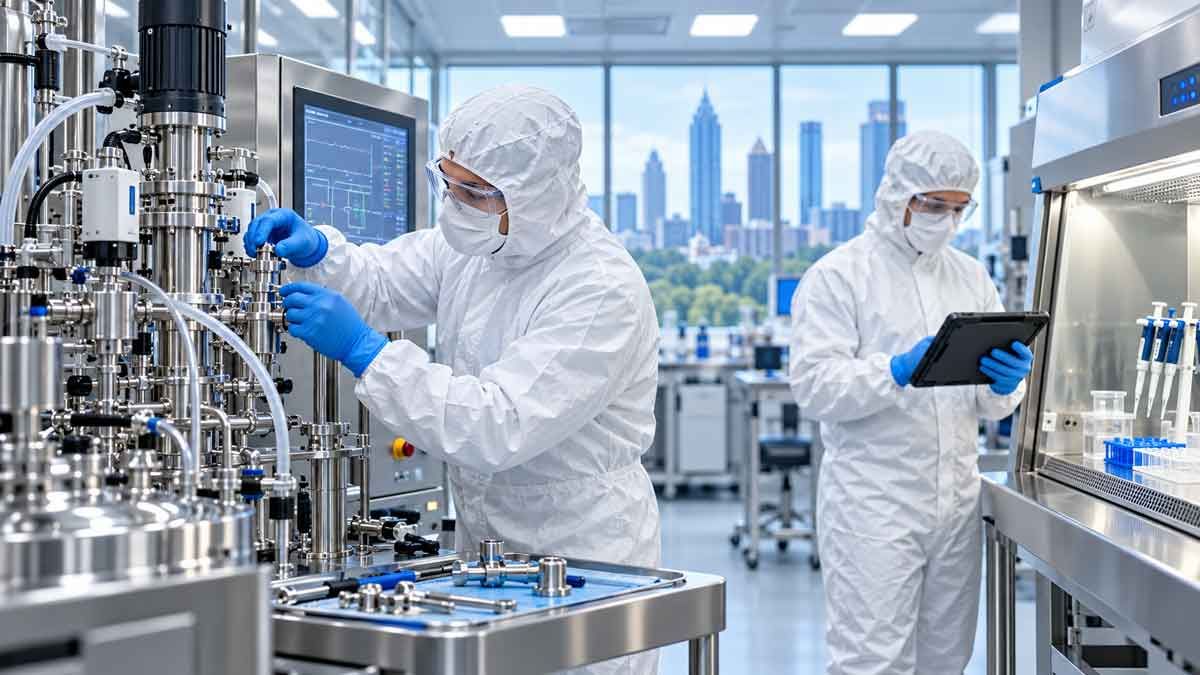
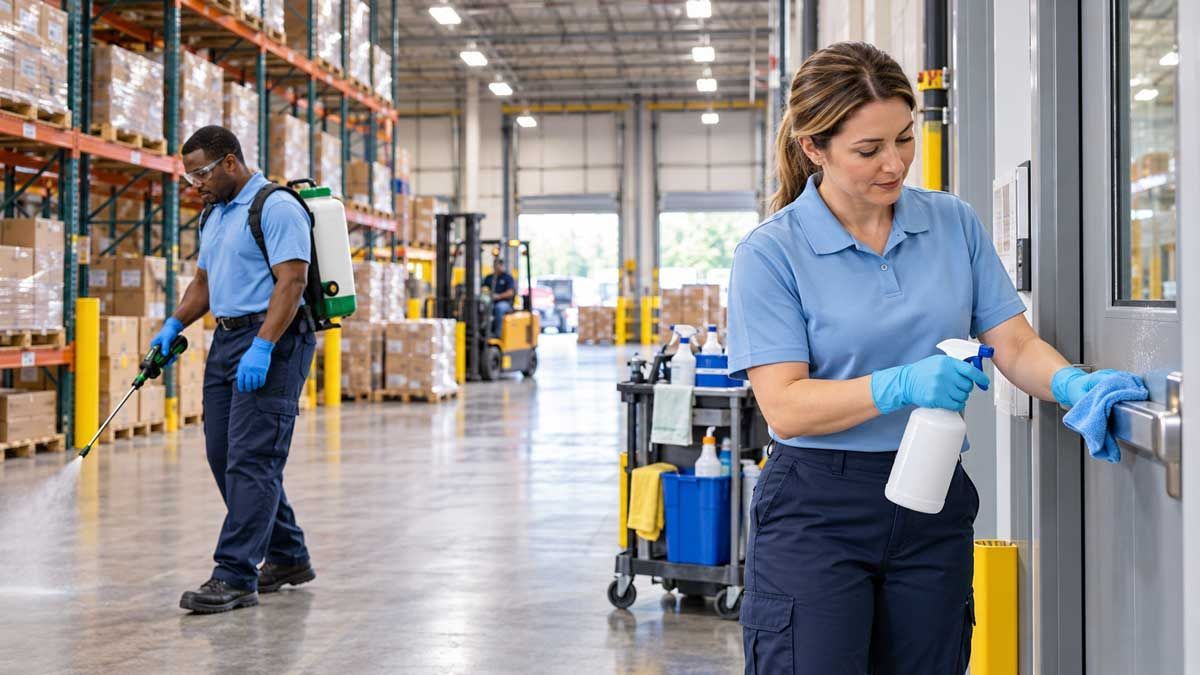
Industrial and Manufacturing Sites: Addressing Unique Process Areas Industrial sites often need special cleaning to reduce cross-contamination risks tied to production zones, equipment, or warehouse traffic. You can split tasks among teams and keep one source to help standardize work even as facility layouts and uses shift over time.
Tracking Results with Digital Maintenance Logs
Tracking results with digital maintenance logs is key for disinfection upkeep in Atlanta commercial facilities. It also turns routine cleaning checks into a source of clear, useful insights for you as a facility manager.
Standardized Records: With digital maintenance logs, you get a consistent record of completed steps through checklists that guide each service task. Every technician can review what's done and what is pending, which helps stop errors and mix-ups during turnover.
Data Accessibility: These logs make maintenance records accessible to you, new staff, and authorized inspectors when needed. The ease of pulling up past work means key information is available for process audits or compliance checks.
Trend Recognition: Over time, it becomes possible to spot repeat issues such as frequent equipment needs or seasonal cleaning requirements. Seeing these trends lets you adjust disinfection schedules, allocate resources with care, and help equipment last longer, which supports long-term operational consistency.
Prioritizing High Traffic Touchpoints Daily
Regular focus on high-traffic touchpoints is key to improving disinfection upkeep in Atlanta commercial facility operations. It supports efforts to reduce the spread of germs and helps maintain clean, compliant business spaces each day.
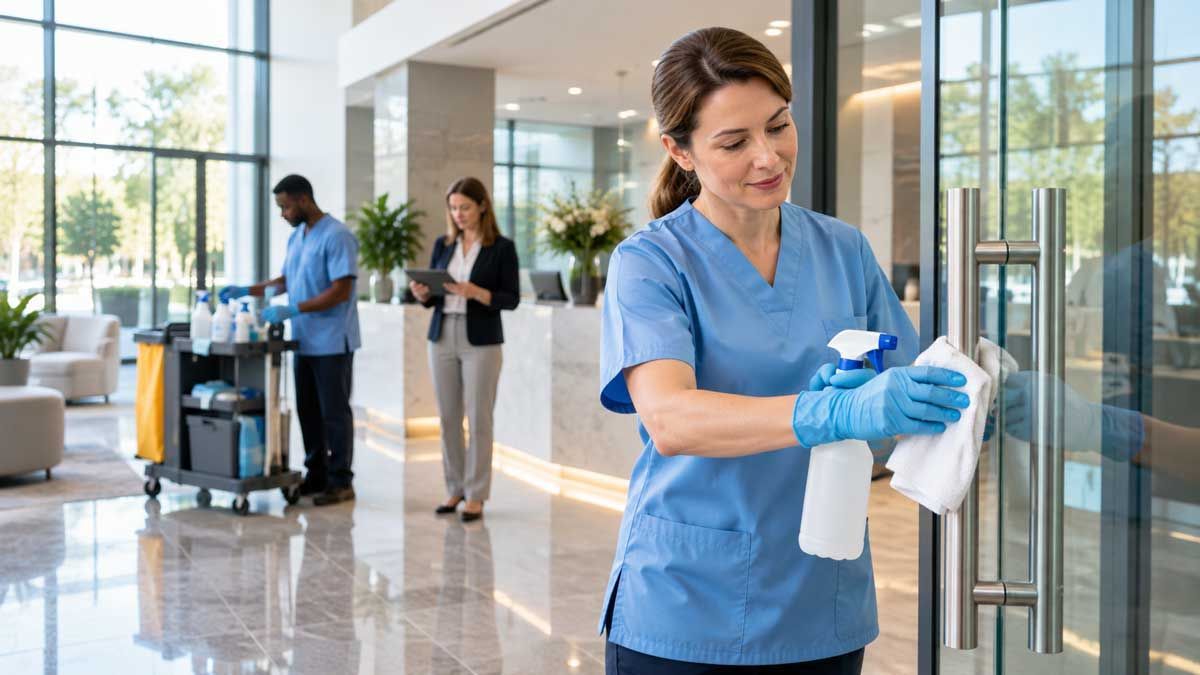
Map and Monitor High-Contact Surfaces Daily: You can spot frequently touched surfaces such as door handles, elevator buttons, tabletops, and shared equipment each day. Use real-world foot traffic data to shift tasks, since occupancy information can show which spaces get the most use.
Automate Cleansing for Round-the-Clock Coverage: Autonomous cleaning robots with smart path maps can support cleaning in busy spaces when appropriate, helping maintain consistent coverage without disrupting normal workflows. Their navigation technology can allow cleaning to continue while facilities remain operational, depending on the equipment and site requirements.
Use Workloading for Team Accountability and Results: If you plan staff and deploy gear based on up-to-date workloading data, you can achieve consistent hygiene and higher output. This clear plan makes sure each task fits use trends, with no gap in daily disinfection for key areas.
Implementing a consistent approach to optimizing disinfection maintenance supports efficient operations in Atlanta commercial facilities. Addressing high-touch areas and traffic points helps reduce exposure and maintain consistent facility conditions.
Each facility type presents unique risks. We customize our commercial cleaning services to suit industry-specific protocols and requirements. Performing regular audits helps identify gaps while protecting operational continuity across environments with sensitive equipment or compliance needs.
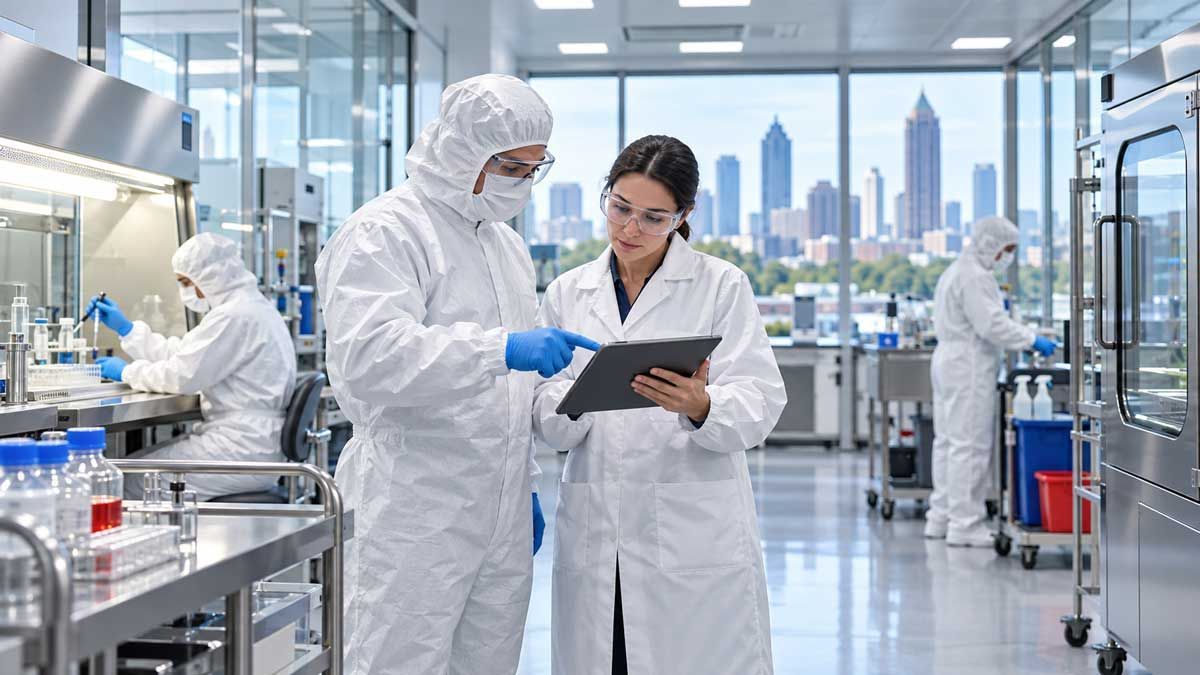
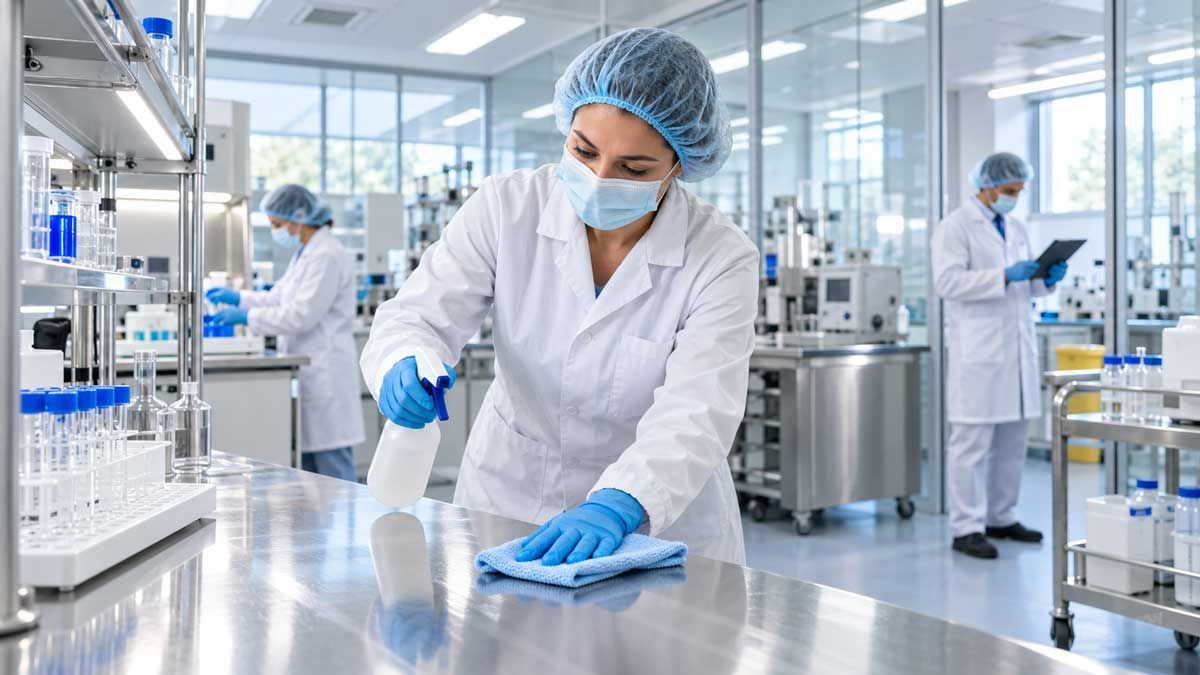
We have trained our teams to meet exacting standards for healthcare, critical environment cleaning, and regulated sites. Our experience covers Atlanta's healthcare, industrial, and high-occupancy commercial properties.
Facility leaders rely on us for risk mitigation through advanced disinfection strategies and data-supported process improvements. Cleanstar National Inc. helps drive optimal outcomes in disinfection maintenance for Atlanta's commercial facilities.
Cleanstar National: Expert B2B Cleaning Solutions for Atlanta's Critical Industries