How Does Commercial Disinfection Impact Insurance Compliance in Georgia?
Insurance compliance for Georgia businesses relies on more than policy paperwork and risk assessments. Regular disinfection can support documented safety practices, facility operations, and risk management across industries in Atlanta Metro.
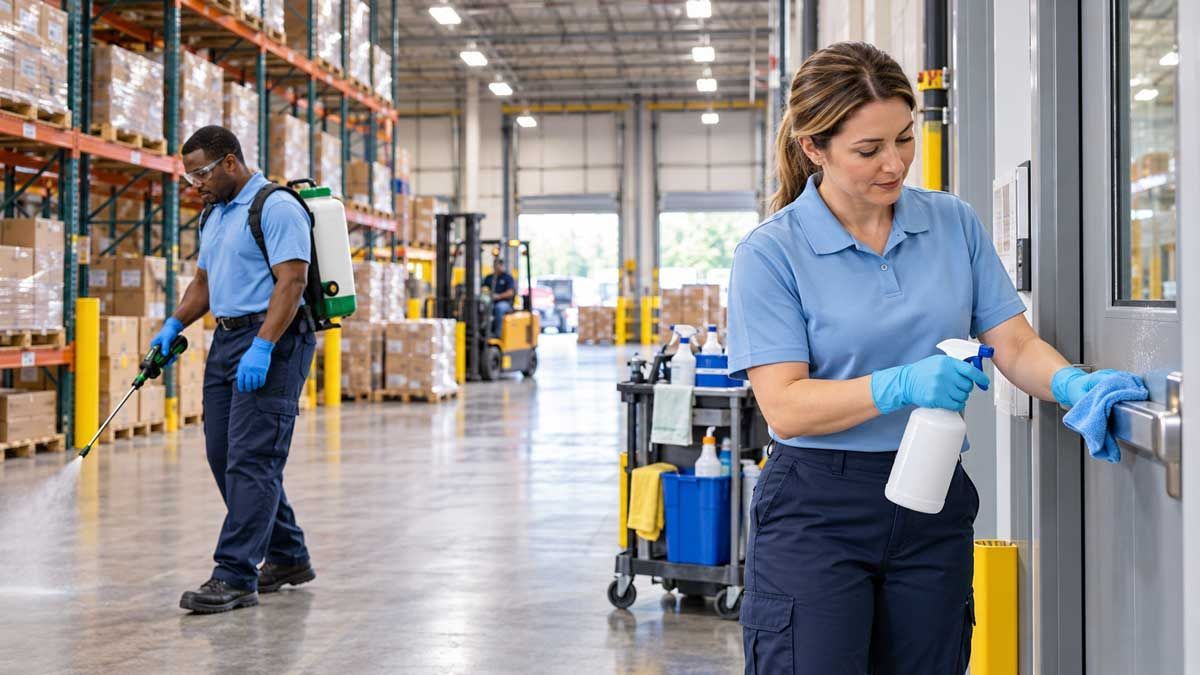
Proper commercial disinfection can help limit contamination risks and support workplace health practices when cleaning procedures are consistently applied and documented.
Insurers may consider documented risk-management practices when assessing commercial operations, particularly in high-traffic environments such as healthcare centers or technology facilities that rely on critical environment cleaning protocols.
Insurance requirements vary by policy and business type, so facility managers should review their specific coverage terms and documentation requirements when establishing sanitation and cleaning procedures.
If you can demonstrate consistent practices through detailed logs from providers offering
commercial cleaning services in Atlanta, these records can provide useful documentation during audits, risk reviews, or loss investigations.
These considerations make routine disinfection an important part of maintaining organized facility operations and documented risk controls in demanding commercial environments.
Reducing Liability Through Routine Disinfection
Routine disinfection plays a significant role in lowering potential liability risks for organizations in Atlanta. You face greater operational concerns when biohazards such as viruses or bacteria are left unchecked in workspaces.
Insurance policies can contain exclusions and limitations related to communicable diseases, biohazards, and other specific risks. Businesses should review their individual policies and understand which risk controls and documentation may be relevant to their coverage.
When appropriate, organizations can also review contractor insurance requirements and confirm that service providers maintain documentation relevant to the work being performed.
When you work with skilled providers of commercial cleaning services, like our team at Cleanstar National Inc, you support both day-to-day facility safety and organized risk-management practices.
Meeting Georgia Insurance Policy Requirements
Every insurance policy has specific terms and documentation requirements that affect insurers and commercial policyholders. You must make sure your plan for commercial cleaning or critical environment cleaning supports the terms and administration of your insurance agreements.
Policy Language and Disclosures: Review your insurance contracts carefully to understand required documentation, coverage terms, exclusions, and other conditions that may apply to your facility operations. Any commercial cleaning documentation for your site or facility should support clear, consistent recordkeeping.
Licensing and Provider Verification: Verify that commercial cleaning providers meet the applicable requirements for the services they perform. Keeping copies of relevant provider documentation and service records can be important if an insurer, auditor, or facility stakeholder requests supporting information.
Documentation and Recordkeeping: Maintain accurate records of procedures and contracted services tied to facility operations or risk management. Keep service logs and other relevant documentation so you can show the steps taken, especially in complex settings that require data center cleaning services.
Improving Workplace Safety for Compliance
Workplace safety is essential when you seek insurance compliance in Georgia, with a strong focus on risk controls for commercial sites. Commercial disinfection can support these practices and help Atlanta Metro businesses maintain consistent facility procedures.
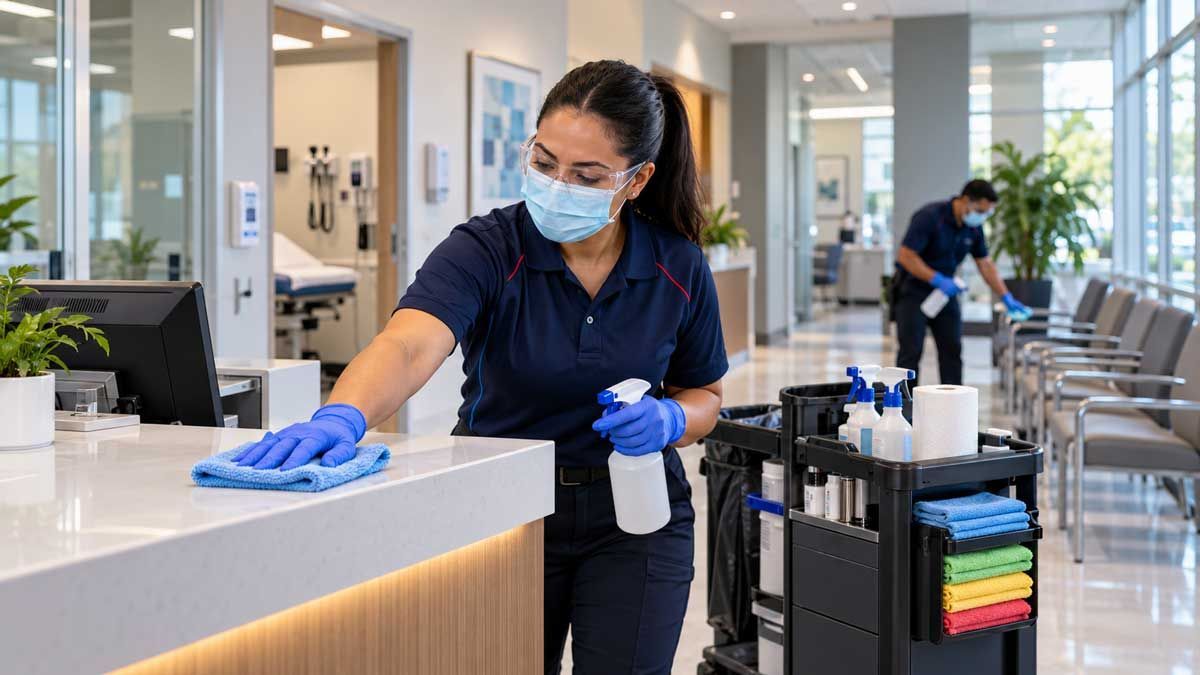
Reduce Contamination Risks: High-touch disinfection of work areas can help reduce contamination and support workplace health practices in commercial environments.
Protect Building Occupants: Regular cleaning and disinfection can support a cleaner environment for staff and visitors when appropriate procedures are followed.
Maintain Professional Facility Standards: Property managers benefit from consistent, logged disinfection records that demonstrate a clear commitment to established standard operating procedures.
Lower Hazard Claims: Consistent cleaning practices and documentation can support broader facility risk-management efforts and provide useful records when incidents or concerns are reviewed.
Support Regulatory Facility Audits: Up-to-date cleaning logs can help facilities demonstrate that established cleaning procedures are being followed during relevant inspections or internal audits.
Boosting Insurability With Documented Cleanliness
Documented cleanliness can support your risk-management process because it gives insurers and facility stakeholders clear records to review. Proper logs from professional commercial cleaning teams show the steps taken to maintain facility standards.
Having these records lets underwriters and other reviewers assess a consistent, system-led process. Cleanstar National Inc. keeps records to show regular data center cleaning, janitorial services, and critical environment cleaning in complex spaces.
Insurers may request documentation relevant to your policy and risk profile, not just verbal assurances from managers. Well-organized cleaning logs can reduce questions about procedures, identify documentation gaps, and support audit-ready standards for your operation.
Medical, data, and educational facilities can benefit from maintaining regular records of cleaning activities. The difference lies in turning day-to-day cleaning into clear risk-control documentation that supports consistent facility management.
Impact on Claim Approvals and Denials
Claim approvals and denials are important considerations for many Atlanta Metro businesses, particularly when commercial insurers review the circumstances surrounding a loss. It is key to understand how a strong commercial disinfection program can contribute to organized documentation and risk management.
Reduced Denial Risk Through Documentation: Insurers may request supporting documentation when reviewing a claim. When you keep steady disinfection records with date, time, and service details, you provide clear evidence of the procedures performed at your site.
Streamlined Appeals for Disputed Claims: Disputed claims can involve administrative issues or questions about facility records. Detailed service logs and signed work orders can help you quickly locate relevant documentation during the claim review or appeals process.
Lower Likelihood of Disputes With Insurers: Professional commercial cleaning services can help facility managers maintain consistent records and preventive cleaning procedures. Clear documentation can reduce uncertainty when cleaning records are reviewed as part of a broader facility or insurance assessment.
Audit Preparation With Regular Disinfection Records
Keeping clear records of regular disinfection helps your business stay organized and supports compliance-related documentation for insurance in Georgia.
Evidence for Audit Review: Up-to-date disinfection logs show your facility's proactive approach to cleaning procedures. These records give auditors access to documentation showing that established sanitation protocols are being maintained.
Ongoing Risk Assessment Support: Regular cleaning records help support a consistent review of facility risk controls. Insurance companies may use available documentation when assessing a business's operations and risk profile. Timely logs can provide useful evidence of actual cleaning practices.
Enhancing Operational Consistency: Consistent record-keeping of disinfection helps you use the same established practices across locations. You face less uncertainty during insurance or internal audits when sites use a shared tracking process. Regular documentation also reduces last-minute efforts to reconstruct service history.
Aligning Disinfection Protocols With Insurer Guidelines
The records kept for regular disinfection can make your next insurance audit more organized. By reviewing protocols against your insurer's requirements, you can support consistent work and risk management across sites.
Review Insurer Requirements: Review your policy and speak with your insurance representative to determine what documentation and cleaning practices are relevant to your commercial operation.
Match Protocols to Guidelines: The protocols kept by Cleanstar National Inc. can be organized around the cleaning requirements of your facility, including considerations related to chemical use, frequency, and method where applicable.
Train and Certify Staff: Solid staff training helps you make sure all staff understand established cleaning procedures and helps reduce gaps in day-to-day operations.
Document Every Procedure: Full and timely records give clear evidence of the cleaning procedures performed at your facility and can support internal reviews, audits, and insurance-related documentation.
Maintaining insurance compliance remains an important consideration for Atlanta Metro businesses. Critical environment cleaning and data center cleaning can contribute to consistent facility standards and documented risk controls. Commercial disinfection addresses an important part of maintaining clean, organized commercial environments.
Businesses should maintain documentation that accurately reflects their cleaning procedures and operational requirements. Consistent records can help facility managers demonstrate that established cleaning practices are being followed.
Proper janitorial services can support commercial facilities by maintaining consistent cleaning procedures and documentation. Detailed records of your cleaning protocols can help organize information needed for facility reviews and insurance-related audits.
Working with Cleanstar National Inc. means your building benefits from structured cleaning processes and tracking systems. As insurance requirements and facility needs evolve, businesses throughout Atlanta Metro must maintain clear procedures and documentation.
Our commercial cleaning services help support facility risk management and organizational resilience. Insurance compliance is not a matter of chance.
Cleanstar National: Expert B2B Cleaning Solutions for Atlanta's Critical Industries