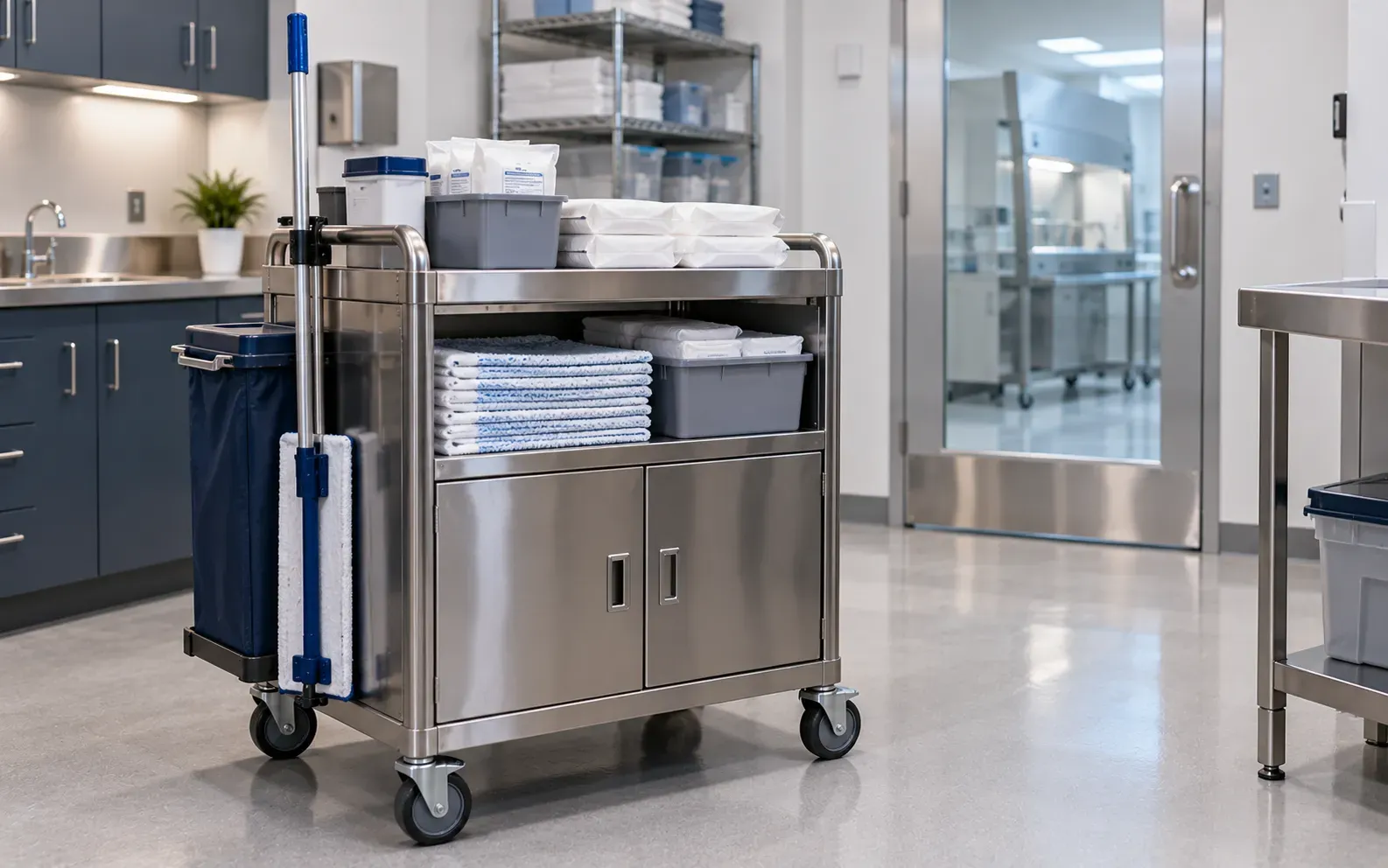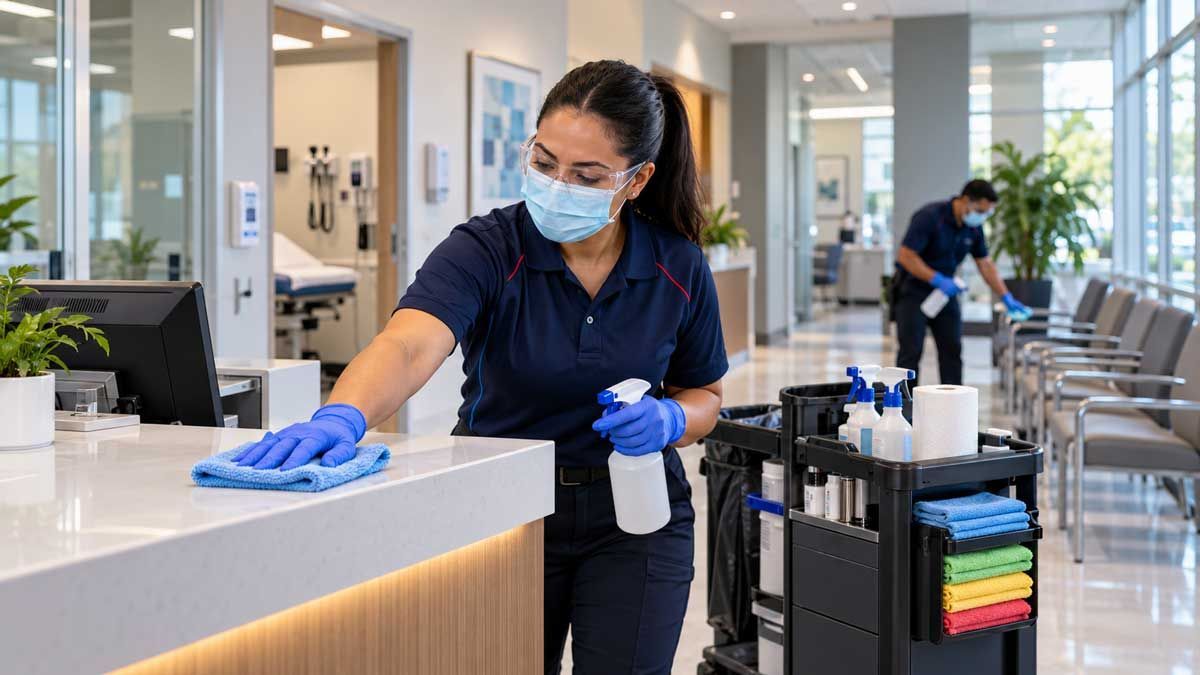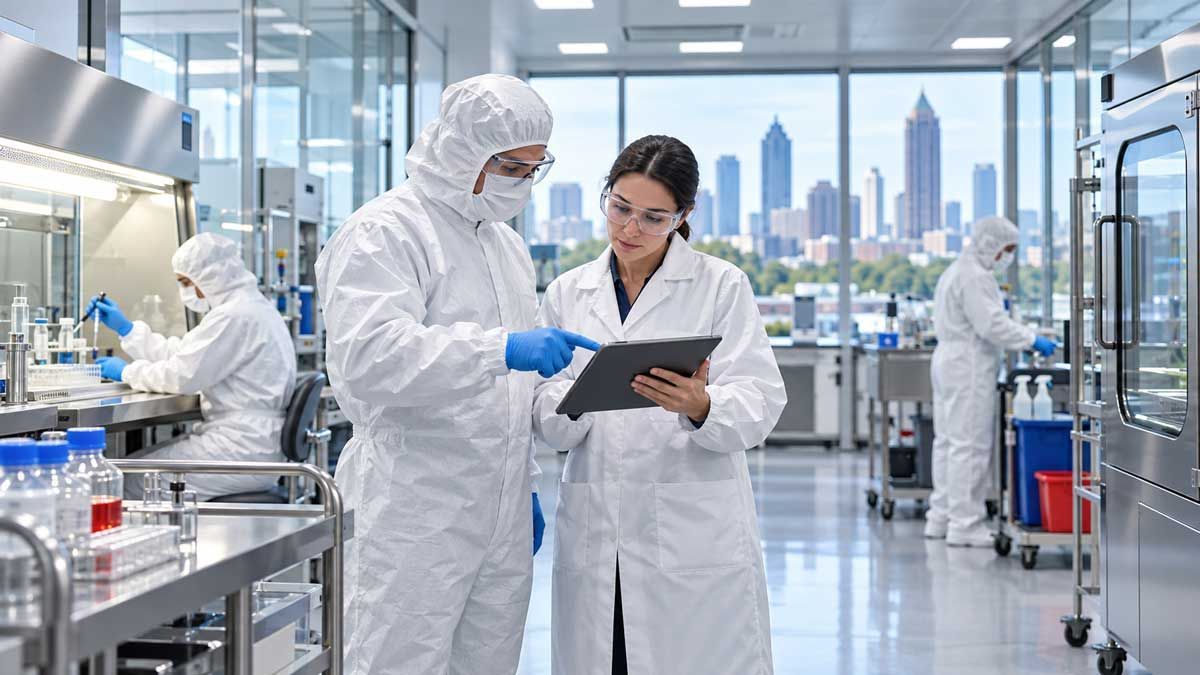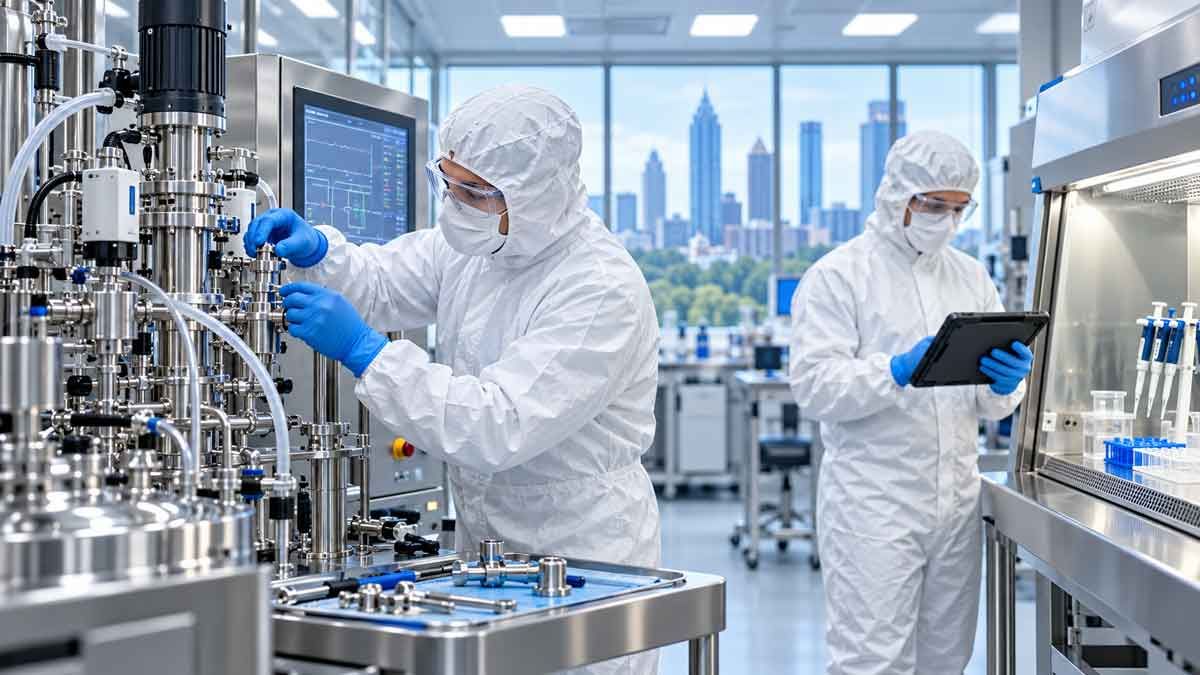
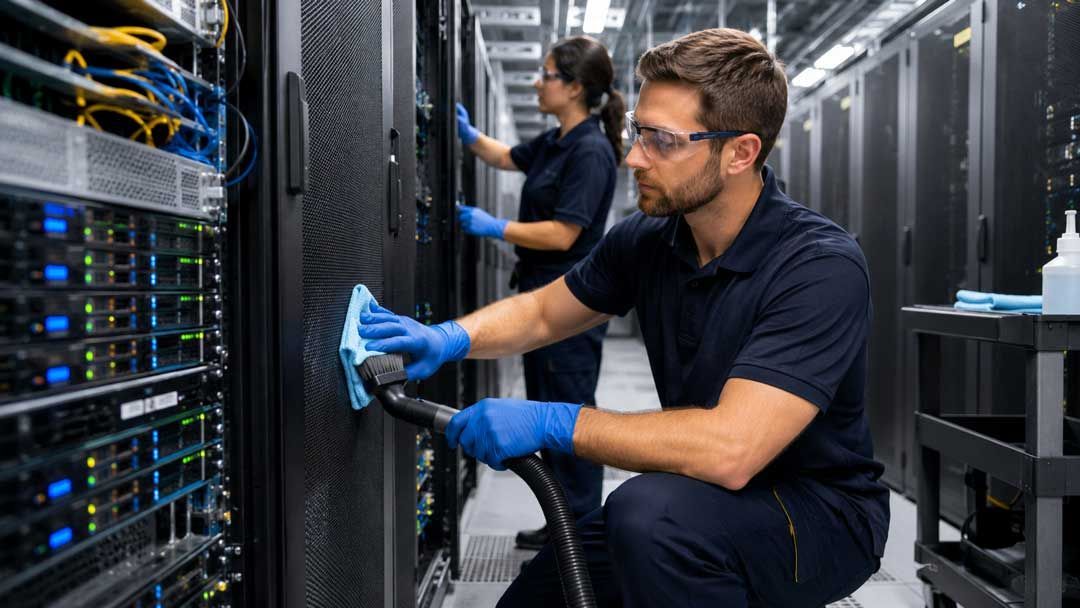
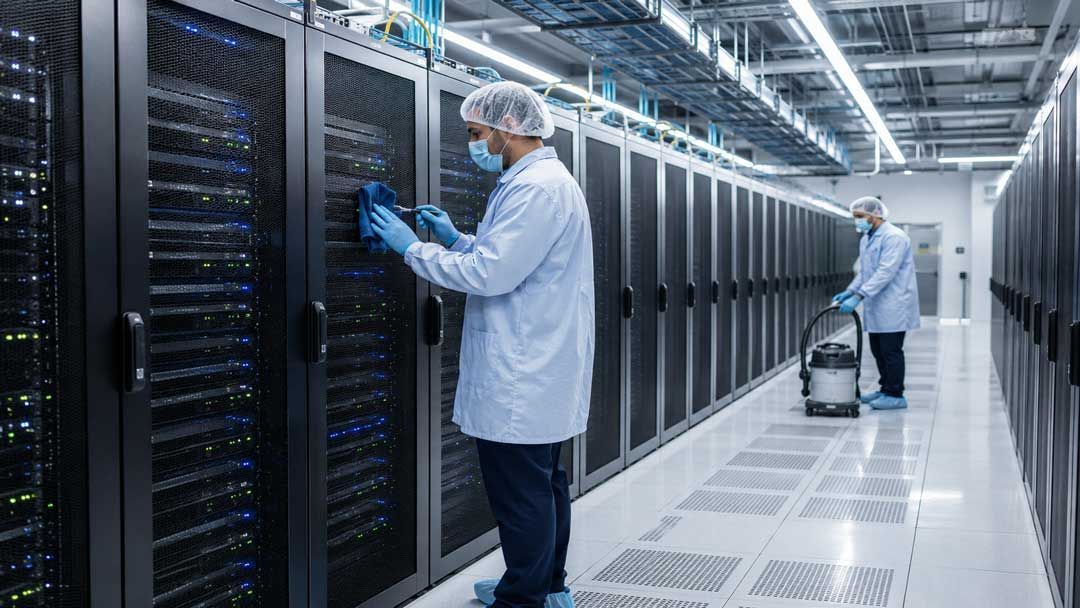
The difference between standard commercial cleaning and data center decontamination is the margin of catastrophic hardware failure. Standard janitorial crews use traditional vacuums and wet mops that generate electrostatic discharge and introduce airborne contaminants. Enterprise data center decontamination requires HEPA-filtered extraction, static-dissipative chemistry, and ISO 14644-1 compliant protocols to protect millions of dollars in mission-critical IT infrastructure.
The Hidden Threat of "Zinc Whiskers"
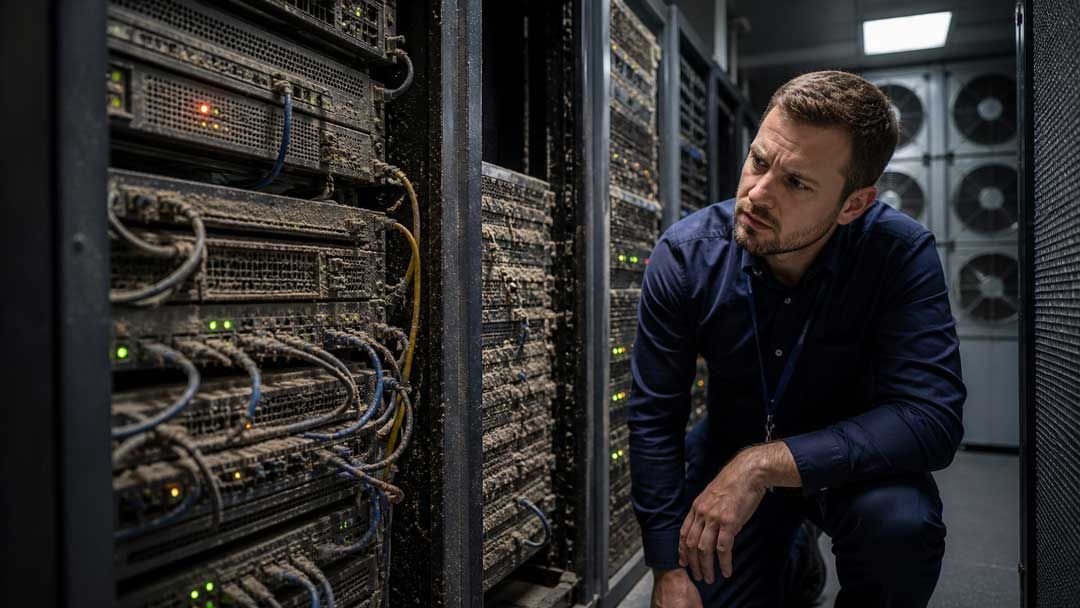
As raised access floor tiles age, they undergo a metallurgical phenomenon where microscopic zinc structures—known as "zinc whiskers"—grow on their undersides. These structures are highly conductive.
When an untrained cleaner uses a standard broom or non-HEPA vacuum in the sub-floor plenum, these whiskers break off, become airborne in the CRAC (Computer Room Air Conditioning) units, and are pulled directly into your servers. The result? Unexplained microscopic short-circuits, corrupted data, and costly downtime.
ASHRAE TC 9.9 & ISO 14644-1: The Vendor Vetting Baseline
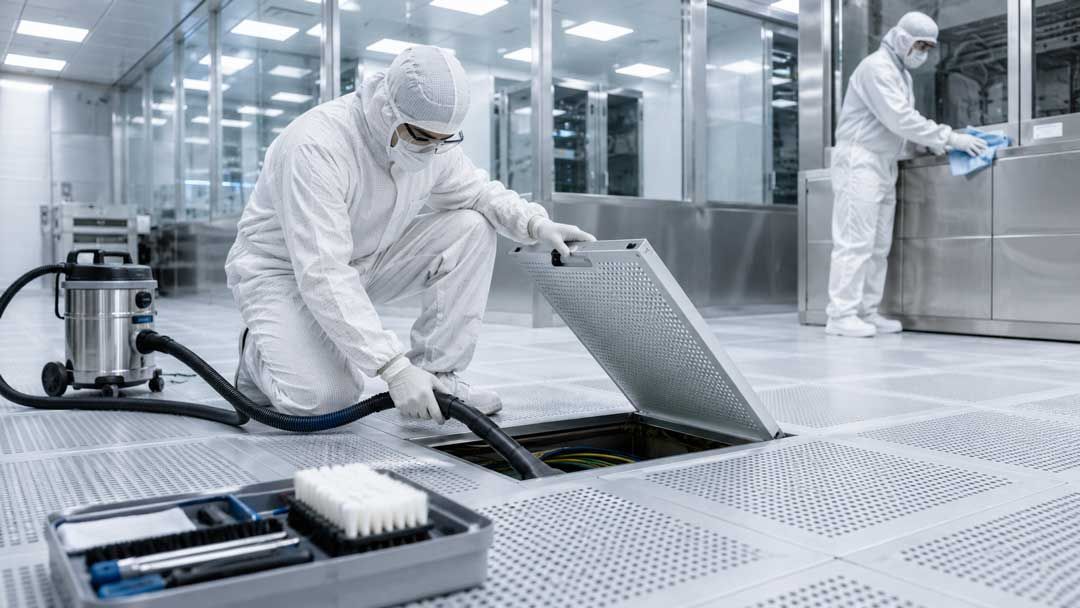
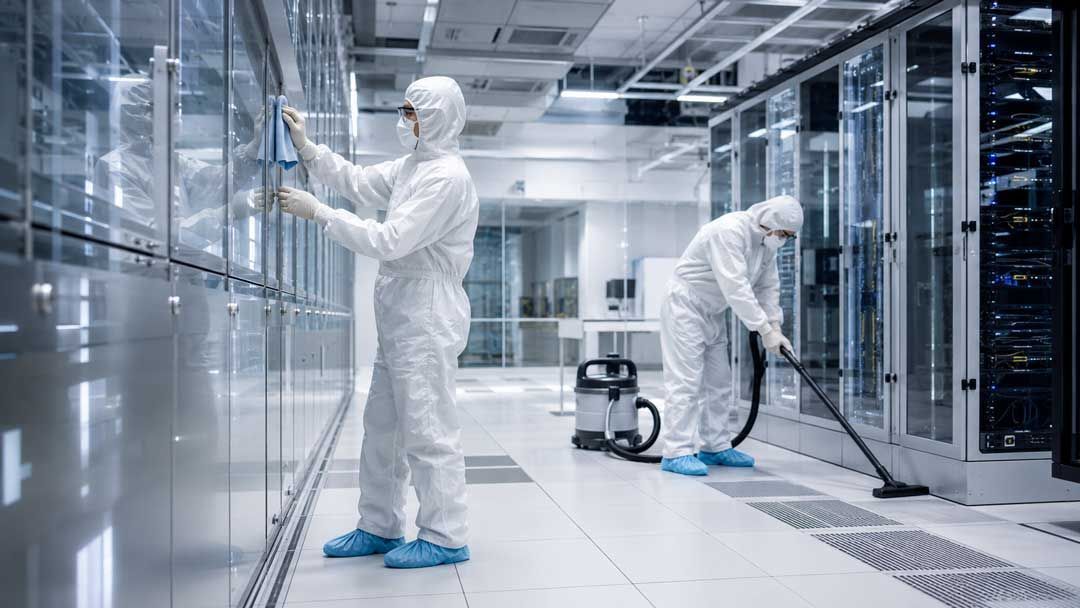
Fortune 5 procurement teams don't search for "cleaning"—they search for compliance. A tier-one facility partner must base their operational procedures on ASHRAE TC 9.9 guidelines and ISO 14644-1 Class 8 standards. This dictates everything from the micron rating of the filtration systems used, to the exact chemical composition of the anti-static floor finishes applied to your raised tiles. If your current vendor doesn't know these acronyms, your facility is actively at risk.
The Critical Environment Decontamination Protocol
Protecting AI infrastructure and hyper-scale environments requires a scientific approach to particulate control. Cleanstar National executes a stringent three-tiered protocol:
Protect Your Mission-Critical Assets
Stop trusting million-dollar hardware to standard janitorial contracts. Deploy Cleanstar National’s specialized critical environment fleet for zero-defect sanitation.