Cleaning Lapses Can Paralyze Critical Systems
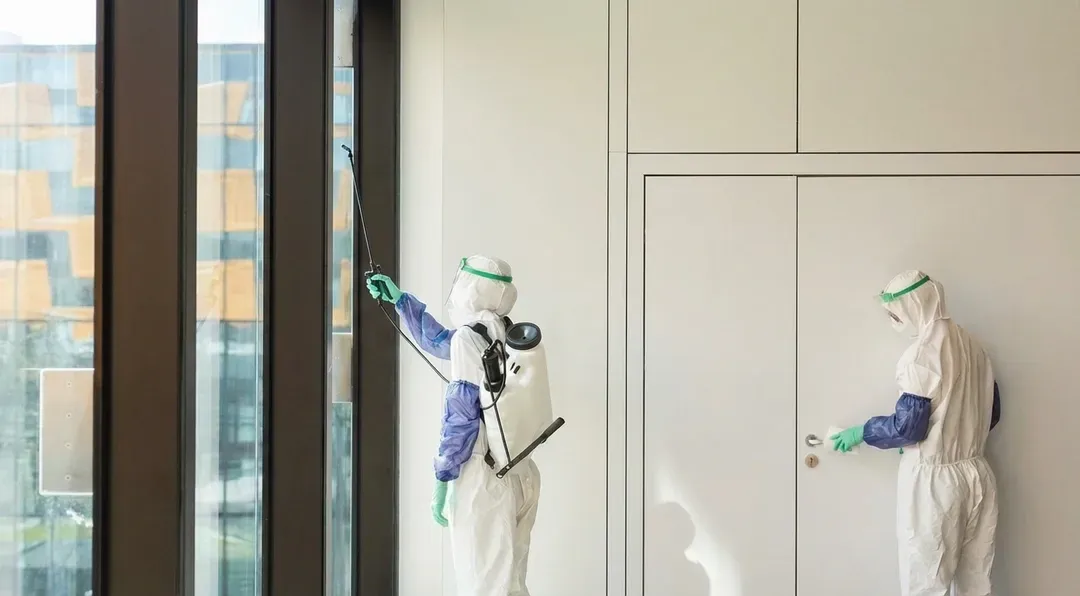
Even a single missed cleaning step can threaten the stability of key systems. Facilities across regulated industries rely on disciplined, repeatable protocols to maintain uptime and compliance. In Metro Atlanta, technology hubs, healthcare campuses, hyperscale data centers, and advanced manufacturing environments face measurable risk when mission-critical cleaning programs are not executed precisely.
Research continues to show that a significant portion of unplanned outages can be traced back to human error or deferred maintenance, including gaps in environmental control that initially appear minor. Facility managers across enterprise portfolios have reported substantial losses when dust, debris, and construction residue were not fully removed from white space, mechanical rooms, or power distribution areas during post-construction cleaning or daily operational cycles.
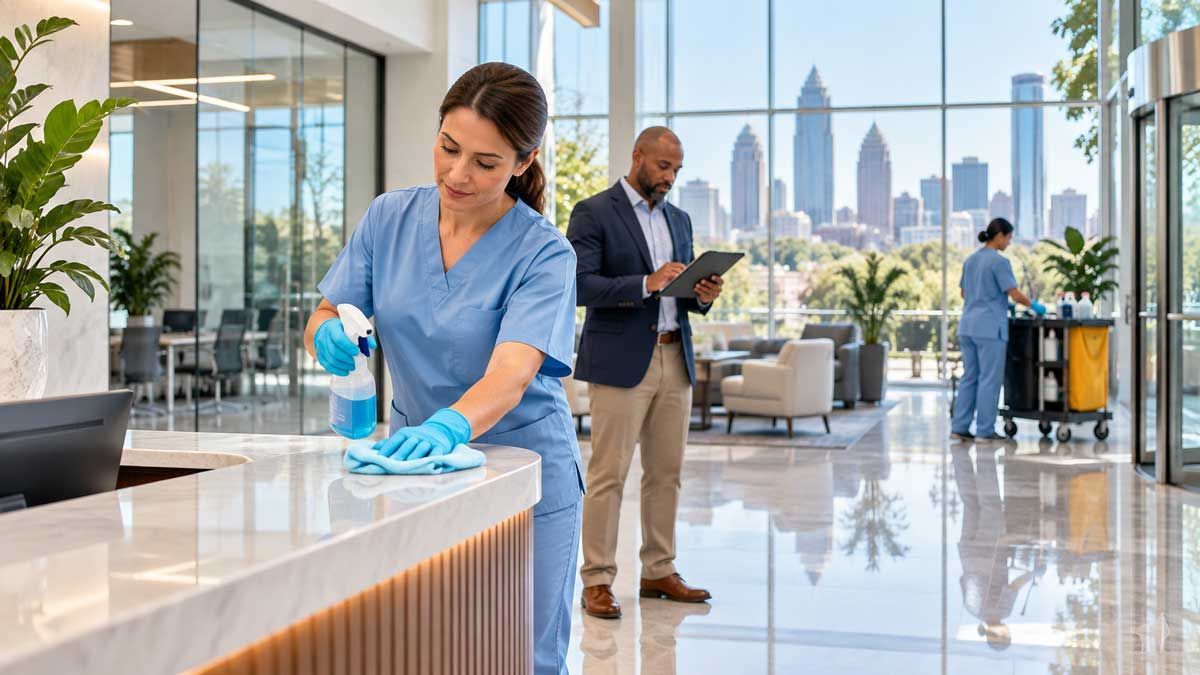
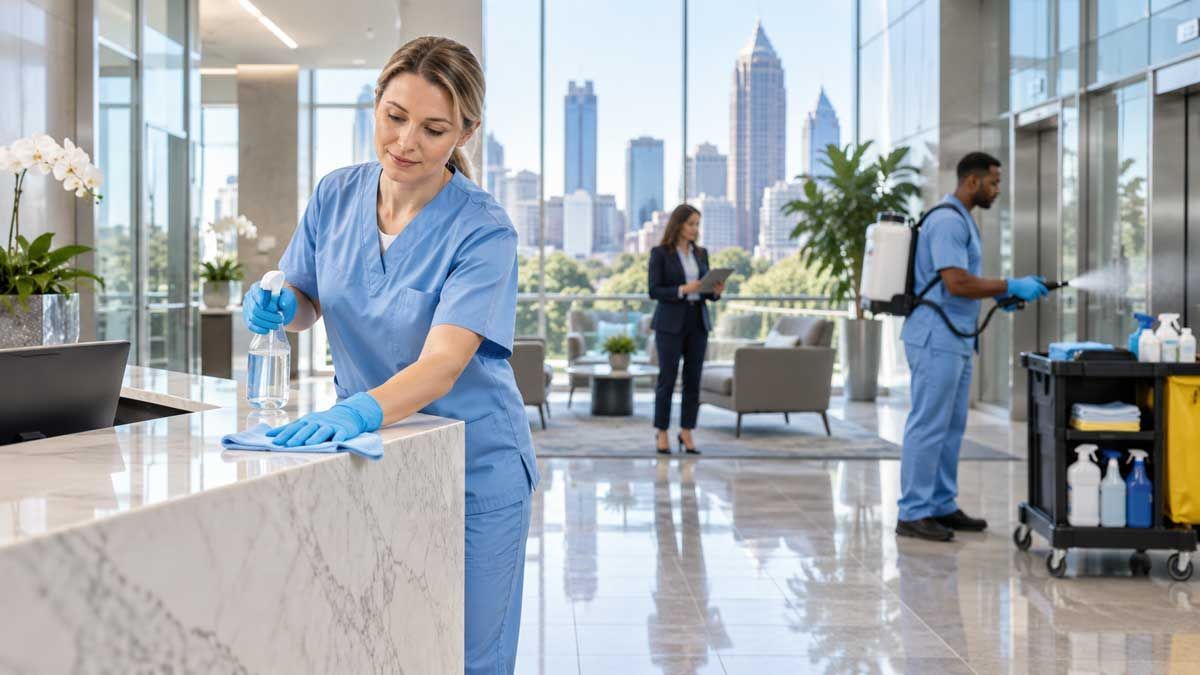
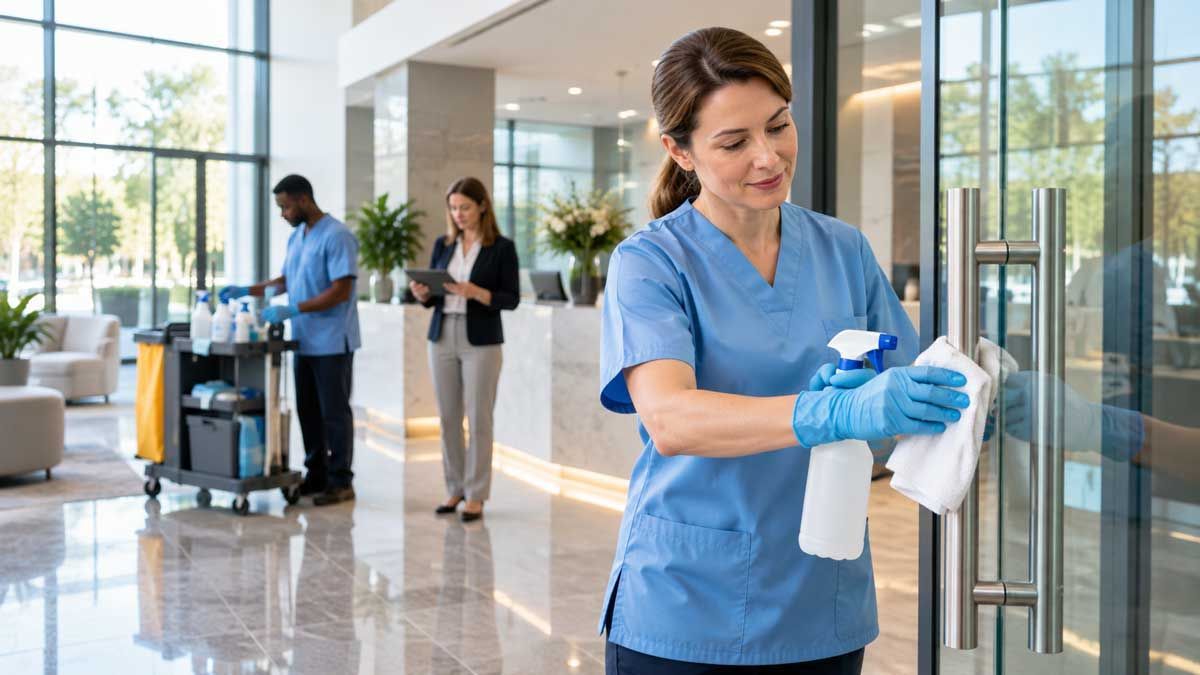
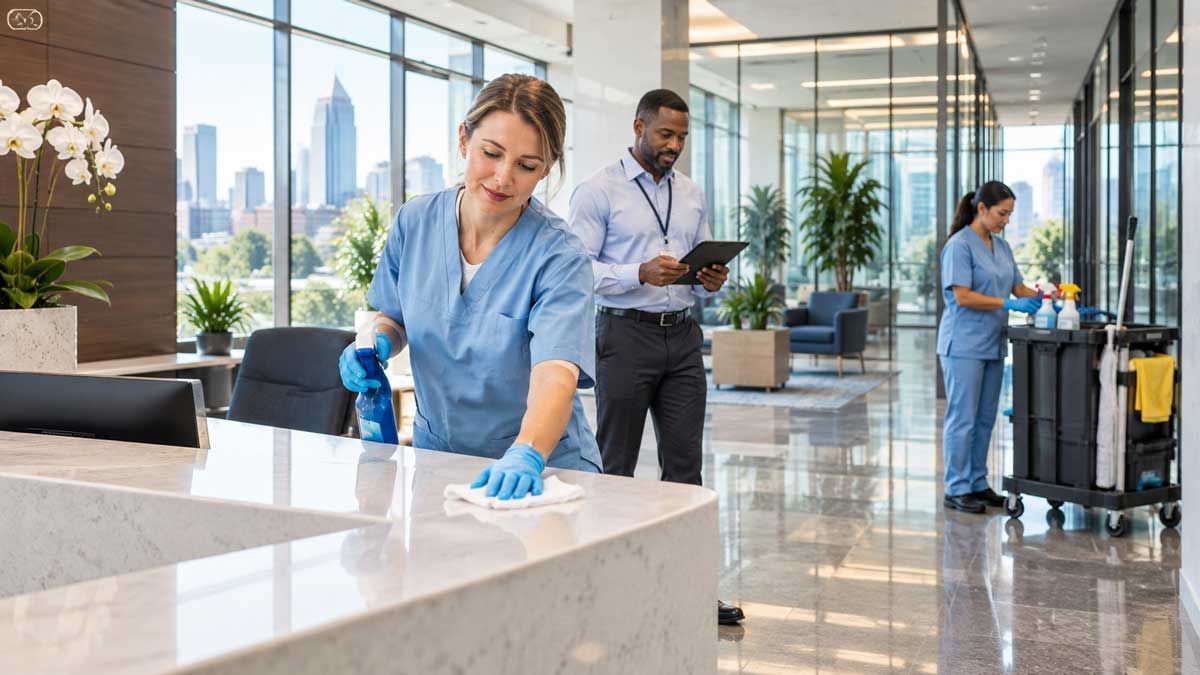
When organizations engage professional commercial cleaning services that Atlanta enterprises depend on, those providers must operate under OSHA, ISO, EPA, and GMP-aligned frameworks. The margin for error in a mission-critical environment is narrow. Small lapses compound quickly and can escalate into costly operational disruption.
Impact of Cleaning Lapses on Critical Systems
Cleaning lapses produce measurable consequences inside high-performance environments. In regulated spaces, critical environment cleaning in Atlanta is not cosmetic maintenance. It is an operational risk control. Below are the primary impacts observed when contamination control protocols are not executed at enterprise standards.
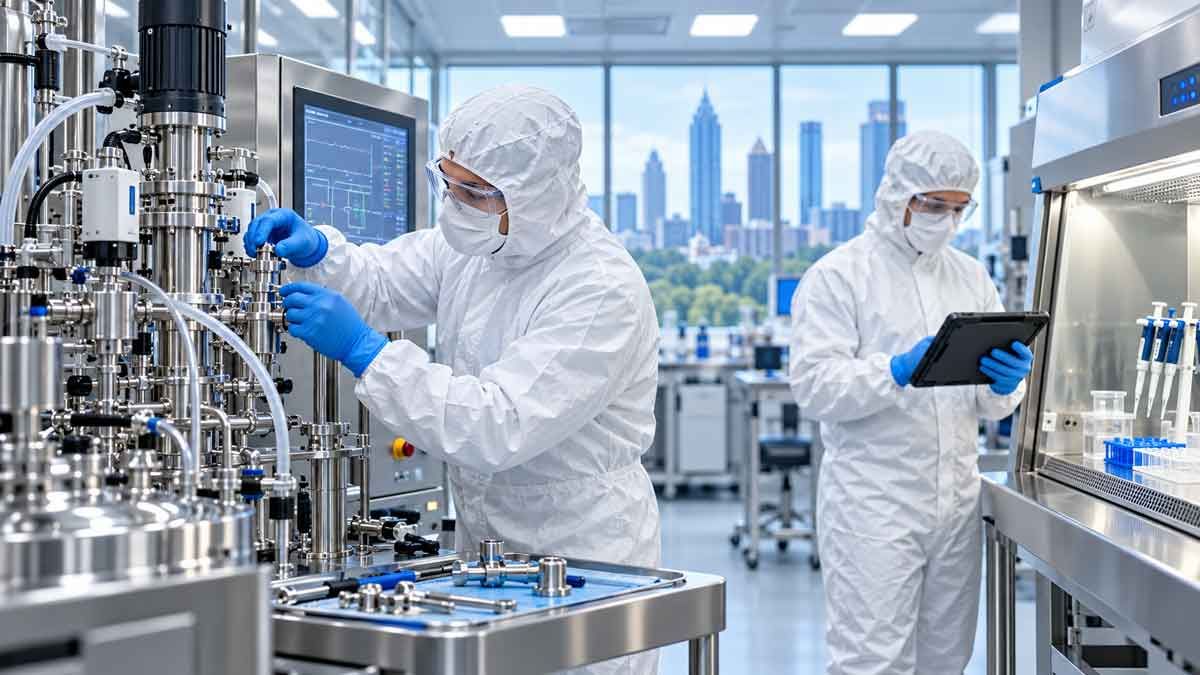
System Contamination and Failure: Dust and airborne debris infiltrate sensitive infrastructure, including data centers and controlled laboratories. Even minimal particulate buildup contributes to overheating, static discharge events, or data instability. Industry research confirms that environmental contamination remains a persistent contributor to downtime incidents.
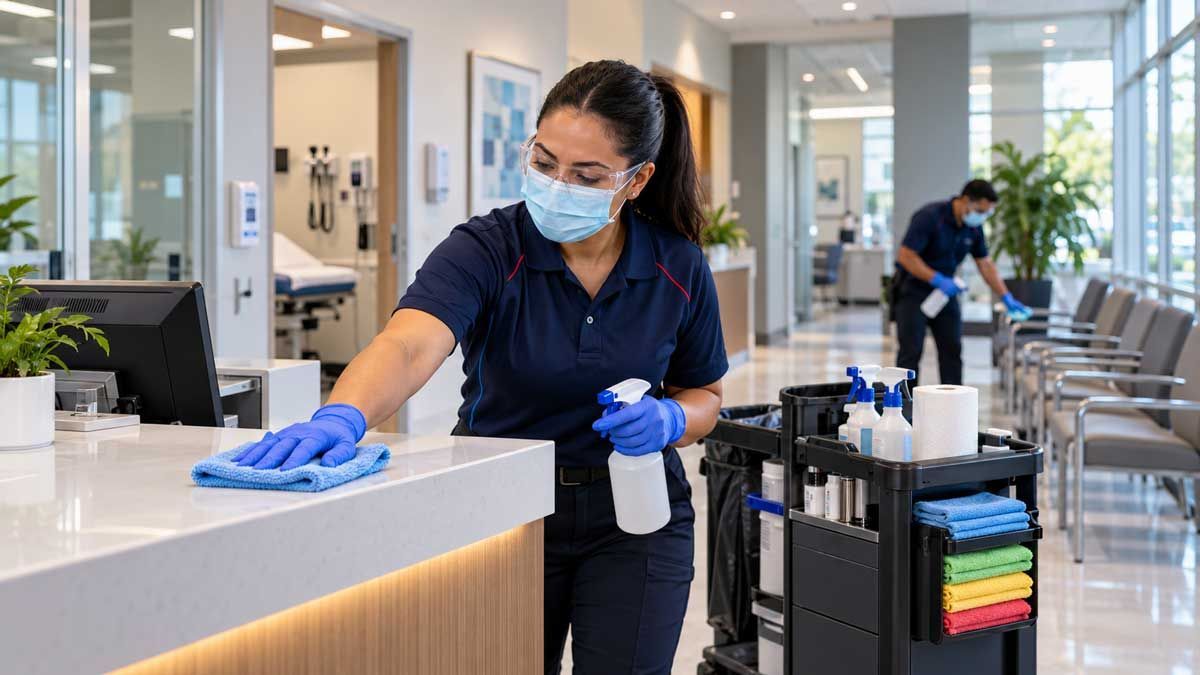
Health Hazards for Personnel: Inadequate environmental cleaning allows bacteria, mold spores, and fine particulates to accumulate in enclosed workspaces. Poor indoor air quality affects workforce safety, increases absenteeism, and introduces compliance exposure in healthcare and life sciences facilities. In these settings, medical cleaning services in Atlanta play a critical role in maintaining safer, controlled environments.
Operational and Financial Exposure: Improper or delayed cleaning damages equipment, shortens hardware lifespan, and increases maintenance cycles. Unplanned outages in mission-critical spaces can cost thousands of dollars per minute, amplifying the financial impact of what initially appeared to be minor oversight.
In mission-critical operations, contamination rarely announces itself. The damage accumulates silently until performance is compromised.
Risks of Neglecting Critical Environment Cleaning
The risks extend beyond productivity loss when contamination control is deferred. Failure to implement disciplined mission-critical facility cleaning protocols exposes infrastructure, personnel, and compliance standing.
Thermal and Airflow Disruption: Dust accumulation restricts airflow in raised floor systems, cable trays, and cooling units. Elevated temperatures increase the likelihood of hardware failure and unexpected shutdowns.
Hardware Degradation: Industry findings show that environmental contaminants are directly linked to a significant percentage of hardware reliability failures in data centers. Microscopic debris is not surface-level grime. It is a performance risk.
Chemical and Construction Residue Exposure: Post-construction environments may retain particulate matter, chemical residue, and fine debris in plenum spaces and mechanical zones. Without structured removal, these materials compromise indoor air quality and equipment integrity.
Accelerated Wear and Maintenance Costs: Abrasive particles degrade surfaces and moving components over time. Facilities that lack contamination control often face higher repair frequency and unplanned capital expenditures.
Neglect does not produce immediate collapse. It produces cumulative failure.
Importance of Regular Cleaning in Atlanta Facilities
Consistent environmental cleaning programs in Atlanta facilities protect uptime, regulatory alignment, and operational stability. In high-density computing and healthcare environments, discipline determines resilience.
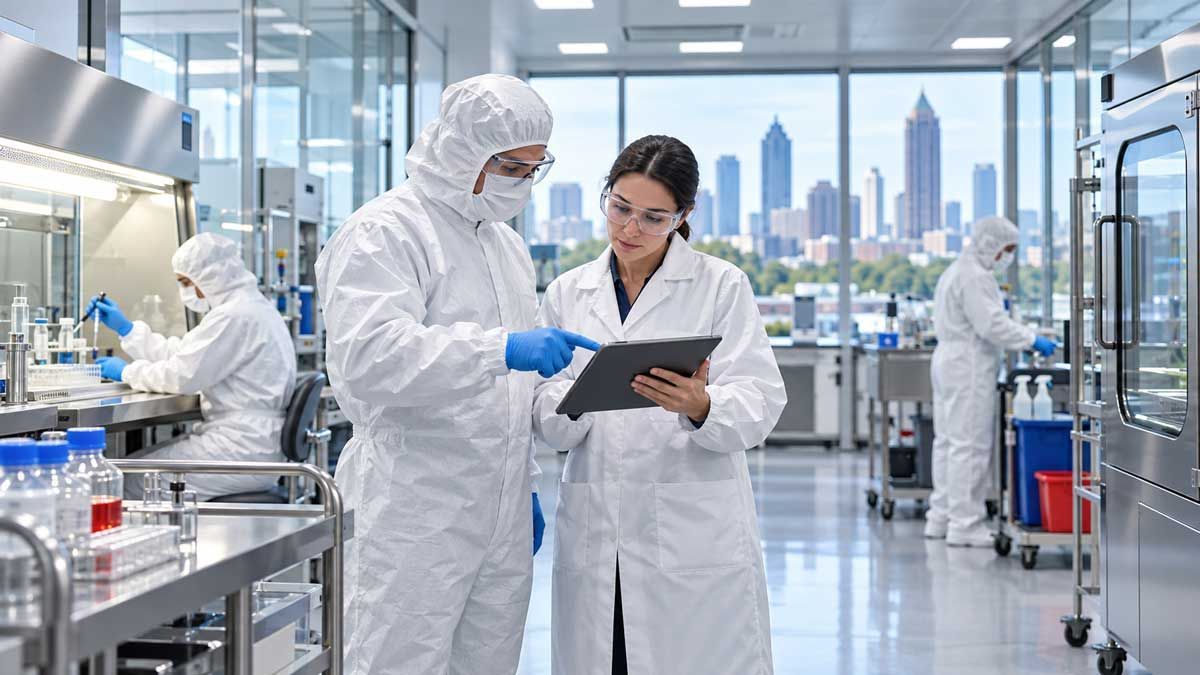
Infection Control and Workforce Safety: Healthcare and life sciences facilities require structured sanitation programs to maintain controlled environments. Data demonstrates that disciplined cleaning cycles reduce workplace-acquired illness and stabilize operational continuity.
Regulatory Compliance Alignment: Facilities operating under OSHA, EPA, ISO 14644, and GMP oversight must maintain documented cleaning records. Regularly executed programs support audit readiness and reduce regulatory exposure. Organizations reviewing these risks can also explore the environmental consequences of noncompliance.
Infrastructure Protection and Brand Integrity: Cleaning quality directly impacts equipment longevity, asset value, and enterprise reputation. In an environment where a single operational failure can trigger reputational damage, contamination control protects both infrastructure and brand.
In Atlanta’s expanding technology and healthcare corridors, environmental discipline is foundational to long-term performance.
Consequences of Poor Cleaning Practices
Mission-critical facilities operate with limited tolerance for environmental error. Lapses introduce cascading effects across infrastructure and compliance frameworks.
Contamination of Sensitive Equipment: Insufficient data center cleaning allows dust buildup within server racks, switchgear, and cooling systems, increasing the probability of hardware failure.
Workplace Safety Incidents: Debris, moisture, and clutter contribute to preventable workplace injuries. Structured janitorial services in Atlanta help reduce these exposure points.
Compliance and Audit Failures: Missed cleaning protocols can place facilities out of alignment with ISO 14644 or EPA standards, jeopardizing regulatory standing.
Reduced Equipment Longevity: Accumulated contaminants strain HVAC systems and filtration infrastructure, shortening equipment lifespan and increasing energy consumption.
Reputational Damage from Downtime: Organizations experiencing facility-related downtime frequently report long-term client trust erosion and revenue impact.
Operational paralysis rarely stems from a single dramatic failure. It often begins with an overlooked environmental discipline.
Benefits of Professional Cleaning Services
Enterprise-grade cleaning programs deliver measurable operational protection. Specialized providers trained in regulated environments bring structured methodologies and documented execution models that internal teams may not maintain consistently.
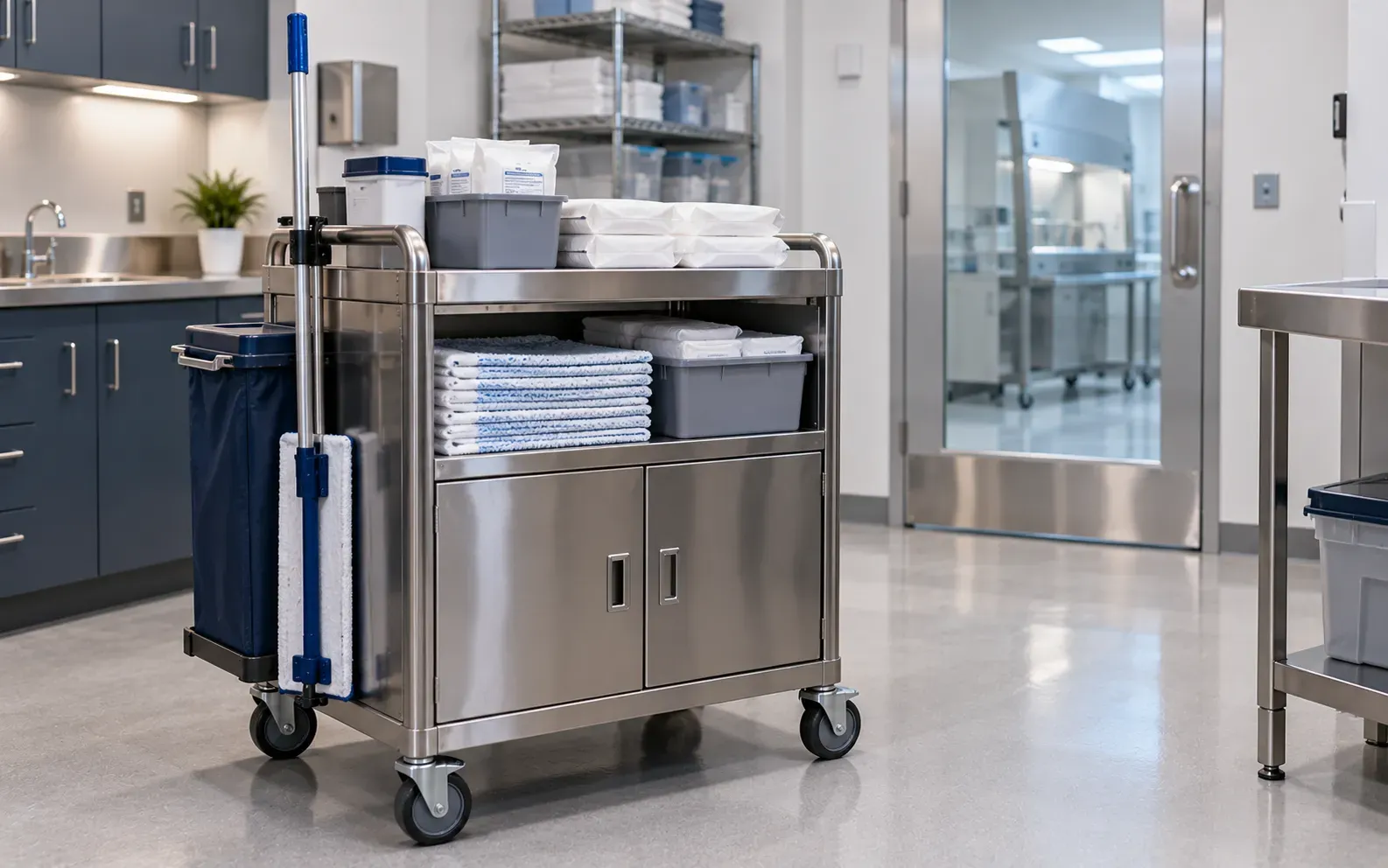
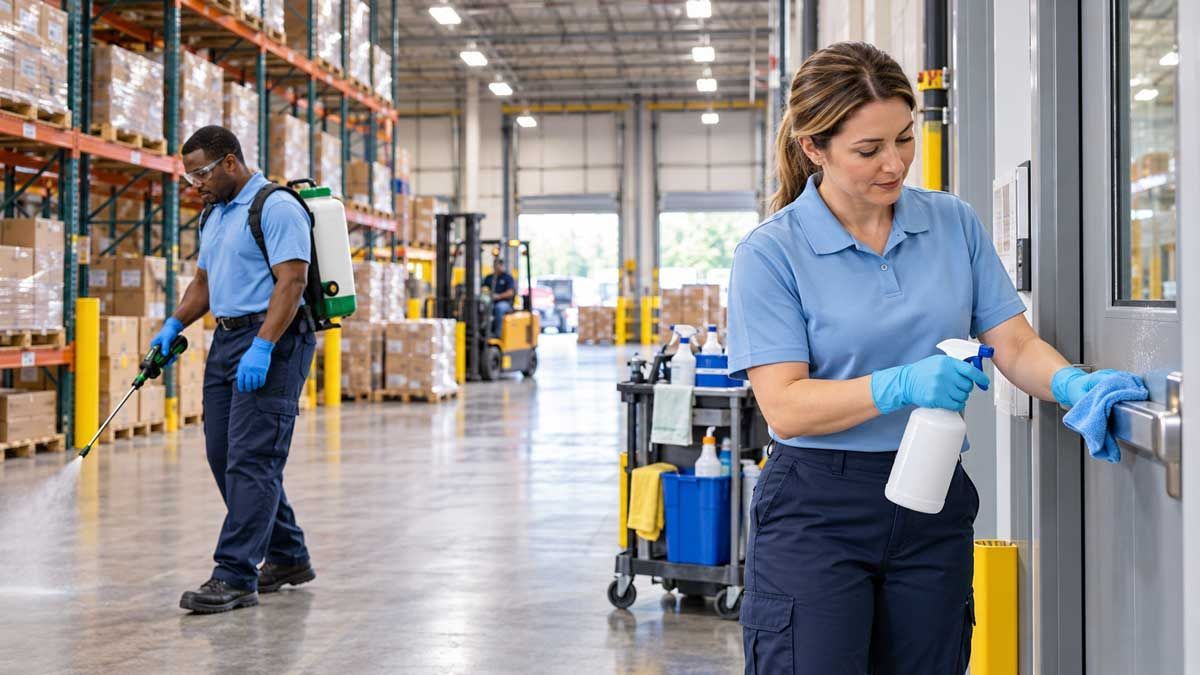
Trained personnel use HEPA-filtered equipment, contamination-retention microfiber systems, and controlled zone protocols to eliminate particulate matter at the source. Removing this responsibility from technical staff ensures core teams remain focused on mission-critical operations.
Professional oversight reduces OSHA exposure, mitigates liability risk, and protects against preventable fines. Structured environmental programs also support sustainability initiatives through responsible product use, waste reduction, and efficient resource management.
When cleaning is executed as a compliance discipline rather than a reactive task, facilities experience improved operational stability and lower long-term maintenance costs.
Strategies to Prevent Cleaning Failures
Preventing cleaning failures requires governance, training, and standardized execution. Effective commercial cleaning services must operate under structured frameworks that align with enterprise needs.
Workforce Training and Certification: Personnel must receive ongoing instruction in mission-critical protocols. Continuous training improves execution consistency and reduces turnover-related performance gaps.
Standardized Protocol Documentation: Written procedures aligned with ISO and regulatory standards eliminate ambiguity. Structured checklists reduce missed steps in post-construction cleaning for Atlanta projects and live facility environments.
Executive Oversight and Resource Investment: Leadership involvement and adequate resource allocation directly correlate with improved contamination control outcomes. Facilities that invest in structured programs experience fewer environmental failures.
Risk mitigation is proactive. It is not left to chance or informal habit.
Selecting Reliable Cleaning Service Providers
Choosing the right provider directly influences uptime and compliance protection.
Workforce Stability and Verification: Select providers with E-Verified, trained personnel, and low turnover rates. Workforce continuity improves consistency and reduces retraining risk.
Demonstrated Critical Environment Expertise: Providers must show proven experience in data center cleaning and regulated environments. Certifications aligned with OSHA, ISO, GMP, IICRC, and IJCSA standards indicate operational credibility. For highly sensitive spaces, cleanroom and data center cleaning services offer a stronger fit than general cleaning alone.
Performance Monitoring and Audit Transparency: Reliable partners use documented quality control systems, digital reporting tools, and structured communication to track service execution and compliance alignment.
The provider relationship in a mission-critical environment is not transactional. It is strategic.
Gaps in environmental cleaning disrupt the systems organizations depend on. A single dust accumulation event can escalate into a data center interruption or compliance exposure. Mission-critical environments require structured programs designed to eliminate contamination risk before it impacts performance.
Cleanstar National Inc operates as Atlanta’s critical environment cleaning authority. Our mission-critical facility cleaning teams follow ISO 14644, EPA, OSHA, GMP, IICRC, and IJCSA-aligned protocols on every project. We maintain a self-performing workforce of more than 700 E-Verified professionals and never outsource regulated cleaning operations.
From hyperscale data centers to healthcare campuses across Metro Atlanta and the Southeast, we deliver compliance-driven environmental protection built to safeguard uptime and infrastructure integrity.
Protect your operations with certified contamination control solutions designed for environments that cannot afford interruption. Schedule a critical environment risk audit.
Cleanstar National: Expert B2B Cleaning Solutions for Atlanta's Critical Industries