Invisible Contaminants Threaten Mission-Critical Facility Operations
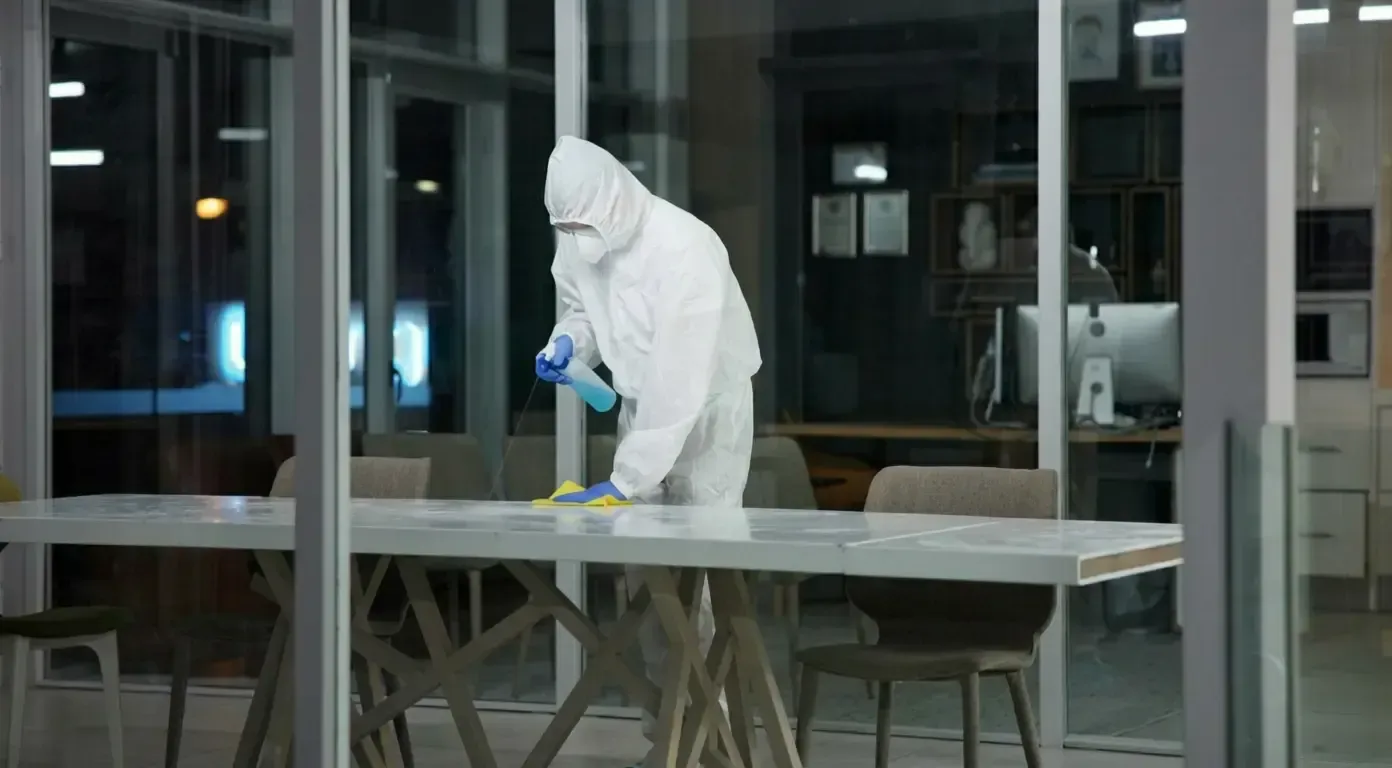
Even the most advanced facility faces hidden operational risk from contaminants that cannot be seen. Sensitive infrastructure reacts quickly to what slips past visual checks and routine surface cleaning. Industry research consistently shows that the majority of unplanned downtime in critical facilities can be traced back to environmental or physical contamination, often airborne or particulate in nature.
That means operations can halt if microscopic debris reaches server rooms, power distribution units, plenum spaces, or controlled laboratory environments. Standard commercial cleaning services in Atlanta may support general maintenance, but they are not designed to eliminate contamination risk at the level required for mission-critical operations.
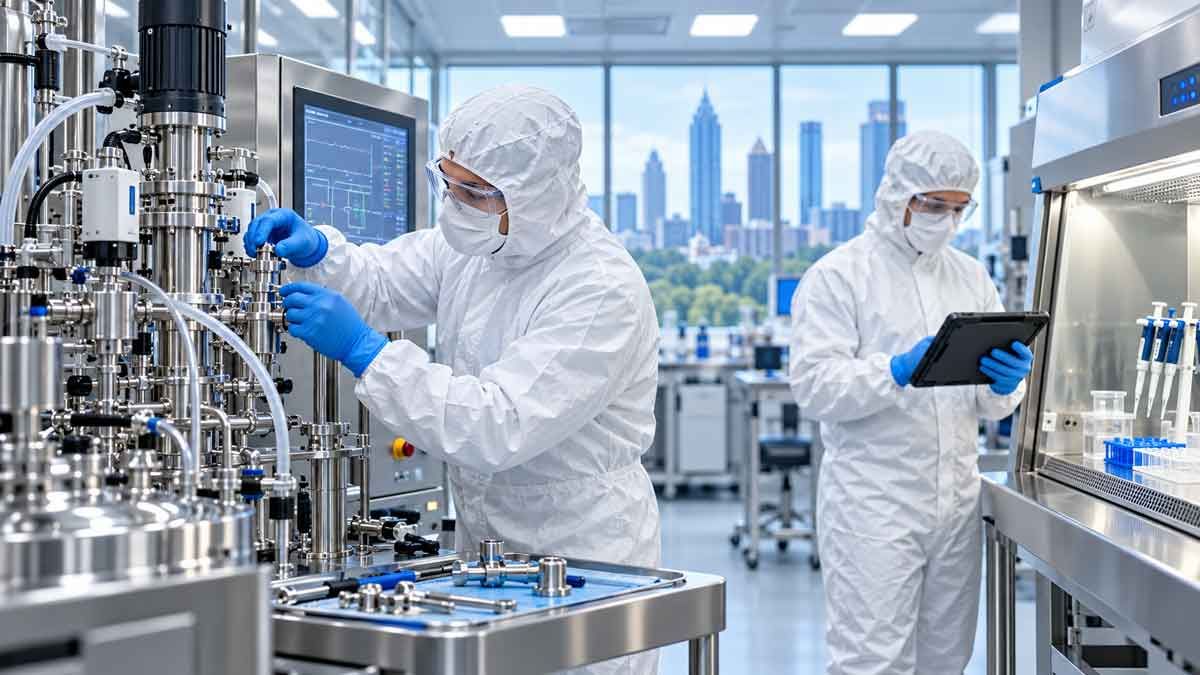
Only certified, protocol-driven mission-critical facility cleaning prevents contaminants from compromising uptime, regulatory alignment, and operational continuity. Standards established by ISO, EPA, GMP, and OSHA require disciplined environmental control measures to maintain compliance and protect infrastructure investments.
Invisible contaminants do not announce themselves. Without precision-based cleaning strategies, they accumulate silently and jeopardize performance over time.
Invisible Contaminants Jeopardize Facility Operations
In regulated and high-performance environments, mission-critical cleaning must go beyond visual cleanliness. Invisible contaminants move through air systems, attach to fibers, and settle into equipment cavities long before damage becomes visible.
Data System Exposure: Microscopic debris can infiltrate server rooms through HVAC systems or attach to clothing and packaging materials. Once inside, contaminants increase the risk of short circuits, overheating, and data instability. Failures may only become visible after service interruption or costly remediation. This is why data center cleaning in Metro Atlanta requires controlled, ESD-aware procedures.
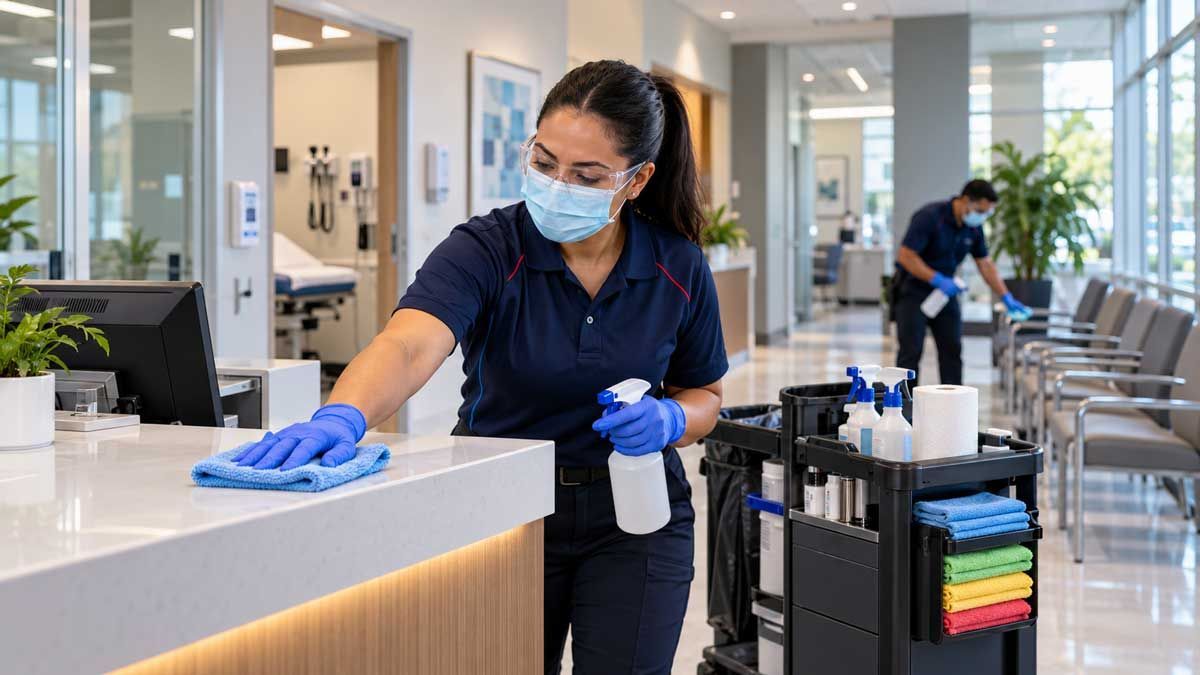
Workforce Health Risk: Sub-micron particles and microbial contaminants impact indoor air quality and can affect personnel working in data centers, healthcare spaces, and research facilities. Elevated particulate concentrations correlate with increased respiratory irritation and absenteeism in enclosed environments. In healthcare settings, medical cleaning services in Atlanta help support safer, controlled environments.
Infrastructure Degradation: Fine dust, chemical residue, and metal particulates accelerate corrosion in cable trays, switchgear, and power systems. Over time, this degradation reduces reliability and increases maintenance intervals.
Contamination does not need to be visible to be disruptive. In mission-critical spaces, prevention is the only sustainable control strategy.
Janitorial Services Are Vital for Contamination Control
Contamination control in high-risk environments requires more than standard janitorial support. It requires documented protocols, trained personnel, and specialized equipment designed for regulated spaces.
Pathogen and Particulate Control: Structured cleaning cycles reduce microbial load and particulate accumulation across surfaces, vents, and shared equipment. Facilities implementing disciplined contamination control programs experience measurable improvements in indoor air stability.
HEPA-Level Air Filtration Support: HEPA-filtered vacuums capture particles that traditional equipment recirculates. In sensitive mechanical environments, preventing recirculation is critical to protecting electronics and airflow pathways.
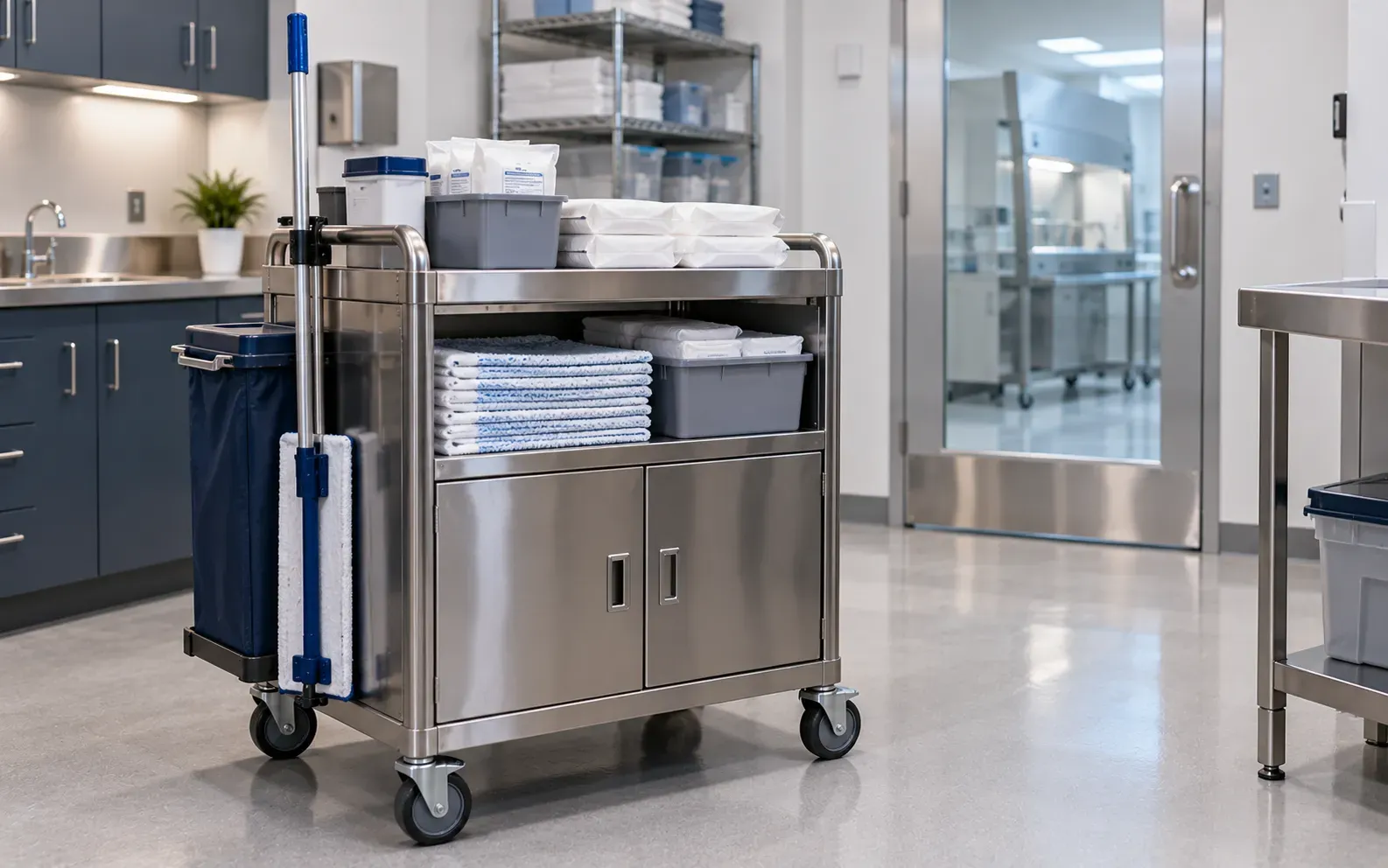
Surface Containment Strategy: Microfiber systems trap and retain fine particles rather than dispersing them. Color-coded systems prevent cross-contamination between critical zones such as white space, mechanical rooms, and administrative areas.
Advanced Application Tools: Electrostatic application systems and controlled disinfection methods ensure full surface coverage, including high-touch and hard-to-access infrastructure zones.
Compliance Documentation: Cleaning activities must align with ISO 14644, EPA, OSHA, and GMP standards. Proper documentation ensures audit readiness and regulatory transparency. Organizations reviewing these risks can also explore the environmental consequences of noncompliance.
This level of discipline defines mission-critical facility cleaning. It is not cosmetic. It is operational protection.
Airborne Particulates Threaten Sensitive Equipment
Airborne particulates represent one of the most underestimated risks within mission-critical environments. Though invisible to the eye, they steadily compromise performance.
Filtration Limits: Even advanced HVAC systems cannot capture 100% of airborne debris. Without supplemental environmental cleaning protocols, particles migrate toward sensitive equipment.
Electrostatic Discharge Risk: Dust accumulation increases static potential in controlled environments, elevating the risk of electrical disruption. Facilities concerned about this exposure should understand electrostatic discharge risks in server environments.
Corrosive Reaction: Chemical-laden particulates accelerate oxidation on circuit boards, connectors, and structural components.
Cooling System Restriction: Particulate buildup in vents and raised floor plenums reduces airflow efficiency, forcing systems to operate at higher temperatures.
Operational Instability: Elevated particulate levels correlate with increased mechanical stress, higher failure rates, and reduced equipment lifespan.
Environmental control is not optional in high-density computing or regulated healthcare spaces. It is foundational to uptime.
Dust Accumulation Leads to Hardware Failures
Dust accumulation is gradual but relentless. In data centers and critical infrastructure facilities, even minimal buildup compounds risk.
Thermal Insulation Effect: Dust layers trap heat on processors, memory modules, and electrical systems, increasing internal temperatures.
Mechanical Abrasion: Fine particles degrade cooling fans and moving components, reducing efficiency over time.
Static Disruption: Accumulated dust contributes to electrostatic discharge events that interrupt server operations.
Energy Inefficiency: Cooling systems working against clogged pathways consume more power, increasing operational costs and strain.
These failures rarely occur suddenly. They are the cumulative result of insufficient contamination control. For a deeper look at this issue, see how dust contamination impacts server performance and uptime.
Specialized Cleaning Prevents Operational Disruptions
Specialized environmental cleaning provides the structural defense that protects uptime in sensitive facilities. Cleanstar National Inc approaches contamination control as a risk mitigation discipline rather than a maintenance task.
Structured Surface Assessments: Environmental inspections identify contamination trends before they escalate into hardware impact.
Precision Microfiber Systems: High-retention microfiber materials capture up to 99% of fine particulate matter, preventing redistribution.
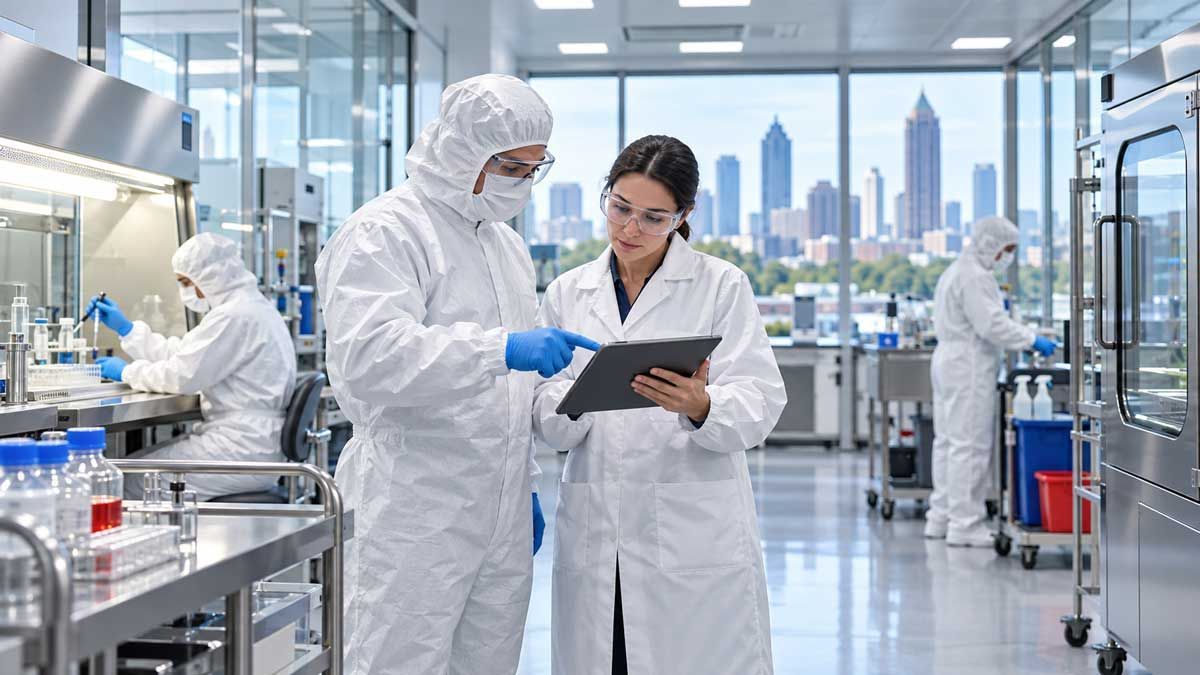
Controlled Zone Protocols: Color-coded and access-controlled cleaning procedures reduce cross-zone contamination exposure.
Inventory and Readiness Assurance: Self-performing teams ensure consistent availability of certified equipment and trained personnel across Atlanta and the Southeast.
This methodology protects infrastructure investments and prevents downtime events that disrupt operations. In highly sensitive environments, cleanroom and data center cleaning services provide a stronger fit than general cleaning alone.
Compliance Standards Demand Meticulous Cleaning Protocols
Regulated environments operate under strict oversight. Cleaning procedures must align with documented safety and environmental standards.
Regulatory Alignment: Protocols are structured around EPA, ISO 14644, GMP, OSHA, IICRC, and IJCSA frameworks to maintain continuous compliance.
Audit Documentation: Cleaning logs, checklists, and validation records provide defensible documentation during inspections.
Certified Workforce Training: Over 700 E-Verified professionals undergo continuous training to maintain compliance with evolving regulations.
Executive Oversight Model: Founder-led leadership ensures accountability and consistent protocol execution across all service regions.
Enterprise Scalability: A zero-outsourcing model maintains standardized compliance across single-site and multi-site portfolios.
Compliance is not reactive. It is built into daily operations.
Regular Audits Ensure Contamination-Free Environments
Environmental audits validate that contamination control programs remain effective over time.
Early Risk Identification: Audits detect moisture intrusion, particulate concentration shifts, and microbial growth before operational impact occurs.
Regulatory Verification: Ongoing assessments ensure continued alignment with OSHA hazard communication and industry-specific standards.
Operational Stability Assurance: Facilities with disciplined audit cycles demonstrate improved indoor air stability and reduced unplanned downtime events.
Auditing reinforces accountability and protects long-term infrastructure reliability. Teams evaluating service quality can also review why data centers require specialized cleaning protocols.
Invisible contaminants can disrupt operations and compromise uptime in any mission-critical facility. Without disciplined cleaning protocols, microscopic particles, dust, and environmental residues accumulate silently.
Cleanstar National Inc specializes in identifying and eliminating contamination risk before it impacts performance. Our data center cleaning and mission-critical facility cleaning teams operate under EPA, ISO 14644, and GMP-aligned procedures using HEPA-filtered systems and structured contamination control methods.
Every detail matters in a regulated environment. A lapse in cleaning protocol can shorten hardware lifespan or introduce costly downtime. Our risk-focused execution model protects uptime, regulatory compliance, and brand integrity.
From hyperscale data centers to healthcare campuses across Metro Atlanta and the Southeast, Cleanstar National Inc delivers enterprise-grade environmental protection built for operations that cannot afford interruption.
Protect your facility with certified contamination control designed for environments where failure is not an option. Schedule a critical environment risk audit.
Cleanstar National: Expert B2B Cleaning Solutions for Atlanta's Critical Industries