

Neglected Cleaning Compromises Data Center Uptime
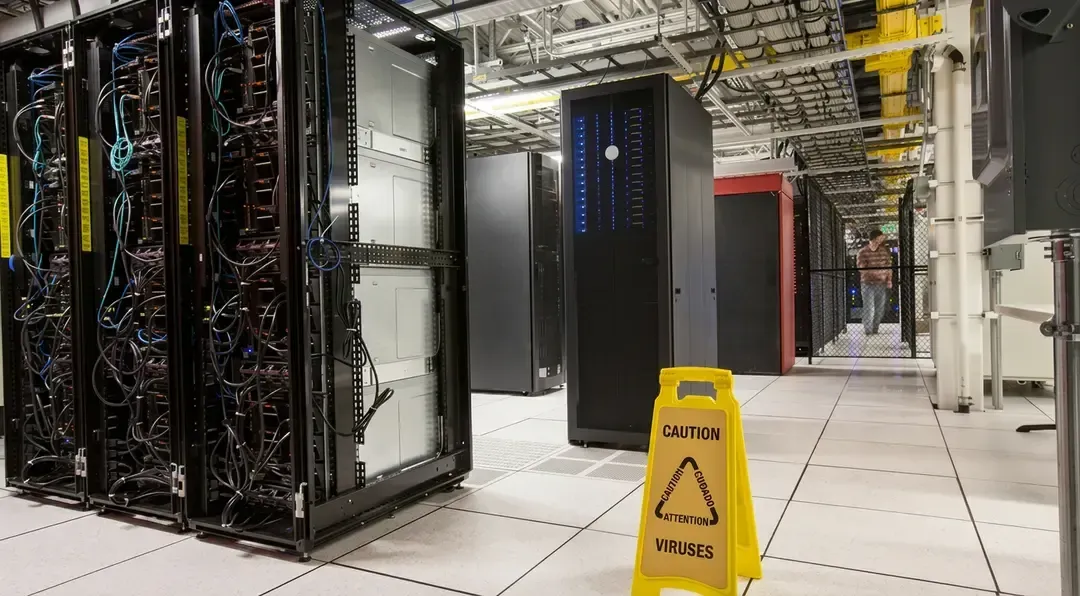
Data centers operate within narrow performance tolerances. Even minor environmental lapses can create measurable risk to uptime, compliance posture, and infrastructure longevity. Small accumulations of dust on server racks, cable trays, and cooling components increase thermal strain and reduce airflow efficiency. Over time, that strain forces cooling systems to consume more energy while delivering less effective temperature control.
Airborne contaminants introduce hidden risk to sensitive electronics. Without disciplined environmental controls, particulate matter infiltrates hardware, accelerates wear, and increases the probability of unplanned downtime or costly remediation. Routine, protocol-driven care extends equipment lifespan and supports audit readiness across compliance cycles.
Cleanstar National Inc delivers structured contamination control for active server environments aligned with Atlanta’s regulatory landscape for data centers, laboratories, broadcast studios, and other high-performance facilities. Regular environmental maintenance is not optional for uptime stability. It is operational protection.
Regular Cleaning Prevents Equipment Overheating
Effective thermal management depends on disciplined environmental control. Critical data center cleaning in Atlanta directly supports airflow integrity and hardware stability within dense server environments.
Clogged vents and particulate-coated surfaces trap heat within cabinets and racks. Microscopic debris blocks airflow pathways and forces cooling systems to compensate for restricted circulation. Over time, even thin dust layers reduce system efficiency and increase internal temperatures.
Industry guidance from ASHRAE TC 9.9 and ISO 14644 emphasizes particulate control within server rooms, cableways, and raised floor plenums. Environmental stability requires specialized cleaning protocols for underfloor spaces, intake pathways, and filtration systems.
Elevated cooling demand increases operational costs and accelerates mechanical wear. Environmental lapses do not immediately disable infrastructure, but they steadily degrade performance until thresholds are exceeded.
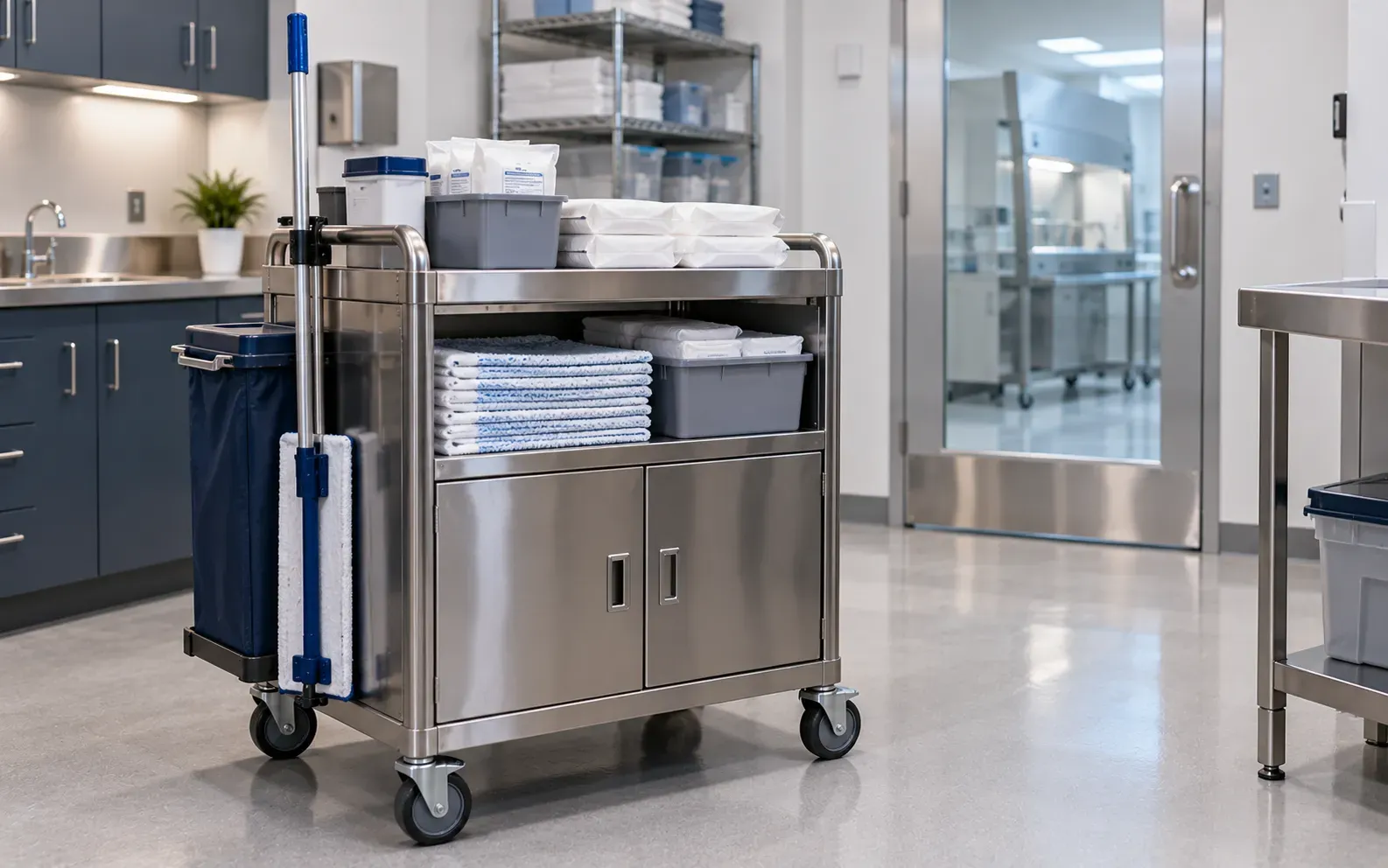
Comprehensive cleaning programs address surface contamination, filtration checks, underfloor debris removal, and difficult-to-access infrastructure zones. This level of environmental discipline protects uptime continuity and thermal balance.
Dust Buildup Reduces Cooling Efficiency
Dust accumulation acts as a barrier to airflow and system performance. When particulate matter builds within a data center, cooling efficiency declines and operational exposure increases.
Airflow Blockage: Dust collects on vents, filters, and cooling fans, obstructing consistent air movement. Restricted airflow forces HVAC systems to operate at higher loads, reducing overall efficiency.
Increased Energy Consumption: Contaminated air filters and coils demand greater power input to maintain safe operating temperatures. Rising energy consumption directly impacts operational budgets and sustainability targets.
Accelerated Equipment Stress: Hardware coated in particulate matter retains heat and experiences prolonged thermal strain. Continuous stress shortens the service life of servers, storage systems, and cooling infrastructure.
Unplanned Downtime Exposure: Cooling system instability increases the likelihood of heat-related service interruptions. For organizations dependent on uninterrupted uptime, even brief outages carry financial and reputational consequences.
Environmental control programs must treat dust accumulation as a systemic risk rather than a cosmetic concern. For a deeper look at this issue, see how dust contamination impacts server performance and uptime.
Contaminants Lead to System Failures
Contaminants propagate quickly within enclosed data environments. A minor lapse in environmental protocol can escalate into infrastructure disruption.
Electrical Component Disruption: Fine particles infiltrate power distribution units, switchgear, and circuit boards. Over time, particulate buildup increases the risk of short circuits, corrosion, and electrostatic discharge.
Cooling System Degradation: Airborne debris accumulates within filters and coil fins, reducing thermal exchange efficiency. Cooling instability correlates with increased rack-level failure rates.
Compliance and Monitoring Risk: Environmental monitors depend on stable conditions to generate accurate reporting for SOC 2, HIPAA, and other regulatory frameworks. Uncontrolled dust compromises environmental data integrity and audit documentation.
Mission-critical facility cleaning must eliminate contamination at its source before it introduces cascading performance failures.
Routine Maintenance Extends Hardware Lifespan
Infrastructure longevity depends on environmental stability. Routine contamination control directly protects capital investment.
Reduced Mechanical Wear: Particulate intrusion forces fans, processors, and electronic components to work beyond optimal thresholds. Removing debris reduces long-term mechanical strain.
Stable Environmental Conditions: Structured cleaning plans maintain unobstructed air intakes and exhaust pathways. Consistent airflow preserves equipment within design specifications.
Lower Emergency Repair Frequency: Identifying blocked filters and contamination buildup early prevents crisis-level remediation and urgent hardware replacement.
Optimized Capital Allocation: Extending hardware lifespan reduces premature capital expenditures. Well-maintained data centers retain operational value longer than poorly controlled environments.
Environmental discipline is an asset protection strategy.
Professional Services Ensure Compliance Standards
Data center environments operate within strict regulatory frameworks. Engaging professional services ensures alignment with established standards.
Regulatory Expertise: Certified teams operate under EPA, OSHA, ISO 14644, and IICRC protocols to maintain environmental compliance.
Risk Mitigation Frameworks: Structured cleaning procedures reduce contamination exposure and protect uptime integrity.
Documented Audit Trails: Digital reporting and environmental logs provide verifiable proof of contamination control for internal and external audits.
Consistent Operational Results: Scheduled environmental programs reduce variability and maintain predictable contamination thresholds.
Continuous Workforce Training: Ongoing certification ensures technicians remain aligned with evolving industry standards and regulatory requirements.
Compliance must be measurable, documented, and repeatable. Facility leaders evaluating providers can also review what to look for in a data center cleaning partner.
Atlanta Facilities Require Specialized Cleaning
Metro Atlanta continues to expand as a regional hub for hyperscale data centers and technology infrastructure. These facilities require environmental protocols aligned with enterprise standards.
Regulatory and Environmental Alignment: Facilities must adhere to EPA, ISO 14644, and OSHA guidelines governing contamination thresholds and safety compliance.
Airborne Particulate Control: Particles as small as 5 microns compromise hardware performance and airflow integrity. Controlled removal protects cooling systems and electronics.
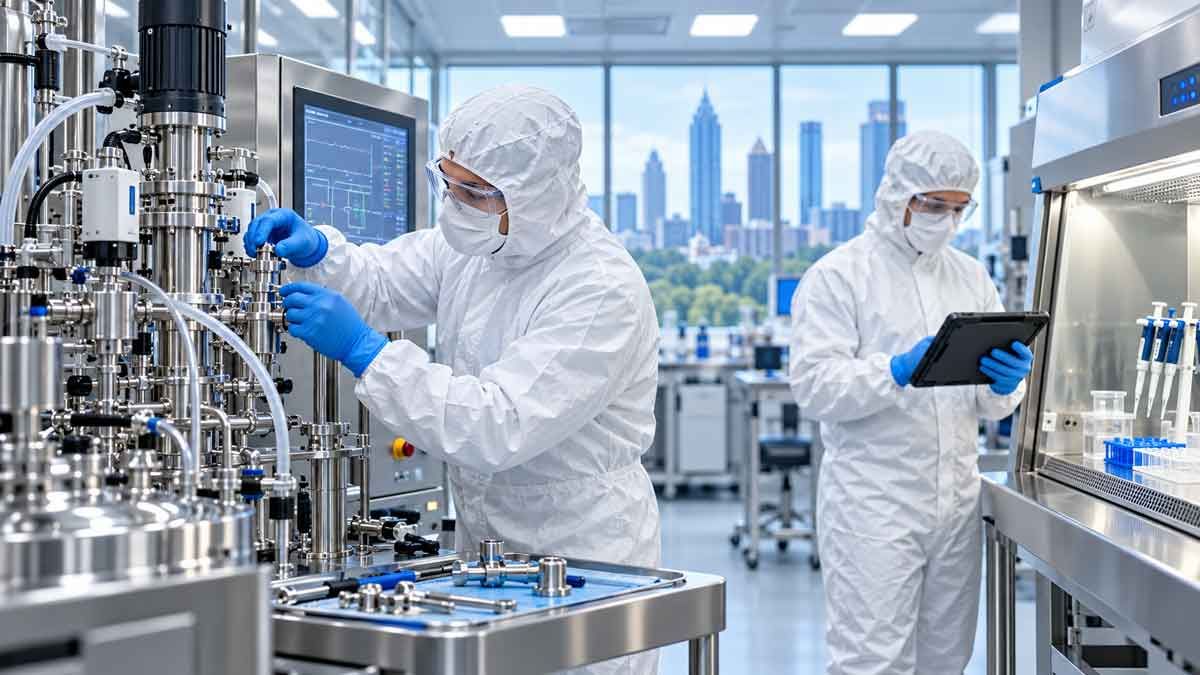
Qualified Personnel and Approved Supplies: ISO-trained professionals using ESD-safe equipment reduce the risk of hardware damage during environmental cleaning operations.
Specialization differentiates mission-critical environmental control from standard janitorial maintenance. Cleanstar’s cleanroom and data center cleaning services are built around anti-static, HEPA-filtered protocols for sensitive environments.
Neglecting Cleanliness Increases Operational Risks
Uncontrolled particulate matter steadily erodes data center performance. Microscopic debris accumulates on circuit boards, airflow pathways, and cooling fins. Though initially unnoticed, this buildup amplifies thermal strain and mechanical degradation.
Energy agencies report that cooling systems account for a significant portion of total data center energy consumption. Obstructed airflow increases that demand, raising operational costs and environmental impact. Elevated temperatures trigger performance throttling and hardware stress responses.
Industry guidance recommends structured, recurring environmental cleaning to prevent these compounding risks. Environmental negligence affects not only hardware but also personnel working extended shifts within enclosed data halls. Airborne contaminants influence both system reliability and workforce well-being.
Prioritizing mission-critical facility cleaning reduces system strain, supports regulatory alignment, and preserves uptime stability.
Neglected cleaning introduces avoidable exposure. Airborne dust migrates toward drives, processors, and cooling components. Particulate buildup increases energy costs and degrades performance predictability. Industry reporting consistently links poor environmental maintenance to a significant percentage of outage events.
Precision-based contamination control is not optional for enterprise data centers. It is foundational to protecting operational continuity.
Cleanstar National Inc operates as Atlanta’s critical environment cleaning authority. Our certified teams deliver data center cleaning solutions aligned with ISO 14644, OSHA, EPA, and IICRC frameworks. We maintain a self-performing workforce and documented audit-ready protocols across Georgia and the Southeast.
We do not outsource critical environment operations. We execute them with accountability, compliance oversight, and measurable performance standards.
Protect your uptime, infrastructure, and regulatory posture with certified environmental control. Schedule a critical environment risk audit.
Cleanstar National: Expert B2B Cleaning Solutions for Atlanta's Critical Industries