
Evidence-Based Framework Prioritizes Server Room Cleaning ROI
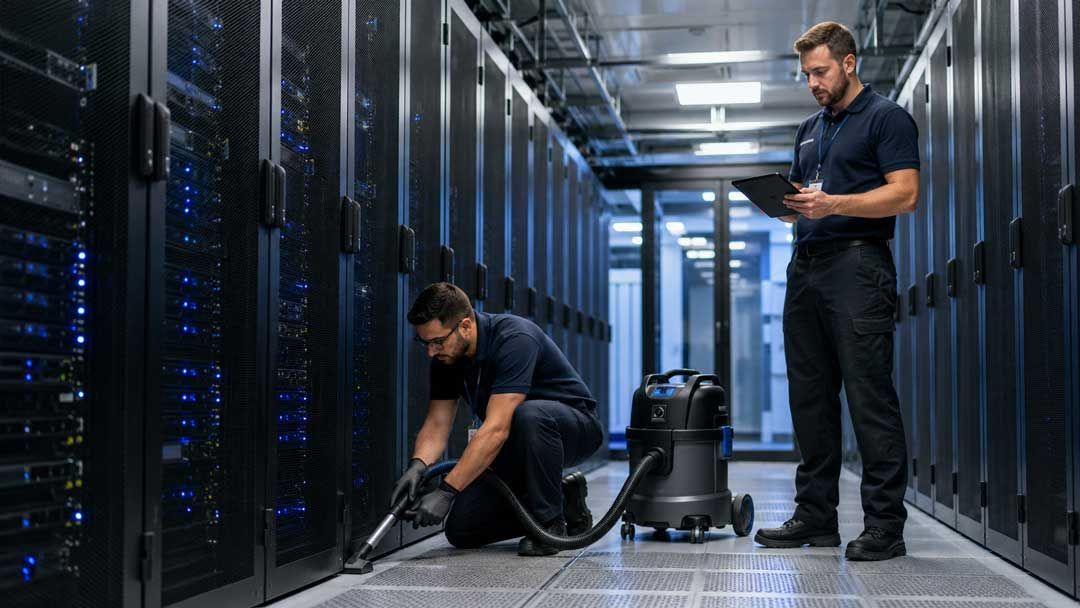
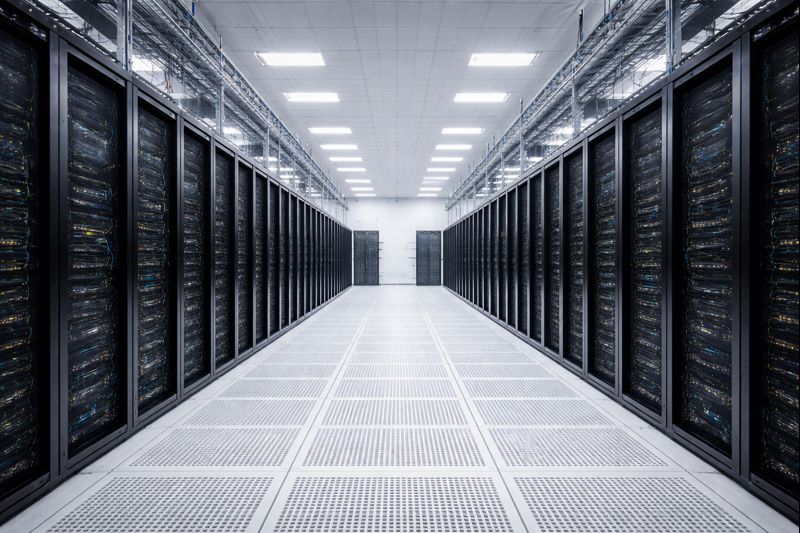
Server room cleaning plays a direct role in equipment integrity, system reliability, and compliance performance. In high-density environments, particulate control is not a cosmetic task. It is a measurable input that affects uptime, thermal stability, and audit readiness. When structured correctly,
data center cleaning in Atlanta aligns operational spend with quantifiable risk reduction.
An evidence-based framework replaces assumption with tracked performance indicators. Metrics such as reduced contamination exposure, stabilized airflow performance, and extended equipment lifecycle provide a defensible basis for evaluating return on investment. Organizations that adopt structured cleaning protocols consistently report fewer disruption events tied to environmental factors.
Cleanliness also supports airflow efficiency across server infrastructure. When particulate accumulation is controlled, cooling systems operate within designed parameters, reducing strain on HVAC systems and maintaining thermal balance. Compliance outcomes improve as well, since documented cleaning activity supports regulatory alignment and audit traceability.
Establishing baseline operational costs and environmental risk exposure creates a reference point for evaluating cleaning performance. From that baseline, facilities can assess how structured cleaning contributes to uptime protection and long-term infrastructure stability.
Assessing Server Room Cleaning Inputs
Assessing the operational inputs behind server room cleaning requires a structured breakdown of labor, materials, equipment, and compliance overhead. The objective is not cost comparison, but operational alignment with risk mitigation.
Cleaning programs involve specialized anti-static materials, HEPA-filtered equipment, and trained personnel operating under controlled protocols. These inputs support contamination control in sensitive environments where standard janitorial approaches are not sufficient.
Tracking material usage and process efficiency over time allows facilities to identify inconsistencies, optimize workflows, and maintain repeatable results. The service mix should also reflect risk exposure across zones such as subfloors, server racks, plenum spaces, and cable pathways.
Long-term planning benefits from structured service intervals supported by documented cleaning cycles. This approach stabilizes operational forecasting and aligns maintenance activity with compliance expectations.
Calculating ROI from Cleaning Investments
Calculating ROI in server room cleaning depends on measurable operational outcomes rather than isolated cost inputs.
Labor and Time Efficiency: Structured processes supported by specialized equipment reduce variability in execution. Consistent workflows minimize rework and support predictable service timelines.
Resource Optimization: Monitoring water, chemical, and energy usage within cleaning operations provides visibility into efficiency improvements without compromising contamination control.
Cleaning Frequency Alignment: Establishing cleaning intervals based on environmental data ensures resources are deployed where risk is highest, improving overall effectiveness.
Equipment Lifecycle Protection: Controlled environments reduce wear on critical infrastructure. This extends equipment usability and minimizes disruption tied to premature replacement or failure.
Impact of Cleanliness on Equipment Longevity
Environmental contamination directly affects equipment performance and service life. Controlled cleaning reduces exposure to the primary causes of hardware degradation.
Dust Control: Particulate accumulation restricts airflow and increases thermal load on components. Removing dust reduces strain on cooling systems and supports stable operation.
Corrosion Prevention: Airborne particles combined with humidity can create conductive pathways that accelerate corrosion on internal components. Environmental control reduces this exposure.
Static Electricity Mitigation: Electrostatic discharge remains a known risk in server environments. Controlled cleaning protocols reduce static buildup and support equipment protection.
Reducing Downtime Through Regular Maintenance
Routine maintenance supported by structured cleaning protocols reduces the likelihood of unplanned service disruption.
Prevention of System Interruptions: Addressing environmental risks early prevents escalation into operational failures.
Operational Efficiency: Clean airflow pathways allow cooling systems to function within design thresholds, supporting consistent system performance.
Asset Protection and Compliance: Documented maintenance activity supports regulatory alignment and provides traceability during audits.
Enhancing Airflow Efficiency in Server Rooms
Airflow efficiency is a primary driver of both energy performance and hardware stability in server environments.
Real-Time Monitoring Integration: Sensor-based systems track airflow and particulate behavior, allowing facilities to identify inefficiencies and respond accordingly.
Containment Strategies: Hot aisle and cold aisle containment systems maintain separation between supply and return air, supporting thermal control.
Targeted Cleaning Intervals: Cleaning schedules aligned with airflow patterns reduce the risk of particulate accumulation in high-impact zones.
High-Efficiency Filtration: HEPA-based filtration reduces airborne contamination and supports stable operating conditions.
Airflow Modeling: Digital modeling tools identify restrictions and optimize airflow distribution, supporting continuous improvement.
Compliance Benefits of Routine Cleaning
Routine cleaning contributes directly to regulatory compliance and audit performance.
Regulatory Alignment: Structured cleaning programs support ISO 14644, OSHA, and EPA-aligned practices for controlled environments.
Documentation and Audit Readiness: Maintaining detailed logs of cleaning activity, environmental conditions, and corrective actions provides verifiable compliance records.
Operational Integrity: Environmental control reduces the likelihood of contamination-related incidents that can affect data security and system availability.
Inspection Preparedness: Facilities with consistent documentation demonstrate accountability during audits and insurance reviews.
Selecting Professional Cleaning Services in Atlanta
Regulatory expectations require cleaning partners to operate within defined compliance frameworks. Selecting the right provider involves evaluating capability, certifications, and execution standards.
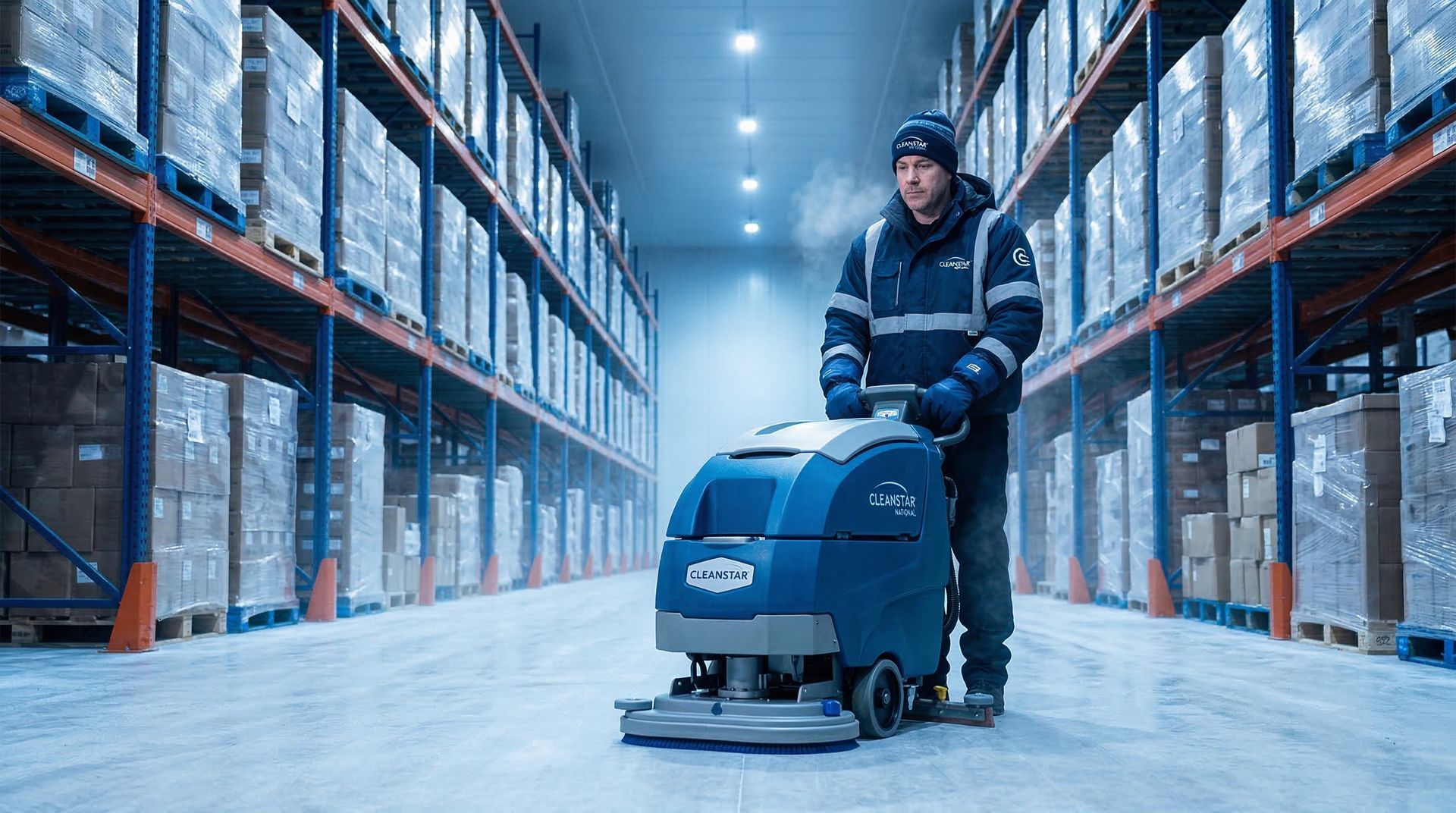
Cleanstar National Inc delivers server room cleaning and data center cleaning services aligned with ISO 14644, EPA, GMP, OSHA, IICRC, and IJCSA protocols. The organization operates with a self-performing workforce of more than 700 E-Verified professionals across six states, ensuring consistency and accountability across all service engagements.
As a founder-led company operating since 1995, Cleanstar integrates structured processes designed for mission-critical environments. The company supports hyperscale data centers, healthcare campuses, higher education institutions, and complex commercial facilities.
Service delivery includes HEPA-filtered cleaning systems, ESD-safe protocols, and detailed reporting aligned with enterprise audit requirements. Each engagement includes pre- and post-cleaning verification to support measurable contamination control.
Cleanstar also provides post-construction cleaning Atlanta services for newly built or renovated facilities. These services reduce initial particulate load before commissioning, supporting system stability and compliance from the outset.
The company’s approach reflects its positioning as a risk mitigation partner rather than a transactional vendor. Cleaning is executed as part of a broader operational strategy focused on uptime protection, regulatory alignment, and infrastructure integrity.
An evidence-based framework positions server room cleaning as a measurable operational control rather than a maintenance expense. By aligning cleaning protocols with environmental data, facilities gain visibility into contamination risks and the effectiveness of mitigation strategies.
Structured cleaning supports equipment longevity, stabilizes airflow performance, and reduces exposure to downtime events. When combined with detailed documentation and monitoring systems, it strengthens compliance posture and audit readiness.
Cleanstar National Inc delivers data center cleaning in Atlanta through certified processes, self-performing teams, and compliance-first execution. The integration of HEPA filtration, ESD-safe protocols, and environmental monitoring ensures that cleaning contributes directly to operational resilience.
In mission-critical environments, return on investment is defined by risk reduction, uptime continuity, and regulatory compliance. Server room cleaning, when executed within a structured framework, supports all three.
Cleanstar National: Expert B2B Cleaning Solutions for Atlanta's Critical Industries