Hospital Infection Control Cleaning in Atlanta: What Facilities Cannot Miss
Hospital Infection Control Cleaning in Atlanta: What Facilities Cannot Miss
Hospital cleaning is not just about appearance. It is part of infection prevention, patient safety, staff confidence, and operational trust. In busy Atlanta healthcare facilities, every surface, restroom, hallway, waiting room, and patient care area plays a role in how safe the environment feels and performs.
Infection control depends on discipline, not guesswork.
Why Infection Control Cleaning Matters
Hospitals and healthcare facilities manage constant movement. Patients, visitors, nurses, physicians, vendors, and support teams move through shared spaces all day. That activity creates repeated contact with door handles, counters, chairs, elevator buttons, restroom fixtures, clinical surfaces, and waiting room furniture.
Without a structured cleaning program, contamination can move quietly through the facility. Cleanstar National helps healthcare environments reduce risk with repeatable cleaning procedures, high touch surface attention, and accountable facility support.
For the full healthcare cleaning cluster, read Healthcare Facility Cleaning in Atlanta.
Core Infection Control Cleaning Priorities
- High touch surface disinfection
- Patient room cleaning support
- Waiting room and lobby cleaning
- Restroom sanitation and odor control
- Shared equipment surface cleaning
- Floor care and debris removal
- Cleaning documentation and repeatable procedures
High Touch Surfaces Need Clear Protocols
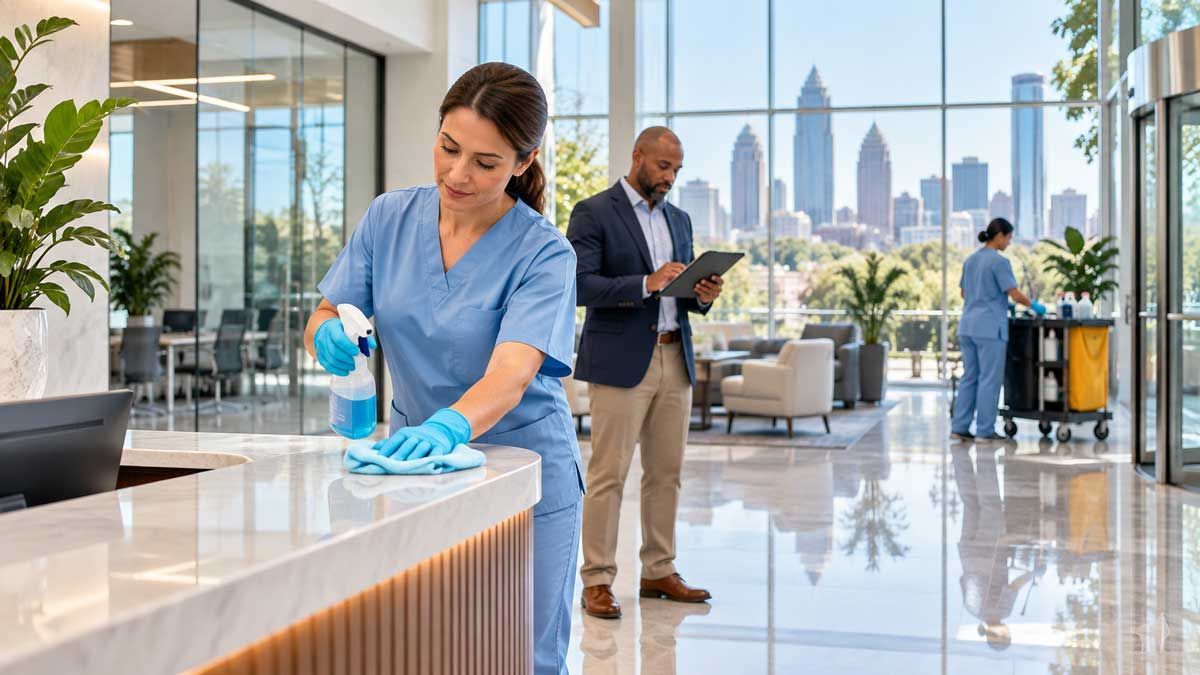
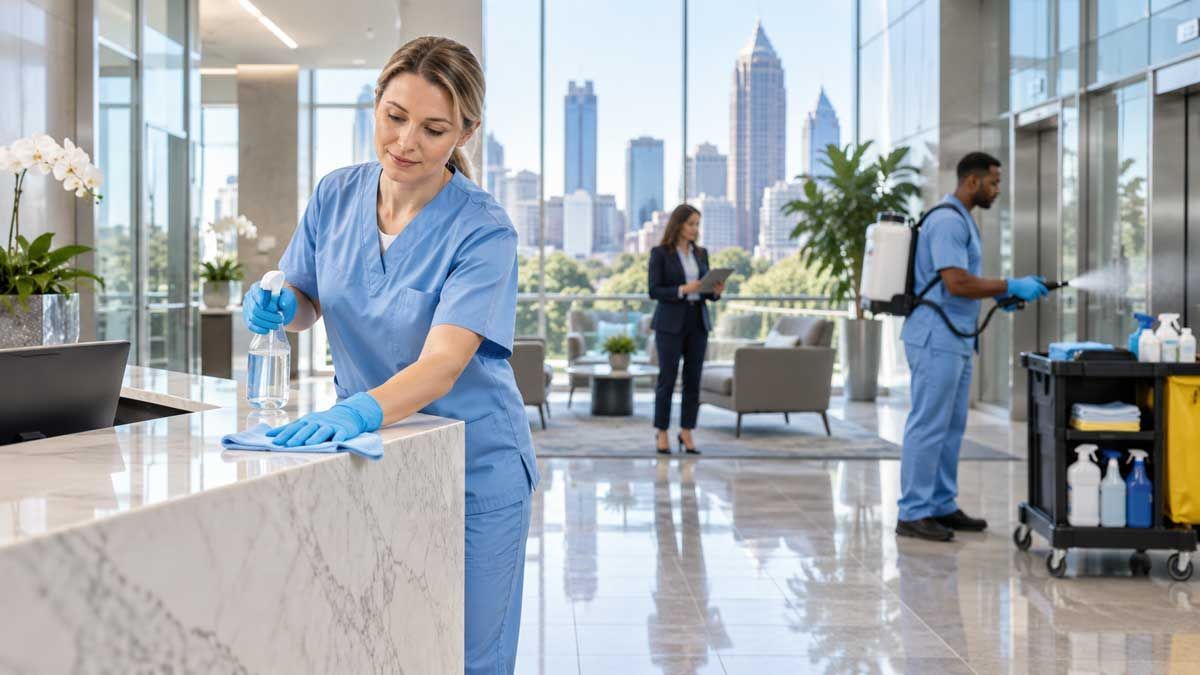
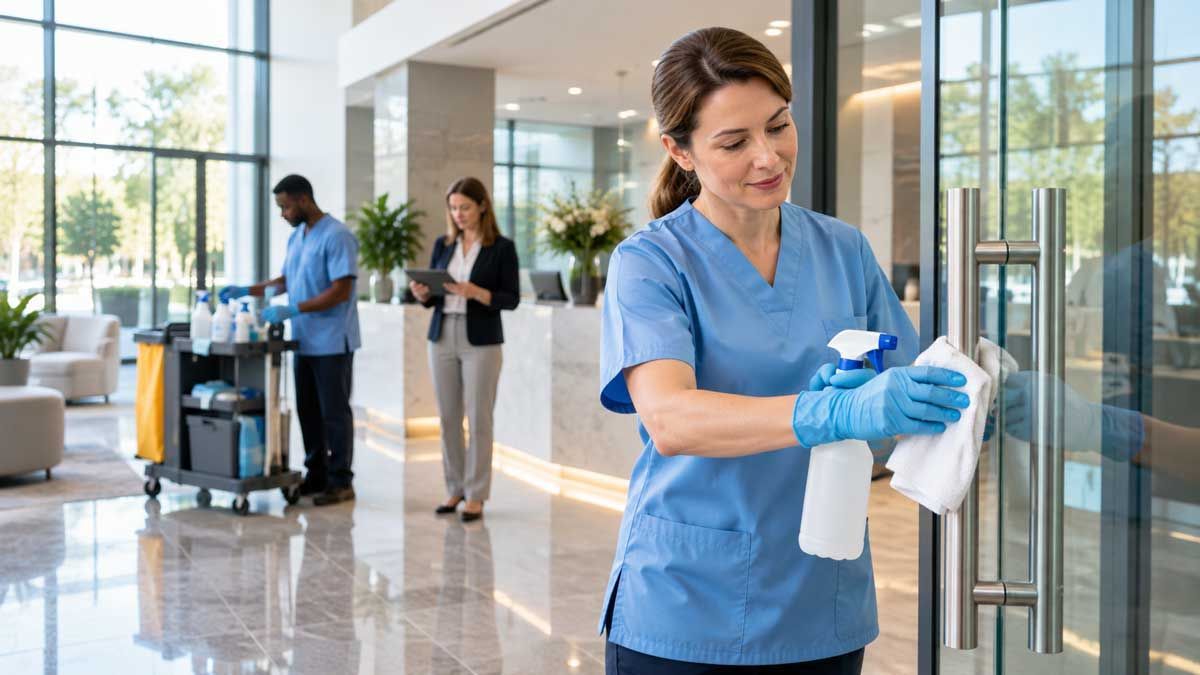
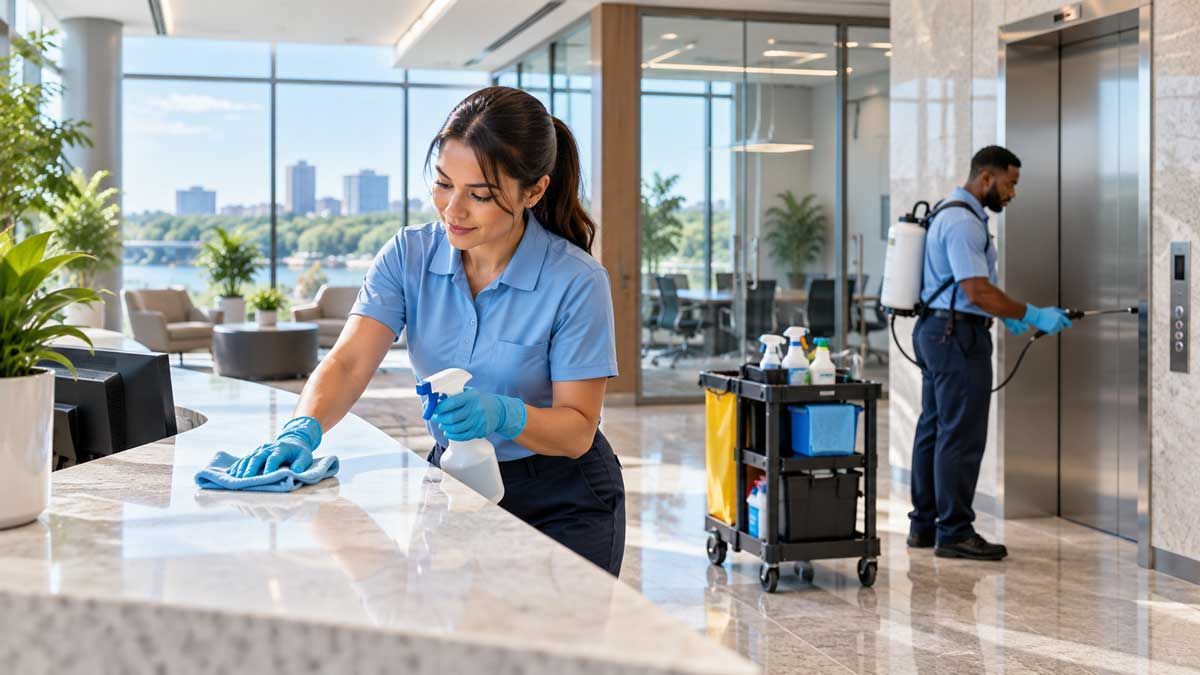
High touch surfaces are among the most important areas in infection control cleaning. These surfaces collect repeated contact throughout the day and can quickly become a concern when cleaning schedules are inconsistent.
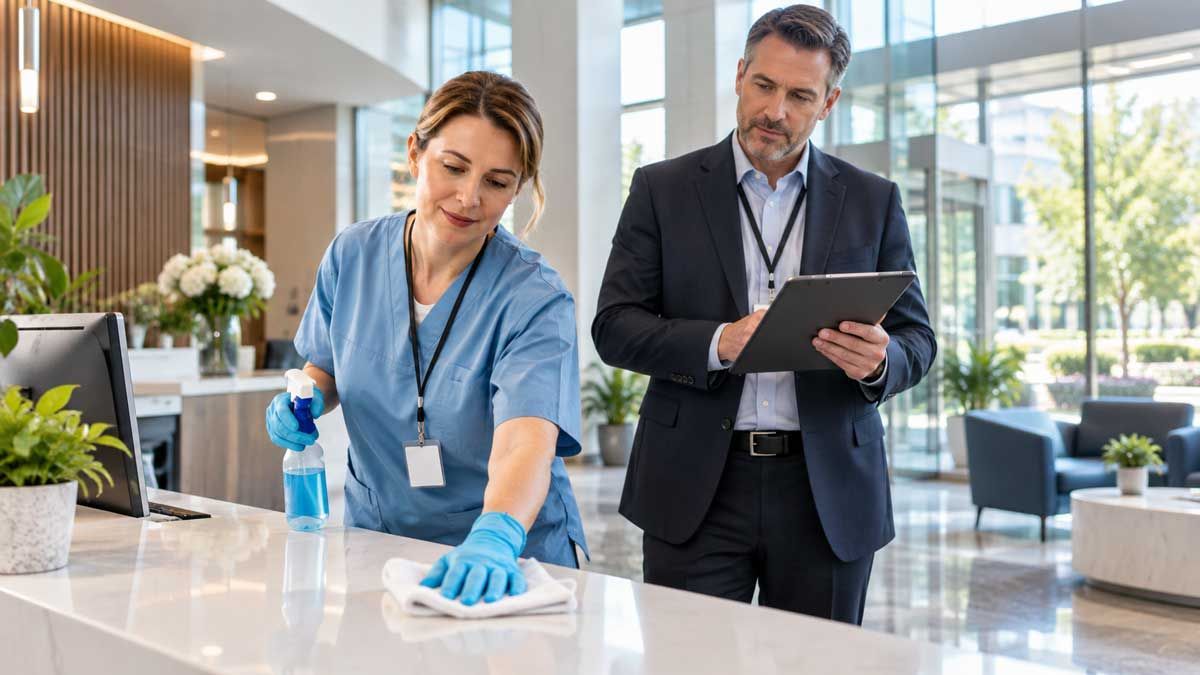
Hospital cleaning programs should define which surfaces are cleaned, how often they are cleaned, what products are used, and how completion is verified.
Common High Touch Areas
- Door handles and push plates
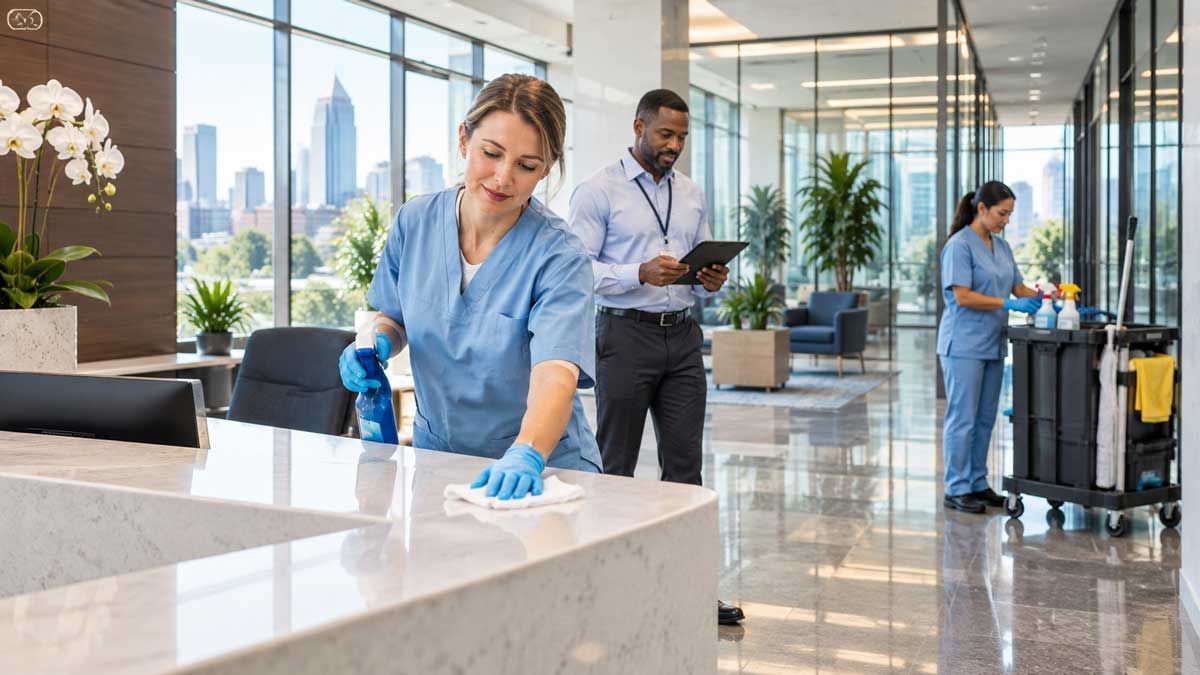
- Reception counters
- Elevator buttons
- Waiting room chairs
- Restroom fixtures
- Handrails
- Shared workstations
Program Controls
- Scheduled cleaning routes
- Defined product usage
- Surface specific procedures
- Staff training and accountability
- Inspection routines
- Documented cleaning standards
- Escalation for high risk areas
Restrooms Can Shape Patient Trust Quickly
Hospital restrooms are one of the fastest places where patients and visitors form an opinion about cleanliness. Empty soap dispensers, odors, wet floors, overflowing trash, or neglected fixtures can create immediate concern.
Strong restroom cleaning supports infection control by combining supply checks, fixture cleaning, odor control, floor care, trash removal, and touchpoint disinfection.
Cleanstar National works alongside Globe Chemical Company for janitorial supply support across the Atlanta metro.
Cleaning and Disinfection Are Not the Same
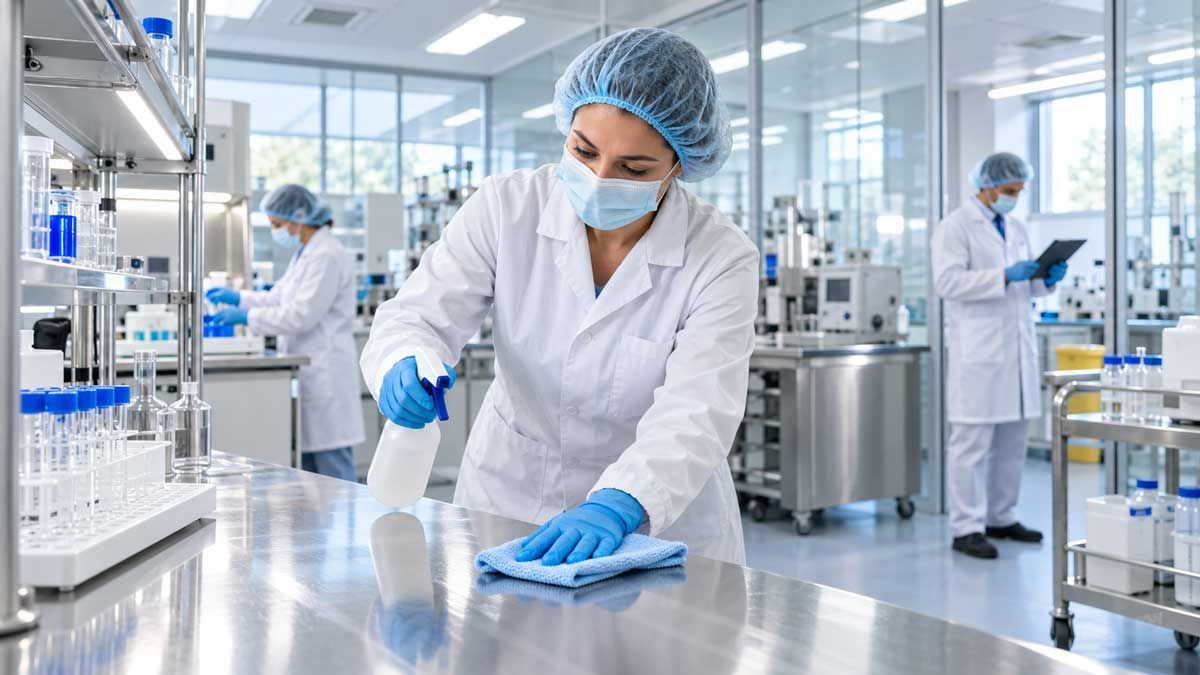
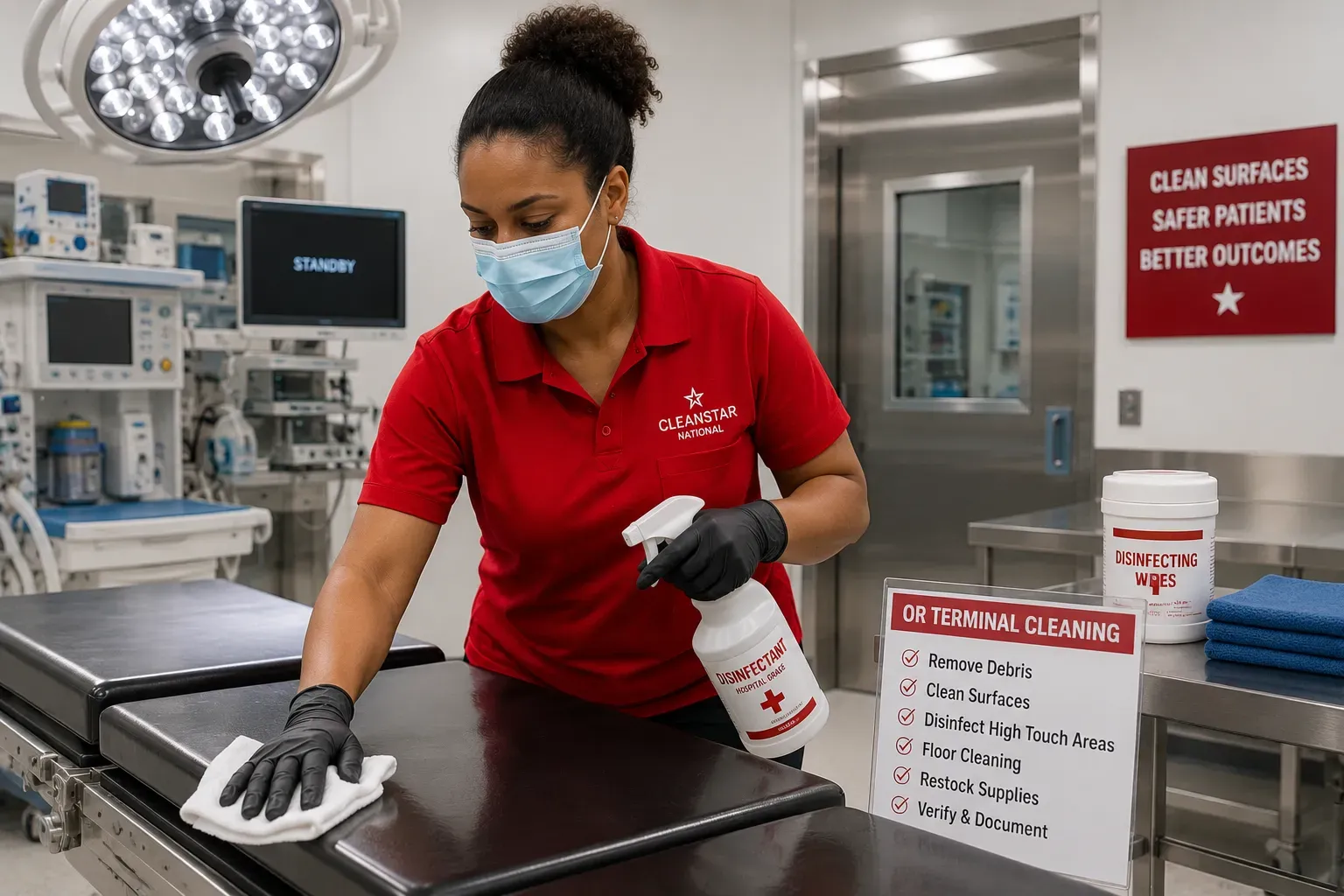
Cleaning removes visible soil, residue, and organic material from surfaces. Disinfection helps reduce microorganisms after proper cleaning has occurred. Both steps matter in healthcare environments.
Skipping the cleaning step can weaken disinfection results. Hospital cleaning teams need clear procedures that protect the sequence of work, especially in patient facing environments.
For broader guidance, review the Centers for Disease Control and Prevention infection control resources.
Practical Sequence
- Remove visible debris and residue
- Clean the surface using the appropriate product
- Apply the correct disinfectant where required
- Allow proper dwell time based on product instructions
- Document or inspect completion where needed
Infection Control Requires Trained Teams
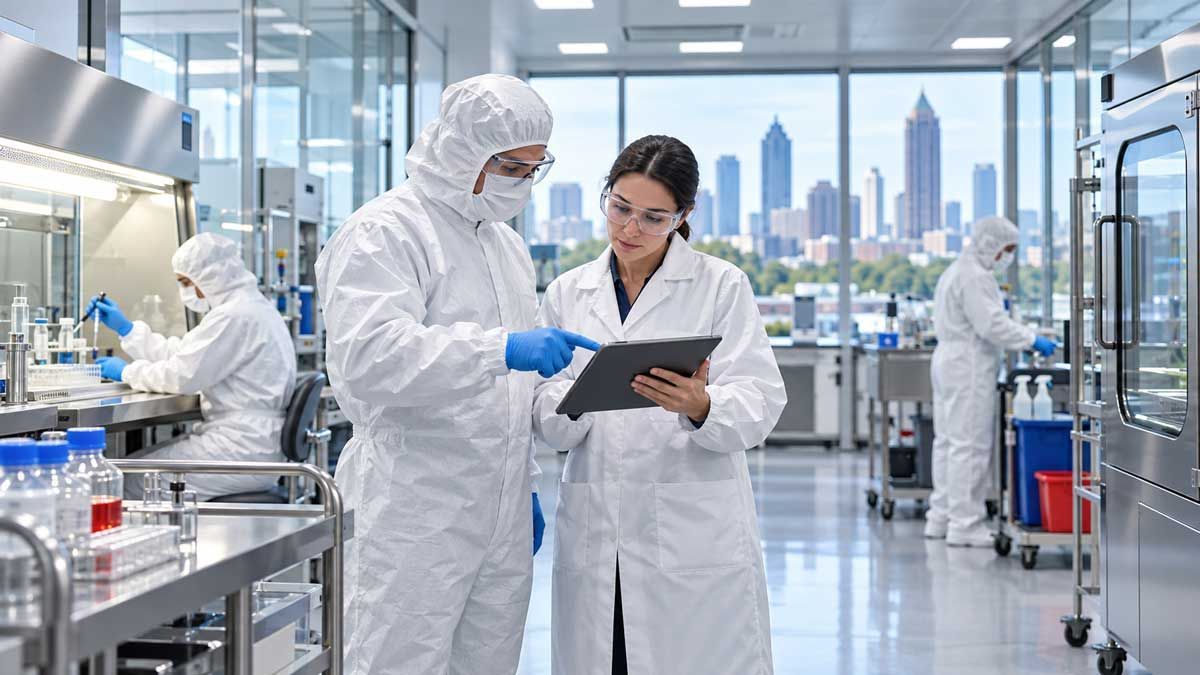
Healthcare cleaning requires more than task completion. Teams must understand traffic patterns, sensitive areas, patient privacy, supply usage, and the importance of consistent procedure.
Cleanstar National supports healthcare facilities with structured cleaning programs designed around daily reliability, patient experience, and contamination control.
For surgical environments, read OR Terminal Cleaning Services in Atlanta.
For cleaning validation, read ATP Testing for Hospital Cleaning in Atlanta.
Hospital Infection Control Cleaning FAQ
What is infection control cleaning?
Infection control cleaning is a structured approach to cleaning and disinfection that helps reduce contamination risks on high touch surfaces, patient areas, restrooms, shared equipment, and public healthcare spaces.
Why do hospitals need specialized cleaning?
Hospitals need specialized cleaning because patient care areas, clinical spaces, waiting rooms, restrooms, and shared surfaces require stronger procedures than standard commercial cleaning.
Does infection control cleaning include restrooms?
Yes. Restrooms are an important part of infection control cleaning because they include high touch surfaces, moisture, odor risks, trash removal needs, soap systems, and patient or visitor traffic.
Does Cleanstar National serve hospitals in Atlanta?
Yes. Cleanstar National provides healthcare cleaning support for hospitals, clinics, medical offices, surgical environments, and healthcare campuses across Metro Atlanta.
Cleaner Healthcare Environments Start With Better Systems
Infection control cleaning is not a single task. It is a system of trained people, clear procedures, proper supplies, documented routines, and consistent execution across the facility.
Cleanstar National provides hospital and healthcare cleaning support for Atlanta facilities that need infection control awareness, operational discipline, and dependable cleaning performance.
Cleanstar National: Expert B2B Cleaning Solutions for Atlanta's Critical Industries