Server Room Cleaning Checklist Prevents Costly Downtime

Unplanned downtime in server environments introduces immediate operational and financial exposure. Research from IBM identifies that outages can escalate rapidly in cost when environmental controls fail. Within high-density environments, contamination control is not optional. It is a foundational requirement for maintaining uptime, protecting infrastructure, and supporting compliance frameworks.
A structured
server room cleaning in Atlanta program addresses risks that extend beyond visible contamination. Fine particulate accumulation, electrostatic discharge exposure, and airflow disruption introduce failure conditions that develop over time and often remain undetected until system performance is impacted.
Environmental conditions in Atlanta introduce additional complexity. Elevated humidity levels increase particulate adhesion and corrosion risk across sensitive components. Without controlled cleaning execution, these factors contribute to long-term degradation of infrastructure and increased exposure to operational disruption.
A checklist-driven cleaning framework establishes repeatable execution standards. It reduces variability, supports audit readiness, and ensures that each cleaning activity aligns with risk control requirements rather than reactive maintenance.
Regular Cleaning Enhances Equipment Longevity
Structured cleaning programs directly influence infrastructure lifespan and operational stability. Consistent removal of contaminants reduces stress on system components and supports predictable performance across critical environments.
Dust Removal: Particulate accumulation restricts airflow and increases thermal load on server components, accelerating wear and increasing failure probability.
Component Cleaning: Controlled cleaning of cable pathways, rack systems, and access flooring reduces corrosion risk and preserves connection integrity over extended operational cycles.
Filter and Vent Maintenance: Maintaining clean filtration systems supports airflow consistency and prevents overheating conditions that contribute to unplanned equipment failure.
Surface Control Measures: Removal of residue and environmental contaminants prevents material degradation and reduces long-term exposure to system instability.
A checklist-based approach ensures that each of these controls is executed consistently without omission.
Dust Reduction Improves System Performance
Airborne particulate matter directly affects performance metrics in server environments. Accumulation within cooling systems, circuit pathways, and airflow channels introduces inefficiencies that degrade system output.
Airflow Optimization: Removal of particulate buildup supports unobstructed airflow, allowing cooling systems to operate within designed performance thresholds.
System Stability: Reduction of airborne contamination decreases the likelihood of intermittent system interruptions linked to overheating or circuit interference.
Reliability Enhancement: Clean environments reduce contamination-driven electrical faults, supporting consistent system operation and reducing maintenance frequency.
The Uptime Institute identifies environmental contamination as a contributing factor in preventable downtime events. Structured server room cleaning frameworks address these variables systematically.
Professional Services Ensure Compliance Standards
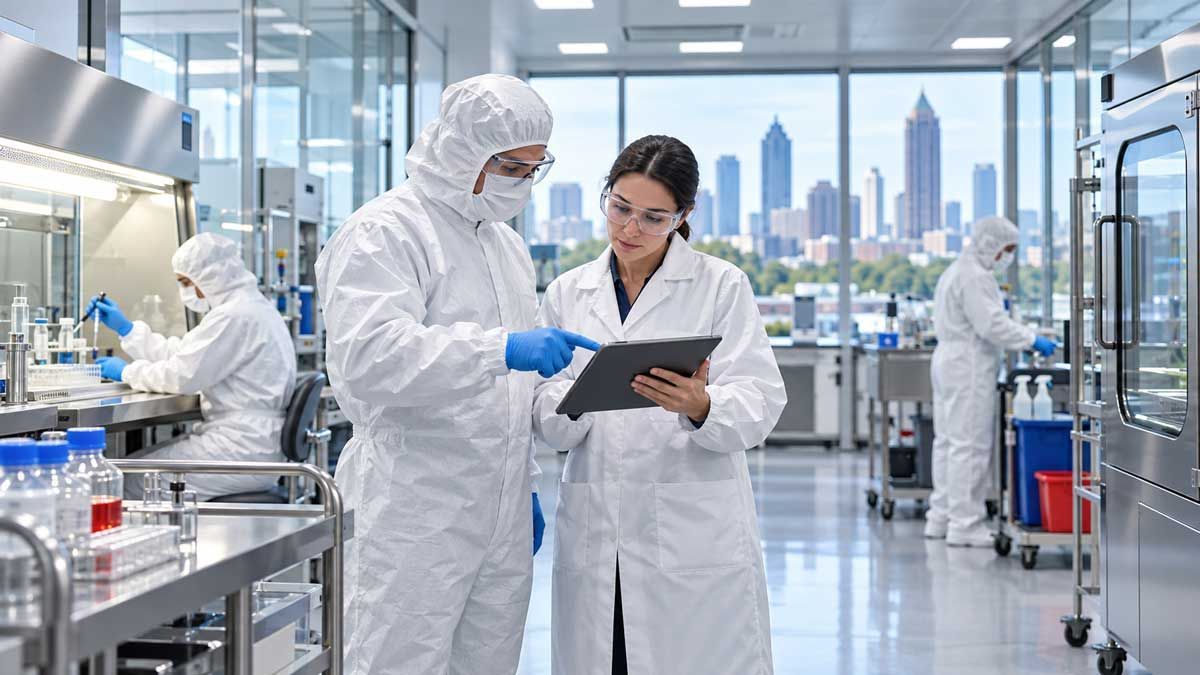
Execution quality determines the effectiveness of any cleaning program. Controlled environments require trained personnel operating within defined compliance frameworks.
Regulatory Alignment: Cleaning protocols must meet ISO 14644, OSHA, EPA, and GMP-aligned requirements to support audit readiness and environmental control.
Documented Execution: Audit trails, cleaning logs, and environmental monitoring records provide verifiable evidence during inspections and compliance reviews.
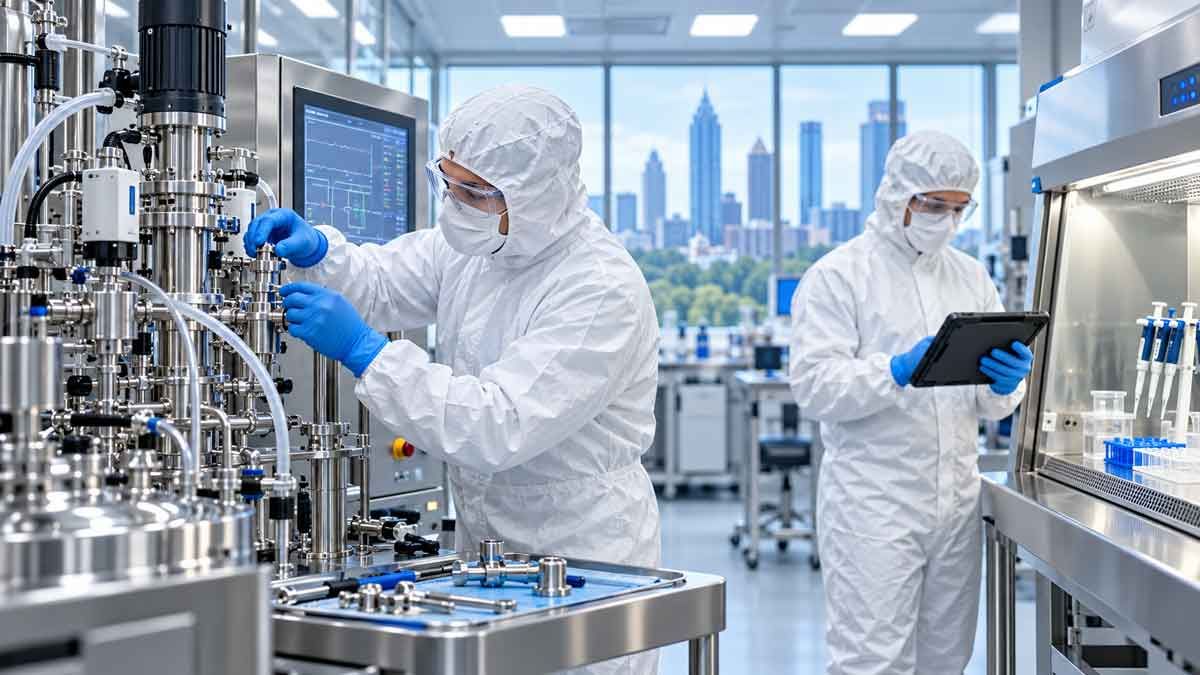
Controlled Methodologies: Use of HEPA-filtered systems and ESD-safe equipment ensures that cleaning activities do not introduce additional risk to sensitive infrastructure.
Ongoing Verification: Routine inspections and performance validation ensure that cleaning outcomes remain aligned with operational standards.
Cleanstar National Inc operates with 700+ E-Verified professionals, a self-performing workforce with zero outsourcing, and certification alignment across OSHA, IICRC, IJCSA, Red Cross, EPA, ISO 14644, and GMP protocols. This structure supports enterprise-level compliance and execution consistency.
Atlanta’s Humidity Affects Server Room Cleanliness
Environmental conditions in Atlanta introduce measurable contamination variables that must be addressed within cleaning frameworks.
Particulate Adhesion Increase: Elevated humidity levels cause airborne particles to adhere to surfaces, increasing contamination density across infrastructure.
Corrosion Acceleration: Moisture exposure accelerates oxidation in conductive materials, contributing to circuit degradation and hardware instability.
System Failure Risk: Poor humidity control has been linked to component-level failure events, particularly within high-density server environments.
The American Society of Heating, Refrigerating, and Air-Conditioning Engineers provides environmental thresholds for humidity and contamination control. Alignment with these standards is required to maintain system integrity and compliance.
Scheduled Maintenance Minimizes Downtime Risks
Cleaning schedules must align with operational demand, environmental exposure, and infrastructure sensitivity. A checklist framework ensures consistency across maintenance cycles.
Early Risk Identification: Scheduled inspections identify contamination patterns and system stress indicators before they escalate into failures.
Operational Continuity: Structured maintenance windows reduce the likelihood of disruption during peak operational periods.
Security Alignment: Cleaning activities coordinated with system access controls prevent exposure to security vulnerabilities.
Asset Monitoring: Regular reviews support tracking of equipment condition, capacity utilization, and lifecycle performance.
A controlled maintenance schedule reduces reliance on reactive interventions and supports long-term stability.
Proper Cleaning Prevents Overheating Issues
Thermal management is directly influenced by environmental cleanliness. Contaminants within airflow pathways disrupt cooling efficiency and increase system strain.
Airflow Obstruction Removal: Removal of debris from vents and airflow channels prevents localized heat buildup within server racks.
Cooling System Maintenance: Clean filters and fan systems to maintain airflow efficiency and support consistent temperature regulation.
Raised Floor Contamination Control: Subfloor cleaning eliminates hidden particulate accumulation that contributes to thermal imbalance.
Surface Integrity Management: Controlled cleaning of external surfaces ensures accurate thermal sensor readings and prevents miscalibration.
The Uptime Institute notes that airflow disruption remains a leading contributor to overheating-related downtime events.
Comprehensive Checklists Guide Effective Cleaning
A structured checklist framework ensures that cleaning execution remains consistent, traceable, and aligned with operational risk controls.
Task Standardization: Defined procedures ensure that each cleaning activity is executed consistently across all facility zones.
Risk Coverage: Checklists address both visible and concealed contamination sources, including subfloors, airflow systems, and equipment surfaces.
Process Verification: Each completed task is documented, providing measurable proof of execution and supporting audit requirements.
Operational Consistency: Standardized workflows reduce variability across personnel and shifts, ensuring uniform outcomes.
Checklists function as a control mechanism, transforming cleaning from a variable process into a structured operational function.
Integrated Risk Control Through Certified Execution
A server room cleaning checklist is most effective when executed within a controlled, compliance-driven framework. Environmental risk management requires consistent application of validated processes, supported by trained personnel and documented verification.
Cleanstar National Inc delivers server room cleaning in Atlanta through a structured model that integrates:
E-Verified Workforce Deployment: Over 700 E-Verified professionals supporting controlled environments across multiple regions.
Self-Performing Execution Model: Zero outsourcing ensures accountability, consistency, and direct operational control.
Established Industry Leadership: Founder-led operations since 1995 with a focus on mission-critical environments.
Multi-Standard Compliance Integration: Alignment with OSHA, IICRC, IJCSA, Red Cross, EPA, ISO 14644, and GMP protocols.
24/7 Operational Readiness: Continuous availability for environments requiring uninterrupted support.
Cleaning execution incorporates HEPA-filtered systems, ESD-safe methodologies, controlled access procedures, and audit-ready documentation aligned with regulatory expectations.
Organizations implementing structured server room cleaning programs based on checklist-driven frameworks maintain environmental stability, reduce operational risk, and support long-term infrastructure performance.
Cleanstar National: Expert B2B Cleaning Solutions for Atlanta's Critical Industries