
HEPA Filtration vs. Standard Vacuuming: Server Room Cleaning Impact
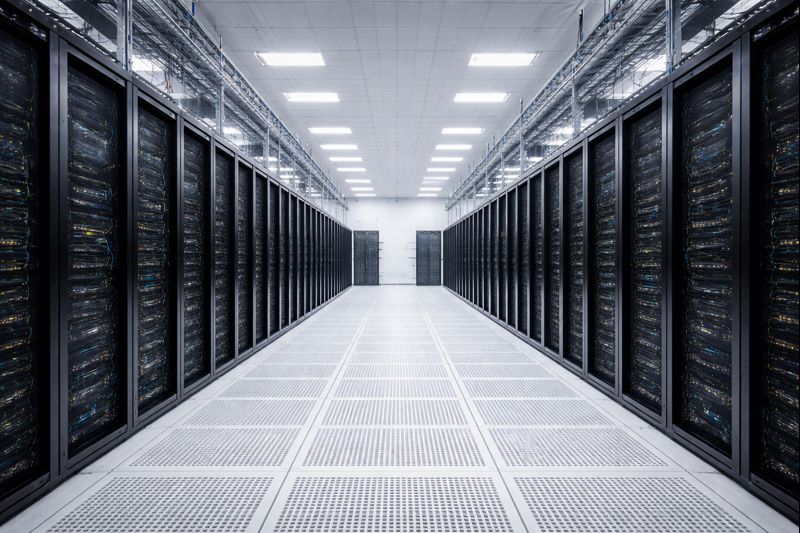
Server rooms require controlled environments to maintain uptime, protect hardware, and support long-term operational stability. Dust, debris, and airborne particulates introduce risks that can compromise airflow, increase thermal load, and interfere with sensitive electronic components. When contamination is not properly managed, these risks often escalate without immediate visibility.
Many facilities still rely on standard vacuuming methods as part of routine server room cleaning. However, these tools are not designed for controlled environments and may release fine particles back into the air during operation. This redistribution of contaminants undermines cleaning efforts and increases exposure across critical zones.
Standard equipment can also introduce electrostatic discharge risks, especially in high-density server environments. Over time, this creates avoidable exposure that can impact system reliability and long-term equipment performance.
HEPA filtration provides a controlled alternative by capturing fine particles at a higher efficiency rate before they re-enter the environment. Cleaner air supports stable airflow, which helps maintain temperature control across server racks and reduces the likelihood of heat-related failures.
These factors directly influence compliance with operational and environmental standards required in regulated data center environments. Cleanstar National Inc applies these protocols across critical facilities throughout the Southeast, supporting uptime, compliance, and risk mitigation.
Understanding how filtration standards affect contamination control begins with particle capture efficiency.
HEPA Filters Capture 99.97% Particles
HEPA filtration systems are engineered to capture a high percentage of airborne particles at defined micron levels. This performance benchmark is widely referenced in environmental control standards and supports contamination control in regulated environments.
In the context of
data center cleaning in Atlanta, HEPA filtration provides a measurable advantage in reducing airborne particulates that can affect sensitive systems.
Controlled environments require the removal of fine dust, fibers, and airborne contaminants that accumulate on server components, cable pathways, and airflow systems. Without proper filtration, these particles can settle on hardware and interfere with cooling performance.
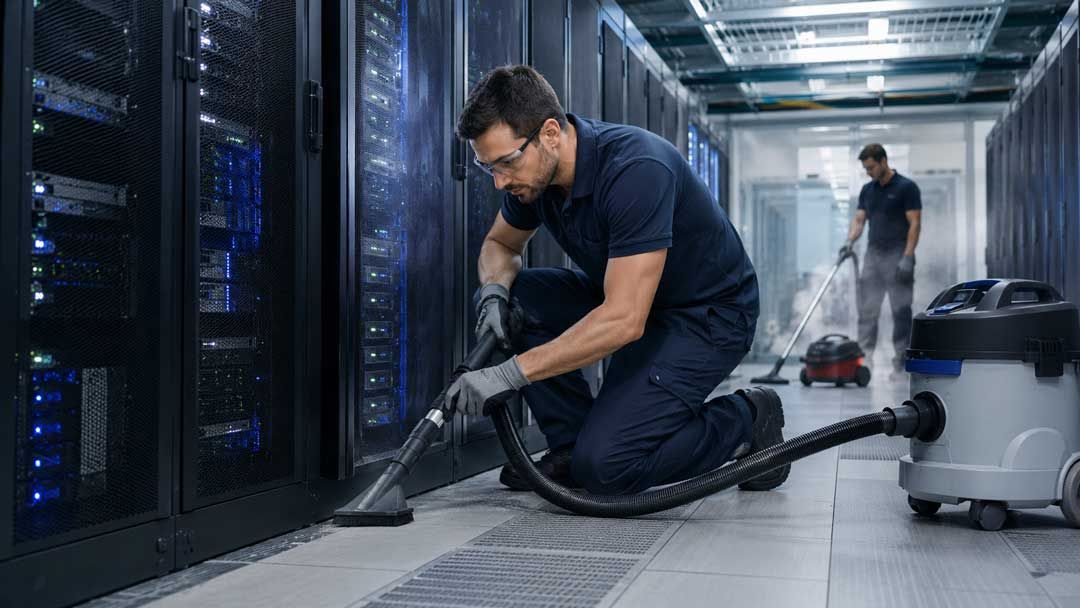
HEPA-filtered vacuum systems, when combined with sealed designs, help prevent re-release of captured particles. This containment approach supports consistent environmental conditions and reduces the likelihood of particle migration during cleaning.
Compared to standard filtration systems, HEPA units are designed to maintain higher capture efficiency across smaller particle sizes. This difference is critical in environments where even microscopic contamination can influence system performance.
Standard Vacuums May Redistribute Dust
Standard vacuum systems are not designed for controlled environments and may contribute to contamination rather than reduce it. Without advanced filtration, fine particles can pass through the system and re-enter the surrounding air.
Limited Particle Capture: Standard vacuums typically lack filtration systems capable of retaining sub-micron particles, allowing contaminants to remain in circulation.
Airborne Recirculation: During operation, fine dust can be expelled back into the environment, increasing airborne particle counts and reducing air quality.
Repeated Contamination Cycles: Particles that are not effectively removed settle again on equipment surfaces, leading to recurring buildup.
Increased Cleaning Frequency: Because contamination is not fully eliminated, facilities may require more frequent cleaning cycles to maintain acceptable conditions.
This cycle creates inefficiencies and increases operational risk in environments where contamination control is critical.
HEPA Vacuums Prevent Hardware Overheating
Effective particle removal plays a direct role in maintaining thermal stability within server environments. Dust accumulation on components restricts airflow and reduces the efficiency of cooling systems.
Thermal Blockage Reduction: Removing fine particulate matter prevents buildup on processors, circuit boards, and ventilation pathways.
Airflow Optimization: Clean airflow channels allow cooling systems to operate within designed performance ranges.
Reduced System Stress: Lower operating temperatures help reduce strain on hardware components over time.
Minimized Downtime Risk: Consistent temperature control reduces the likelihood of thermal-related system interruptions.
HEPA filtration supports these outcomes by removing particles that standard vacuuming methods often leave behind.
Standard Methods Risk Electrostatic Discharge
Electrostatic discharge remains a critical concern in server room cleaning. Standard vacuum systems are not designed to control static buildup, which introduces risk during routine cleaning activities.
Static charge can accumulate through friction within vacuum hoses, attachments, or contact with flooring systems. In high-density environments, even low-level discharge can affect sensitive electronics.
Microelectronic components are particularly vulnerable to static exposure, and damage may not be immediately visible. Latent defects can appear later as system instability or hardware failure.
Without ESD-safe equipment and procedures, cleaning activities can unintentionally introduce risks that impact uptime and equipment warranties.
Cleanstar National Inc integrates ESD-safe practices into data center cleaning protocols to reduce these risks and maintain controlled operating conditions.
HEPA Cleaning Supports Airflow Efficiency
Airflow efficiency is a foundational requirement for data center performance. Cooling systems depend on unobstructed air movement to regulate temperature across server racks and infrastructure.
Dust accumulation within airflow pathways reduces system efficiency and forces cooling units to operate under increased load. Over time, this can affect energy consumption and system reliability.
HEPA-based cleaning supports airflow optimization by removing particulate buildup from vents, grilles, and intake systems. This contributes to stable environmental conditions and supports long-term operational efficiency.
Maintaining clean airflow pathways also helps protect sensitive circuitry from contamination that may interfere with system performance.
Standard Cleaning Can Harm Equipment
The method used to clean a server environment directly affects equipment integrity. Standard cleaning tools are not designed for sensitive infrastructure and may introduce avoidable risks.
Particle Reintroduction: Inadequate filtration allows contaminants to settle on equipment after cleaning.
Surface Wear: Improper tools or attachments may cause minor abrasions to racks, cables, or components.
Dust Migration: Airborne particles can move into new areas during cleaning, expanding contamination zones.
Air Quality Impact: Poor containment of dust can affect indoor air conditions within controlled environments.
These factors reinforce the need for specialized cleaning protocols designed for mission-critical facilities.
Professional Services Ensure Compliance Standards
Compliance in data center environments requires more than routine cleaning. Facilities must follow structured protocols aligned with regulatory frameworks and operational standards.
Cleanstar National Inc delivers mission-critical facility cleaning through a self-performing workforce of over 700 E-Verified professionals operating across six states. As a founder-led organization with more than 30 years of experience in Metro Atlanta, Cleanstar applies certified protocols aligned with OSHA, IICRC, IJCSA, and ISO 14644 requirements.
Regulatory Alignment: Cleaning procedures are designed to support compliance with environmental and operational standards.
Documented Processes: Cleaning activities are tracked and documented to support audit readiness.
Controlled Equipment Use: HEPA filtration and ESD-safe tools are applied to protect sensitive infrastructure.
Risk Mitigation Focus: Cleaning strategies are structured to reduce contamination risks that affect uptime.
Audit Support: Teams support pre-handover reviews and ongoing compliance verification for critical environments.
This approach positions cleaning as a controlled process rather than a routine service function.
Comparing both methods highlights a clear operational distinction. HEPA filtration supports controlled particle removal and aligns with the requirements of regulated environments. Standard vacuuming lacks the containment and precision needed for consistent contamination control.
Facilities that prioritize structured cleaning protocols reduce exposure to contamination-related risks and improve long-term system performance. In high-density server environments, even small improvements in particle control can influence uptime, energy efficiency, and equipment longevity.
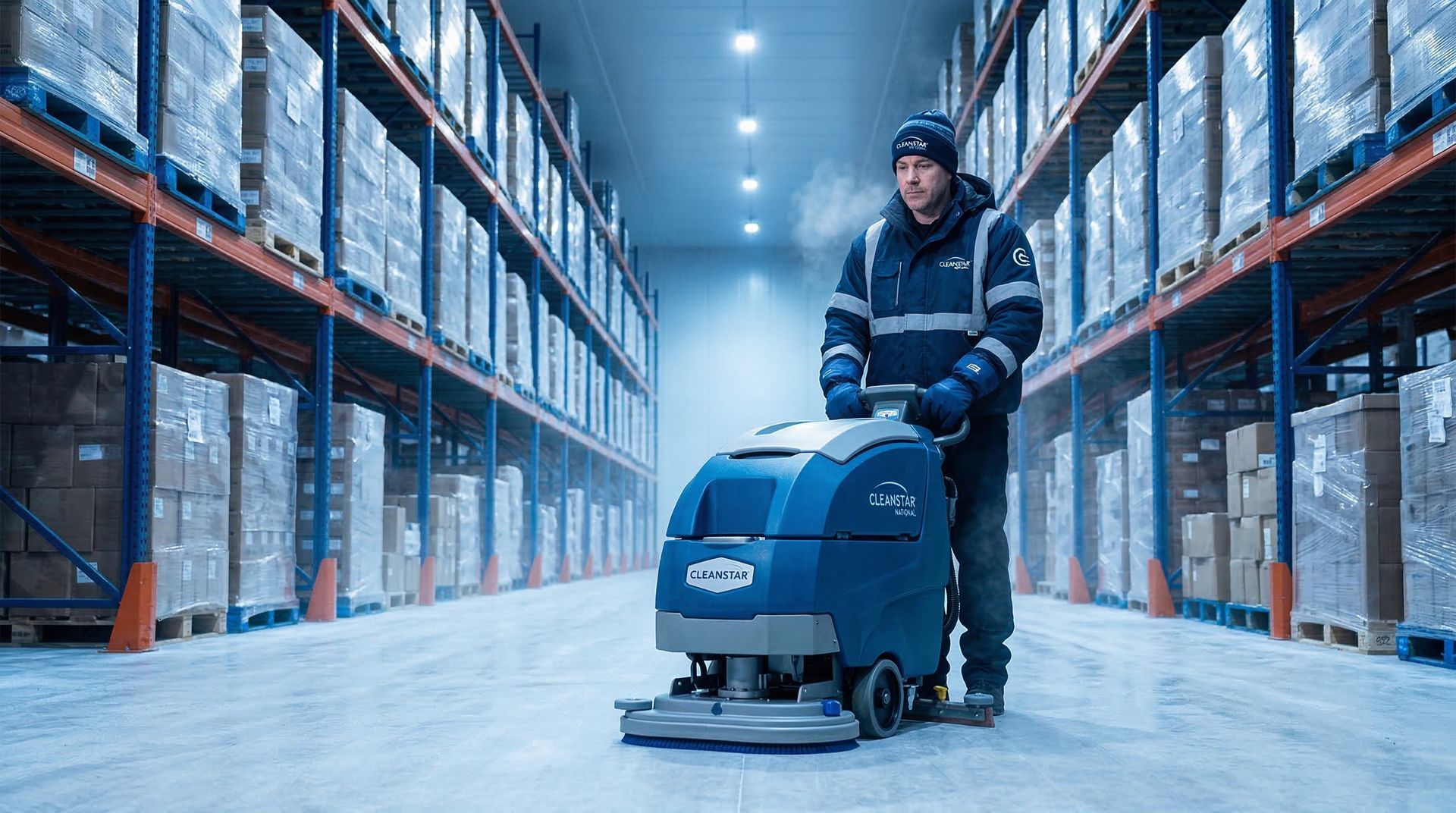
Cleanstar National Inc applies these standards across data centers, healthcare facilities, and complex environments throughout the Southeast. By combining certified personnel, validated processes, and specialized equipment, we support organizations that require reliable, compliance-driven cleaning outcomes.
For facilities operating in Atlanta and beyond, data center cleaning must function as part of a broader risk management strategy. Cleanstar delivers that standard through disciplined execution, technical expertise, and a commitment to protecting critical operations.
Cleanstar National: Expert B2B Cleaning Solutions for Atlanta's Critical Industries