2026 Server Room Cleaning Benchmark: Audit Frameworks for Uptime
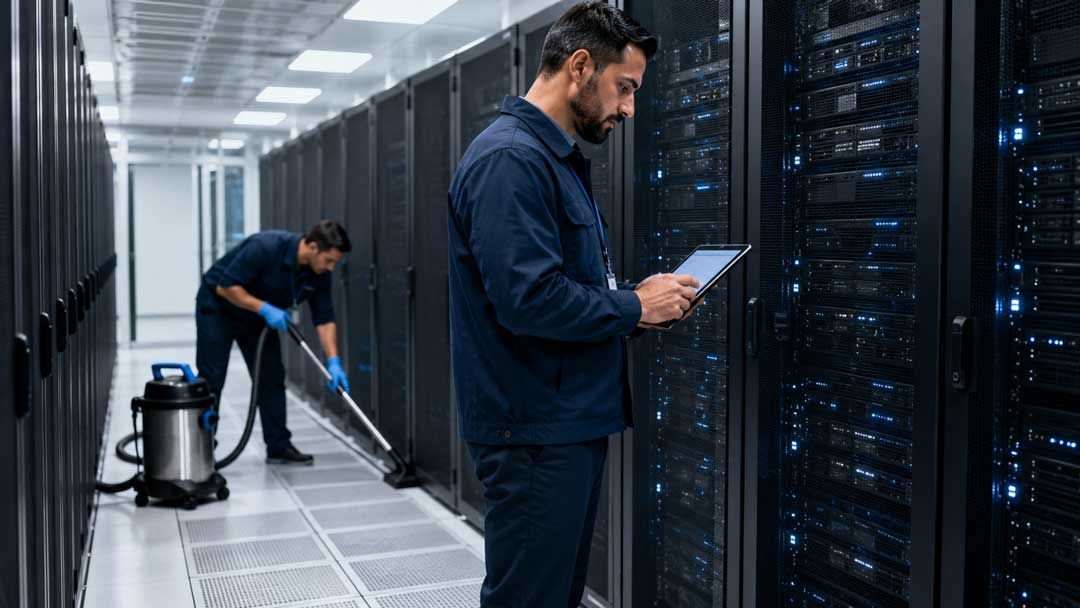
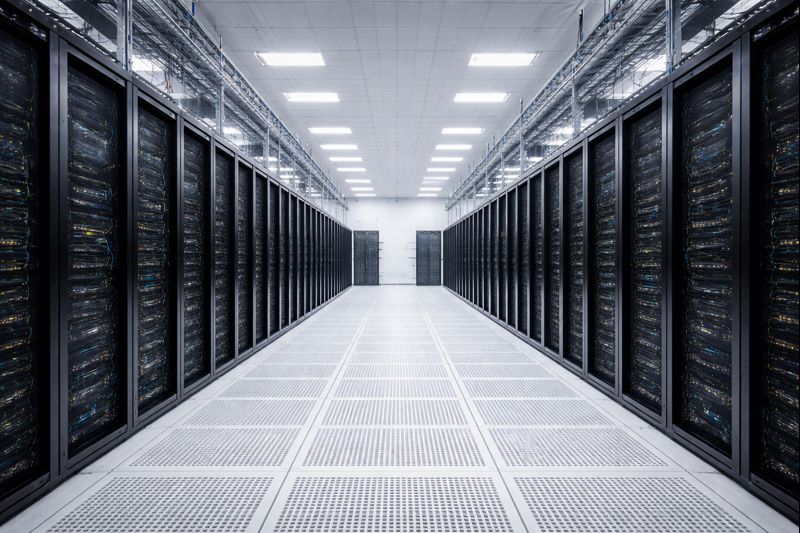
Uptime depends on much more than IT hardware. Cleaning benchmarks now act as a front-line control against dust, debris, and contaminants that can affect sensitive systems each day. Current audit expectations focus on compliance reporting as much as surface-level cleanliness, showing the need to reduce risk in controlled spaces such as data centers, server rooms, and high-tech labs.
Strict protocols must cover not only visible surfaces but also subfloors, plenum zones, air quality controls, and specialized equipment to keep spaces aligned with ISO standards. Well-planned cleaning intervals are essential for maintaining operational continuity.
This is critical in sectors such as finance, healthcare, logistics, and enterprise technology, where downtime tied to air quality or dust accumulation can create operational exposure. Working with trained crews equipped for HEPA-filtered work helps keep particle levels controlled enough to protect both hardware and audit status across Georgia facilities, cycle after cycle.
Ultimately, choosing the right path starts when ESD-safe cleaning steps are used at every level of the facility maintenance plan.
Prioritize ESD-Safe Cleaning Protocols
Static discharge remains one of the main risks to sensitive equipment within a server room. Clear ESD-safe cleaning rules should be part of audit frameworks designed to protect uptime.
ESD-Safe Tooling and Supplies: Cleaning tools should carry an anti-static rating and align with ISO 14644 and GMP requirements where applicable. ESD-protected mops and wipes help reduce the risk of static discharge near fragile circuitry during regular cleaning.
Staff Training and Certification: Staff should receive certified training on ESD safety, not only routine janitorial techniques. When teams understand that modern hardware can be highly sensitive to static, methods can be adjusted to protect next-generation computing devices.
Continuous Audit and Compliance Checks: Regular monitoring ensures that ESD controls, such as grounded footwear and tested wrist straps, remain functional during each cleaning cycle. This also supports facilities as data centers evolve infrastructure for both sustainability and safety. For facilities that need
data center cleaning in Atlanta, structured ESD controls support uptime and strict audit standards.
Implement HEPA-Filtered Cleaning Equipment
Using HEPA-filtered cleaning equipment is a key standard for reducing particulate matter in sensitive server environments. This method targets tiny contaminants that often pass through standard filters and may affect uptime and system life.
Enhanced Particle Capture: HEPA-filtered vacuums and air scrubbers are designed to capture fine particles that may include dust, metal whiskers, and belt debris. These contaminants are known threats to critical IT infrastructure when they settle near components and airflow paths.
Reduced System Downtime Risk: Dust buildup can contribute to higher equipment temperatures by restricting airflow and increasing cooling strain. When particulate levels are controlled, cooling systems operate more efficiently, and hardware is better protected from heat-related interruption.
Compliance with Industry Protocols: HEPA-filtered cleaning equipment supports ISO 14644 and GMP-aligned practices for critical environments. Audit frameworks commonly review equipment selection, process documentation, and contamination control procedures for server rooms.
Schedule Regular Deep Cleaning Intervals
The need for advanced filtration in critical environments highlights a larger point. Surface-level cleaning only works when paired with a clear deep cleaning plan. Steady uptime and compliance rely on a reliable schedule for deeper cleaning.
Regular deep cleaning intervals target hidden buildup that surface wipedowns miss, especially microscopic debris in low-access areas such as cabinet bases, rear rack zones, cable pathways, and plenum spaces.
Scheduling these cleanings helps prevent dust from clogging fan coils and airflow paths, supporting cooling efficiency and extending the life of sensitive hardware.
Scheduled intervals also support compliance with benchmark global standards such as ISO 14644-1, which call for strict control over particulate counts in mission-critical IT spaces.
The approach provides a clear way to validate cleaning outcomes by comparing pre-cleaning and post-cleaning particulate data with internal thresholds, OEM requirements, and facility risk profiles.
Maintaining this routine lowers the risk of electrostatic discharge, hardware replacement, and downtime, while giving audit teams documented proof of consistent risk control.
Maintain Clean Subfloor and Raised Floors
Maintaining clean subfloor and raised floor areas is important for server room cleaning benchmark audit frameworks that protect uptime and compliance. Keeping these areas clear of dust, debris, and static-prone particles supports equipment uptime and aligns with recognized facility maintenance practices.
Routine inspections of subfloors and raised floors help identify buildup that may affect airflow and contribute to overheating.
Loose wiring, trapped debris, and accumulated dust can restrict cooling flow. Regular cleaning and inspection help remove these risks and support stable performance.
The removal of dust and fine contaminants plays a direct role in reducing hardware strain and network downtime exposure.
Careful vacuuming of underfloor spaces and inspection of grid integrity also reinforce facility compliance during third-party audit reviews.
Coordinate Cleaning During Off-Peak Hours
Moving from subfloor and raised floor upkeep, cleaning should be coordinated during off-peak hours to reduce operational disruption. Unplanned downtime carries significant financial and reputational consequences for enterprise facilities.
When cleaning is scheduled during lower system loads, critical operations remain protected with less risk. These plans account for technical workflows and human error, since many outages trace back to mistakes made under time pressure.
Scheduling cleaning work should align with disaster recovery plans and ensure coordination with IT teams around maintenance windows. This helps prevent conflicts with change management, update rollouts, testing, or other essential work taking place while facility services are underway.
This timing discipline reduces the risk of configuration errors, network interruptions, or access conflicts when cleaning activity occurs near sensitive infrastructure. It also supports Service Level Agreements and protects both operational continuity and brand value.
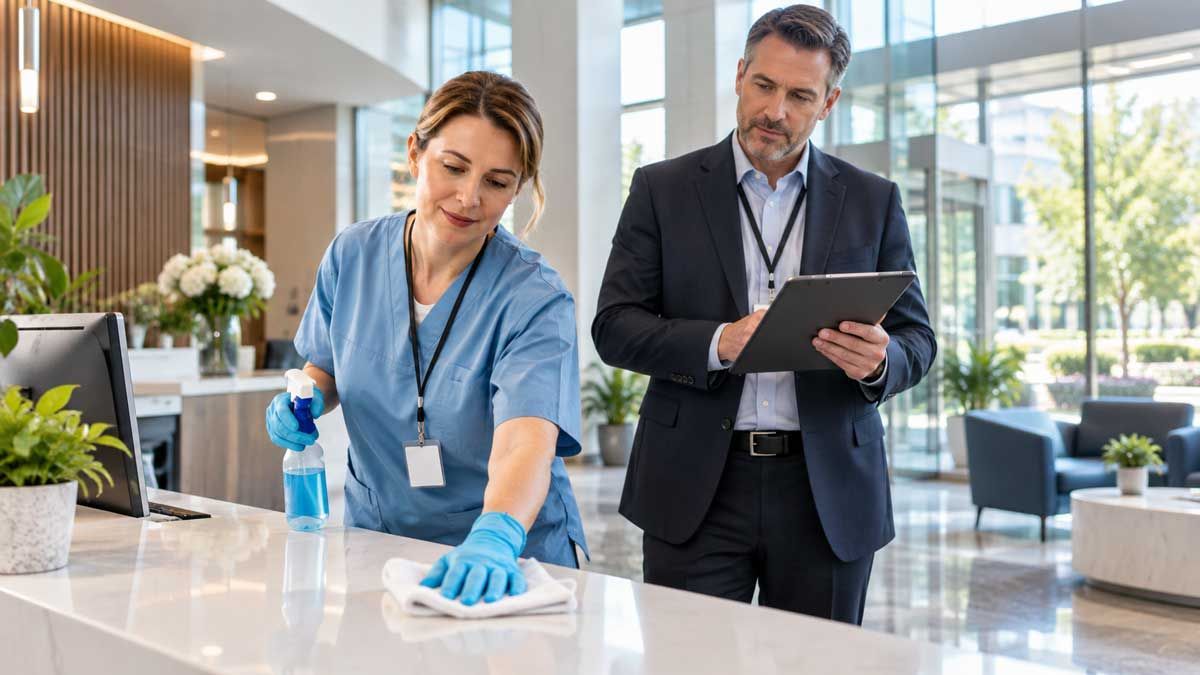
A steady audit framework ensures that every server room cleaning engagement supports compliance and uptime goals. Fast, fact-based checks identify risks before they affect performance. Clear logs from each cleaning also create proof of process and preparation for any review.
With regular benchmarking, facilities can identify where equipment, staffing, or procedures require adjustment. Cleanstar National Inc provides data center cleaning guided by ISO, EPA, GMP, and AIO safety standards. That means uptime protection is built into daily execution.
Certified steps are used for every stage of critical environment cleaning, supporting consistent results in regulated and high-performance spaces. This approach raises the standard for commercial cleaning services Atlanta businesses need when uptime, audit readiness, and infrastructure protection are the priority.
For organizations that require disciplined janitorial services, Atlanta facilities can align with compliance frameworks. Cleanstar National Inc provides founder-led experience dating back to 1995, 24/7 readiness, and a risk mitigation model built for mission-critical environments.
Together, these protocols help keep server rooms compliant, controlled, and ready for demanding operational requirements.
Cleanstar National: Expert B2B Cleaning Solutions for Atlanta's Critical Industries