Entrances and public areas
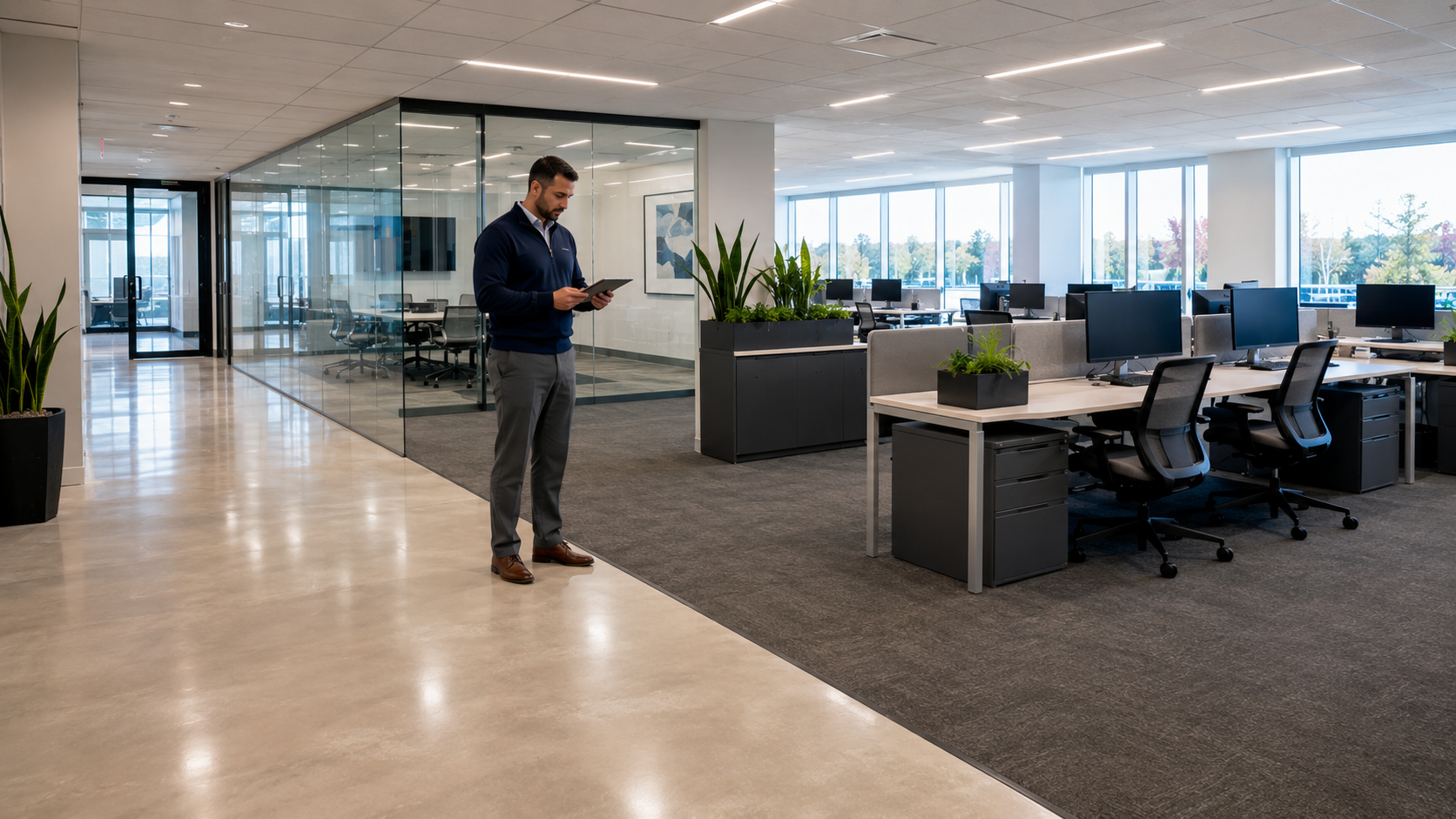
Discuss entrances, waiting rooms, public corridors, reception areas, and other approved spaces that shape the visitor experience.
Over 30 years of Commercial Janitorial Service across Georgia
Surgery center cleaning support · Gwinnett County
Cleanstar National develops scope-defined commercial cleaning support for surgery center facilities in Gwinnett County. We begin with the approved areas, building access, operating hours, and service priorities that shape the work.
Scope-first facility support
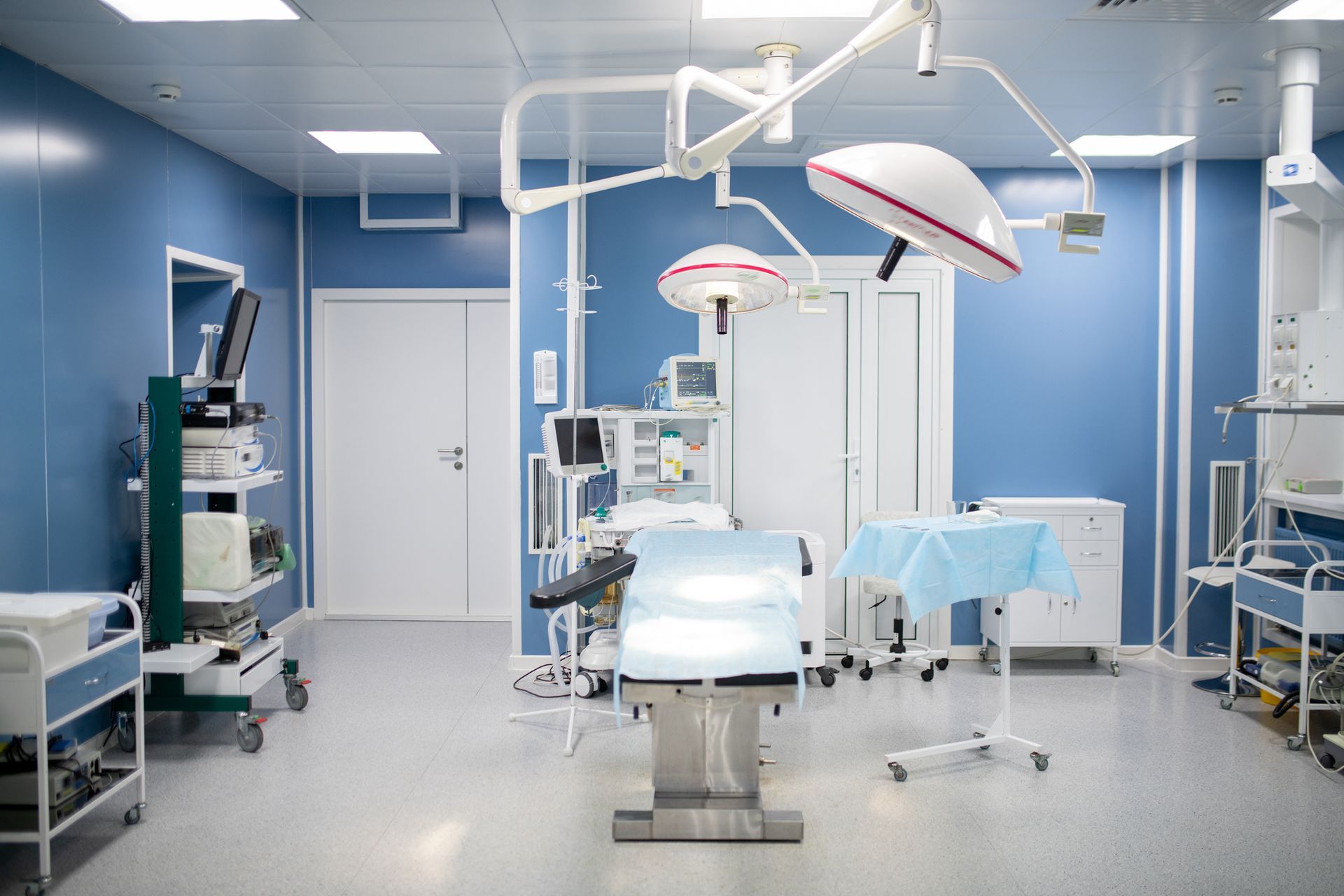
Surgery center facilities have distinct service windows, access procedures, public-facing spaces, staff areas, and operational priorities. A useful commercial cleaning proposal reflects those details instead of relying on a generic checklist.
Important scope boundary: Cleanstar's commercial cleaning support does not replace the facility's clinical, regulatory, infection prevention, sterile processing, medical waste, or other healthcare procedures. Any work in restricted or clinical areas must be evaluated and approved by the facility during planning.
Areas to discuss during a walkthrough
The walkthrough helps document what is included, how service is scheduled, and what needs direction from the facility before work begins.
Discuss entrances, waiting rooms, public corridors, reception areas, and other approved spaces that shape the visitor experience.
Review offices, staff rooms, break areas, shared workspaces, and other nonclinical areas included in the service plan.
Define the restroom, entry, common-surface, spill-response, supply, and daytime priorities that belong in the written scope.
Any proposed work in restricted or clinical areas is discussed only with facility direction and documented approval before it is included.
Transparent by design
Clear service documentation helps the facility team evaluate what is being proposed, what information is needed, and where the facility's own procedures remain in control.
The proposal identifies the spaces and surfaces included in the agreed service scope.
The timing discussion reflects access, facility operations, visitor activity, and any applicable site controls.
Facility-provided requirements, work boundaries, and communication expectations are part of the planning conversation.
Clinical, regulatory, sterile-processing, medical-waste, and infection-prevention duties remain with the facility.
A practical planning process
The strongest proposals are built from the facility's actual layout, service priorities, access procedures, operating schedule, and approved cleaning areas.
Related service discussions
Where appropriate, the facility team can discuss complementary commercial services through a separately defined proposal.
Surgery center cleaning FAQ
A scope may include entrances, waiting rooms, public corridors, administrative offices, staff spaces, restrooms, floor care priorities, and other facility-approved areas. The final scope is determined during the walkthrough.
Yes. Service timing can be discussed around building access, visitor traffic, office activity, and facility operating needs. The agreed schedule is documented in the proposal.
Yes. A day porter or daytime support plan may be developed for agreed public-facing spaces, restrooms, supply needs, spills, and other facility priorities.
We start with a walkthrough to understand the facility layout, approved areas, service timing, access procedures, and cleaning priorities. Those details inform the written proposal.
No. Cleanstar's scope does not replace the facility's clinical, regulatory, infection prevention, sterile processing, medical waste, or other healthcare procedures. Any work in restricted or clinical areas must be evaluated and approved by the facility during planning.
Cleanstar National serves Gwinnett County and the broader Metro Atlanta area. Share the facility address and service requirements so coverage can be confirmed.
Ready to define the scope?
Tell us about the site, required service window, approved areas, and facility procedures. Cleanstar National will use that context to begin a scope-defined commercial cleaning conversation.
Commercial cleaning programs designed around the operating rhythm, access, surfaces and quality expectations of Metro Atlanta facilities.
Corporate office
540 Collins Rd