Essentials of Cleaning Surgical Facilities
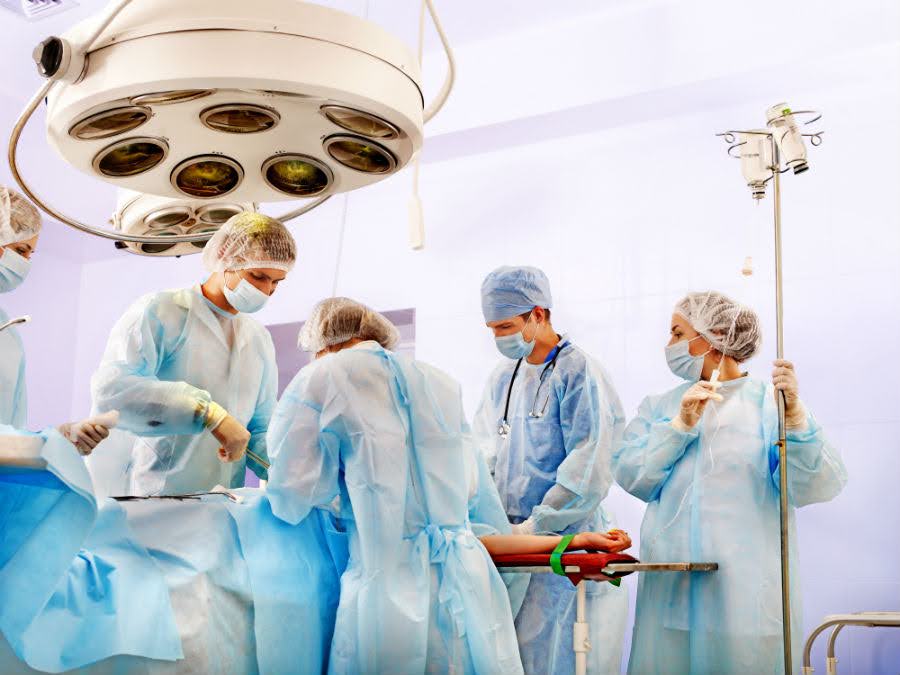
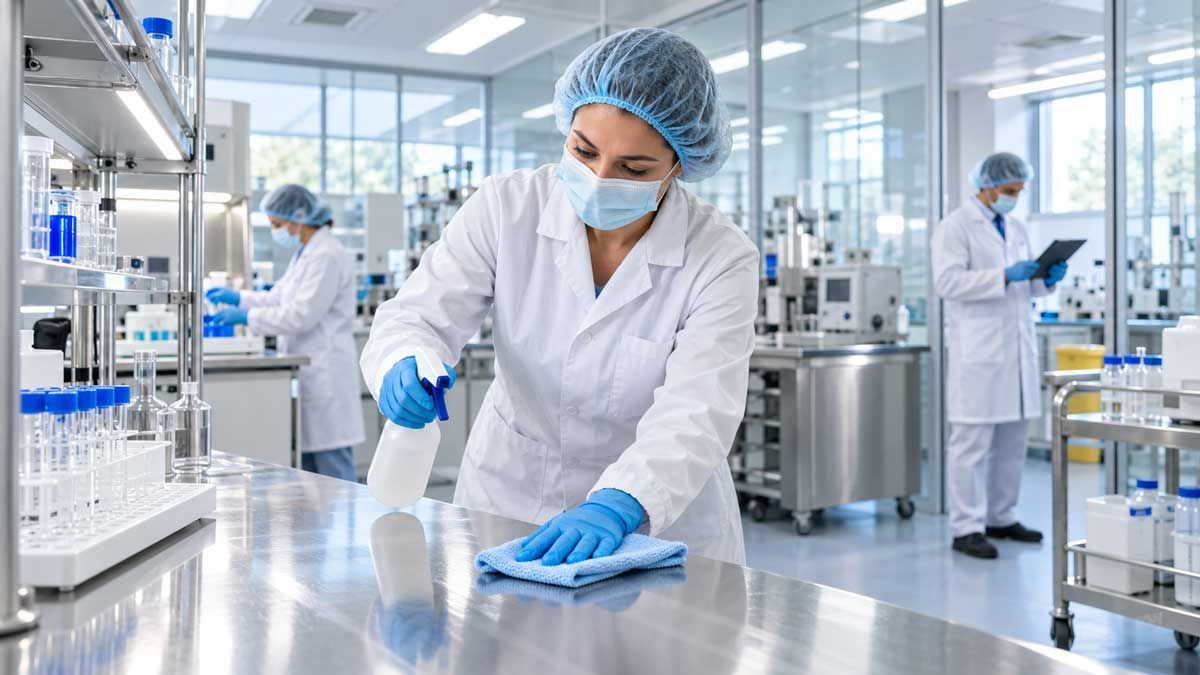
Keeping operating facilities sterile eliminates contaminants and protects patients from post-surgical infections. Unfortunately, there are many sources of contaminants in a surgical facility. These include contaminants on objects brought into the operating room, patients, and medical staff.
Failure to keep operating rooms sterile may severely affect a patient's health. Therefore, you must apply the correct cleaning procedures to ensure maximum patient safety. Below are essential factors to remember when cleaning a surgical facility.
1. Clean High Touch Surfaces
High-touch surfaces are surfaces and objects in the patient care area. These surfaces are most likely to get contaminated as medical care providers attend to the patient. Thus, they likely harbor pathogens that could infect the patient if not eliminated.
If hospital cleaners do not disinfect high-touch surfaces, healthcare staff members who touch the objects will likely acquire contaminants on their hands. Then, when caring for other patients, the staff will likely pass pathogens onto them.
High-touch surfaces to look out for when cleaning include:
- Doorknobs
- Blood pressure cuffs
- Bed rails
- Bedside tables
- Lamps
- IV poles
- Clipboards and charts
- Medicine dispensers
- Bed frames
2. Use the Right Cleaning Tools and Products
Operation equipment must remain in top condition, as a faulty machine could endanger a patient's life. Using the right cleaning equipment ensures the items in a surgical facility remain in good shape. Cleaning agents such as aerosols harm patients' health. Therefore, the cleaners in your facility must not use them.
Using brooms in operating rooms is also a bad idea as they spread dirt in the air. Therefore, instead of a broom, use a floor squeegee. When cleaning rooms with a high risk of transmission, use a tuberculocidal disinfectant registered by the Environmental Protection Agency (EPA).
3. Follow Cleaning Protocols
There are guidelines for cleaning different areas or objects in a surgical facility. While using cleaning equipment, you must apply the set cleaning and disinfection procedures for a well-done cleaning job.
For instance, you must wipe all horizontal surfaces before the first procedure of the day as they harbor dust that could cause infections. Cleaners must disinfect floors in areas up to five feet away from the operating table. Proper tools for cleaning floors include a wet vacuum fitted with an exhaust cleaner and a clean mop.
Cleaning medical equipment should follow manufacturers' instructions and guidelines to avoid damaging equipment. Removing waste products should be in line with local and state guidelines. For instance, cleaners must place infectious waste in a sealed area.
Finally, the cleaning staff must clean all rooms in a surgical facility, both used and unused at the end of the day. There are three methods applicable in end-of-day cleaning:
Zone cleaning
Zone cleaning entails dividing items in the operating facility between cleaners to ensure cleaners forget no item or area in the facility.
Perimeter Cleaning
Under the perimeter method, cleaners move all contaminated items into the middle of the room. They then clean and disinfect the room's perimeters, then disinfect the items in the middle, moving them to the perimeter until all items are clean.
Divide-in-Half cleaning
This method is similar to perimeter cleaning. Under this method, cleaners move all soiled items to one side of the room, clean and disinfect the empty side, then clean and disinfect the contaminated items and move them to the clean side.
4. Do Not Ignore Any Areas
When cleaning, cleaners must not ignore any areas in the operating room. Besides high touch surfaces, pay attention to the following surfaces:
- Cabinet interiors
- Floors
- Ceiling
- Light fixtures
- Trashcans
- Furniture and equipment
Adhering to the above essential factors helps ensure surgical facilities remain pristine, thus reducing the risk of infection. It is best to hire professional cleaning services for surgical facilities as they have staff trained on cleaning protocols and use approved cleaning products. If you need a crew to clean your surgical facility, look no further than Cleanstar National. Contact us today for more information on our medical facility cleaning services.
Cleanstar National: Expert B2B Cleaning Solutions for Atlanta's Critical Industries