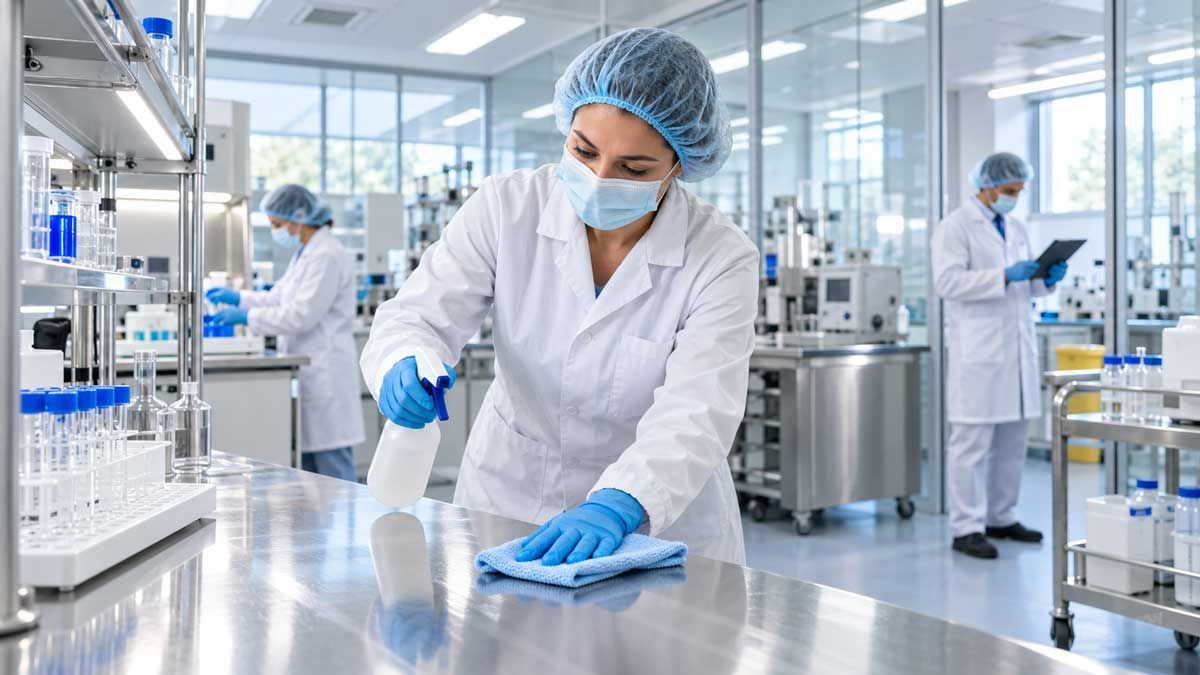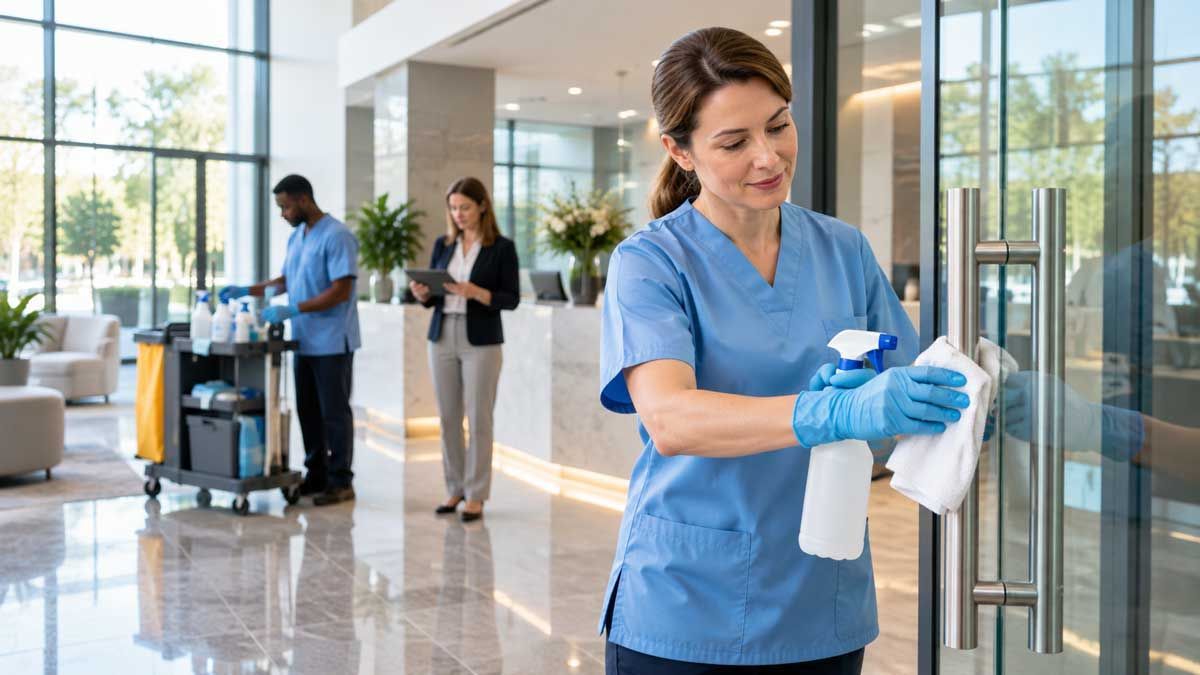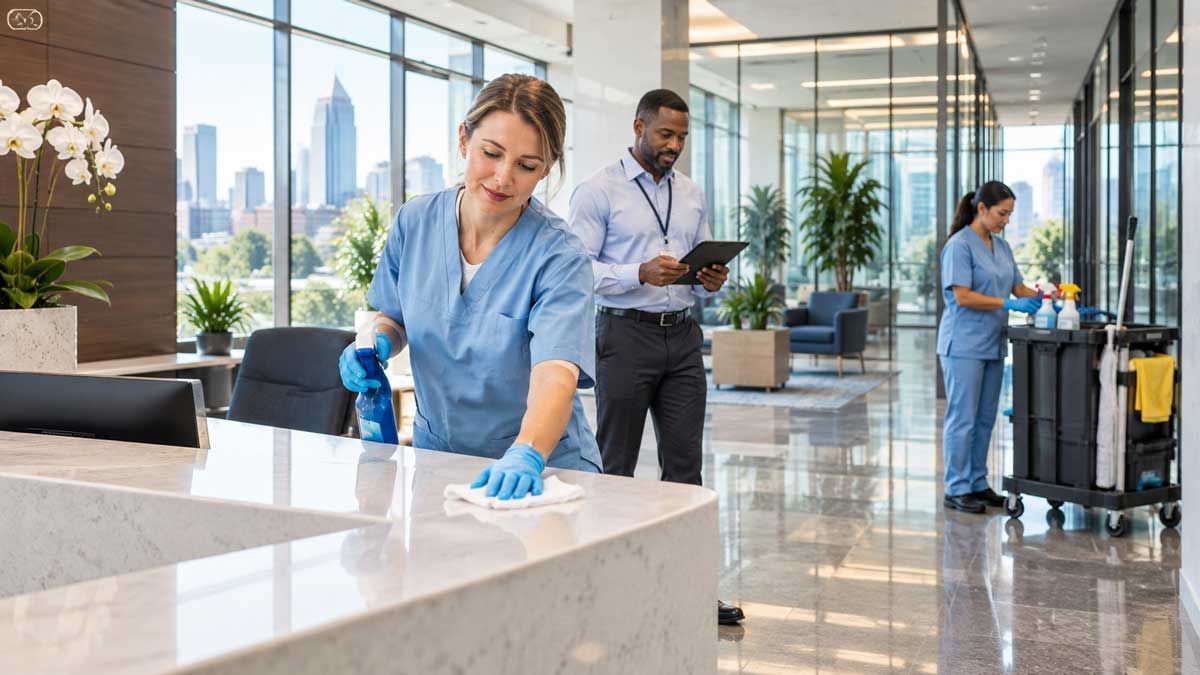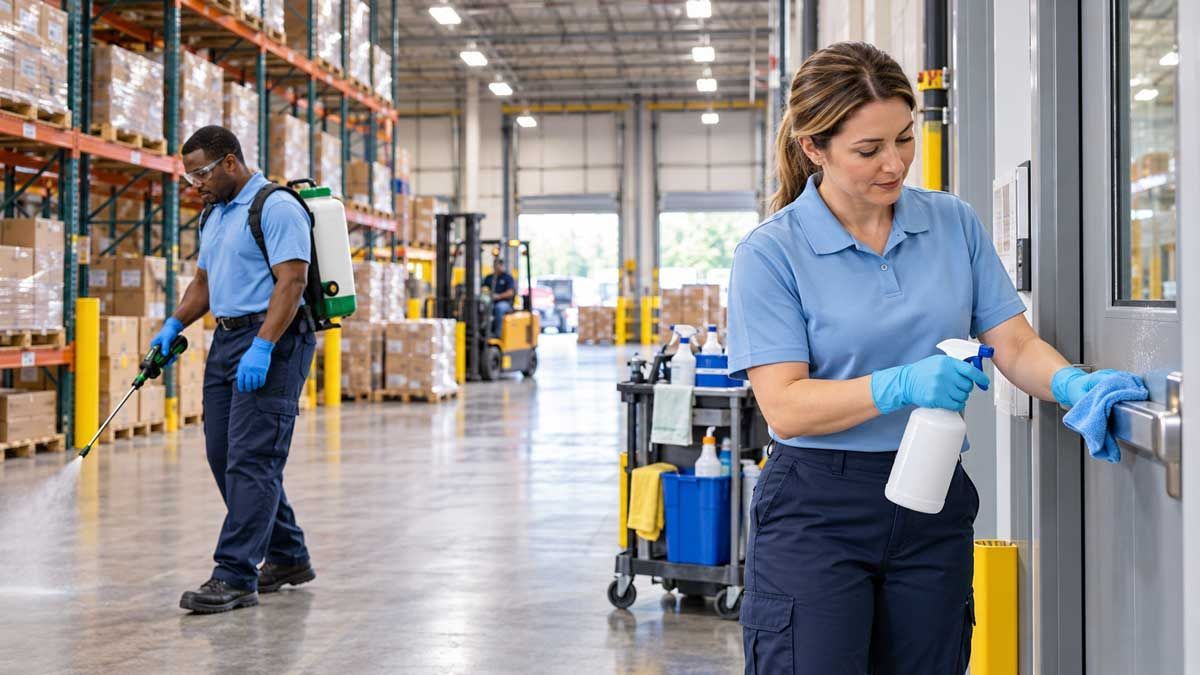
Noncompliant Biotech Facility Cleaning in Atlanta Threatens Operations in 2026
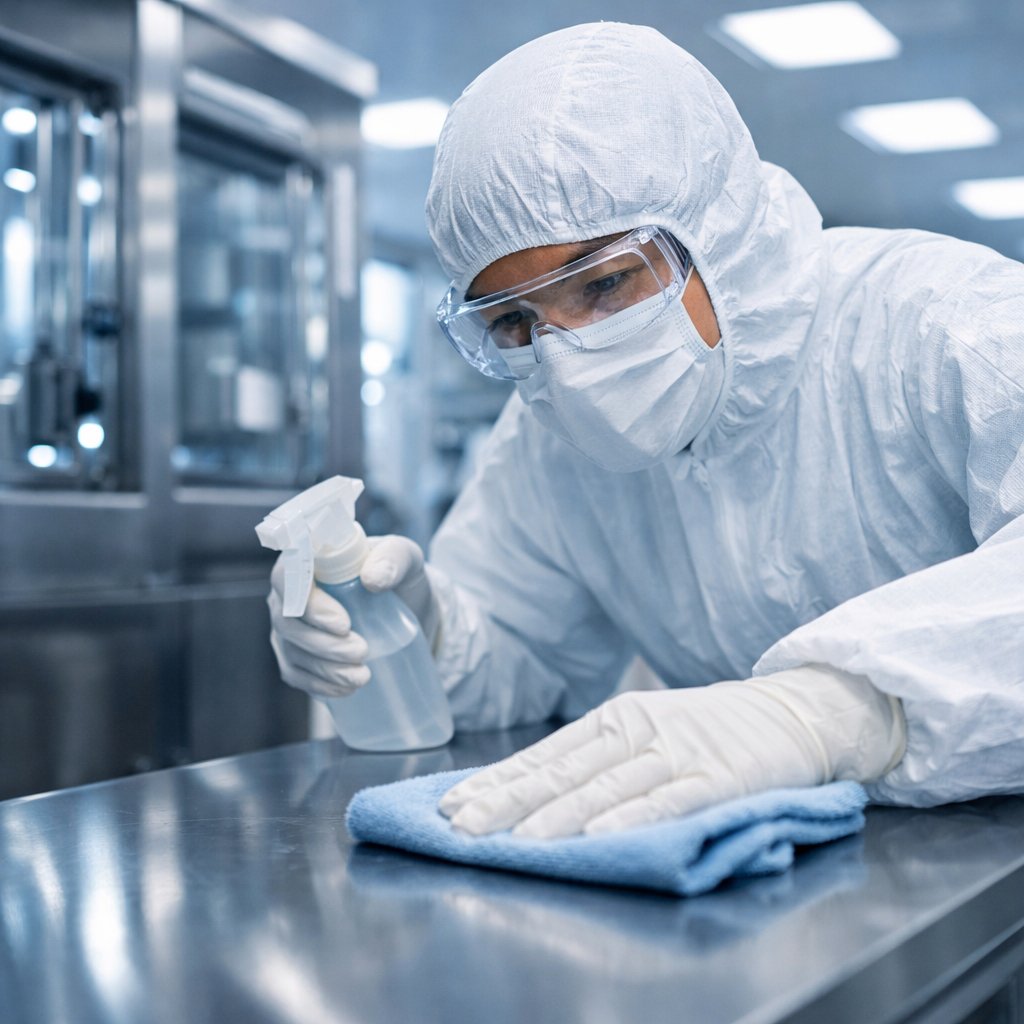
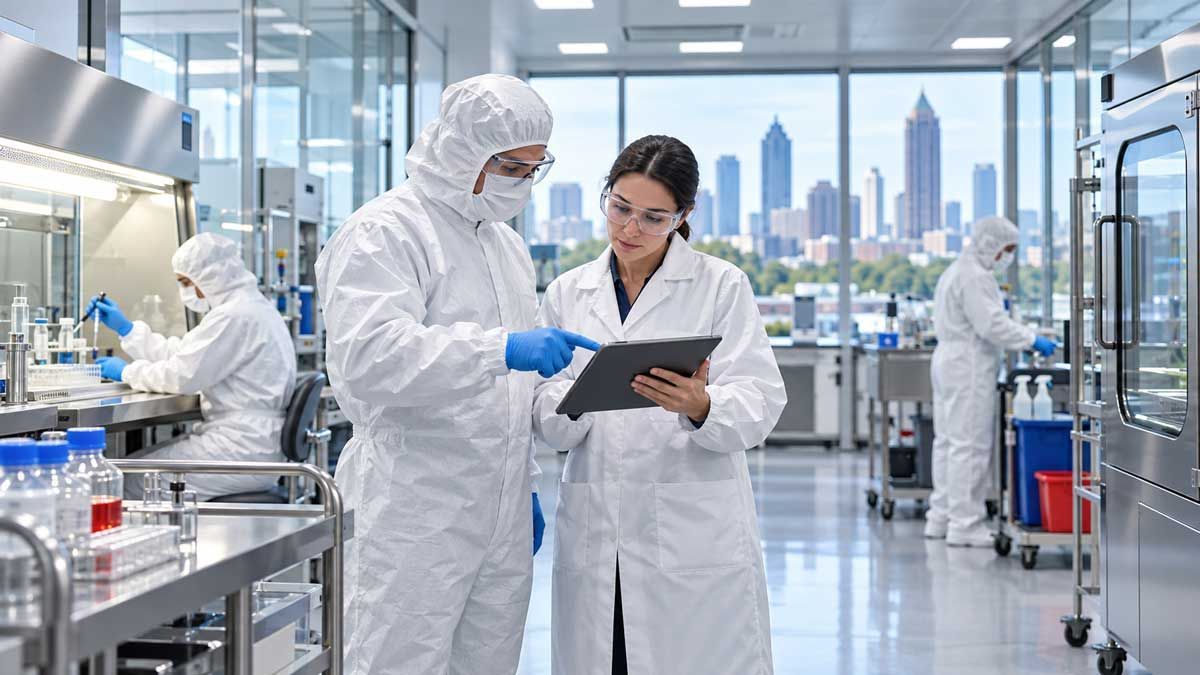
Biotech facility cleaning in Atlanta is under increasing regulatory scrutiny. What once passed inspection now draws attention, and one overlooked detail can trigger audits, delays, or full operational review.
Cleaning is not a background function. It is a control system. When that system weakens, contamination risk increases, documentation fails under review, and facilities lose the ability to prove compliance when it matters most.
Facilities with inconsistent sanitation practices are not just flagged. They are monitored. Repeat issues lead to deeper inspection cycles, increased reporting requirements, and reduced operational flexibility.
In 2026, the standard is not whether your facility is clean. It is whether your cleaning can be proven, validated, and defensible.
Regulatory Compliance in Atlanta’s Biotech Facilities
Biotech environments operate inside layered regulatory frameworks that leave little room for interpretation. Small gaps create measurable consequences.
Local and Federal Standards
Facilities must align with OSHA, EPA, ISO 14644, and GMP protocols.
Audit Frequency Is Increasing
Cleanrooms and laboratories are subject to routine inspections where documentation and personnel verification are reviewed.
Credentialed Workforce Requirements
Technicians must be trained in IICRC, IJCSA, and ESD-safe practices.
Documentation Is the System
If cleaning cannot be documented, it does not exist.
Standards Continue to Evolve
Sanitation protocols shift alongside new materials and contamination-control strategies.
Risks of Noncompliant Cleaning Practices
OSHA Violations and Exposure Risk
Failure to follow safety protocols exposes staff to hazardous conditions and regulatory action.
Chemical Handling Failures
Improper storage or mixing of cleaning agents increases compliance risk.
Workforce Liability
Unverified personnel introduces legal and operational exposure.
Financial Impacts of Cleaning Violations
Regulatory Fines
Sanitation failures can trigger penalties and increased oversight.
Operational Downtime
Contamination interrupts production and delays timelines.
Vendor Termination Risk
Facilities replace vendors that introduce compliance risk.
Insurance Exposure
Claims are often denied without validated procedures.
Remediation Costs
Correcting failures requires specialized cleaning and downtime.
Health Risks from Improper Cleaning
Chemical Exposure
Improper handling increases risk to personnel.
Airborne Contaminants
Particles and vapors can circulate in controlled environments.
Occupational Impact
Long-term exposure creates health risks.
Equipment Integrity
Contamination can interfere with sensitive systems.
Environmental Consequences of Noncompliance
Chemical Runoff
Improper disposal affects wastewater systems.
Air Quality Impact
Disinfectant misuse releases harmful vapors.
Biohazard Escape
Incomplete sanitation allows contaminants to spread.
Waste Handling Violations
Improper disposal triggers regulatory action.
Increased Oversight
Environmental issues lead to stricter monitoring.
Specialized Cleaning for Biotech and Critical Environments
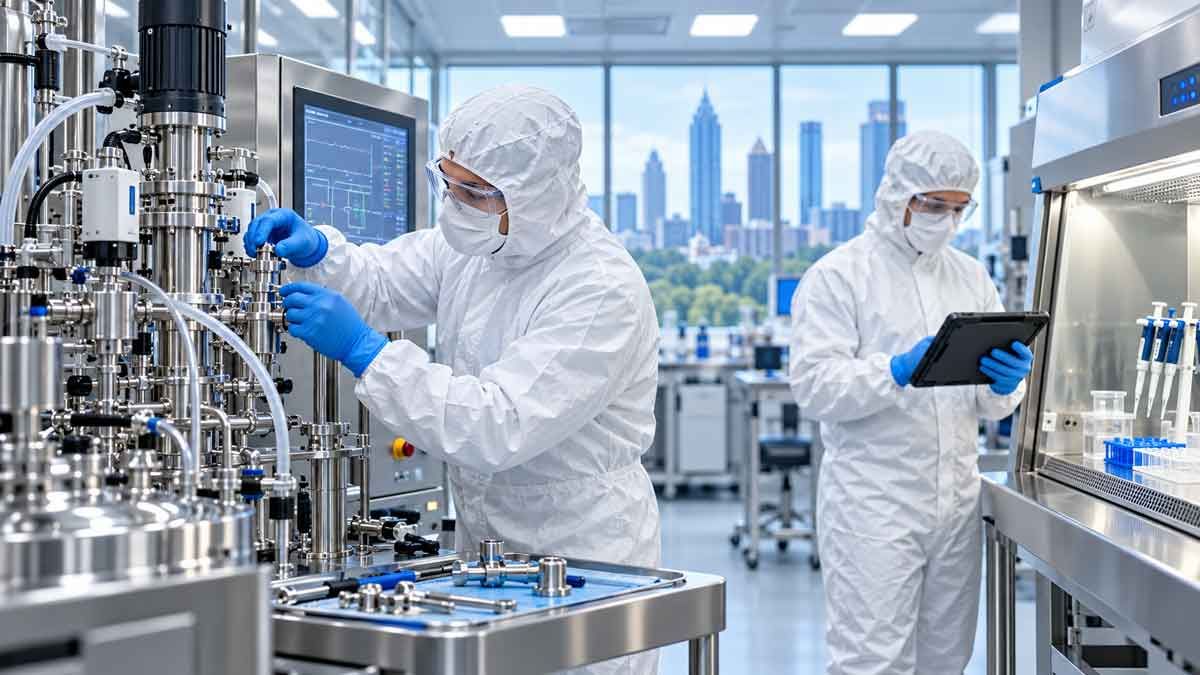
Biotech facilities require structured, compliance-driven cleaning systems. Cleanstar National supports:
- Data center cleaning in Atlanta
- Critical environment cleaning services
- Commercial cleaning services in Atlanta
- Industrial cleaning company in Atlanta
Frequently Asked Questions
What is biotech facility cleaning in Atlanta? It involves maintaining controlled environments using GMP, ISO 14644, OSHA, and EPA-aligned protocols.
Why is compliance important? It prevents contamination, protects personnel, and avoids fines or operational disruption.
What happens if compliance fails? Facilities face penalties, downtime, audits, and potential contract loss.
What standards apply? OSHA, EPA, ISO 14644, and GMP frameworks govern biotech cleaning.
What This Means for Your Facility
You are not evaluating cleaning vendors. You are evaluating risk exposure.
Noncompliance begins with small inconsistencies that surface under audit conditions. In high-precision environments, every step in a cleaning protocol contributes to operational stability.
Cleanstar National aligns its systems with GMP, ISO, and EPA frameworks to support audit-ready environments. With more than 30 years of experience and over 700 E-Verified professionals, our teams deliver cleaning programs designed to protect uptime and compliance.
Organizations across Atlanta rely on Cleanstar National when the requirement is not just clean—but controlled, documented, and defensible.
Cleanstar National: Expert B2B Cleaning Solutions for Atlanta's Critical Industries