Biotech Facility Cleaning in Atlanta: Prevent Contamination
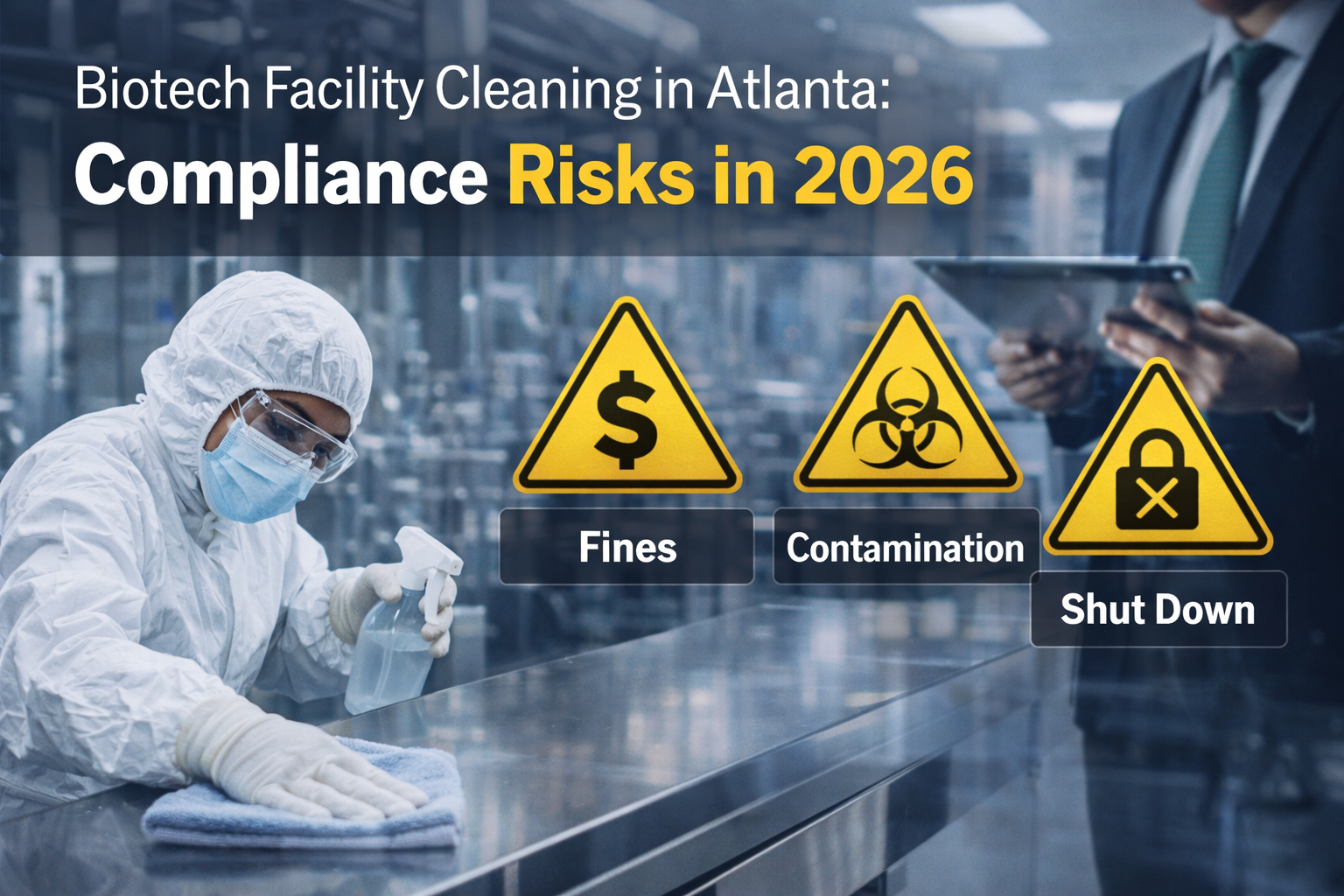
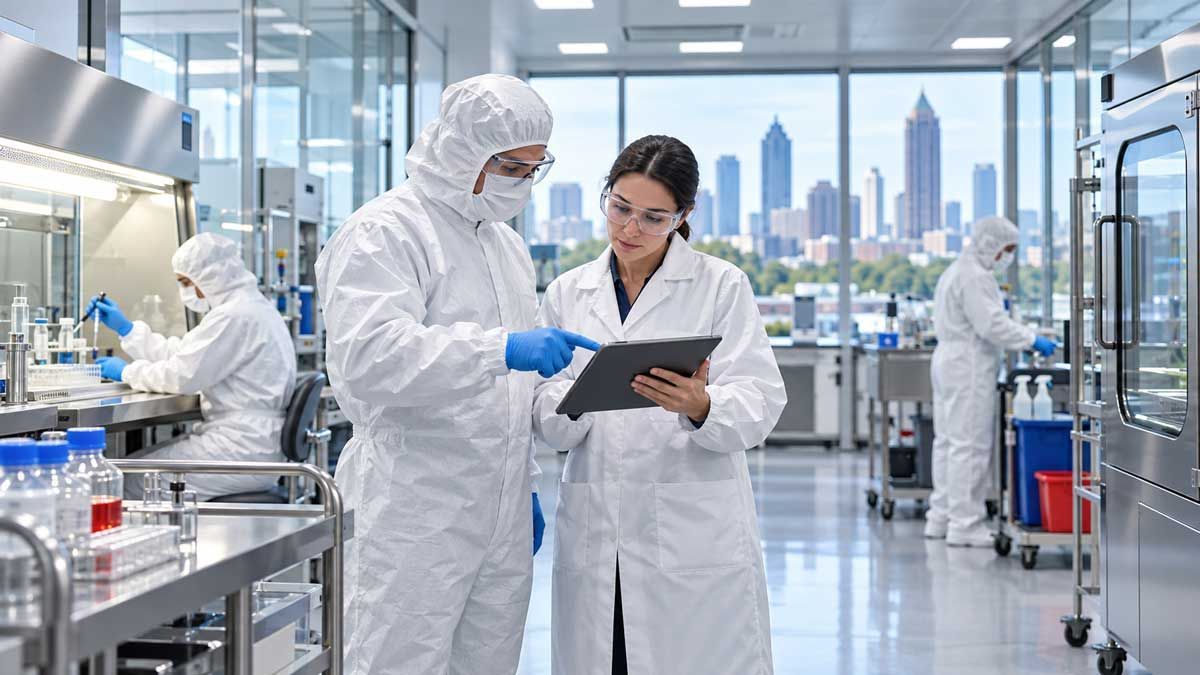
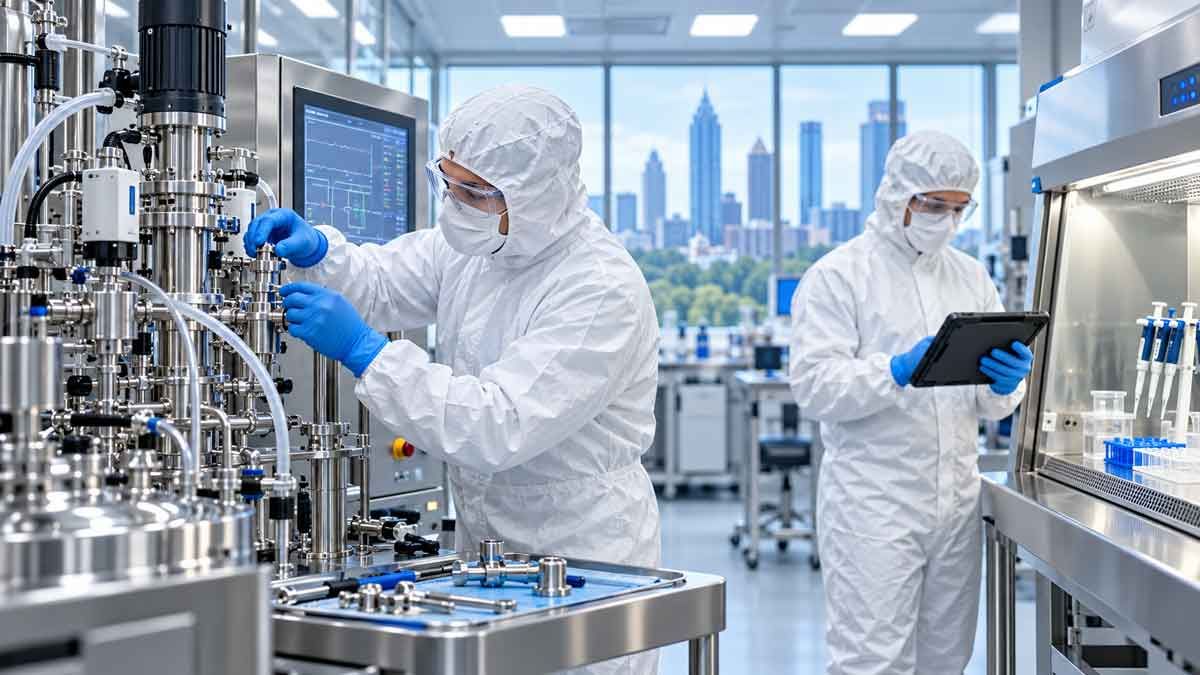
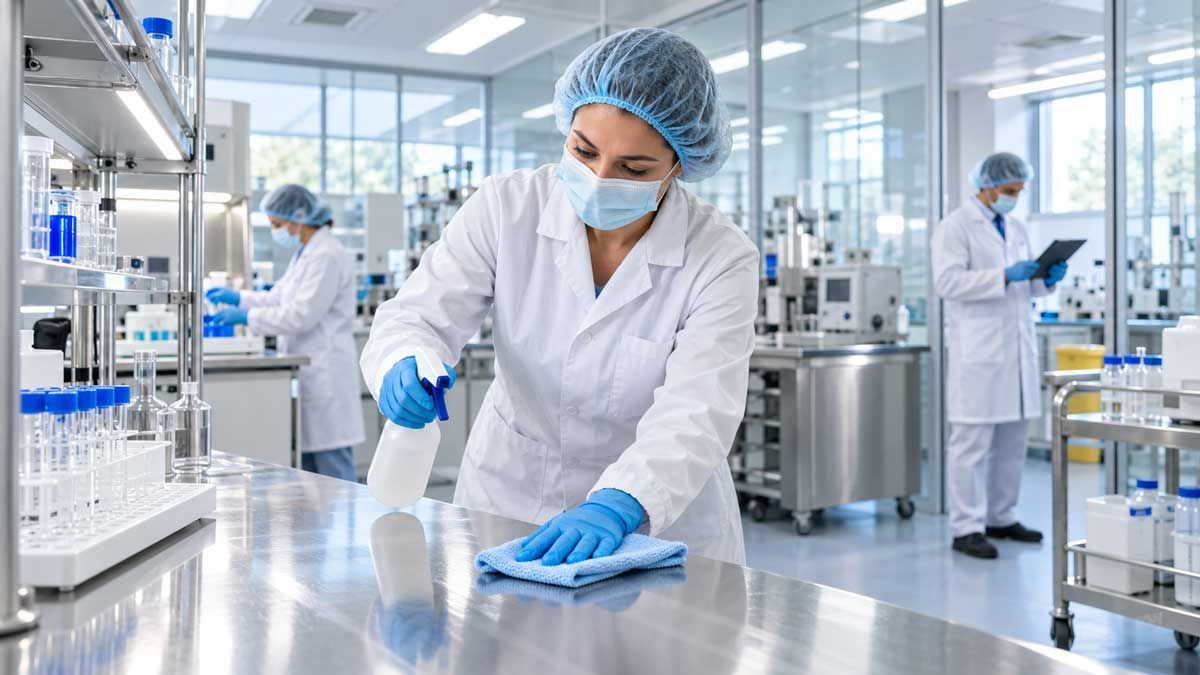
Biotech facility cleaning in Atlanta is essential for preventing contamination, protecting research timelines, and maintaining compliance with GMP, ISO 14644, and EPA standards.
Unseen microbial spores can halt operations without warning. In controlled environments, even a small lapse in sanitation allows contamination to spread through air systems, surfaces, and sensitive equipment. When detection is delayed, facilities face shutdowns, regulatory intervention, and costly disruption.
In high-value biotechnology environments, downtime is not an inconvenience. It is a measurable loss across research, production, and compliance standing.
How Undetected Spores Cause Biotech Facility Shutdowns
Microbial contamination does not begin as a visible issue. It develops quietly, often inside areas that standard cleaning cycles fail to reach.
Contamination Spreads Through Air Systems
Spores can move through HVAC systems and settle into ducts, vents, and hidden surfaces. Once inside airflow pathways, contamination can reach multiple zones before detection.
Hidden Surfaces Harbor Microbial Growth
Difficult-to-access areas, including equipment interiors and structural seams, can retain contaminants that routine sanitation overlooks.
Detection Often Happens Too Late
Without continuous environmental monitoring, contamination can reach disruptive levels before triggering alerts.
Shutdowns Trigger Immediate Response Protocols
When contamination is confirmed, facilities may be required to halt operations, initiate decontamination, and undergo validation before resuming work.
Why Biotech Facility Cleaning in Atlanta Is Critical for Compliance
Biotechnology facilities operate under strict regulatory frameworks that require precision, documentation, and consistency.
Regulatory Standards Govern Every Step
Facilities must comply with OSHA, EPA, ISO 14644, and Good Manufacturing Practice (GMP) protocols.
Documentation Is Required for Validation
Cleaning procedures must be recorded and verifiable. If sanitation cannot be documented, it does not meet compliance standards.
Audit Frequency Is Increasing
Atlanta biotech facilities face routine inspections. Gaps in sanitation procedures or documentation often surface during these audits.
Personnel Credentials Impact Compliance
Technicians must be trained in cleanroom protocols, contamination control, and ESD-safe practices.
Financial Impact of Contamination and Cleaning Failures
Contamination events quickly move from operational issues to financial consequences.
Regulatory Penalties
Noncompliance may result in fines and increased oversight.
Operational Downtime
Production delays and halted research programs can affect funding, timelines, and delivery commitments.
Contract Loss Risk
Facilities often replace vendors that introduce compliance risk.
Insurance Claim Denials
Claims tied to contamination may be denied if sanitation procedures cannot be validated.
Remediation Costs
Decontamination, validation testing, and downtime create significant recovery expenses.
Risks of Inadequate Decontamination in Biotech Environments
Incomplete cleaning protocols leave facilities exposed to ongoing contamination risk.
Cross-Contamination
Microorganisms can transfer between surfaces, equipment, and zones.
Regulatory Violations
Failure to follow validated procedures can lead to citations during inspections.
Operational Disruption
Undetected contamination may interrupt sensitive processes.
Escalating Containment Requirements
Once contamination spreads, remediation becomes more complex and time-consuming.
How to Prevent Contamination in Laboratory Facilities
Effective contamination control requires layered systems, not isolated actions.
Environmental Monitoring Systems
Particle monitoring, ATP testing, and microbial detection provide early warning signals.
Scheduled Cleanroom Cleaning
Routine sanitation aligned with ISO standards reduces contamination buildup.
Controlled Access and Barrier Systems
Limiting exposure reduces contamination entry points.
Proper Storage and Waste Handling
Secure handling procedures prevent accidental contamination spread.
Routine Compliance Audits
Regular inspections identify weaknesses before they escalate.
The Role of Facility Maintenance in Contamination Control
Facility maintenance supports both compliance and operational stability.
Equipment Performance Protection
Well-maintained systems reduce unexpected failure points.
Early Detection of Risk Factors
Routine inspections reveal contamination indicators before escalation.
Documentation for Compliance
Maintenance records support regulatory audits and validation processes.
Operational Predictability
Consistent maintenance reduces disruptions across research and production.
Choosing Certified Biotech Cleaning Services in Atlanta
Selecting the right cleaning partner directly impacts contamination control and compliance outcomes.
Technical Expertise Matters
Certified teams understand cleanroom environments and contamination risks.
Protocol Alignment Is Critical
Cleaning providers must follow GMP, ISO, and OSHA-aligned procedures.
Monitoring and Documentation Support
Experienced teams provide records that support audits and compliance reviews.
Reliability Reduces Risk
Consistent execution prevents contamination events before they begin.
Biotech and Critical Environment Cleaning Services
Cleanstar National provides specialized cleaning services designed for controlled environments:
- Data center cleaning in Atlanta
- Critical environment cleaning services
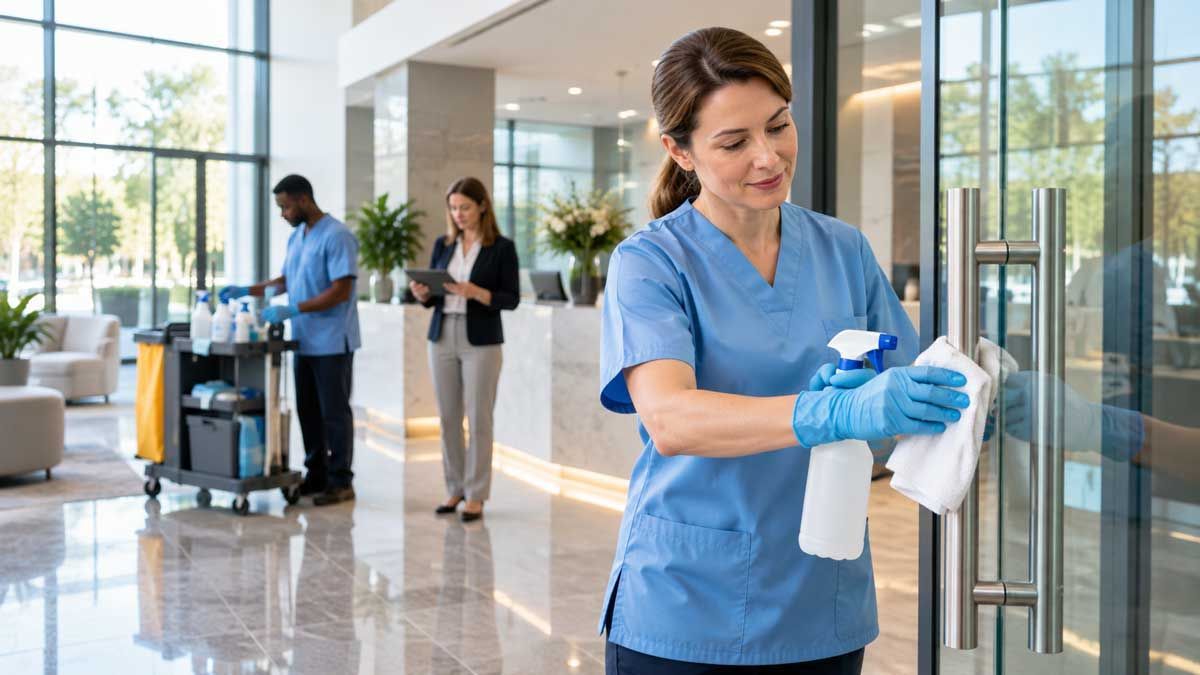
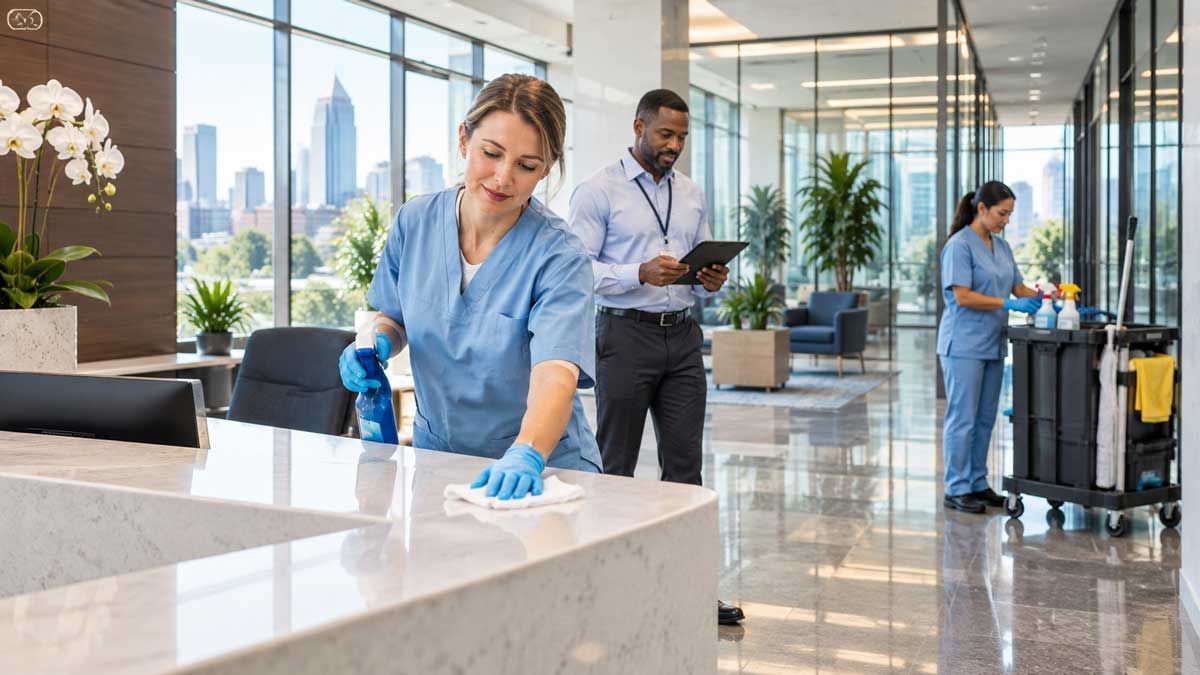
- Commercial cleaning services in Atlanta
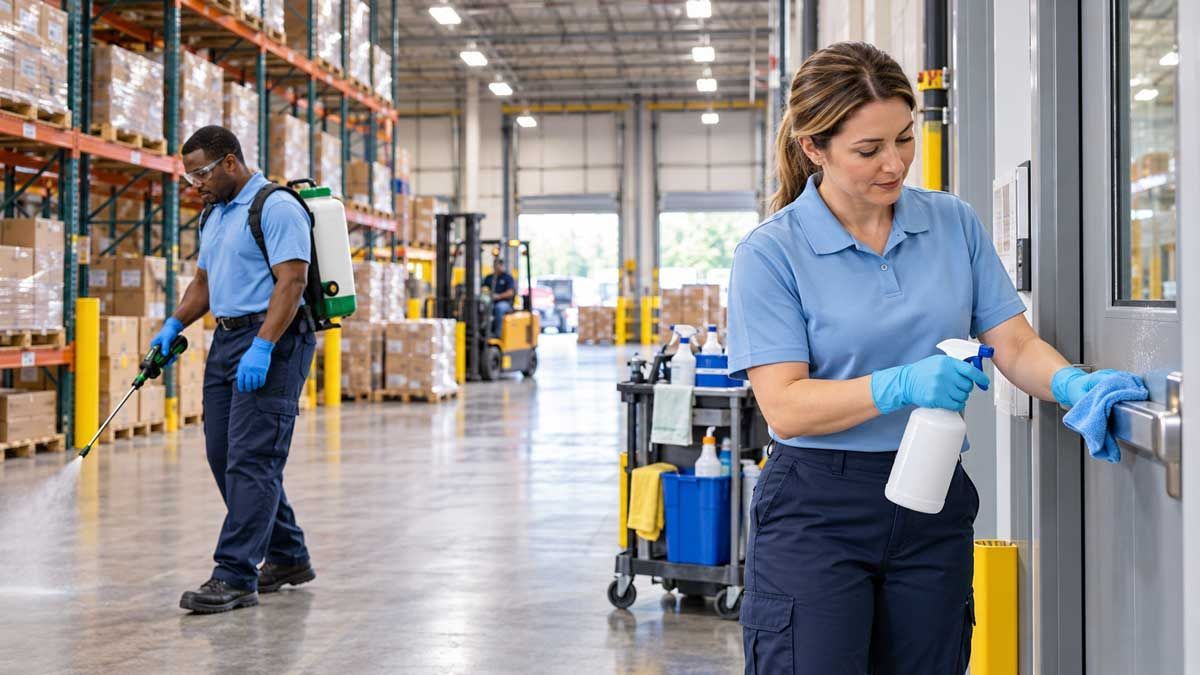
- Industrial cleaning company in Atlanta
Each service is aligned with GMP, ISO, and EPA frameworks to support compliance and operational continuity.
Frequently Asked Questions
What is biotech facility cleaning in Atlanta? Biotech facility cleaning involves maintaining laboratories and controlled environments using GMP, ISO 14644, OSHA, and EPA-aligned protocols.
Why is compliance important in biotech cleaning? Compliance prevents contamination, protects personnel, and avoids regulatory penalties and operational disruption.
What happens if contamination is detected? Facilities may halt operations, perform remediation, and complete validation before resuming work.
What standards apply to biotech cleaning? OSHA, EPA, ISO 14644, and GMP frameworks govern sanitation practices.
What This Means for Your Facility
You are not selecting a cleaning vendor. You are managing risk.
In controlled environments, contamination is not eliminated. It is controlled through disciplined systems, trained personnel, and validated procedures.
Cleanstar National provides biotech facility cleaning and critical environment sanitation services designed to support compliance, protect equipment, and maintain operational continuity. With over 30 years of experience and a workforce of 700+ E-Verified professionals, we help biotechnology facilities across Atlanta maintain audit readiness and prevent costly disruption.
Cleanstar National: Expert B2B Cleaning Solutions for Atlanta's Critical Industries