Wet Cleaning vs Dry Cleaning: Biotech Facility Risks in 2026
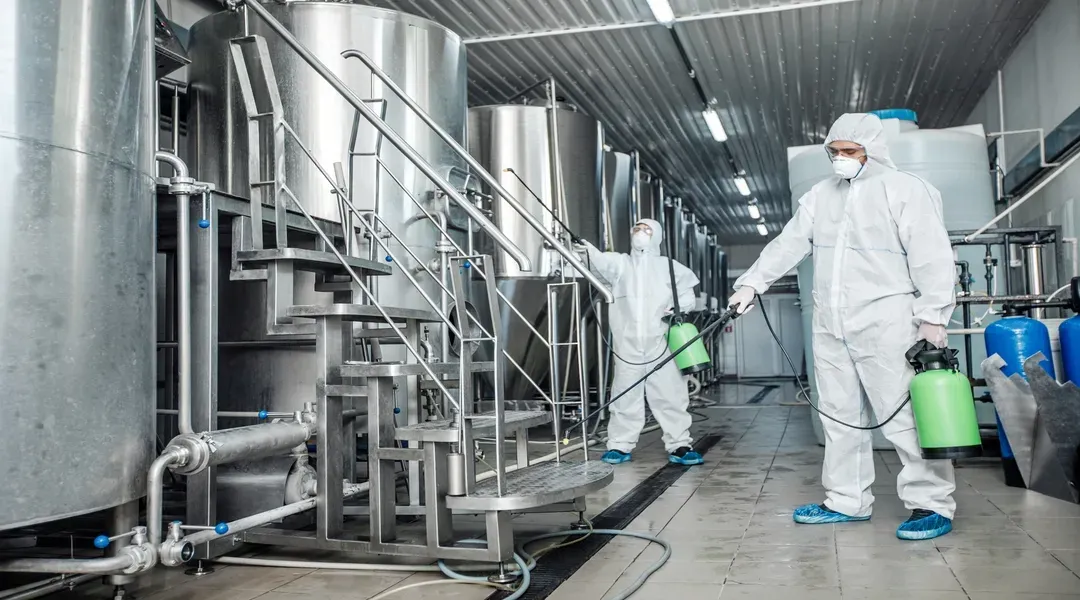
Selecting the right cleaning method in biotech facilities means more than achieving a tidy appearance. Wet cleaning and dry cleaning carry different operational risks inside mission-critical environments, from cross-contamination concerns to chemical residues that may affect lab safety, process control, or research integrity.
Poor cleaning practices continue to create unnecessary exposure in sensitive facilities, especially where manual processes lack documentation, verification, or clear oversight. Each method, wet or dry, must be evaluated according to the specific needs of the site, including delicate equipment surfaces, controlled airflow systems, cleanroom requirements, and evolving regulatory expectations across Atlanta’s life sciences sector.
Facilities also need to account for how moisture, residue, and material compatibility affect high-stakes environments. In certain settings, water intrusion during wet cleaning may raise microbial risks. In others, dry cleaning may leave behind particulate matter or residue that compromises surfaces and controlled zones. These are not cosmetic concerns. They affect uptime, validation, and compliance.
Your next key step is to determine which cleaning methods best support operational continuity without introducing avoidable risk in biotech spaces that depend on control, documentation, and consistent execution.
Assessing Cleaning Methods for Biotech Facilities
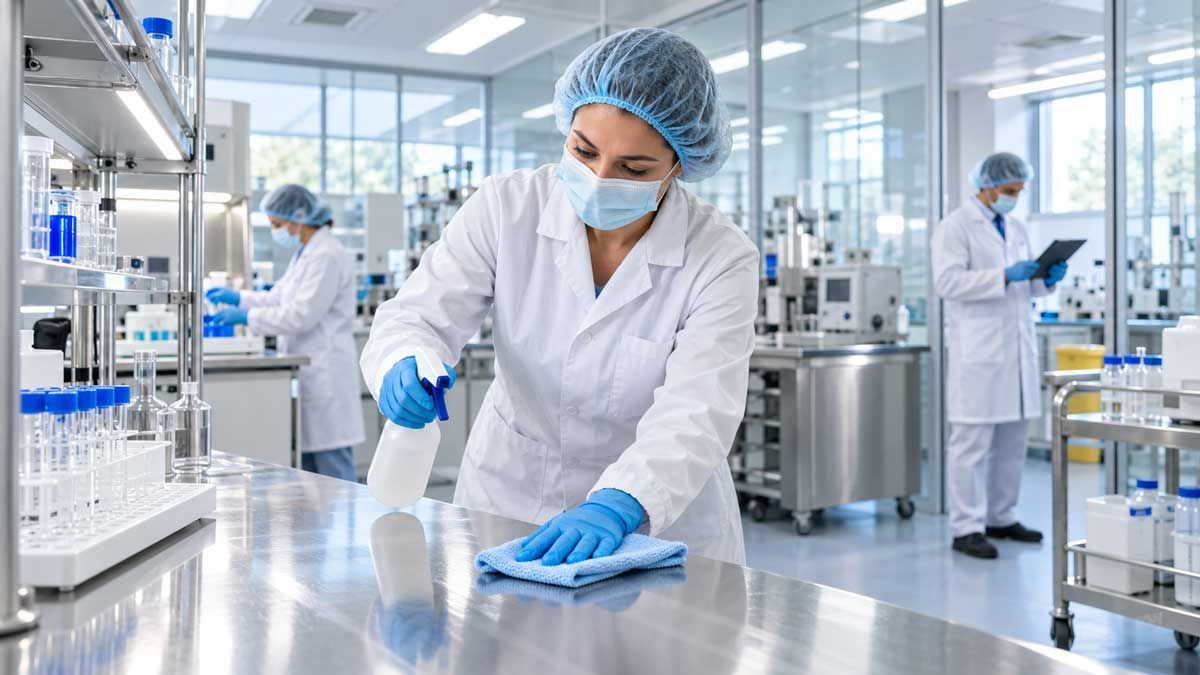
Selecting a cleaning method in biotech facilities requires balancing sanitation performance, surface compatibility, and regulatory risk. In 2026, the best decision must reduce contamination exposure, support environmental control, and align with documented facility requirements. For many operators, biotech facility cleaning in Atlanta now depends on selecting methods that match the specific conditions in each room, process area, and support space.
Risk Mitigation Strategy: Wet cleaning provides effective decontamination in many environments, but it can also raise humidity and moisture risk around sensitive systems. Dry cleaning reduces moisture exposure and may suit electronics or controlled dry spaces, yet it can leave behind dust or residue if not validated carefully.
Workforce Training and Automation: Both wet and dry cleaning methods require trained personnel who understand facility-specific procedures, equipment handling, and contamination control expectations. Automation may support routine tasks, but human oversight remains necessary for compliance, verification, and error prevention.
Sustainability and Resource Control: Water use, chemical consumption, and waste reduction continue to influence facility decisions. Smart dosing systems, controlled product application, and resource-conscious cleaning plans support operational efficiency and ESG goals without compromising biotech facility cleaning standards.
This assessment cannot be one-size-fits-all. Facilities need cleaning methods that reflect their operational profile, environmental sensitivity, and regulatory burden.
Evaluating Wet Cleaning Advantages and Limitations
Evaluating the advantages and limitations of wet cleaning is essential when comparing its role to dry cleaning within biotech environments. Wet cleaning can support sanitation goals, but only when matched to the right surfaces, conditions, and controls.
Environmental Safety: Wet cleaning can support cleaner air and more controlled residue removal in many facility areas. It often avoids solvent-heavy approaches and may help reduce airborne particulate disturbance during the cleaning process.
Material Compatibility: Wet cleaning works well for certain fabrics, garments, and surface types used in support spaces or controlled workflows. When applied correctly, it can protect materials from some forms of abrasion while supporting consistent sanitation.
Risk of Surface or Material Damage: Wet cleaning may create risk where seams, absorbent materials, sensitive finishes, or moisture-sensitive equipment are involved. If water is not controlled carefully, facilities may face lingering dampness, microbial growth, or material wear over time.
Wet cleaning is not inherently safer or riskier than dry cleaning. Its value depends on where it is used, how it is applied, and whether the facility has controls in place to manage moisture and residue.
Understanding Dry Cleaning Risks and Considerations
While wet cleaning offers advantages in some settings, dry cleaning also brings specific risks and performance considerations in biotech environments. Choosing dry methods in 2026 requires close attention to contamination control, material response, and chemical exposure.
Solvent Residue Risks: Even with modern equipment, trace residues may remain on garments, lab materials, or sensitive surfaces after dry cleaning. In controlled environments, those residues can create process concerns. Facilities evaluating this risk can also review biotech residue risks, since residue management remains a priority in controlled sanitation programs.
Airborne Chemical Concerns: Solvent-based processes may introduce volatile compounds into work areas if controls are weak or ventilation is inadequate. This can affect staff safety, surface conditions, and environmental compliance.
Material Compatibility Issues: Some specialty garments or protective materials may degrade over repeated dry cleaning cycles. This can weaken barrier performance or reduce usable life.
Regulation and Compliance Gaps: Dry cleaning methods may not always align cleanly with facility-specific biotech sanitation expectations. Operators must verify vendor claims, product compatibility, and documentation standards before relying on the method in controlled settings.
Dry cleaning may reduce moisture-related risk, but it does not eliminate contamination risk. Its use must be validated in relation to the materials, surfaces, and process zones involved.
Impact of Cleaning Methods on Facility Safety
Both wet cleaning and dry cleaning directly affect facility safety inside biotech operations. Managers need to evaluate the operational and environmental implications of each method rather than relying on convenience or habit.
Worker Health and Exposure: Wet cleaning may reduce airborne dust movement during sanitation, which can support cleaner working conditions. At the same time, excess moisture can create slip hazards or lead to unsafe floor conditions if not controlled.
Pathogen and Residue Removal: Wet cleaning can support broader removal of bio-residue on certain surfaces when paired with proper agents and dwell times. Dry cleaning may perform well in low-moisture zones but may be less effective where residue must be fully lifted and removed.
Containment of Cross-Contamination Risks: Dry methods can spread particles if agitation is not managed carefully. Wet methods can reduce that risk in some settings, but improper application may push moisture into electronics, seams, or hidden spaces.
Facility safety improves when the method is matched to the risk profile of the space, not when one method is treated as the universal answer.
Choosing Between Wet and Dry Methods in Controlled Environments
Controlled biotech environments demand method selection that reflects room classification, equipment sensitivity, and validation requirements. In many facilities, the answer is not exclusively wet or dry. It is a documented mix of methods assigned by zone, surface type, and contamination exposure.
Dry approaches may be better suited for electronics-adjacent areas, dry utility spaces, and surfaces where moisture intrusion would create avoidable risk. Wet cleaning may be appropriate where bio-residue removal, disinfection, or surface flushing is required, provided moisture is tightly managed and recovery times are accounted for.
In highly sensitive spaces, cleanroom and controlled environment cleaning helps reinforce method selection with ISO-compliant, HEPA-filtered, anti-static protocols rather than general-purpose cleaning routines.
Compliance and Documentation Considerations
Cleaning method selection also affects how biotech facilities manage inspections, documentation, and regulatory scrutiny. Validation is not just about what was cleaned. It is about proving the method used was appropriate, repeatable, and controlled.
Facilities need written procedures that explain when wet cleaning is allowed, where dry methods are preferred, how residues are checked, and how chemical or moisture exposure is documented. Without that structure, sanitation decisions become inconsistent and harder to defend during review.
Teams under growing regulatory pressure can also review biotech compliance risks in 2026, since current Cleanstar guidance emphasizes that contamination control in biotech facilities must be supported by disciplined systems, trained personnel, and validated procedures.
Structured Cleaning Methods Protect Operational Continuity
Choosing between wet cleaning and dry cleaning affects how biotech facilities manage contamination risk, compliance pressure, and operational continuity. The right method can influence whether a space remains stable, validated, and ready for inspection. Wet cleaning may help remove bio-residue effectively, but it can also introduce moisture-related risks or longer recovery periods. Dry cleaning may reduce water-related exposure, but it may leave behind microscopic particulates or solvent concerns if not controlled properly.
Cleanstar National Inc supports biotech facility cleaning with methods aligned to room type, material sensitivity, and regulatory expectations. Their teams work within mission-critical cleaning and controlled-environment frameworks designed for spaces where downtime, contamination, and compliance failures are unacceptable.
We help clients document sanitation activity, reduce contamination exposure, and maintain consistent performance across biotech, cleanroom, and critical environment settings. With more than 30 years of experience and a workforce of over 700 E-Verified professionals, Cleanstar National Inc delivers validated support across Metro Atlanta and the Southeast.
For biotech facilities, cleaning is not about appearance. It is about contamination control, uptime protection, and regulatory readiness. Schedule a facility assessment when you need cleaning methods aligned with controlled environments and audit-ready execution.
Cleanstar National: Expert B2B Cleaning Solutions for Atlanta's Critical Industries