Surface Residue Escalates Biotech Cleanroom Contamination Risks
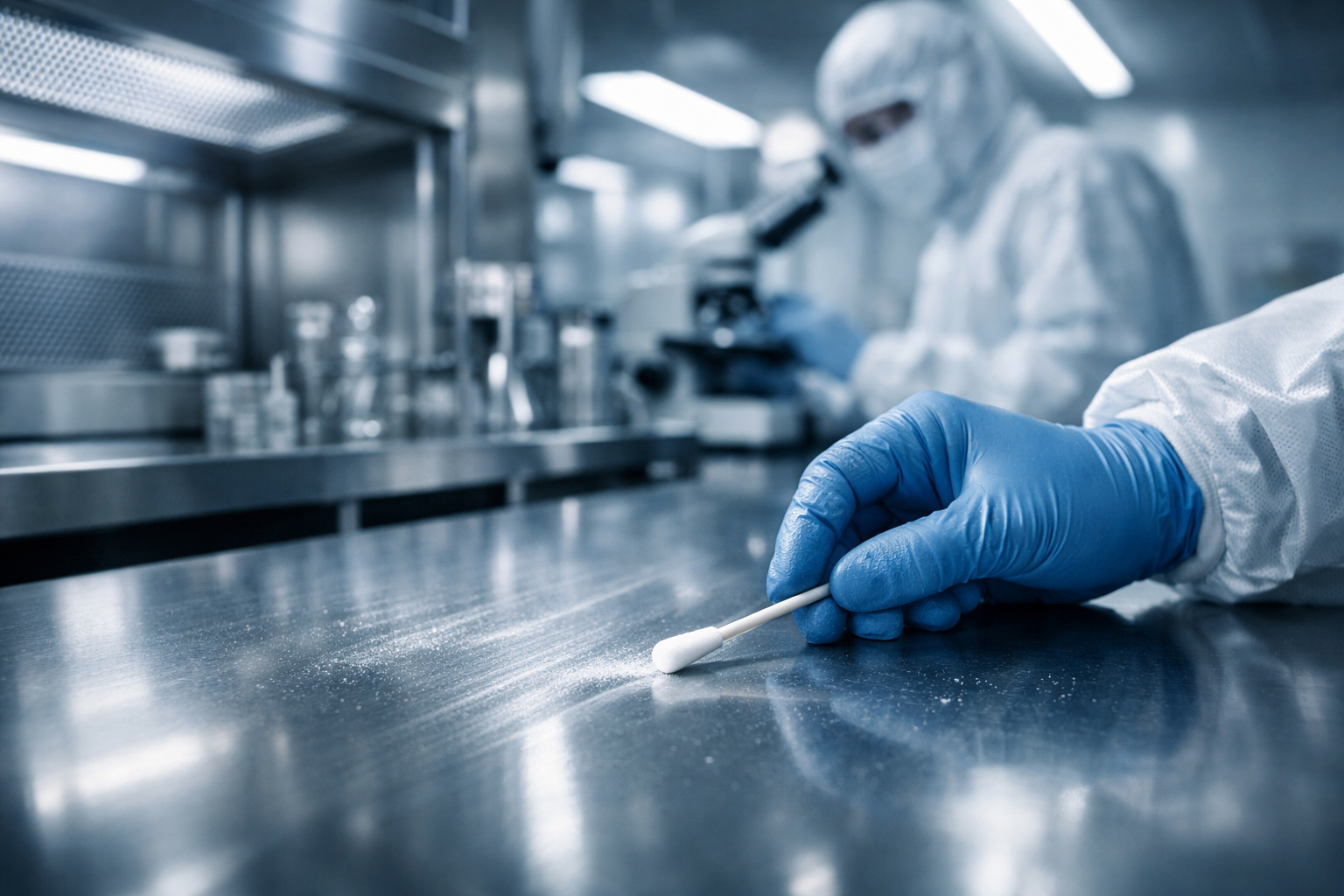
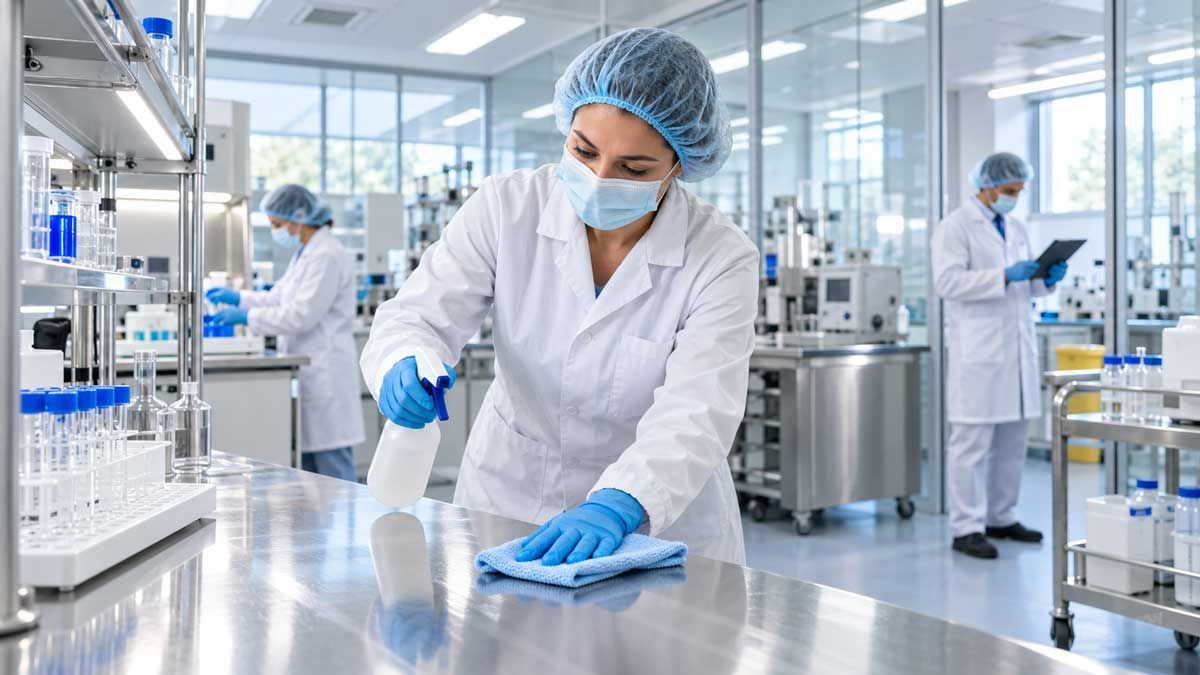
Even tiny amounts of leftover residue can create hidden risks inside biotech cleanrooms. Buildup from cleaning agents, process chemicals, or human activity often remains behind even after standard sanitation protocols appear complete. These residues are not always visible, yet they may still interfere with contamination control in highly regulated environments.
Residues increase the risk of cross-contamination, equipment degradation, and compliance gaps across critical operational spaces. Regulatory investigations into contamination events frequently point to incomplete sanitation practices or chemical residue left on work surfaces, tools, or airflow systems. When contamination spreads through controlled environments, production delays, product loss, and regulatory scrutiny may follow.
Facility audits also show that residue buildup often leads to unexpected downtime. When residues accumulate across controlled surfaces, laboratories may need to pause operations to restore baseline cleanliness levels. These shutdowns affect productivity across biotech manufacturing sites, research laboratories, and other critical environments.
Environmental monitoring systems often detect irregularities when residue begins interfering with routine testing or microbial sampling procedures. As a result, residues can undermine the effectiveness of sanitation programs by blocking disinfectants from reaching target microorganisms.
Managing surface residue is therefore not a cosmetic concern. It directly affects contamination control and operational stability in biotech cleanrooms.
Residue Build-Up Compromises Disinfection Efficacy
Residue accumulation on cleanroom surfaces can significantly reduce the effectiveness of disinfectants. Residual films from prior cleaning agents or disinfectants may react with newly applied products. In some cases, incompatible chemical compounds interact and weaken each other’s germicidal properties.
When disinfectant performance declines, microbial survival rates increase even when sanitation procedures appear to be completed correctly. Facilities may respond by increasing chemical application, yet this approach can introduce additional residue that further complicates contamination control.
Residues may also alter surface conditions, creating environments where microorganisms can attach and develop biofilms. Biofilms form protective layers that shield microbes from disinfectants and routine cleaning procedures. Once established, these microbial colonies become more difficult to eliminate and may contribute to recurring contamination incidents.
For this reason, critical cleaning for biotech facilities requires disciplined residue control as part of a comprehensive sanitation strategy. Effective programs ensure surfaces remain free of chemical buildup so disinfectants can perform as intended.
Residues Increase Cross-Contamination Risks
Surface residues inside cleanrooms often act as transfer points for contamination between equipment, personnel, and work zones. Even small traces of chemical film or particulate buildup can contribute to contamination movement within controlled environments.
Personnel as Primary Vector: Human movement remains one of the largest contributors to cleanroom contamination. Residual particles on surfaces may be disturbed during routine activities and redistributed throughout the facility.
Equipment and Tool Contamination: Laboratory equipment and maintenance tools may accumulate residues during routine use. When these surfaces are not properly cleaned, they can release contaminants during subsequent operations.
Inadequate Cleaning and Validation: Basic cleaning protocols may overlook residue buildup, particularly on complex surfaces or hidden contact points. Without proper validation procedures, contaminants may remain undetected and continue spreading across sensitive work areas.
Cross-contamination risks increase when residues accumulate across multiple surfaces, allowing contaminants to travel between zones that should remain isolated.
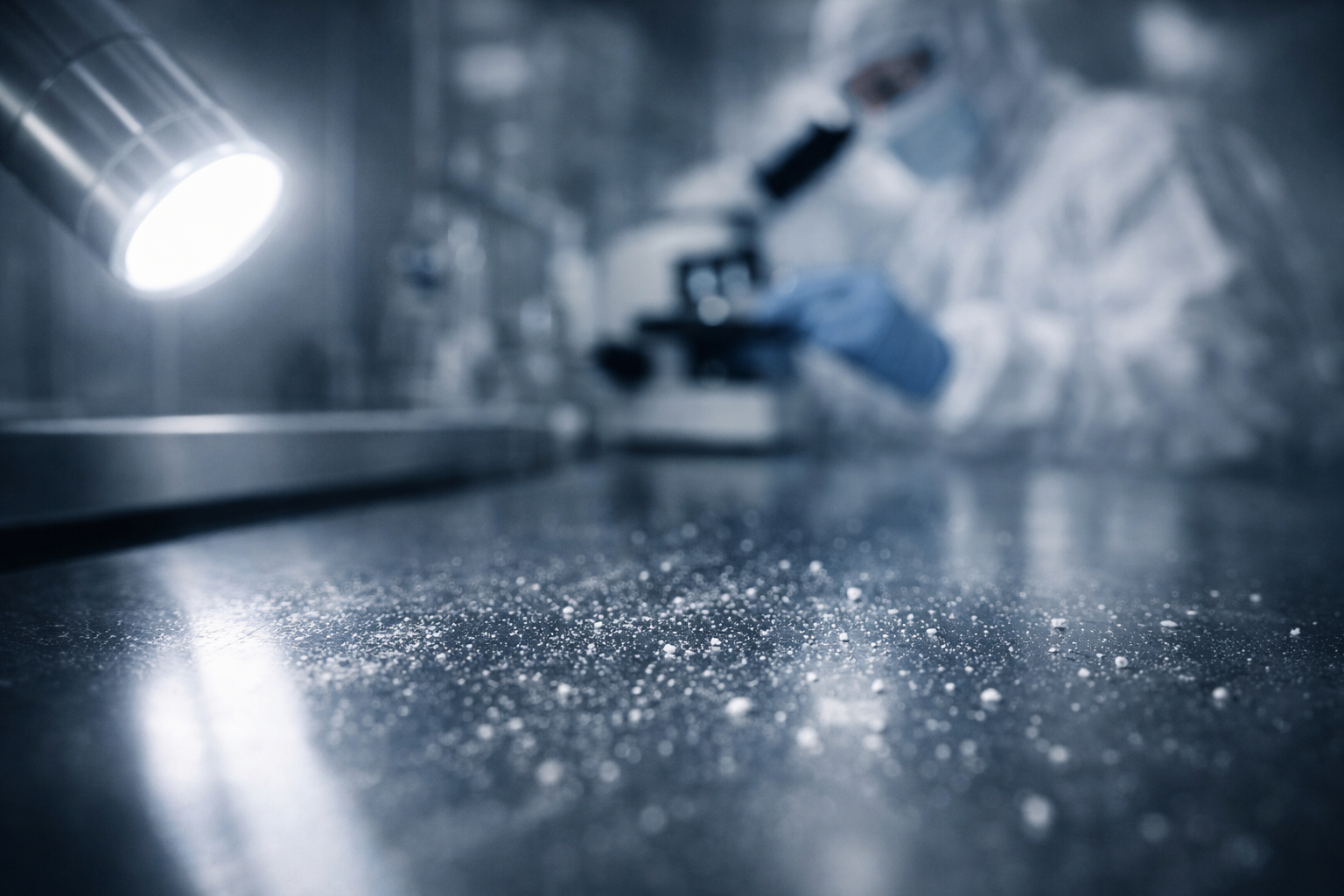
Residues Can Damage Equipment Surfaces
Surface residue also poses a long-term risk to equipment integrity inside biotech facilities. Chemical films left behind by disinfectants or cleaning agents may slowly degrade sensitive surfaces.
Corrosive Impact: Residues from disinfectants and sporicidal chemicals may react with metal surfaces over time. These reactions can lead to corrosion, pitting, or surface degradation.
Material Compatibility Failure: Some cleaning chemicals interact poorly with materials used in laboratory equipment. Residue buildup may lead to microscopic abrasion or chemical etching.
Accelerated Wear and Tear: Repeated exposure to chemical films may shorten the operational life of equipment components and protective coatings.
Increased Downtime for Repairs: When equipment damage occurs, facilities must interrupt operations to repair or replace affected components.
Product Quality Risk: Damaged surfaces may shed particles or interfere with process stability, potentially introducing contaminants into controlled environments.
Equipment damage caused by residue buildup often remains unnoticed until operational issues appear.
Residues Pose Safety Hazards in Cleanrooms
Residue accumulation inside cleanrooms can create safety concerns for facility personnel and operations. Chemical films, particulate buildup, or contaminated surfaces may introduce hazards that disrupt normal workflows.
Accident Risk: Residues on flooring surfaces may increase slip hazards for personnel moving through controlled environments.
Chemical Exposure: Residual cleaning agents may contribute to airborne irritants when disturbed during routine activities.
Allergic Reactions: Certain chemicals used in cleanroom sanitation may cause skin irritation or allergic reactions if residues remain on frequently contacted surfaces.
Product Safety Impact: Residues may introduce unwanted particles or chemical traces into sensitive production areas, increasing the risk of product contamination.
Safety risks increase when residues accumulate unnoticed across large areas of the facility.
Residues Can Lead to Compliance Issues
Surface residue management plays an important role in regulatory compliance for biotech facilities. Failure to control residues may lead to regulatory observations during inspections.
Regulatory Scrutiny: Agencies responsible for facility oversight expect controlled environments to maintain clean, residue-free surfaces as part of validated sanitation programs.
Audit Findings: Residue buildup on surfaces may trigger corrective actions or remediation requirements during facility inspections.
Certification Delays: Poor residue control may delay certifications related to cleanroom classification or Good Manufacturing Practice compliance.
Increased Reporting Requirements: Facilities that fail sanitation inspections often face additional documentation obligations and follow-up inspections.
Legal Exposure: Unresolved compliance issues may lead to regulatory penalties or enforcement actions if contamination events occur.
Maintaining consistent sanitation documentation helps facilities demonstrate compliance and operational control.
Surface residue creates hidden contamination risks in biotech cleanrooms. Even when sanitation procedures appear complete, chemical films and particulate buildup may remain on critical surfaces. These residues can interfere with disinfectant performance, disrupt environmental monitoring, and increase contamination exposure across controlled environments.
Contamination incidents frequently result in operational delays, product loss, and regulatory investigations. For biotechnology facilities operating under strict compliance standards, residue management must remain a priority within sanitation programs.
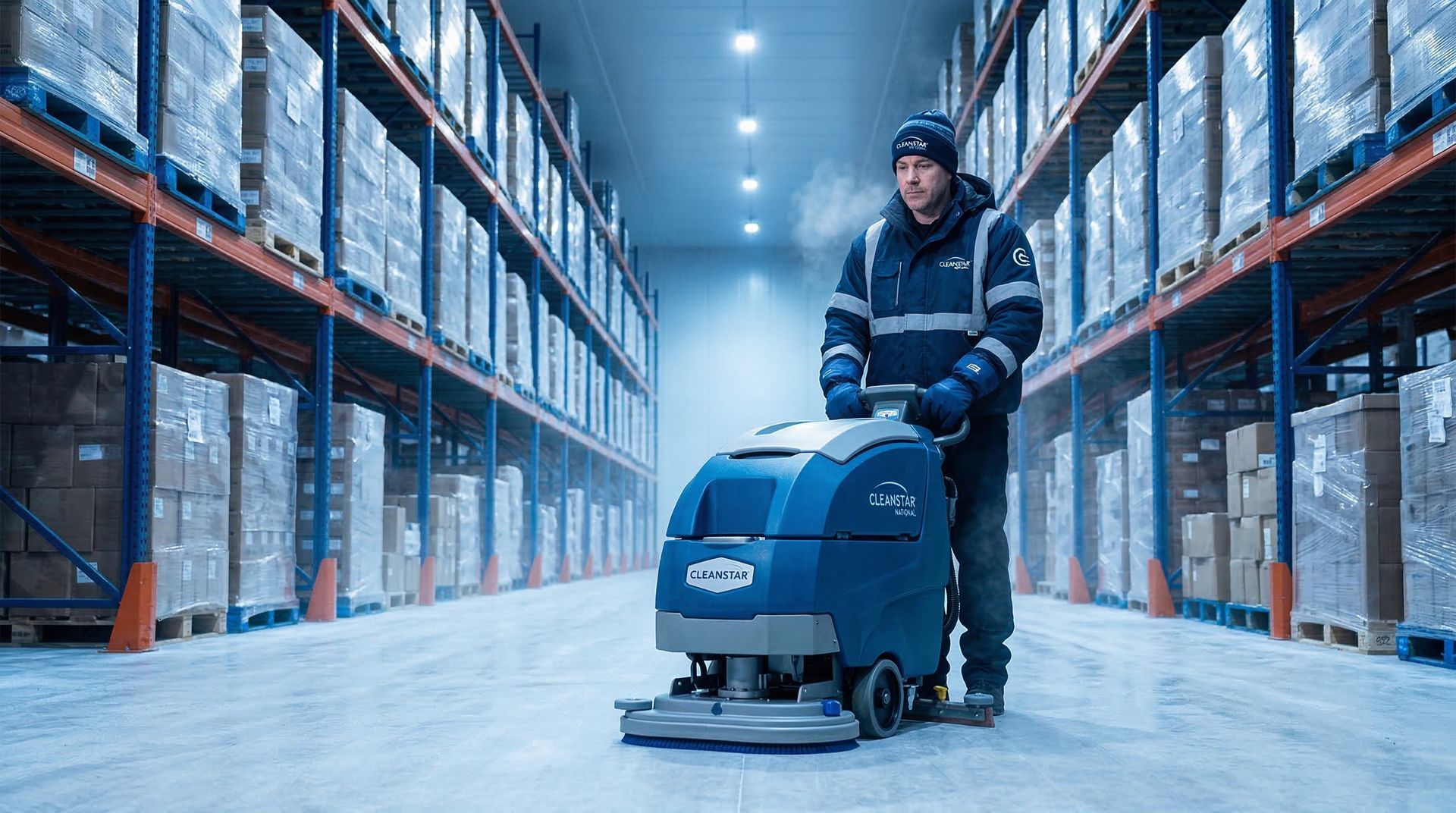
Cleanstar National Inc supports biotech facilities through disciplined biotech facility cleaning programs designed for controlled environments. Our teams deliver critical environmental sanitation services across Metro Atlanta and the Southeast using procedures aligned with ISO standards and industry best practices.
With more than three decades of operational experience and a workforce of over 700 E-Verified professionals, Cleanstar National Inc provides reliable support for cleanrooms, laboratories, and other sensitive facilities. Our approach focuses on precise sanitation execution, documentation, and contamination prevention across every stage of facility operation.
By maintaining strict residue control and validated cleaning procedures, biotechnology facilities protect their operations, safeguard product integrity, and support the research and manufacturing work that drives innovation.
Cleanstar National: Expert B2B Cleaning Solutions for Atlanta's Critical Industries