When Should Upstate SC Cleanrooms Schedule Deep Disinfection?
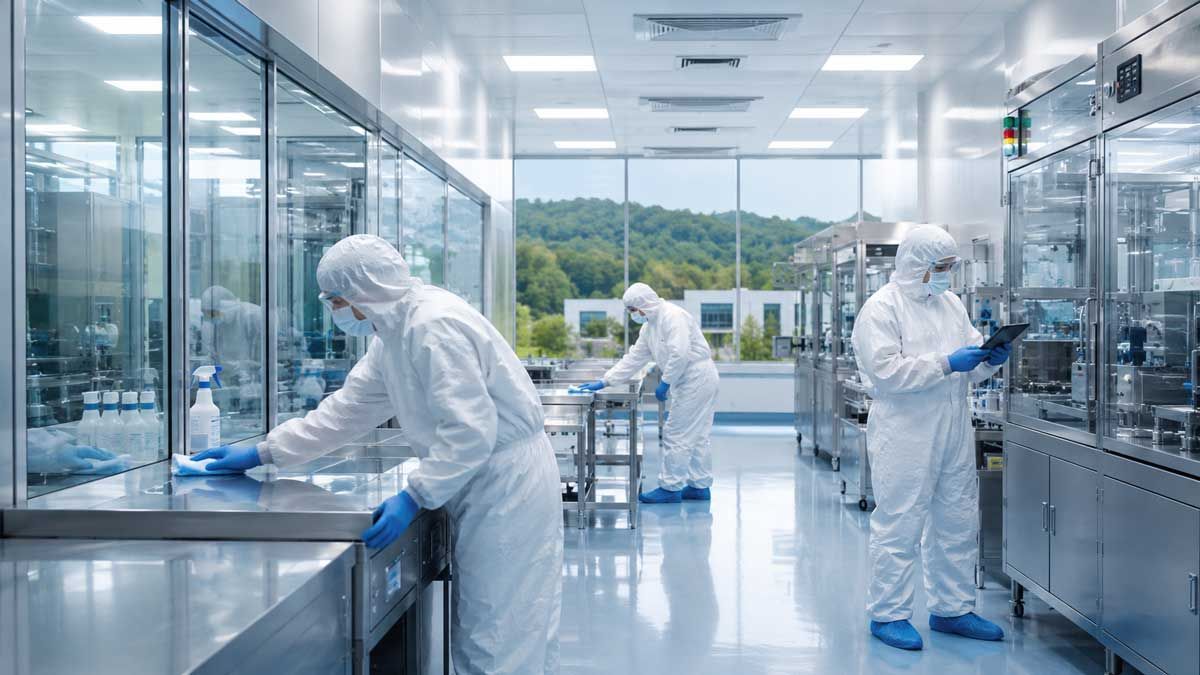
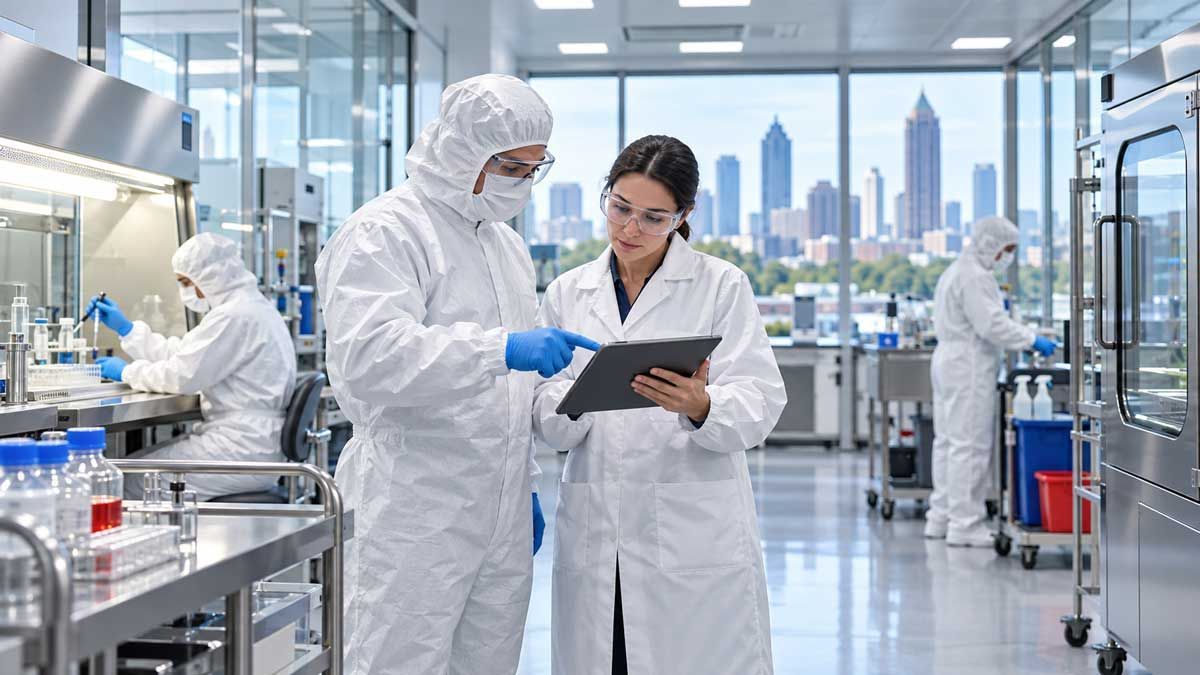
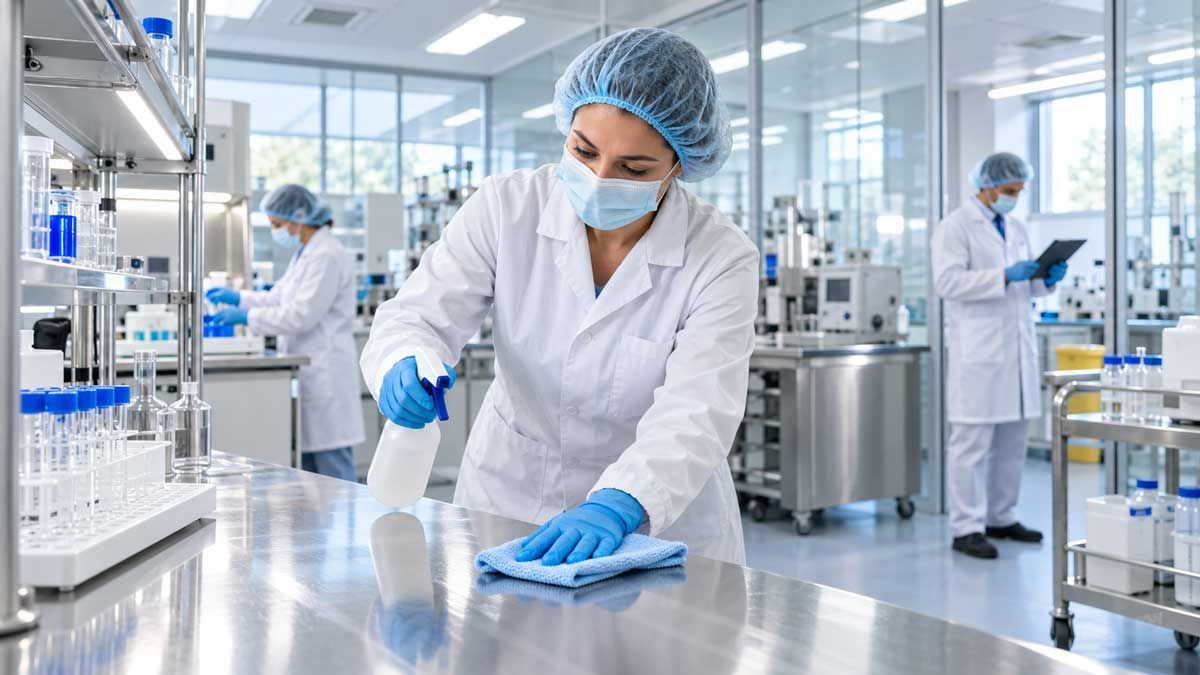
Cleanrooms in Upstate South Carolina support critical operations across healthcare, technology, and advanced manufacturing. While routine surface cleaning helps maintain daily environmental control, deep disinfection plays an important role when contamination risks increase or when facilities require additional verification before returning to normal operations.
Many facilities schedule deep disinfection after operational changes, contamination events, construction activities, or compliance reviews. The timing depends on the cleanroom classification, facility requirements, and the level of risk associated with the environment.
Deep disinfection becomes especially important after equipment installations, facility modifications, microbial concerns, or high-traffic activities involving multiple teams and vendors. A structured approach helps protect controlled environments while supporting audit readiness and operational reliability.
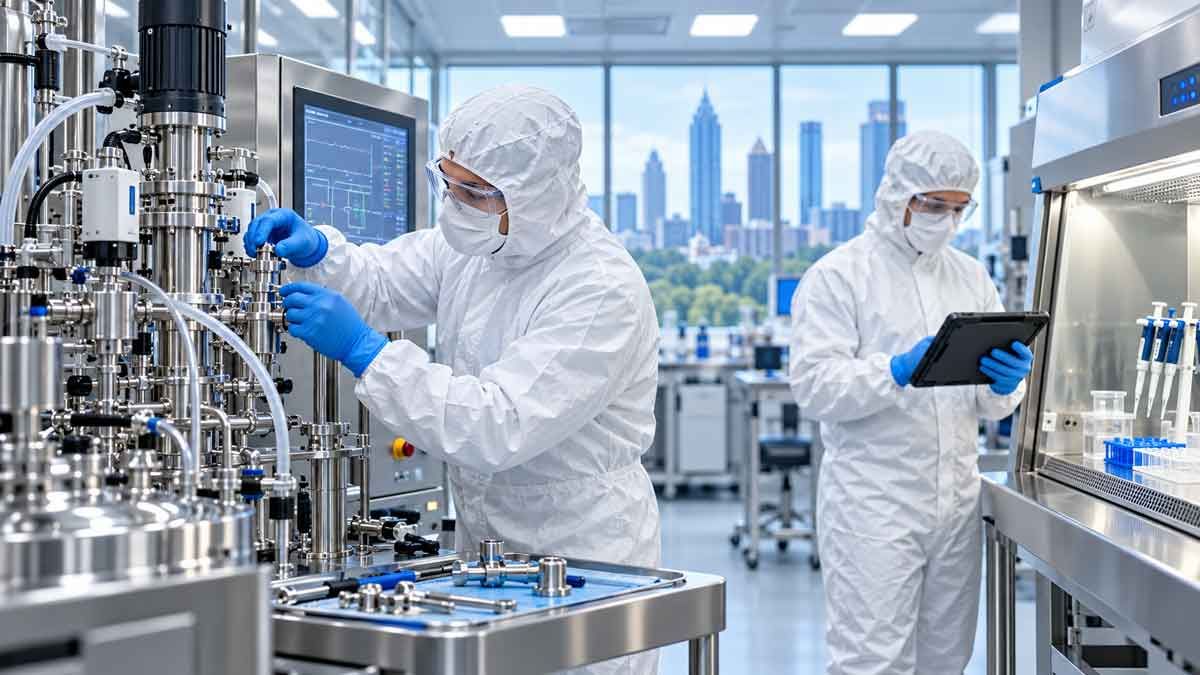
After major equipment installation or renovation projects, facilities should evaluate whether additional cleaning and verification steps are required before production or critical activities resume.
After Major Equipment Installation or Renovation
Major equipment installations and renovation projects can introduce particles, debris, and other contaminants into controlled environments. Even when containment procedures are followed, construction activity can affect airflow patterns and introduce materials that require specialized removal.
Dust, packaging materials, construction residue, and equipment-related debris can create contamination concerns if they are not properly addressed. Post-installation deep disinfection helps restore environmental conditions before sensitive operations restart.
A complete cleaning process should include:
- HEPA-filtered vacuuming to capture fine particles.
- Detailed surface cleaning of affected areas.
- Verification of contamination control requirements.
- Documentation of completed cleaning activities.
Facilities requiring
controlled contamination cleaning in Atlanta rely on specialized teams that understand how controlled environments must be prepared after changes, installations, and upgrades.
Following Detected Biocontamination Events
When biocontamination is identified, facilities must respond quickly with procedures designed to control the issue and protect sensitive operations.
A confirmed contamination event may require targeted deep disinfection, additional monitoring, and a review of existing cleaning procedures. The response process should be based on facility protocols, environmental monitoring results, and applicable cleanroom requirements.
Important response steps include:
- Identifying affected areas and potential contamination sources.
- Applying approved disinfection procedures.
- Reviewing environmental monitoring data.
- Documenting corrective actions and follow-up verification.
A structured response helps facilities maintain control over contamination risks while supporting continued compliance.
Prior to Regulatory Audits or Inspections
Scheduling deep disinfection before regulatory reviews can help facilities confirm that cleaning procedures, documentation, and environmental controls are aligned with operational requirements.
Preparation should include:
- Protocol Review: Evaluate cleaning procedures to confirm they match facility standards and contamination control requirements.
- Documentation Update: Ensure cleaning records, schedules, and verification reports are organized and accessible.
- Team Preparation: Confirm personnel understand assigned responsibilities and inspection expectations.
- Walkthrough Verification: Review cleanroom conditions and identify areas requiring additional attention.
- Product Validation: Confirm cleaning agents and materials are appropriate for controlled environments.
Strong preparation supports audit readiness and demonstrates a commitment to compliance.
Post-Construction or Facility Upgrades
Construction and facility upgrades can create contamination risks that require specialized cleaning beyond standard maintenance procedures. Fine particles, debris, and residue can collect on surfaces, equipment, and ventilation components.
Cleanrooms require detailed post-construction cleaning processes designed around particle control and contamination prevention. Effective procedures may include HEPA vacuuming, surface decontamination, equipment cleaning, and documented verification.
Cleanstar National Inc provides
post-construction cleaning Atlanta solutions designed for facilities requiring controlled cleaning procedures that support ISO 14644 and GMP expectations.
When deep cleaning follows facility upgrades, organizations can better prepare their cleanrooms for operational use while maintaining environmental standards.
During Seasonal Allergen Increases
Seasonal environmental changes can influence air quality conditions around controlled facilities. Increased outdoor particles, pollen, and airborne contaminants may require facilities to review cleaning schedules and filtration performance.
During periods of increased environmental exposure, facilities may consider:
- Increased Surface Monitoring: Reviewing high-contact and high-exposure areas for contamination concerns.
- Air Quality Evaluation: Confirming filtration systems and environmental controls continue operating effectively.
- Additional Cleaning Cycles: Scheduling targeted cleaning when facility conditions require additional support.
Cleanroom managers should evaluate environmental factors alongside operational requirements to determine whether additional disinfection is necessary.
After High-Traffic Project Completions
High-traffic projects involving contractors, vendors, equipment movement, or commissioning activities can increase contamination risks inside controlled environments.
Even when teams follow access procedures, movement through cleanroom spaces can introduce particles and residues that require additional attention.
Post-project deep disinfection helps address:
- Project Traffic Residue: Removing particles and materials introduced during installation or commissioning activities.
- Operational Readiness: Supporting facility preparation before production or critical operations begin.
- Documentation Requirements: Providing records that demonstrate cleaning activities were completed.
A documented cleaning process helps facility teams verify that controlled areas meet operational expectations.
On a Routine Preventive Maintenance Schedule
Preventive maintenance programs help cleanrooms remain consistent, controlled, and prepared for operational demands. Deep disinfection schedules should be based on facility risk assessments, equipment requirements, and environmental monitoring results.
Routine planning may include:
- Reviewing cleaning frequency based on cleanroom classification and usage.
- Coordinating deep cleaning with planned maintenance periods.
- Inspecting filtration systems and environmental controls.
- Maintaining trained personnel and properly stocked cleaning materials.
Aligning deep disinfection with scheduled maintenance helps reduce disruption while supporting long-term contamination control.
Maintaining cleanrooms requires more than reacting to contamination events. Facilities must evaluate cleaning frequency based on ISO classification, operational activity, equipment changes, and environmental conditions.
High-risk environments may require more frequent cleaning reviews, while other facilities may schedule deep disinfection around maintenance periods, audits, or operational changes.
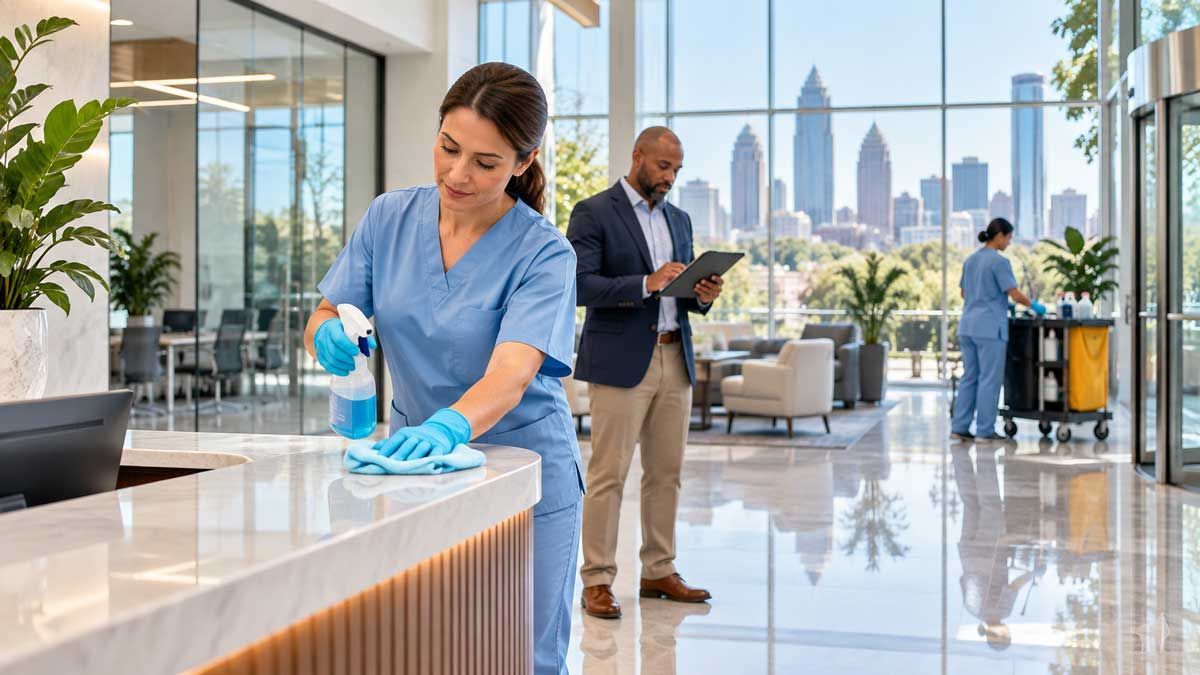
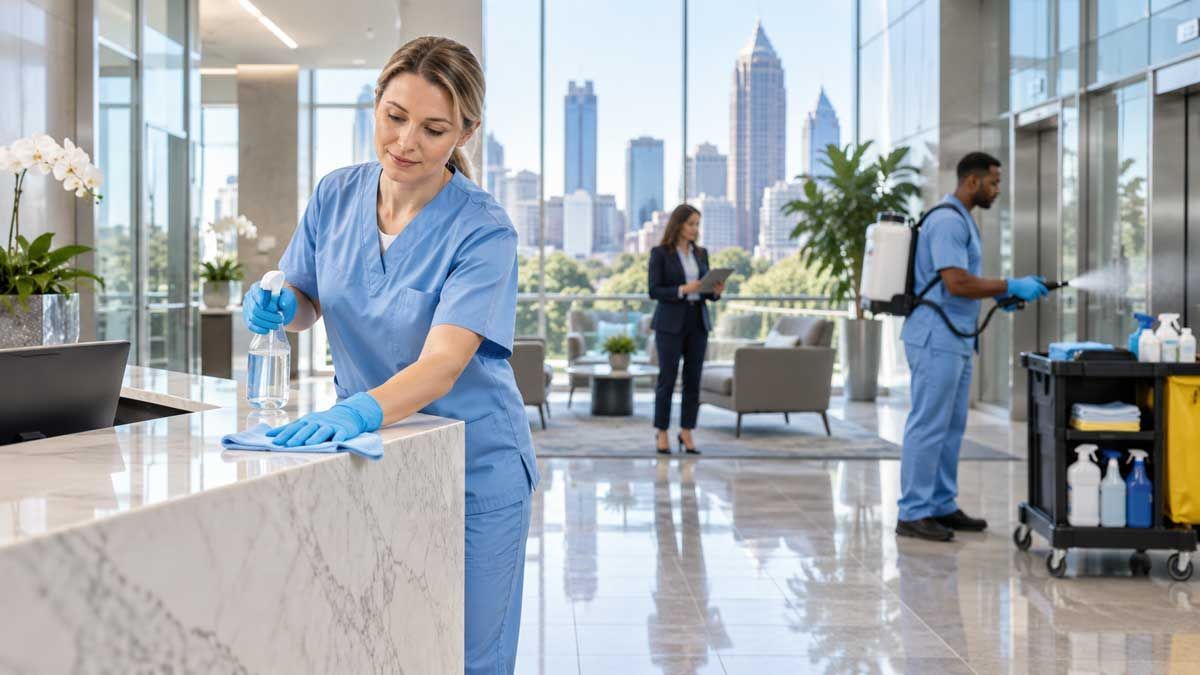
Cleanstar National Inc supports cleanrooms, data centers, healthcare facilities, and other mission-critical environments with specialized cleaning programs designed around compliance, precision, and accountability.
Our trained professionals use advanced equipment, documented procedures, and controlled cleaning methods to support facilities that cannot afford unnecessary risk.
When clean environments must remain ready for inspection, production, or critical operations, Cleanstar National Inc provides the experience and structured approach required to protect what matters most.
Cleanstar National: Expert B2B Cleaning Solutions for Atlanta's Critical Industries