Criteria for Controlled Contamination Cleaning in Northern Alabama
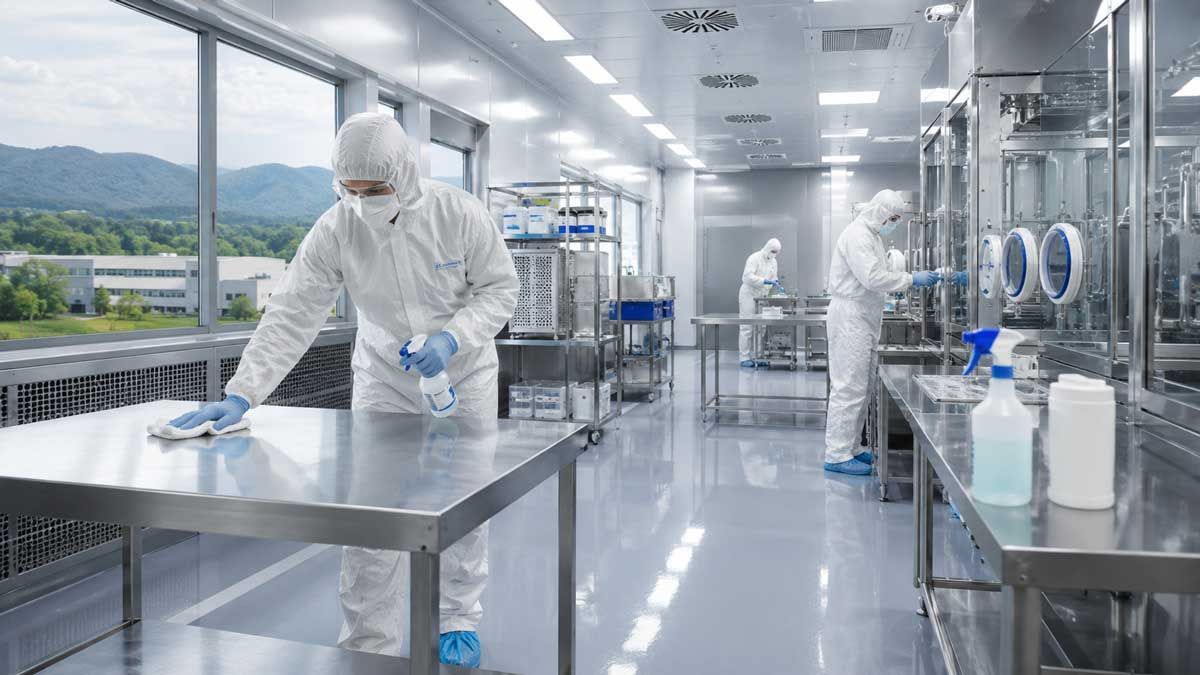
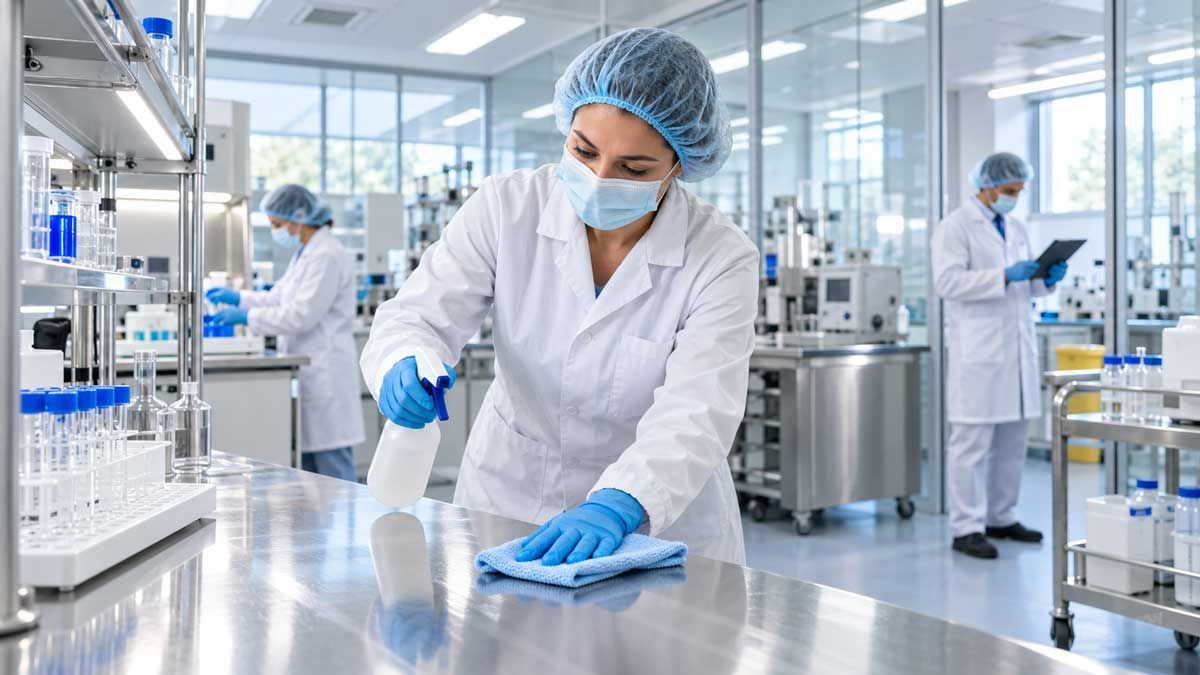
Controlled contamination cleaning in Northern Alabama requires strict procedures designed to protect sensitive environments, maintain compliance, and reduce operational risks. Facilities supporting healthcare, manufacturing, aerospace, and technology operations must follow structured cleaning protocols that address airborne particles, surface contamination, and environmental control.
Facility managers must ensure cleaning processes align with industry expectations, including ISO 14644 standards, GMP requirements, and site-specific contamination control procedures. As regulated environments become more complex, cleaning teams need documented processes, trained personnel, and specialized equipment to maintain operational readiness.
Controlled environments require more than surface-level cleaning. They demand precision, accountability, and a detailed understanding of how contaminants move through sensitive spaces.
Regulatory Standards for Controlled Contamination Cleaning
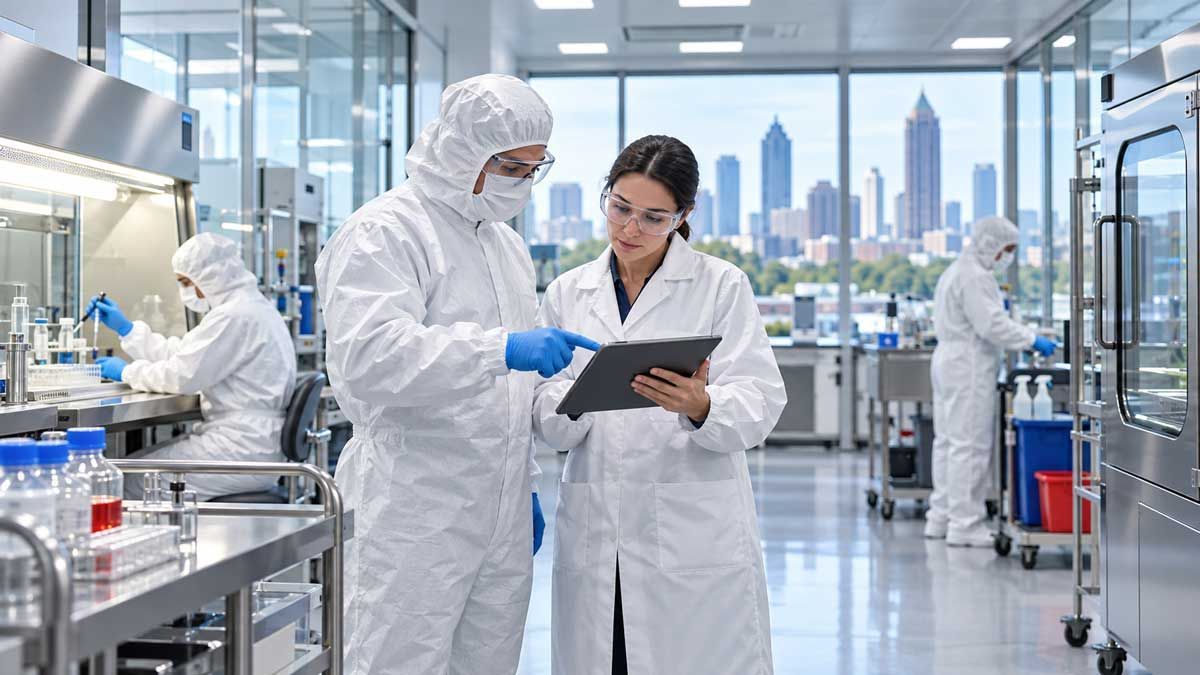
The standards governing controlled contamination cleaning are built around maintaining consistent environmental conditions and reducing contamination risks. Facilities operating cleanrooms, laboratories, and technology spaces often rely on recognized frameworks such as ISO 14644, GMP guidelines, and documented quality procedures.
Particle control remains one of the most important factors in contamination management. Cleaning teams must understand how human activity, equipment movement, and improper procedures can introduce unwanted particles into controlled areas.
For this reason, professional cleaning programs focus on:
- Documented cleaning procedures that match facility requirements.
- Trained personnel who understand contamination risks.
- Proper equipment selection, including HEPA-filtered systems and low-lint materials.
- Detailed reporting to support inspections and compliance reviews.
Facilities requiring
critical environment cleaning in Atlanta depend on experienced teams that understand how cleaning procedures directly affect reliability, safety, and operational continuity.
Local Environmental Guidelines to Follow
Environmental requirements influence how controlled spaces are maintained, particularly when facilities operate advanced filtration systems, sensitive equipment, or regulated production areas.
Cleanstar National Inc supports facilities by applying structured cleaning protocols designed around compliance expectations and site-specific requirements.
Important considerations include:
- Air Quality Management: Controlled environments depend on effective HVAC systems, filtration performance, and proper cleaning methods that limit airborne contamination. HEPA filtration systems and environmental monitoring procedures help maintain required conditions.
- Waste Disposal Protocols: Cleaning activities must include proper handling and removal of collected particles, used materials, and approved cleaning solutions. Documentation helps ensure waste procedures remain aligned with facility requirements.
- Materials and Chemical Selection: Cleaning agents and supplies must be selected based on compatibility with sensitive environments. Teams evaluate Safety Data Sheets, equipment requirements, and contamination risks before use.
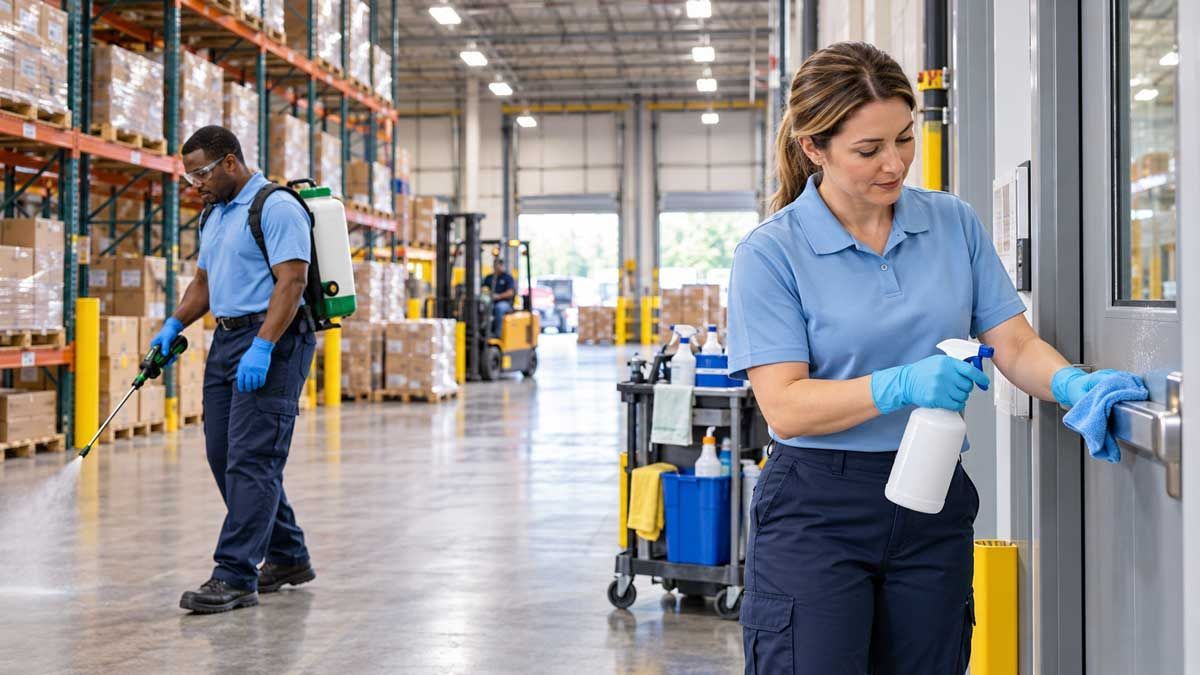
- Facility-Specific Requirements: Each site has unique operational needs. Data centers, laboratories, healthcare facilities, and industrial environments require cleaning procedures designed around their specific risks.
Proper Certification for Cleaning Teams
Controlled environments require trained professionals who understand contamination control, safety procedures, and regulated facility expectations.
Certification and ongoing education help ensure cleaning teams maintain consistent performance across complex environments. Workers supporting sensitive facilities must understand proper material handling, controlled movement practices, and contamination prevention procedures.
Key training areas include:
- ISO and GMP Awareness: Teams must understand applicable standards and how cleaning activities support compliance requirements.
- Ongoing Skills Assessment: Regular training updates and supervisor reviews help maintain consistency and accountability.
- Contamination Control Knowledge: Professionals must recognize contamination sources, follow proper cleaning sequences, and reduce the potential for cross-contamination.
Cleanstar National Inc maintains a highly trained workforce focused on supporting mission-critical environments where precision and reliability are essential.
Recommended Cleaning Methods and Tools
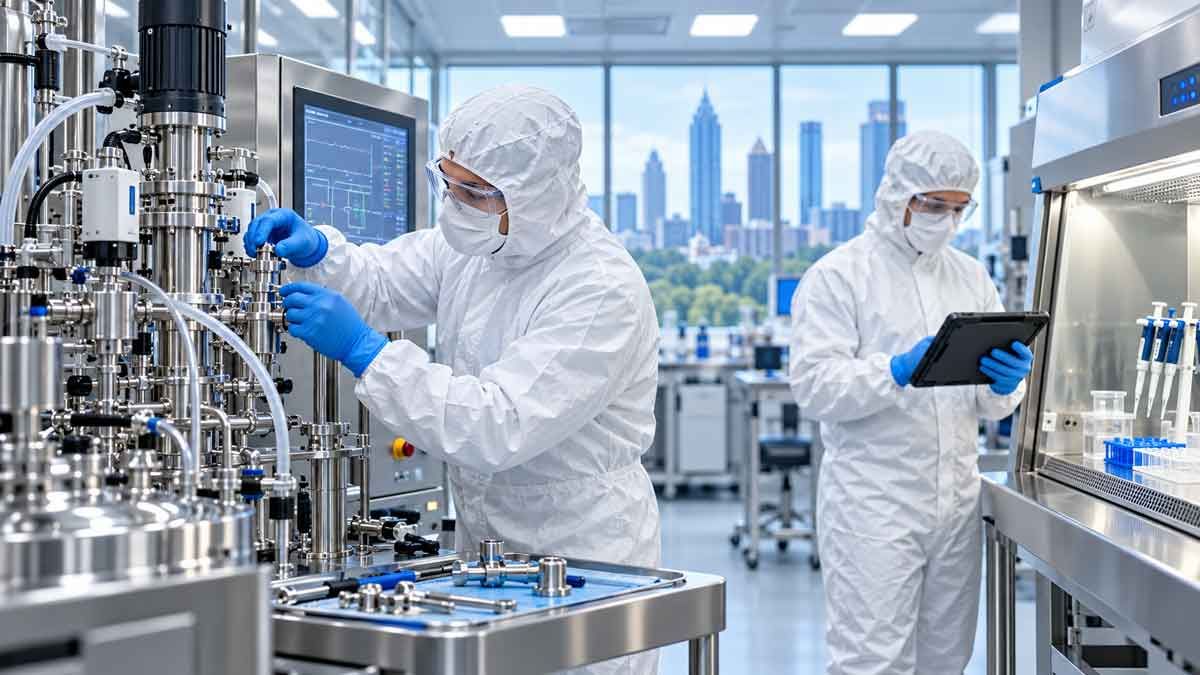
The correct equipment and cleaning methods play a major role in maintaining controlled environments. Each facility requires an approach based on risk level, operational requirements, and contamination sensitivity.
HEPA-filtered vacuums help capture fine particles while reducing the chance of redistribution. Low-lint microfiber materials support effective surface cleaning in areas where particle control matters.
Additional best practices include:
- Using approved cleaning agents compatible with sensitive equipment and surfaces.
- Following zone-based cleaning procedures to reduce cross-contamination risks.
- Using dedicated tools for different contamination levels.
- Maintaining detailed records of completed cleaning activities.
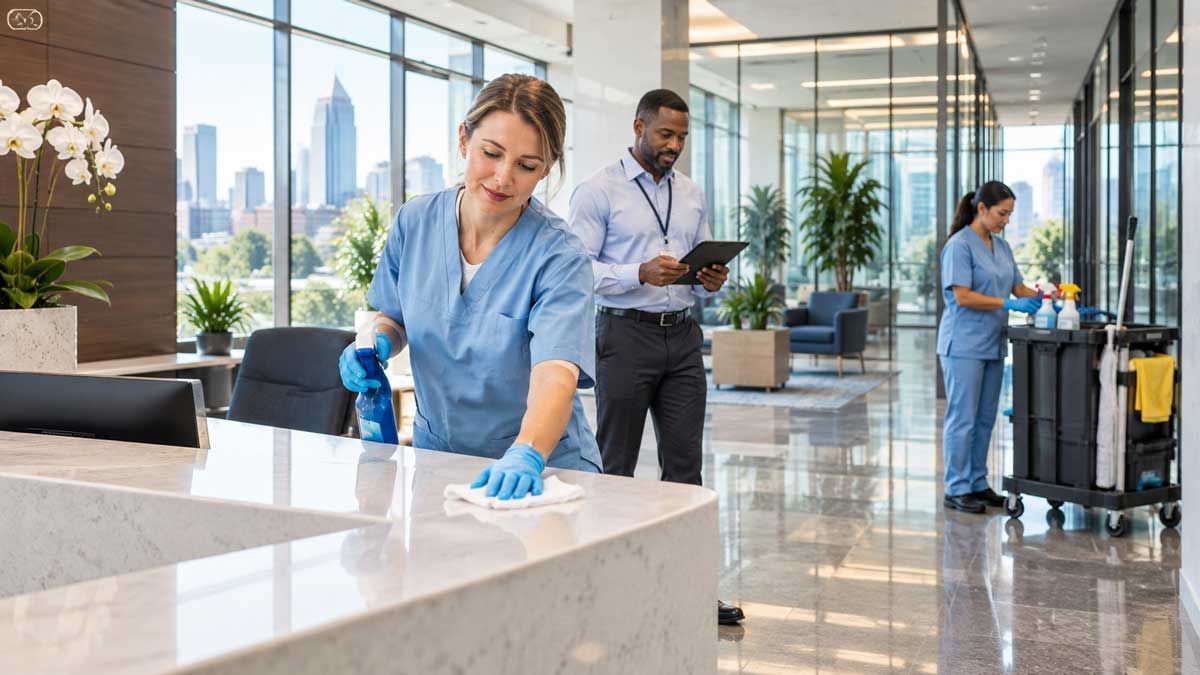
For data centers, laboratories, and other sensitive facilities, specialized cleaning methods help protect equipment reliability and support operational performance.
Frequency Schedules for High-Risk Zones
Cleaning schedules must be based on facility risk assessments, contamination levels, and operational requirements. High-risk environments require repeatable processes that are documented and reviewed regularly.
Common frequency considerations include:
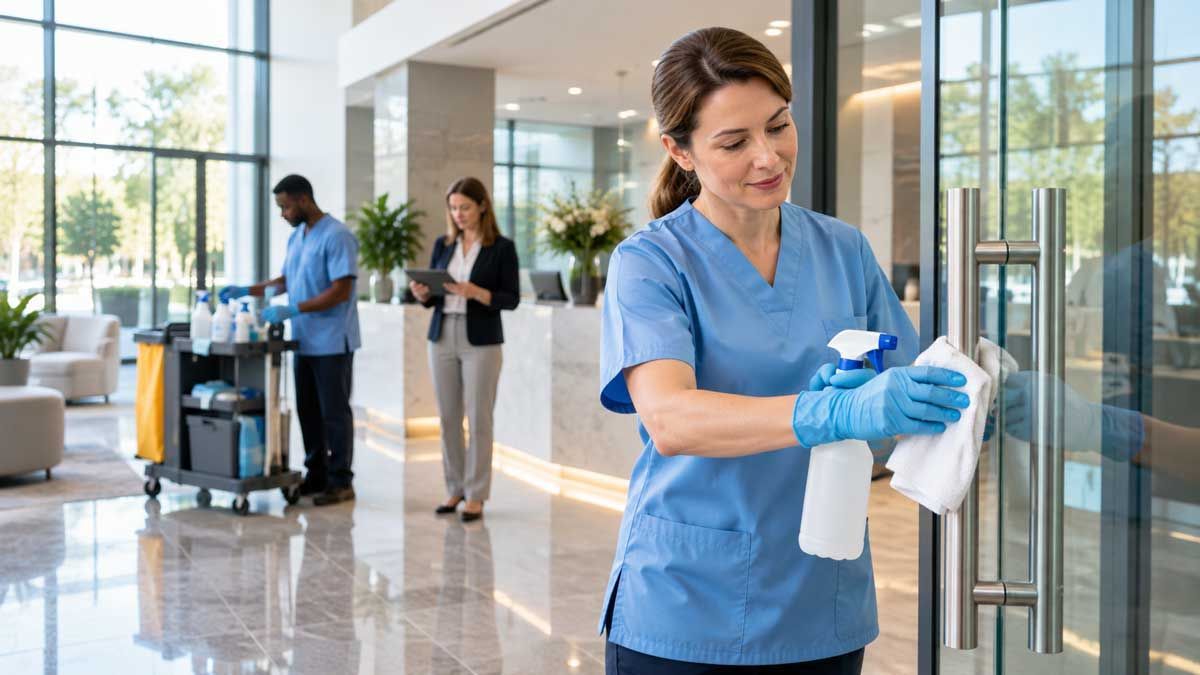
- High-touch surfaces: Frequently used surfaces require routine cleaning based on facility activity and contamination risk.
- Controlled production or patient areas: Sensitive spaces require scheduled cleaning procedures that support safety and compliance requirements.
- Shared equipment and common surfaces: Equipment and shared areas must be cleaned according to documented procedures to reduce contamination transfer.
A structured cleaning schedule ensures every area receives the attention required to maintain environmental control.
Air Quality and Particle Count Requirements
Air quality management is essential for controlled contamination environments. Particle levels, humidity, filtration, and pressure relationships all influence facility performance.
Important air quality controls include:
- Airborne Particulate Control: Facilities must monitor particle levels according to applicable ISO classifications and operational requirements.
- HEPA Filtration Standards: HEPA systems require proper maintenance and validation to support contamination control goals.
- Humidity and Pressure Balance: Environmental controls help reduce risks related to static discharge, equipment sensitivity, and contamination movement.
- Scheduled Monitoring: Regular testing and documentation allow facility teams to identify issues before they impact operations.
- Real-Time Monitoring: Advanced monitoring systems provide visibility into environmental changes and support faster responses.
Documentation and Compliance Best Practices
Documentation is a critical part of controlled contamination cleaning. Every procedure should be supported by records that demonstrate consistency, accountability, and compliance.
Digital tracking systems, inspection records, and cleaning logs provide facility managers with visibility into completed work and support audit preparation.
Strong documentation practices include:
- Recording cleaning activities accurately and consistently.
- Maintaining accessible compliance records.
- Reviewing procedures regularly for improvement opportunities.
- Supporting inspections with complete documentation.
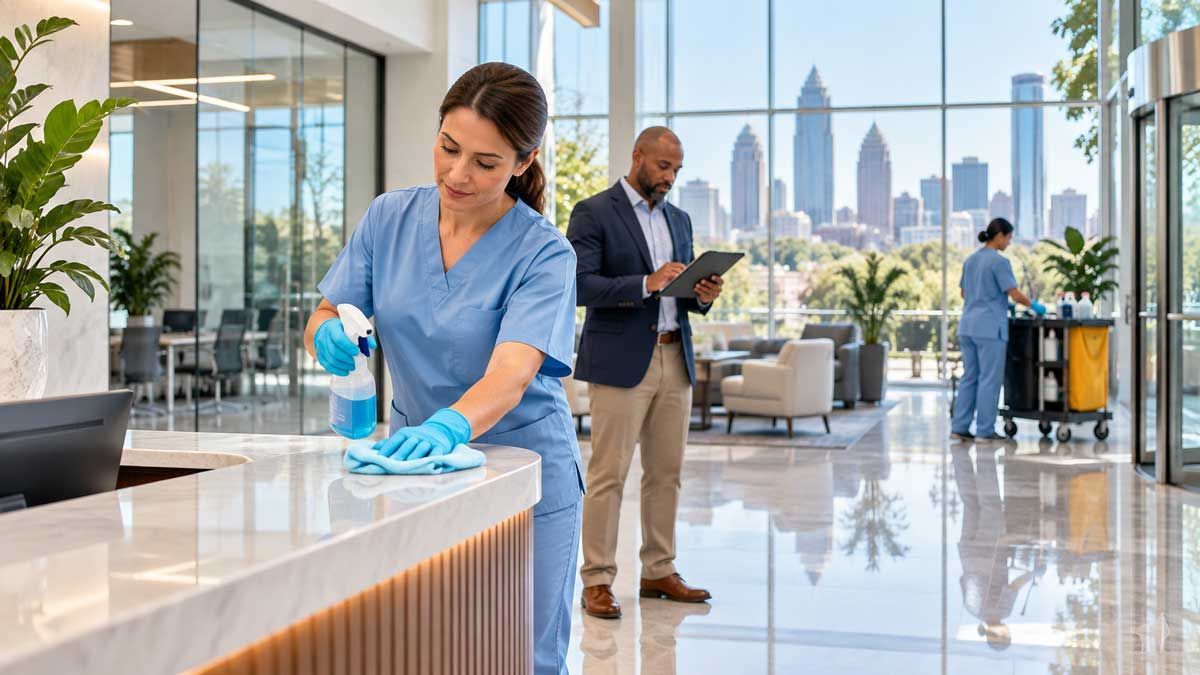
Facilities operating data centers, healthcare environments, and advanced manufacturing spaces cannot rely on basic cleaning approaches. They require specialized teams that understand contamination control and operational risk.
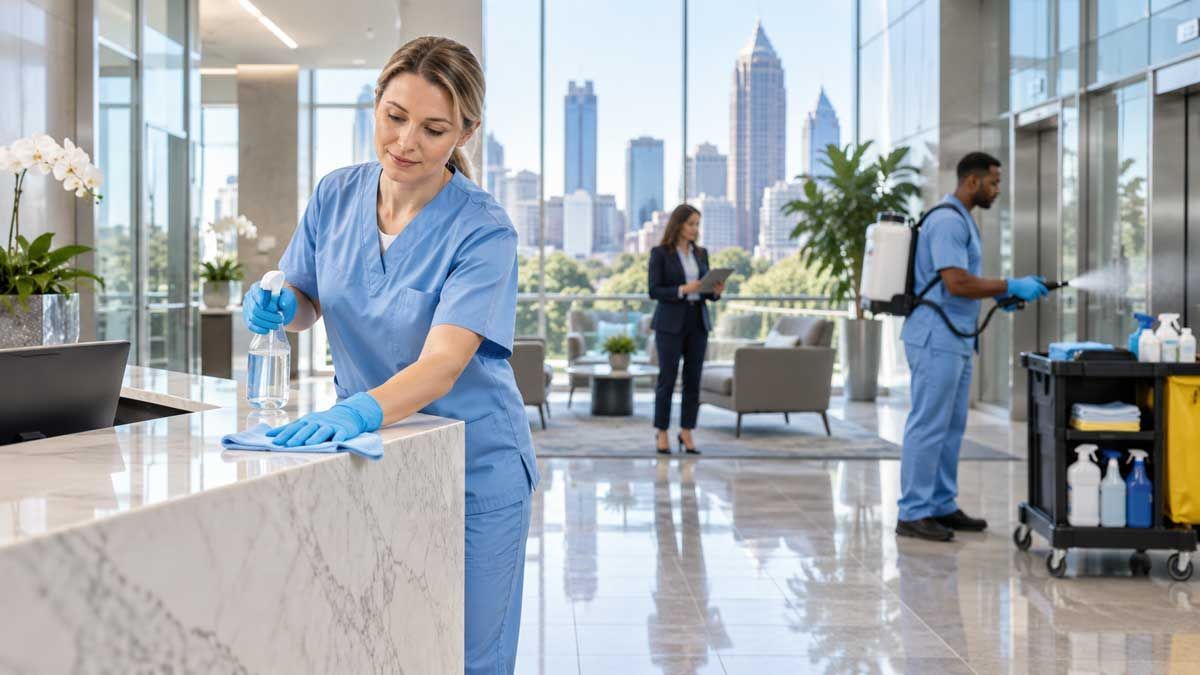
Cleanstar National Inc delivers specialized cleaning solutions designed for sensitive environments, including cleanrooms, data centers, healthcare facilities, and industrial operations. Through trained professionals, advanced equipment, and compliance-focused processes, Cleanstar helps organizations maintain controlled environments with confidence.
Mission-critical spaces require more than routine maintenance. They require a partner focused on precision, accountability, and protecting the operations that matter most.
Cleanstar National: Expert B2B Cleaning Solutions for Atlanta's Critical Industries