Controlled Contamination Cleaning Strategies for Aerospace Cleanrooms in Southeast Alabama
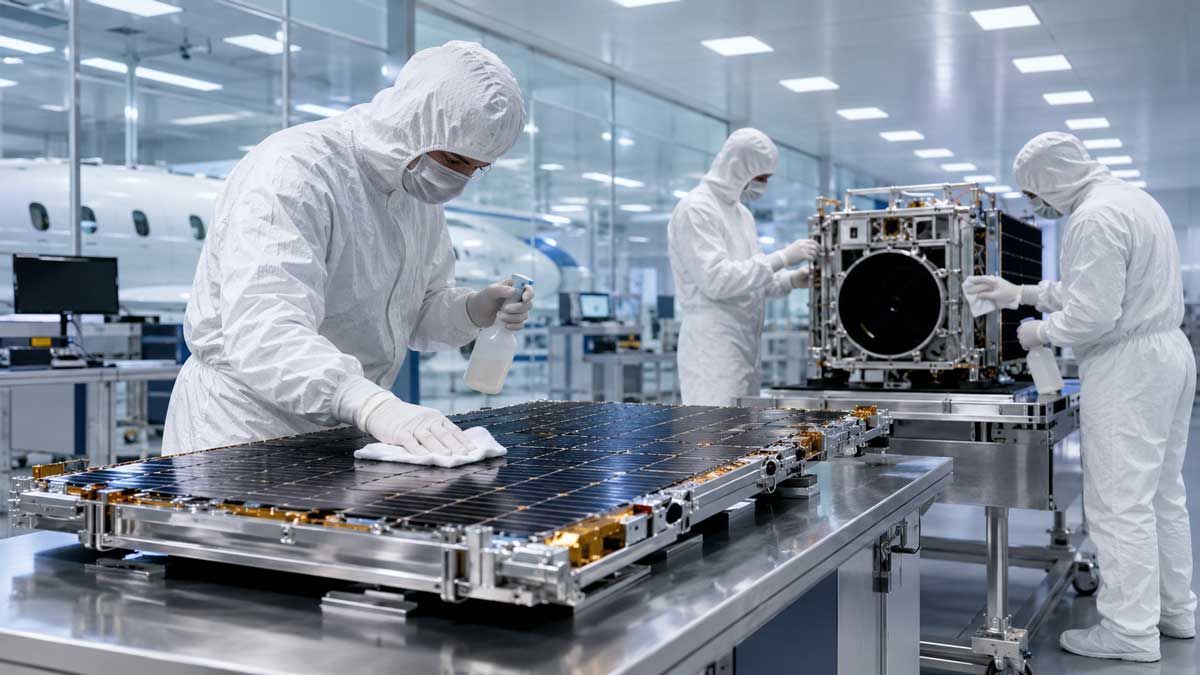
Strict contamination controls are mission critical for aerospace clean rooms across Southeast Alabama. Every step in the cleaning process influences product reliability, equipment protection, and operational compliance. Aerospace facilities require structured procedures that address airborne particles, surface residues, and contamination risks within highly controlled environments.
As a result, these sites rely on proven cleaning methods built around standards such as ISO 14644 and documented contamination control procedures. Proper scheduling of daily, weekly, and event-based cleaning helps reduce operational disruptions while maintaining consistent environmental conditions.
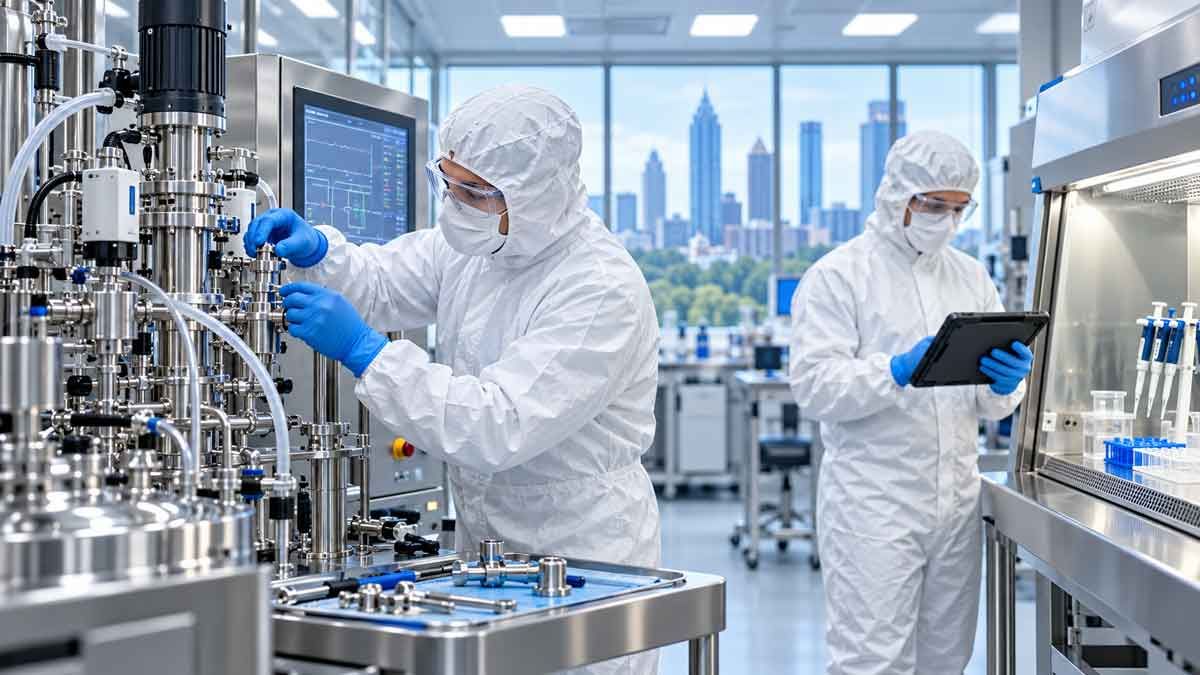
Trained technicians use HEPA-filtered equipment and specialized tools designed for sensitive surfaces, including areas where electrostatic discharge (ESD) control is required. They follow established procedures using approved cleaning agents that remove contaminants without creating additional risks for aerospace components.
In addition, barrier controls such as controlled access points, gowning procedures, and transition areas help limit outside particles from entering controlled spaces. Regular environmental monitoring provides visibility into particle levels and supports proactive contamination management.
Choosing the Right Cleaning Agents
Selecting cleaning agents for aerospace cleanrooms requires careful consideration of material compatibility, contamination risks, and facility requirements. Aerospace environments cannot rely on general cleaning products because residues, improper chemicals, or inconsistent procedures can affect sensitive operations.
Facilities that require
controlled contamination cleaning in Atlanta rely on specialized processes that prioritize contamination control, documented procedures, and environmental protection. Cleaning programs must support operational reliability while aligning with facility requirements and industry expectations.
Cleaning agents used in controlled spaces must support contamination control objectives without introducing additional hazards. Products are evaluated based on their compatibility with surfaces, equipment, and applicable facility standards.
Effective selection requires:
- Using approved cleaning agents suitable for controlled environments.
- Reviewing Safety Data Sheets before introducing products into sensitive areas.
- Selecting solutions that minimize residue on precision equipment.
- Maintaining consistent application procedures across cleaning teams.
Experienced teams supporting critical environments understand that proper chemical selection is only one component of a complete contamination control program. Each process must work together to protect sensitive operations and maintain environmental standards.
Establishing Routine Cleaning Schedules
Selecting appropriate cleaning agents is only one part of maintaining aerospace cleanrooms. A structured schedule ensures every controlled area receives consistent attention based on risk level and operational requirements.
Aerospace cleanrooms require documented cleaning schedules that account for ISO classifications, facility activity, and contamination sensitivity. A consistent approach allows teams to identify responsibilities, track completed procedures, and respond quickly when operational requirements change.
Effective scheduling includes:
- Frequency Schedule: Aerospace cleanrooms require cleaning frequencies based on ISO classifications, facility activity, and contamination sensitivity.
- Assignment Clarity: Clearly defined responsibilities help prevent missed tasks and ensure every cleaning procedure is completed according to documented requirements.
- Time-Based Checklists: Detailed cleaning logs provide accountability during shift changes, production cycles, and compliance reviews.
- Flexible Adjustments: Cleaning schedules should be reviewed when facility conditions, processes, or audit findings require adjustments.
- Visual Controls: Posted procedures and access-point reminders help teams maintain consistency during daily operations.
A well-managed schedule supports contamination control while reducing the risk of unexpected disruptions. It also provides facility managers with documented visibility into ongoing cleaning activities and compliance performance.
Utilizing HEPA Filtration Systems
Strict particle control is essential in aerospace cleanrooms, and HEPA filtration systems play a key role in maintaining controlled air conditions.
HEPA filtration supports aerospace environments by:
- Precision Particle Capture: HEPA systems remove fine airborne particles and help maintain air quality requirements within controlled areas.
- Reducing Contamination Risks: Proper filtration supports sensitive manufacturing processes where particles can affect equipment performance or product quality.
- Supporting Compliance Requirements: HEPA systems work alongside established cleanroom procedures to maintain ISO-aligned environmental conditions.
- Continuous Protection: Integrated filtration supports airflow control and reduces the movement of airborne contaminants into sensitive zones.
Proper filtration management remains a critical component of aerospace contamination control strategies. When combined with specialized cleaning procedures and environmental monitoring, HEPA systems help support controlled conditions within sensitive facilities.
Training Staff for Specialized Protocols
Training personnel for aerospace cleanrooms requires more than basic cleaning knowledge. Teams must understand contamination risks, controlled movement procedures, and the specific requirements of sensitive environments.
The focus is not only removing visible debris but also preventing contamination sources that may impact precision operations.
Effective training programs include:
- ISO 14644 Awareness: Teams must understand how cleaning procedures support cleanroom classification and compliance expectations.
- Hands-On Procedures: Technicians should receive practical instruction on equipment use, material handling, and contamination prevention.
- Ongoing Skills Development: Regular reviews help maintain consistency and ensure procedures remain aligned with facility requirements.
A properly trained workforce directly supports safety, accountability, and mission-critical operations. Technicians working in controlled environments must understand how their actions affect product quality, equipment protection, and facility performance.
Monitoring Particle Counts Regularly
Consistent training ensures personnel understand their responsibilities, but ongoing monitoring remains essential for identifying contamination risks before they affect aerospace operations.
Particle monitoring provides valuable insight into environmental conditions through:
- Real-Time Data Collection: Particle monitoring systems track airborne conditions and provide visibility into changes within controlled spaces.
- Identifying Contamination Spikes: Monitoring helps teams identify unexpected increases caused by movement, equipment activity, or process changes.
- Supporting Regulatory Compliance: Documented particle data supports ISO 14644 reviews and demonstrates continued environmental control.
- Guiding Preventive Actions: Monitoring results help facility teams adjust cleaning procedures, maintenance schedules, and contamination controls.
Regular monitoring strengthens both compliance readiness and operational reliability. It allows teams to address potential issues before they create larger risks for aerospace processes.
Implementing Cross-Contamination Barriers
Cross-contamination prevention is essential in aerospace cleanrooms because even small particles can impact sensitive processes.
Effective contamination barriers include:
- Physical Barriers and Segregation: Controlled access points, partitions, and designated zones help reduce particle movement between areas.
- Transition Zones and Airlocks: Gowning areas and controlled transitions limit contamination transfer between different cleanliness levels.
- Dedicated Tools and Supplies: Assigning specific equipment to designated areas reduces the possibility of transferring contaminants between zones.
These controls support ISO-aligned cleaning practices and help maintain consistent environmental conditions. Proper barrier management is especially important in facilities where contamination events can impact production timelines, equipment performance, or quality requirements.
Documenting Cleaning and Compliance Steps
Documentation is a fundamental part of aerospace cleanroom cleaning. Complete records demonstrate that procedures were followed and provide visibility during audits or compliance reviews.
Strong documentation practices include:
- Step-by-Step Cleaning Records: Logs should identify completed tasks, cleaning times, locations, and responsible personnel.
- Product and Equipment Traceability: Records should track approved cleaning materials and equipment used within controlled areas.
- Cleanroom Classification Documentation: Cleaning records should correspond with the requirements of each controlled zone.
- Exception and Deviation Records: Any variation from approved procedures should be documented with corrective actions.
- Audit-Ready Compliance Records: Digital and written documentation supports facility reviews and ongoing quality management.
Precision and compliance remain essential in aerospace cleanrooms across Southeast Alabama. Consistent attention to particle control, surface contamination, and documented procedures helps protect sensitive operations and maintain environmental standards.
Cleanstar National Inc supports aerospace and other mission-critical facilities through specialized cleaning programs designed around compliance, accountability, and operational protection. With more than 30 years of experience and a team of over 700 E-Verified professionals, Cleanstar delivers structured cleaning solutions for complex environments requiring precision and consistency.
Our teams apply documented processes, HEPA-filtered equipment, and contamination control methods designed for cleanrooms, data centers, healthcare environments, industrial facilities, and other regulated spaces.
Controlled spaces require more than routine cleaning. They require a partner that understands the relationship between environmental conditions, regulatory expectations, and business continuity.
With experienced teams supporting mission-critical facilities throughout multiple service regions, Cleanstar National Inc helps organizations maintain the standards required for today’s most demanding environments through accountability, technical expertise, and compliance-focused execution.
Cleanstar National: Expert B2B Cleaning Solutions for Atlanta's Critical Industries