Cleaning Protocol Mistakes That Cause Failures in Atlanta Data Centers
Atlanta data centers rely on strict cleaning procedures to maintain reliable operations and protect sensitive technology. Even small mistakes in contamination control can affect airflow, equipment performance, and compliance requirements across mission-critical environments.
As data centers become more complex, facility teams must recognize where cleaning protocols can fail. Common issues include improper equipment handling, inconsistent training, poor documentation, and insufficient attention to high-risk areas.
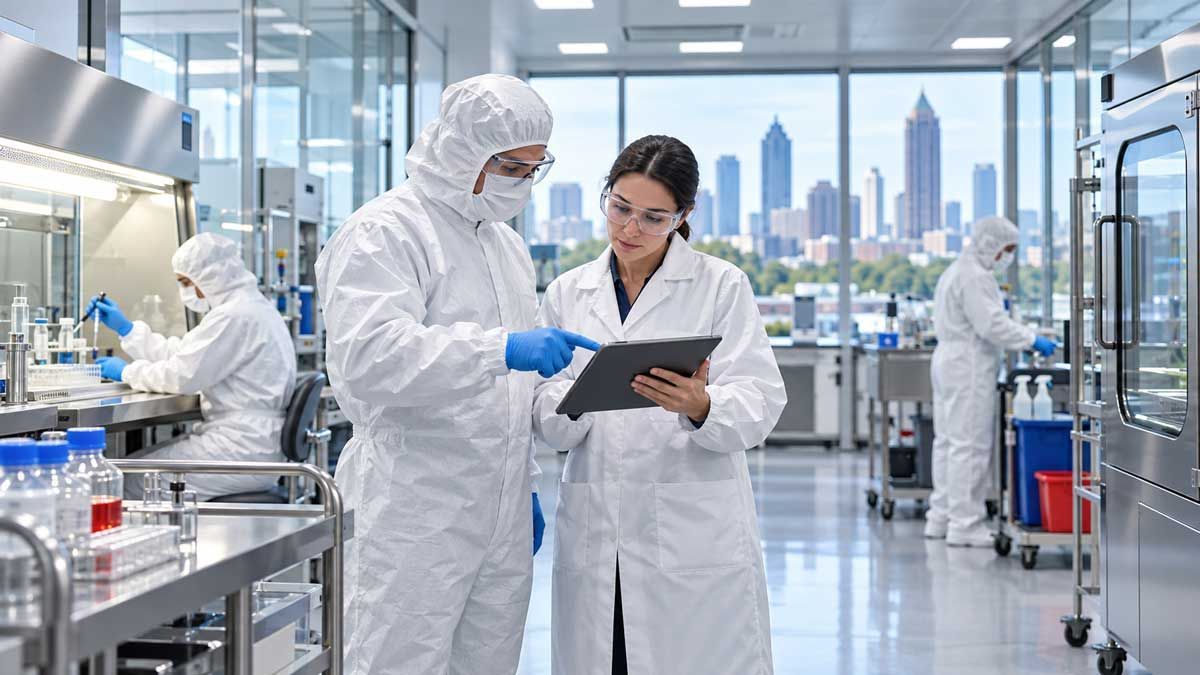
A successful contamination control program requires more than routine cleaning. It requires specialized procedures, trained professionals, and a detailed understanding of how particles, humidity, and improper methods can affect sensitive systems.
Facilities that overlook these risks may face avoidable operational disruptions. By identifying common mistakes early, data center managers can strengthen cleaning strategies and protect long-term performance.
Skipping Regular Filter Replacements
Air filtration systems play an important role in maintaining stable conditions inside data centers. When filters are neglected, dust and airborne particles can accumulate, affecting airflow efficiency and environmental control.
Blocked or outdated filters may contribute to:
- Reduced airflow performance throughout equipment areas.
- Increased particle circulation within controlled spaces.
- Additional strain on cooling systems.
- Higher contamination risks around sensitive hardware.
Regular inspections and replacement schedules help maintain proper filtration performance. Data centers should also ensure that cleaning procedures account for areas around HVAC systems, raised floors, and airflow pathways.
Cleanstar National Inc follows structured contamination control practices designed to support sensitive environments through specialized
controlled contamination cleaning in Atlanta
solutions.
Overlooking High-Traffic Zone Cleaning
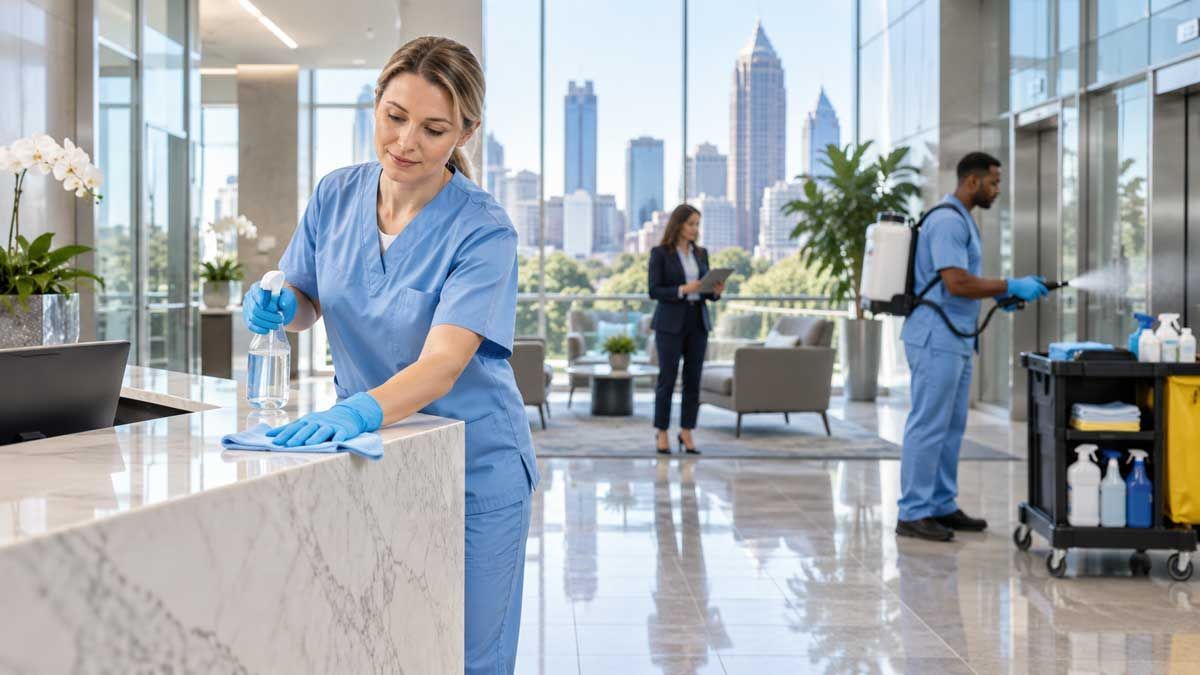
High-traffic areas often introduce additional contamination risks because employees, vendors, and equipment movement can bring dust, fibers, and outside particles into controlled spaces.
Important areas that require consistent attention include:
- Entry points and access areas.
- Server aisles and equipment pathways.
- Loading zones and staging areas.
- Shared workspaces near critical systems.
Without proper cleaning schedules, particles may move through the facility and reach sensitive equipment. A detailed cleaning plan should identify these locations and establish procedures based on traffic levels and operational requirements.
Ignoring HVAC System Maintenance
HVAC systems directly influence temperature control, airflow, and contamination management. Ignoring routine maintenance can create conditions that increase risks inside data centers.
Common HVAC-related concerns include:
- Dust buildup affecting airflow pathways.
- Reduced cooling efficiency caused by contaminated components.
- Poor humidity control that may affect equipment reliability.
- Increased maintenance needs caused by neglected systems.
Preventive inspections help facility teams identify potential issues before they impact operations. HVAC maintenance should work alongside professional cleaning procedures to support stable environmental conditions.
Using Improper Cleaning Equipment
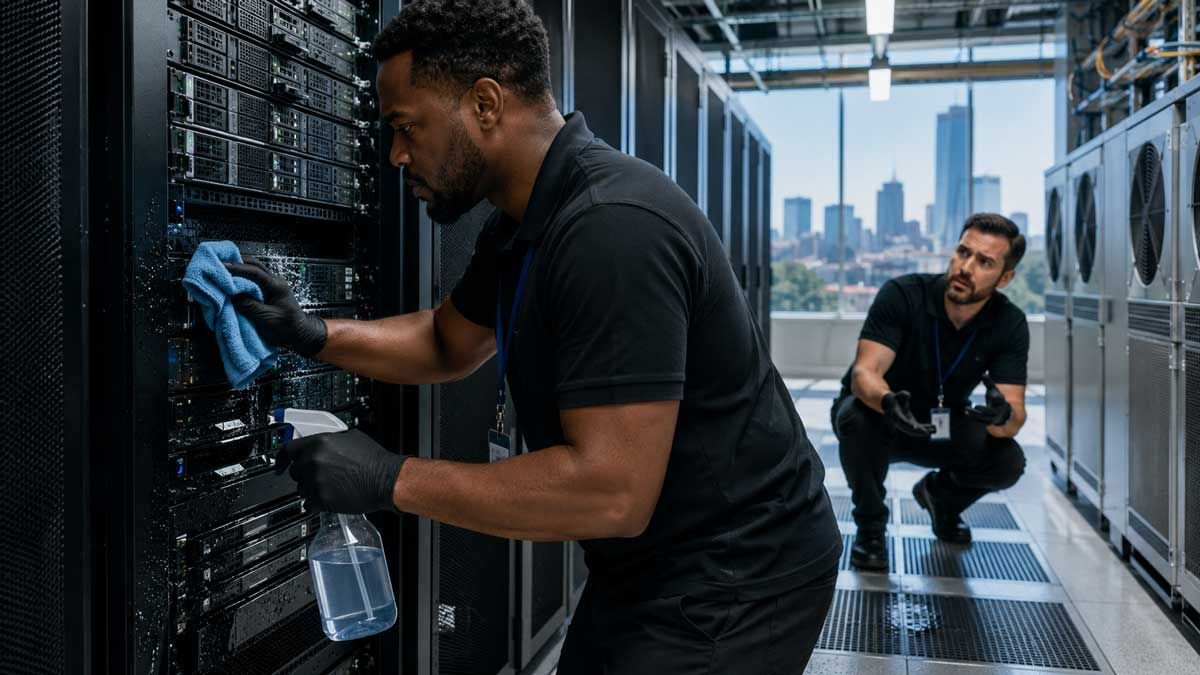
Using incorrect tools or products is one of the most common contamination control mistakes in data centers. Sensitive technology requires cleaning methods designed specifically for electronic environments.
Improper cleaning practices may:
- Spread particles instead of removing them.
- Create static-related risks near sensitive equipment.
- Leave residue on critical surfaces.
- Introduce chemicals that are not appropriate for technology environments.
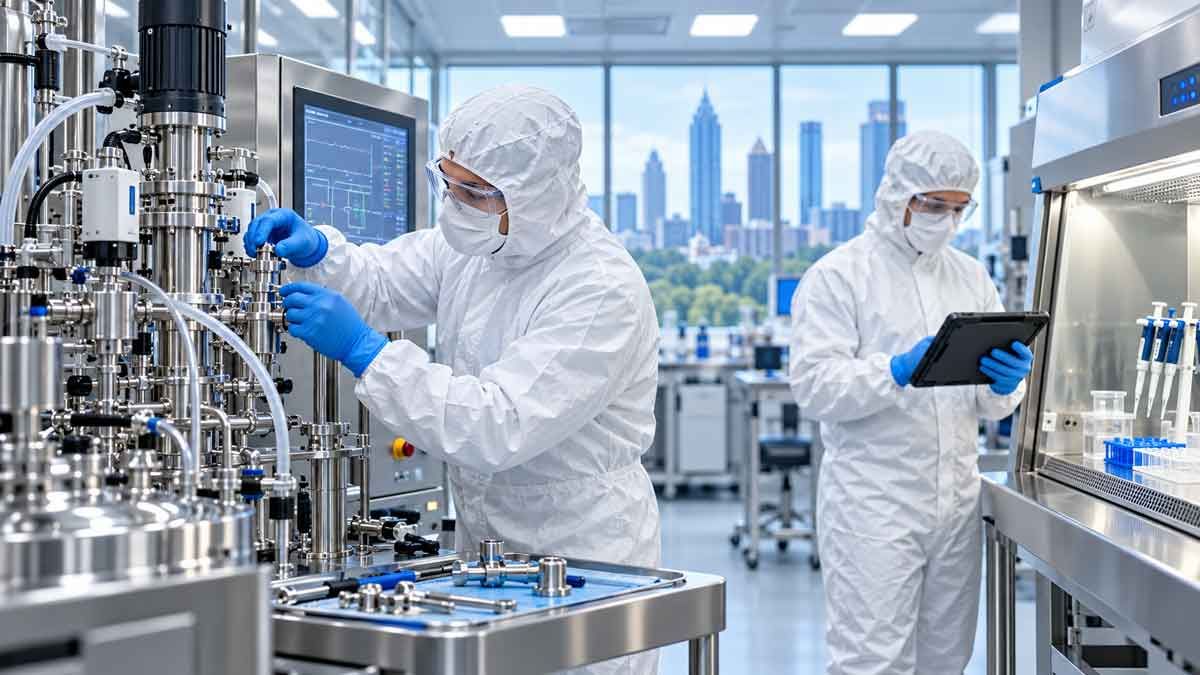
Data center cleaning requires specialized equipment, including HEPA-filtered vacuums, approved microfiber materials, and procedures designed to reduce particle movement.
Using the correct tools helps protect equipment while supporting cleanliness standards expected in controlled environments.
Failing to Control Humidity Levels
Humidity management is essential for protecting electronic systems. Excess moisture can contribute to corrosion risks, while insufficient humidity control may increase static concerns.
Data centers should monitor:
- Temperature and humidity levels throughout critical areas.
- Environmental changes caused by weather or facility conditions.
- Signs of moisture-related equipment concerns.
- Air quality conditions affecting sensitive hardware.
Maintaining proper environmental controls helps reduce risks and supports more reliable equipment performance.
Neglecting Cables and Server Racks
Server racks and cable systems require careful attention during cleaning procedures. Poor maintenance in these areas can affect airflow, accessibility, and equipment reliability.
Common risks include:
- Dust accumulation around rack components.
- Restricted airflow caused by poor organization.
- Delays during maintenance or troubleshooting.
- Increased safety concerns for technical teams.
Cleaning teams must understand how to work around sensitive infrastructure without disrupting connections or creating unnecessary risks.
Proper procedures protect equipment while allowing facility teams to maintain organized, accessible environments.
Allowing Untrained Personnel Access
Access control is a critical part of contamination prevention in data centers. Allowing untrained personnel into sensitive areas can increase risks related to improper cleaning methods, security procedures, and documentation gaps.
Qualified teams should understand:
- Facility access requirements.
- Approved cleaning procedures.
- Equipment protection methods.
- Documentation and reporting expectations.
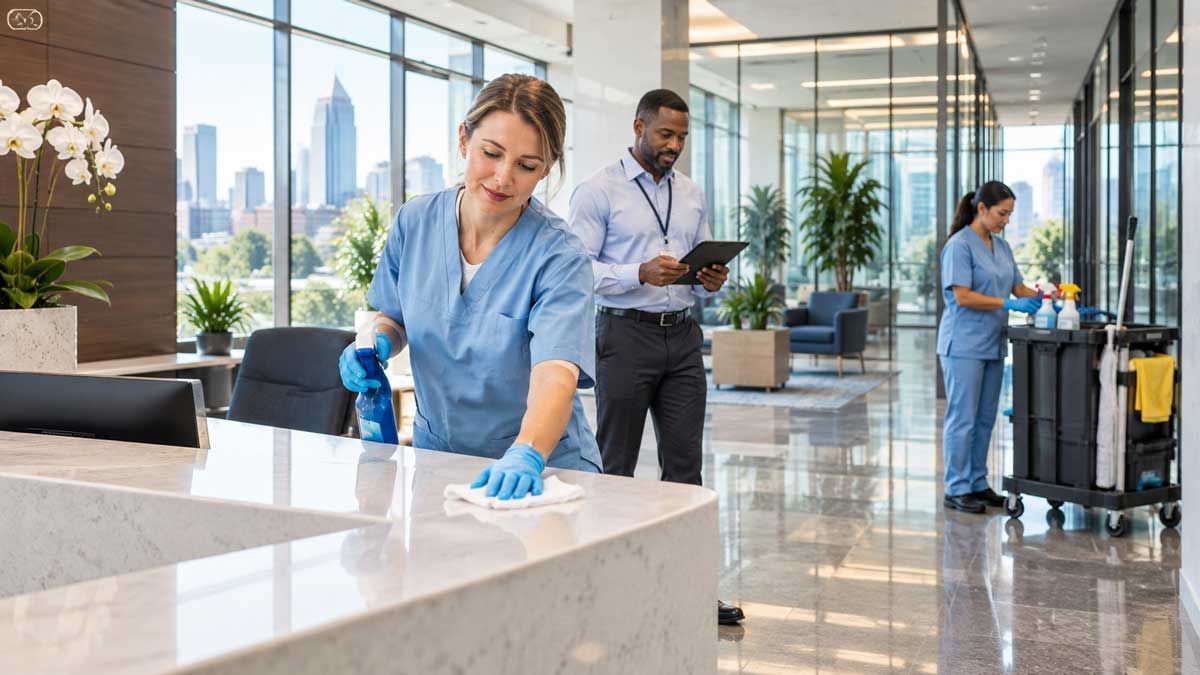
Training helps ensure that every person entering a controlled environment understands their responsibility. Cleanstar National Inc uses E-Verified professionals who receive specialized training to support high-performance facilities.
Failing to Maintain Documentation and Compliance Records
Cleaning documentation provides important evidence that procedures are being completed correctly. Without accurate records, facilities may struggle to demonstrate compliance during internal reviews or audits.
Strong documentation practices include:
- Recording completed cleaning activities.
- Tracking products and procedures used.
- Maintaining training records.
- Reviewing results to identify improvement opportunities.
Facilities that maintain detailed records gain better visibility into contamination control performance and can respond more effectively to operational challenges.
Relying on General Cleaning Approaches
Mission-critical data centers require more than standard cleaning methods. General approaches may not address the unique requirements of sensitive equipment, controlled environments, and compliance expectations.
Specialized cleaning programs focus on:
- Protecting sensitive technology.
- Reducing contamination risks.
- Supporting ISO 14644-aligned practices.
- Maintaining operational continuity.
A qualified cleaning partner understands that data center environments require precision, accountability, and technical knowledge.
Cleaning protocol mistakes can create unnecessary risks for Atlanta data centers. From improper equipment use to inconsistent training, small gaps can affect system reliability and compliance readiness.
Cleanstar National Inc helps organizations address these challenges through specialized cleaning programs designed for mission-critical environments. With more than 30 years of experience and a team of over 700 E-Verified professionals, Cleanstar provides structured processes that support data centers, healthcare facilities, and complex commercial environments.
By combining trained teams, documented procedures, and advanced cleaning methods, facilities can reduce contamination risks and maintain stronger operational performance.
For data center managers, professional contamination control is not simply routine maintenance. It is a strategic investment in uptime, compliance, and the long-term protection of critical infrastructure.
Cleanstar National: Expert B2B Cleaning Solutions for Atlanta's Critical Industries