Criteria for Scheduled Cleanroom Audits in Coastal Georgia Data Centers
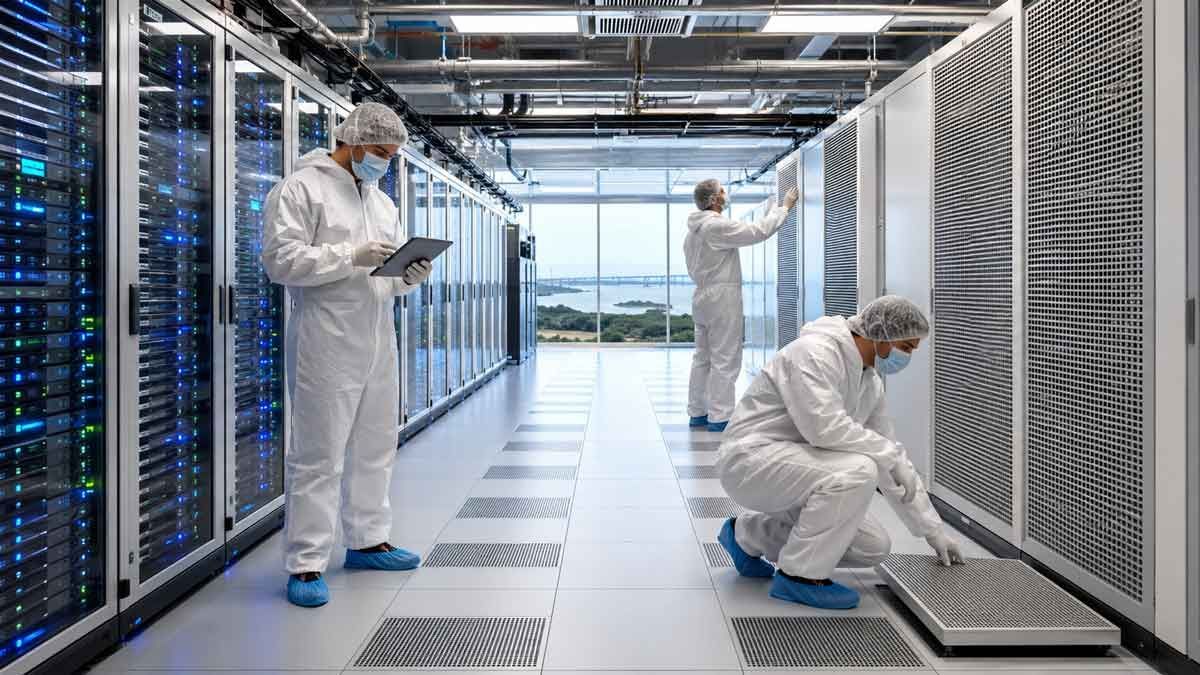
Scheduled cleanroom audits play a key role in controlling contamination risks across Coastal Georgia data centers.
These facilities support critical digital infrastructure, meaning small environmental issues can create larger concerns for equipment reliability, uptime, and compliance. However, the coastal environment creates additional challenges. High humidity, airborne particles, and salt exposure can place extra pressure on sensitive systems. Because of this, data center operators need structured audit programs that review environmental conditions, cleaning procedures, equipment protection, and staff practices.
A complete audit process evaluates temperature levels, humidity control, airflow performance, surface cleanliness, cleaning documentation, and personnel procedures. These checks help identify contamination risks before they impact operations. Maintaining these standards requires trained teams that understand the needs of mission-critical environments.
Facilities that invest in scheduled audits and specialized cleaning processes are better positioned to protect equipment and maintain operational stability.
Humidity and Temperature Monitoring Standards
Maintaining stable humidity and temperature levels is essential for Coastal Georgia
controlled contamination cleaning for data centers
Environmental changes can increase risks related to corrosion, static discharge, and contamination buildup. Most data centers use monitoring systems that continuously track temperature and relative humidity levels. These systems allow facility teams to identify changes quickly and respond before conditions create problems.
High humidity can contribute to corrosion and moisture-related concerns, while extremely low humidity can increase the chance of electrostatic discharge. Regular monitoring helps confirm that environmental controls remain effective. During scheduled audits, teams review sensor performance, historical readings, and response procedures. This documentation provides insight into whether environmental systems are operating properly.
Facilities working with experienced providers for controlled contamination cleaning in data centers can also improve their audit readiness by maintaining consistent cleaning records and contamination-control procedures.
Airflow and HVAC Performance Requirements
Airflow and HVAC performance are important parts of scheduled cleanroom audits for Coastal Georgia data centers. Proper airflow management helps control airborne particles and supports stable operating conditions. Airflow testing helps verify that cooling systems distribute air correctly throughout equipment areas. Poor airflow can allow dust buildup, create temperature variations, and increase stress on sensitive hardware.
Pressure differential checks are also reviewed during audits. Maintaining proper pressure relationships between controlled areas and surrounding spaces helps reduce the movement of unwanted particles. Filter performance remains another important area of review. High-efficiency filtration systems help capture airborne contaminants before they reach critical equipment areas. Regular inspections and replacement schedules support reliable performance.
HVAC maintenance records should also be reviewed during audits to confirm that service activities are completed according to facility requirements.
Surface Particle Count Benchmarks
Surface cleanliness is a major factor in protecting data center equipment. Dust and residue buildup can affect airflow, cooling performance, and hardware reliability if not properly controlled.
Scheduled audits often include visual inspections, particle assessments, and reviews of cleaning procedures. These checks help facility managers understand contamination levels and identify areas requiring additional attention.
Key areas reviewed may include:
- Server racks and equipment surfaces
- Raised flooring areas
- Cable pathways
- Cooling system spaces
- High-touch maintenance areas
ISO 14644 principles are often used as a reference for controlled environment cleanliness. While data centers differ from pharmaceutical cleanrooms, contamination-control practices help reduce risks associated with airborne particles and surface buildup.
Regular Equipment Cleaning Protocols
Cleaning sensitive equipment requires specialized procedures and trained technicians. Traditional cleaning methods may not be suitable for mission-critical environments because improper tools or chemicals can create additional risks.
Equipment cleaning protocols should include the use of electronics-safe materials that remove dust and residue without damaging sensitive components. Raised floor areas also require attention because dust accumulation beneath flooring can affect airflow and cooling efficiency. Proper cleaning techniques help maintain better environmental control.
Anti-static procedures are another important part of data center cleaning. Technicians should use appropriate tools and follow ESD protection practices when working around sensitive equipment.
All cleaning materials and procedures should be documented to support audit requirements and demonstrate controlled processes.
Documentation of Cleaning Cycles
Accurate documentation is essential for successful cleanroom audits. Cleaning records provide proof that procedures are completed consistently and according to established schedules.A complete cleaning record should include service dates, completed areas, cleaning methods, materials used, and technician information. Digital tracking systems can help facility managers review cleaning history and identify patterns over time. These records also make it easier to prepare for internal reviews and compliance assessments.
Consistent documentation improves accountability and allows teams to make informed decisions about future cleaning schedules.
Personnel Gowning and Conduct Guidelines
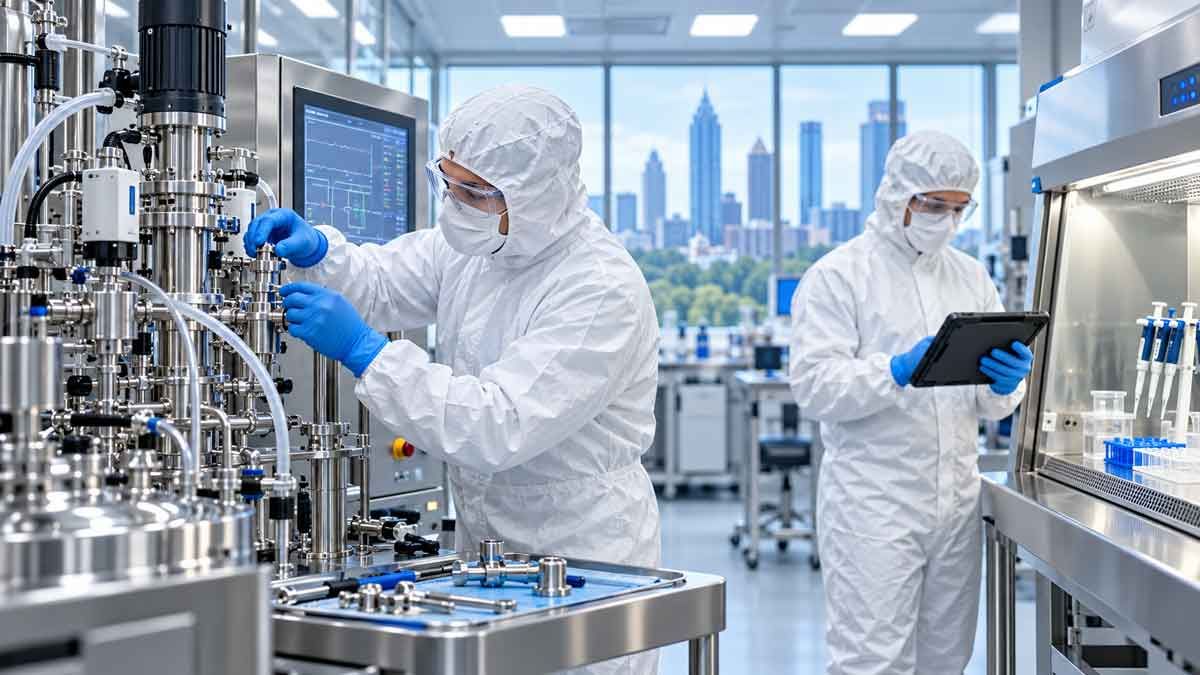
Personnel behavior directly affects contamination control inside data centers. Staff members entering controlled environments must follow procedures designed to reduce particle introduction. Depending on facility requirements, gowning procedures may include protective garments, gloves, shoe covers, and other equipment.
Scheduled audits review several areas, including:
- Employee training records
- Access control procedures
- Gowning practices
- Movement inside controlled spaces
Technicians must also understand proper conduct within sensitive areas. Limiting unnecessary movement, avoiding improper contact with equipment, and following established procedures help reduce contamination risks.
A trained cleaning team understands that each step performed inside a critical environment contributes to overall equipment protection.
Compliance With Coastal Environmental Challenges
Coastal Georgia data centers face unique environmental conditions that require proactive contamination-control planning. Humidity, salt exposure, and severe weather conditions can influence facility maintenance requirements. Scheduled audits help identify areas where additional controls may be needed, including environmental monitoring improvements, HVAC adjustments, cleaning frequency changes, and entry point protection.
By understanding local conditions, facility managers can create cleaning programs that better support equipment reliability and operational continuity. Working with experienced specialists in critical environments provides facilities with a stronger approach to contamination prevention and compliance readiness.
Maintaining Reliable Audit Standards
Scheduled cleanroom audits help Coastal Georgia data centers maintain reliable operations by identifying contamination risks before they affect critical systems.
A successful audit program combines environmental monitoring, specialized cleaning procedures, detailed documentation, and trained personnel. These elements work together to support uptime and protect valuable infrastructure.
Cleanstar National Inc provides specialized services designed for mission-critical environments, including data centers that require controlled cleaning processes. Through trained teams, structured procedures, and industry-aligned practices, Cleanstar helps facilities manage contamination risks and maintain cleaner operating conditions.
Facilities that require dependable support for sensitive environments can benefit from professional solutions designed around compliance, reliability, and operational needs.
As environmental challenges continue to affect data centers across the Southeast, scheduled audits remain an important tool for protecting equipment, improving accountability, and supporting long-term facility performance.
Cleanstar National: Expert B2B Cleaning Solutions for Atlanta's Critical Industries