5 Benefits of Commercial Day Porter Services in Metro Atlanta

The building is open. The cleaning needs keep changing.
Last updated:
The overnight clean is complete. Before lunch, a restroom needs supplies, rain has tracked through the entrance and the breakroom bins are filling. These are daytime needs—not necessarily signs that the night team missed its work.
Commercial day porter services give facility managers a way to address agreed cleaning tasks while a building is occupied. For Metro Atlanta offices, campuses, medical buildings, warehouses and other busy properties, the value is having coverage when shared spaces actually need attention.
What does a commercial day porter do?
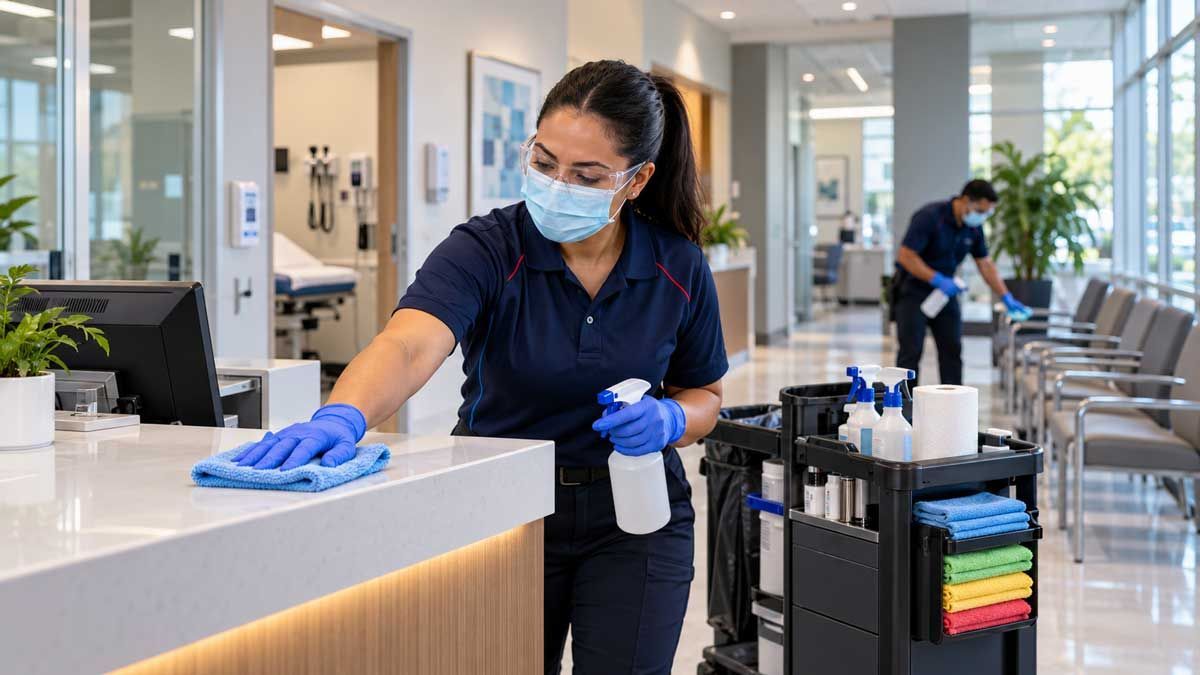
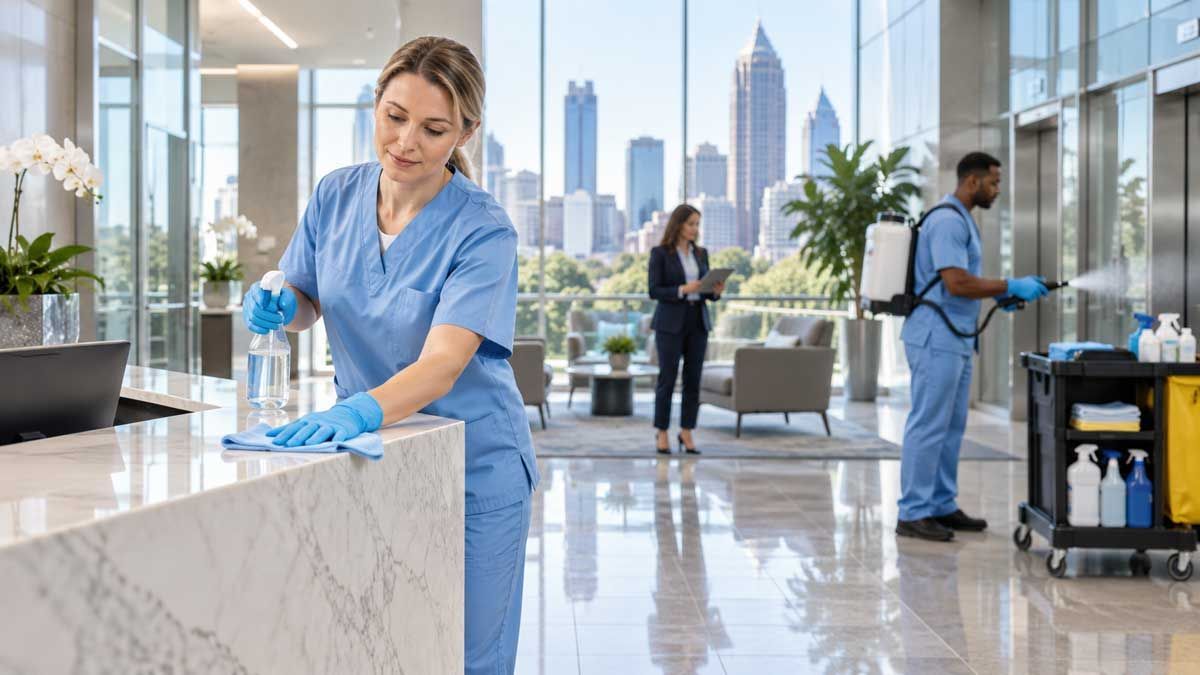
A day porter provides assigned cleaning and facility support during occupied hours. The role can include restroom checks, replenishing agreed supplies, lobby and breakroom attention, routine trash removal and response to ordinary spills.
A commercial day porter program should specify the areas covered, working hours, priority tasks and who receives service requests. It is not an open-ended assignment to repair equipment or handle every issue in the building.
Janitorial service is not defined only by nighttime work. A broader cleaning program may operate during the day, evening or overnight. Day porter coverage adds attention to selected spaces while people are using them.
Five practical benefits for an occupied facility
1. Restrooms receive attention during the working day
Restrooms need more than a check before the doors open. Supplies can run low, bins can fill and fixtures can need attention as occupancy changes.
A defined porter route can include scheduled checks, agreed restocking, fixture cleaning and routine waste removal. Confirm who purchases the supplies, where stock is kept and how shortages or maintenance problems are reported. Replenishing a dispenser and repairing it are different assignments.
2. Lobbies and shared spaces stay more presentable
Entrances, reception areas, elevators and corridors are used throughout the day. Tracked-in dirt, fingerprints on entrance glass and discarded packaging can appear long after scheduled cleaning ends.
Daytime attention helps maintain these spaces between full cleaning visits. Focus the route on the property's actual traffic and priorities rather than expecting one porter to monitor every area continuously.
3. Routine spills and waste have a clear response path
A coffee spill or overflowing bin should have an identified contact during the agreed coverage hours. On-site support creates a way to report and address ordinary cleaning needs rather than simply leaving them for the evening team.
Define the response process, priority areas and tasks that require escalation. Hazardous materials, unknown residues, leaks and equipment faults should not be treated as ordinary cleanup by default. Work needs to remain within the team's training, agreed scope and facility procedures.
4. Employees, tenants and visitors have better-supported shared areas
A breakroom may need attention after lunch. Meeting activity can increase waste in common spaces. A busy reception area may need a refresh before the next group arrives.
A porter plan can account for these recurring needs and give the facility team a clear route for requests. Keep cleaning responsibilities separate from reception, security and repairs. The focus is practical: maintained shared spaces and a consistent way to request help during covered hours.
5. Daytime and after-hours teams can coordinate their work
Day porter coverage does not automatically replace the nightly clean. It can handle agreed daytime tasks and pass along information about inaccessible areas, recurring problems or work that still needs attention.
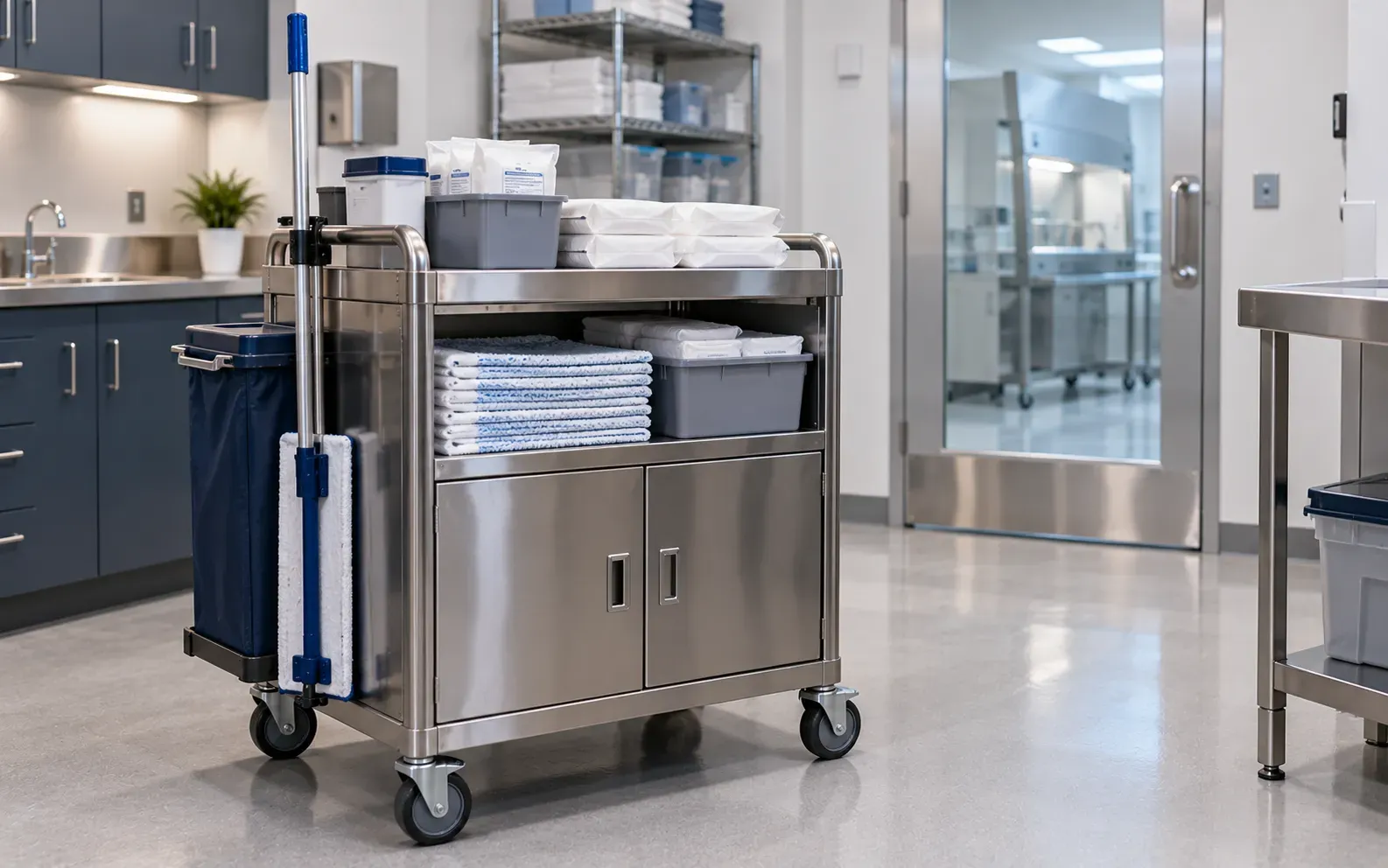
Define what belongs to the porter, the recurring janitorial team and any separately scheduled commercial floor-care service. Daytime spot cleaning is not the same assignment as machine scrubbing, extraction or refinishing. A clear handoff helps avoid duplicated or overlooked work.
Turn the benefits into a usable scope
These are common responsibilities to discuss—not a promise that every task is included in every contract. Agree on the work, timing and materials before service begins.
- Restrooms and supplies
- Identify inspection and refresh tasks, agreed consumables, storage access and the contact for a dispenser or plumbing problem.
- Lobbies and entrances
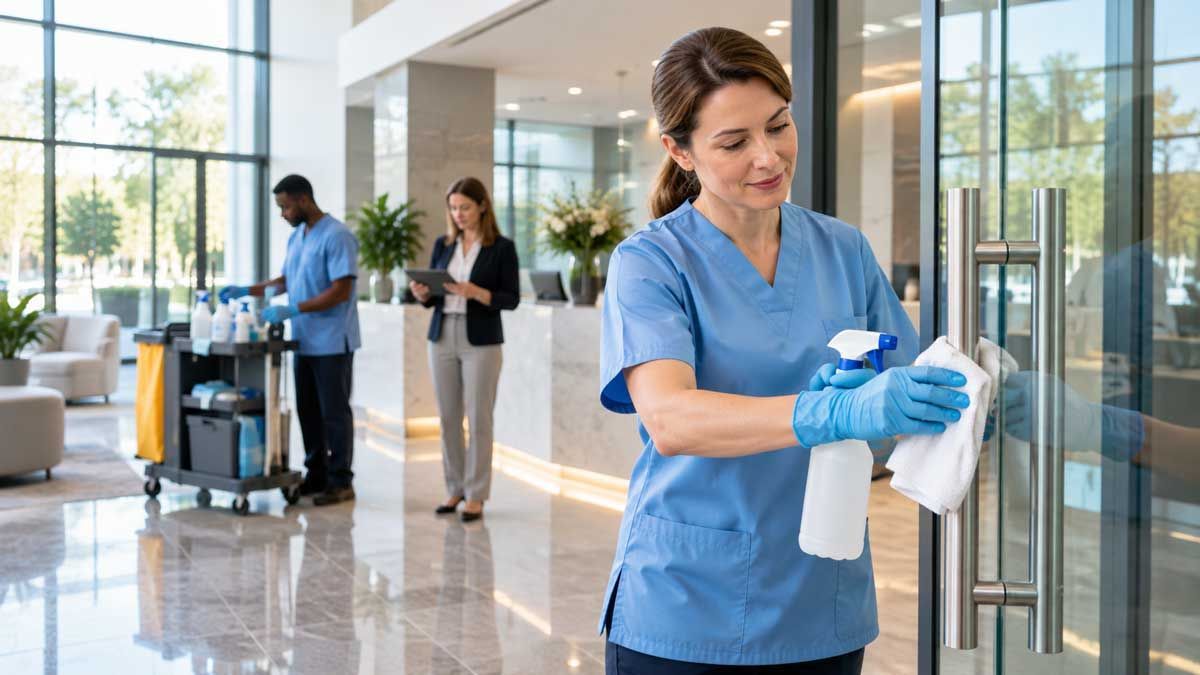
- Define entrance glass, touchpoints, mats and accessible floor areas. Plan the work around people entering and leaving.
- Routine trash and debris
- Name the bins and collection areas, the disposal route and who handles bulky material or waste outside the ordinary scope.
- Ordinary spills
- Set the reporting contact, permitted tasks and facility procedures. Identify when the porter must refer the issue to another team.
- Breakrooms and kitchenettes
- Specify counters, tables, sinks and waste areas. State who moves personal belongings and which appliances are included.
- Shared touchpoints
- Identify doors, handles, railings and other assigned surfaces, along with the approved cleaning methods and access conditions.
Which facilities benefit most?
Look for a recurring daytime service need, not just a large building. Corporate offices, multi-tenant properties, medical offices, dealerships, retail centers, government buildings and hospitality spaces may need attention while people are present.
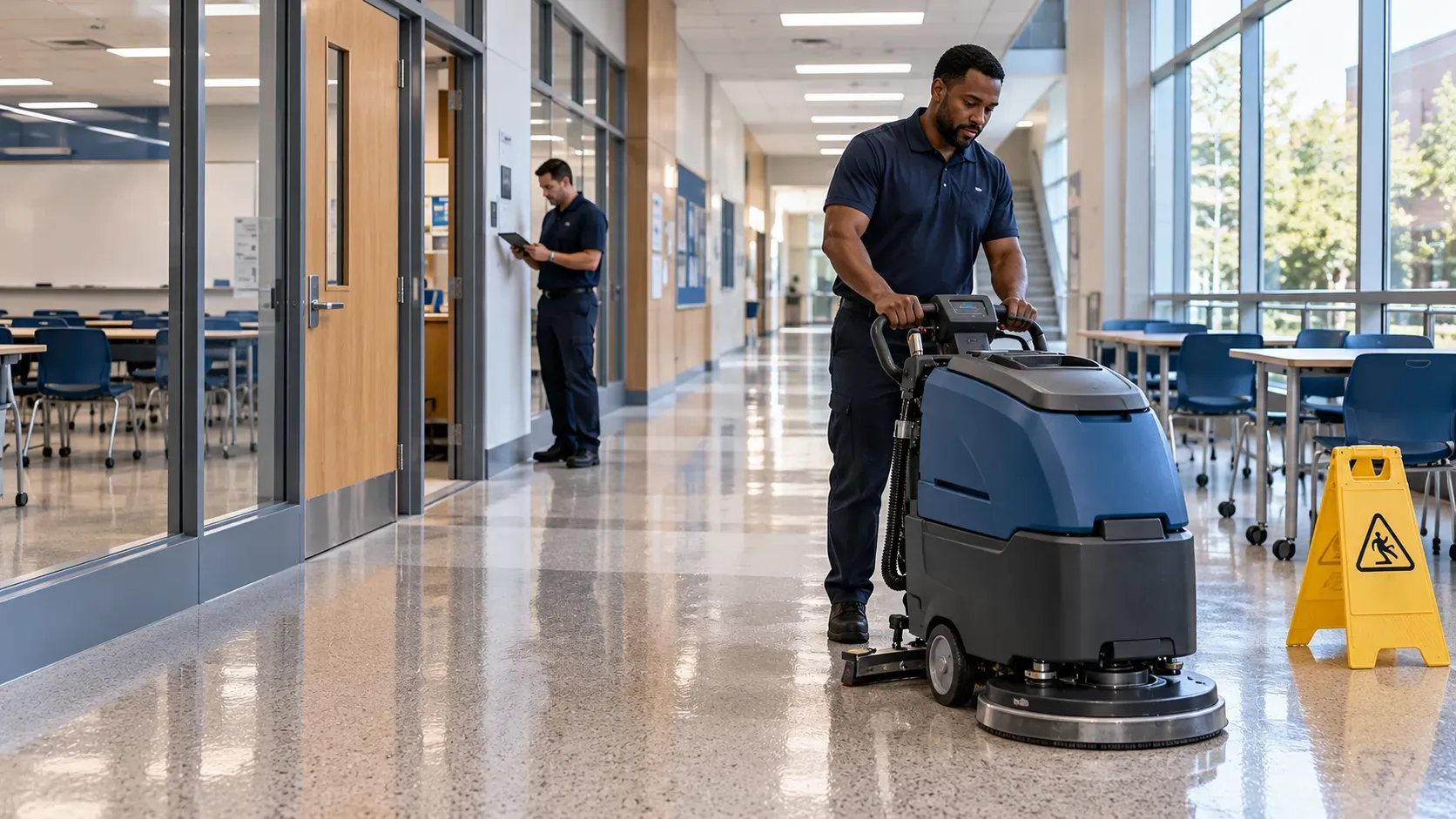
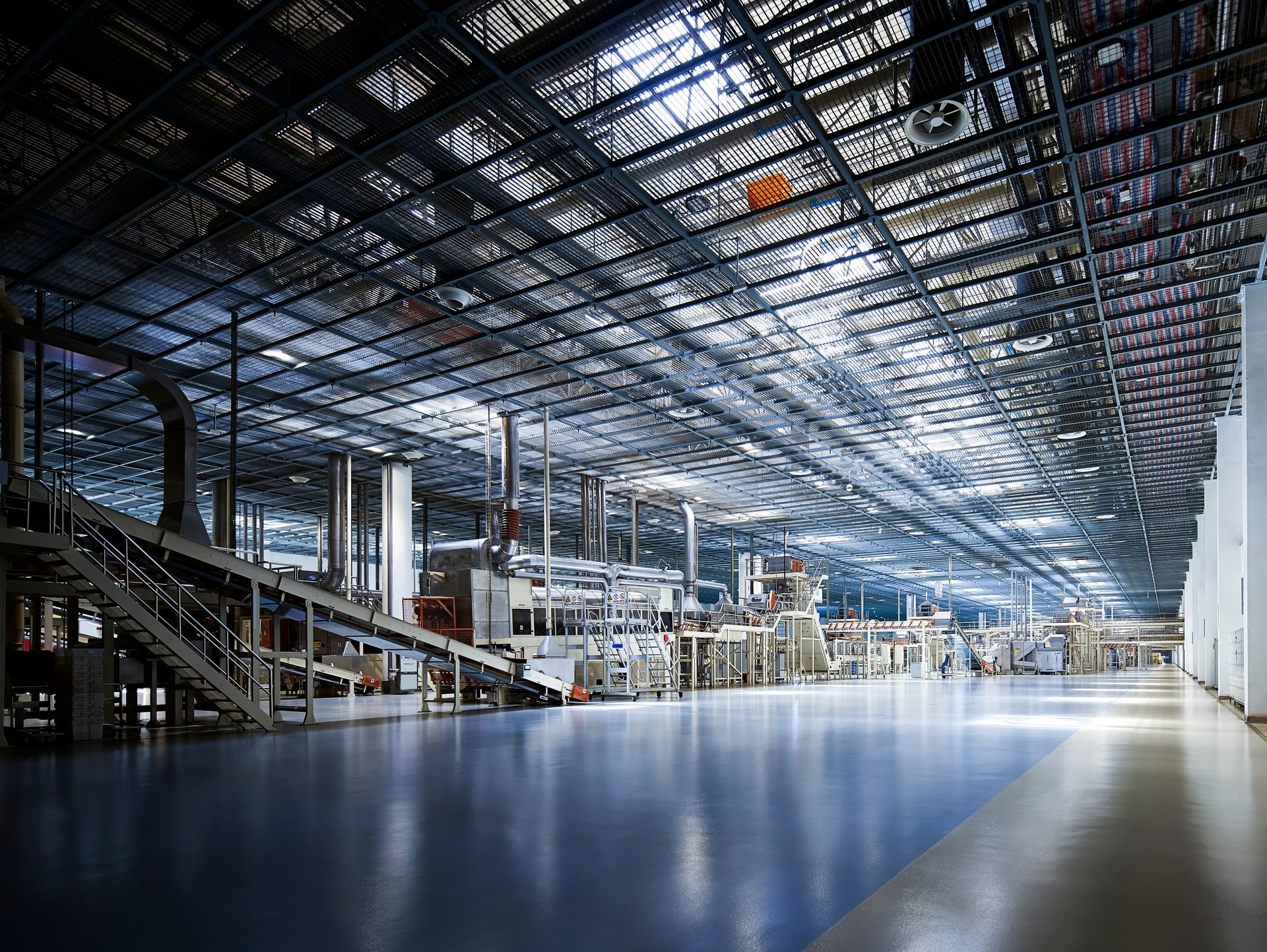
For schools, colleges and universities, plan around occupied buildings, class changes and events. Warehouses of different types may need daytime coverage for staff areas, restrooms and agreed operating zones; they should not all be treated as distribution centers.
A healthcare setting also needs clearly assigned responsibilities. Routine common-area porter work should not be presented as clinical cleaning, terminal cleaning or instrument care unless a separate, appropriate scope establishes that work.
Plan coverage around the work—not a generic shift
Before requesting a proposal, note where and when cleaning requests recur. For example, an illustrative office plan might prioritize an entrance after morning arrivals, restrooms around peak use and shared eating areas after lunch. Those are planning examples, not universal service frequencies.
- Areas and demand: which spaces need attention, when they are busiest and what is currently being missed.
- Tasks and hours: the assigned work, service days, coverage windows and expected handoff to other teams.
- Materials and access: who provides supplies, storage, equipment and permission to enter each area.
- Supervision and follow-up: the request contact, replacement-coverage arrangements and how unresolved work is reviewed.
ISSA's cleaning RFP guidance recommends clear operational specifications and current building information. Apply that principle when comparing porter proposals: make sure the hours, tasks, supplies and review arrangements describe the same assignment.
Compare pricing against coverage hours, tasks, supplies and supervision rather than a generic rate. A full-day shift may not match every facility’s needs; start with the required work and hours so the provider can propose an appropriate coverage plan.
Day porter planning for Metro Atlanta and Georgia facilities
Cleanstar National helps commercial facility teams define daytime cleaning needs around the property, its activity and the service expectations. The discussion should connect the porter assignment with any existing janitorial or periodic cleaning program.
Metro Atlanta is the core market. Suitable contracted work elsewhere in Georgia is considered according to location, scope, frequency, staffing, access and schedule. Review the Georgia service-area overview and share the actual jobsite addresses, including a location list for a multi-property program.
Day porter service questions
What does a commercial day porter do?
A commercial day porter handles assigned cleaning and facility-support tasks while a property is occupied. Duties can include restroom checks, replenishing agreed supplies, lobby and breakroom attention, routine trash removal and response to ordinary spills. The proposal should identify the areas, coverage hours, responsibilities and tasks that need another team.
How are day porter services different from janitorial cleaning?
Day porter service emphasizes selected tasks and changing needs during occupied hours. A broader janitorial program covers scheduled cleaning of the agreed spaces and may operate during the day, evening or overnight. The services can work together when their responsibilities and handoffs are clearly defined.
Which facilities benefit from day porter services?
Facilities with recurring daytime cleaning needs may benefit, including offices, medical buildings, schools, colleges, universities, dealerships, retail and mixed-use properties, public buildings, warehouses and hospitality spaces. The useful test is whether traffic and shared-area demands create work that cannot reasonably wait for the next scheduled cleaning visit.
Does day porter service include restroom supplies?
Restroom checks and replenishment can be included in the agreed work. The proposal should separately state who purchases supplies, where they are stored, which dispensers are covered and how shortages are reported. A restocking task does not automatically mean the product cost is included in the service price.
Does Cleanstar National provide day porter services beyond Metro Atlanta?
Cleanstar National serves Metro Atlanta and considers suitable contracted work elsewhere in Georgia. Share the facility locations, requested tasks, coverage hours and service frequency so the team can assess staffing, access, travel and scheduling. Cities named on the website are not a promise of immediate availability at every address.
Cleanstar National: Expert B2B Cleaning Solutions for Atlanta's Critical Industries