Atlanta Facility Operations Readiness
The Operational Reality Facing Atlanta Facilities During FIFA World Cup 2026
FIFA World Cup 2026 will place unprecedented demand on Atlanta’s stadium districts, airports, hotels, warehouses, healthcare facilities, commercial real estate portfolios, public buildings, restaurants, parking structures, and high-traffic facilities.
For facility managers, property managers, operations leaders, healthcare administrators, warehouse operators, hotel executives, and commercial real estate teams, World Cup 2026 is not simply an event. It is an operational stress test.
The question is not whether Atlanta facilities will be busy. The question is whether they are prepared to stay clean, safe, supplied, operational, and publicly trusted under sustained global attention.
World Cup Cleaning Services for Atlanta Facilities
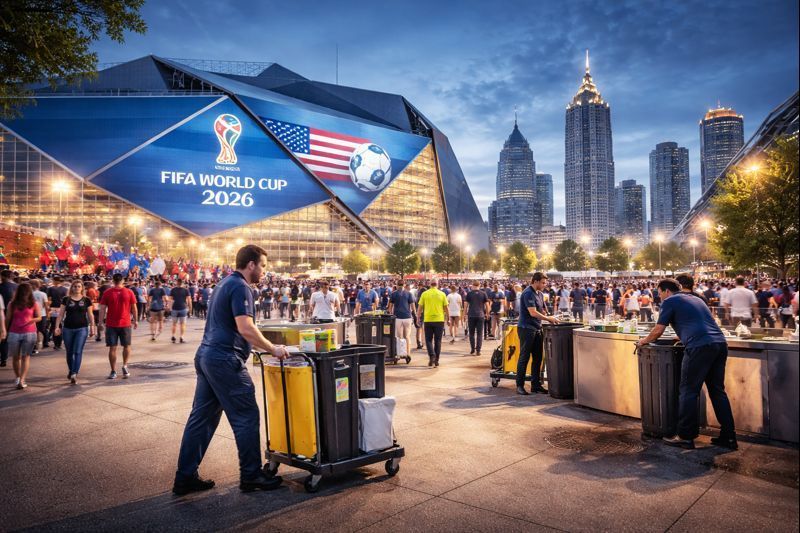
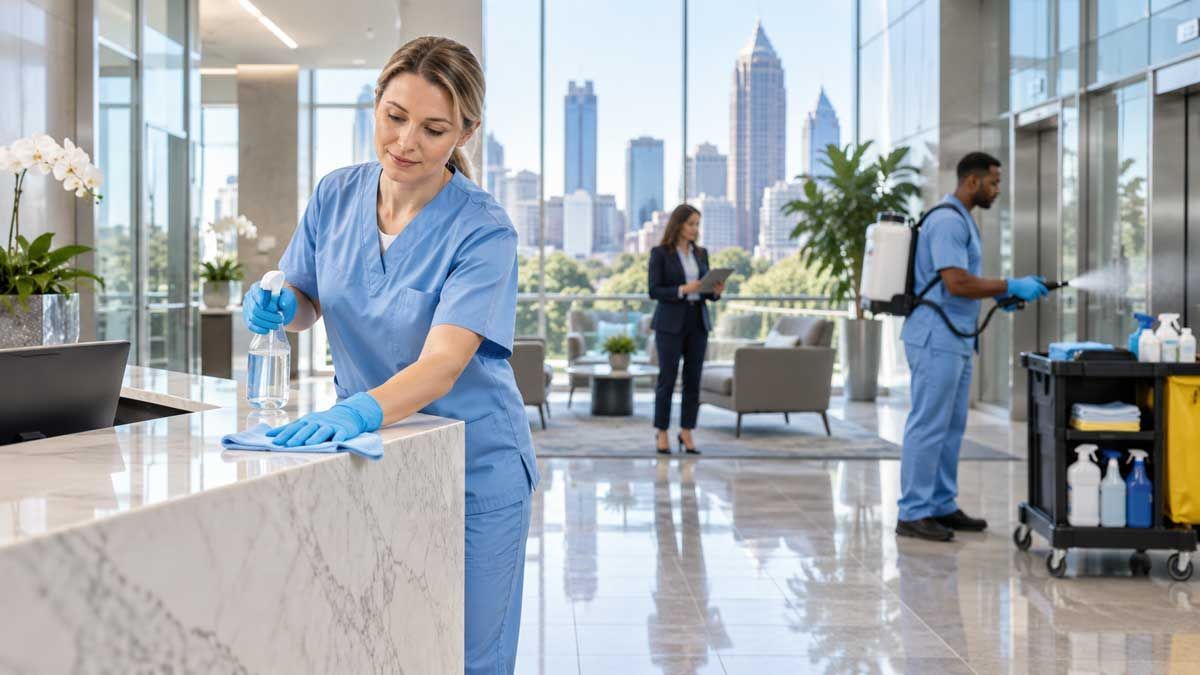
Cleanstar National supports Atlanta facilities preparing for elevated traffic, extended schedules, restroom demand, waste volume, high-touch disinfection, floor wear, day porter coverage, and post-event recovery.
Event & Venue Cleaning
Cleaning support for stadium-adjacent properties, event venues, public spaces, and high-traffic areas.
Hotel & Hospitality Cleaning
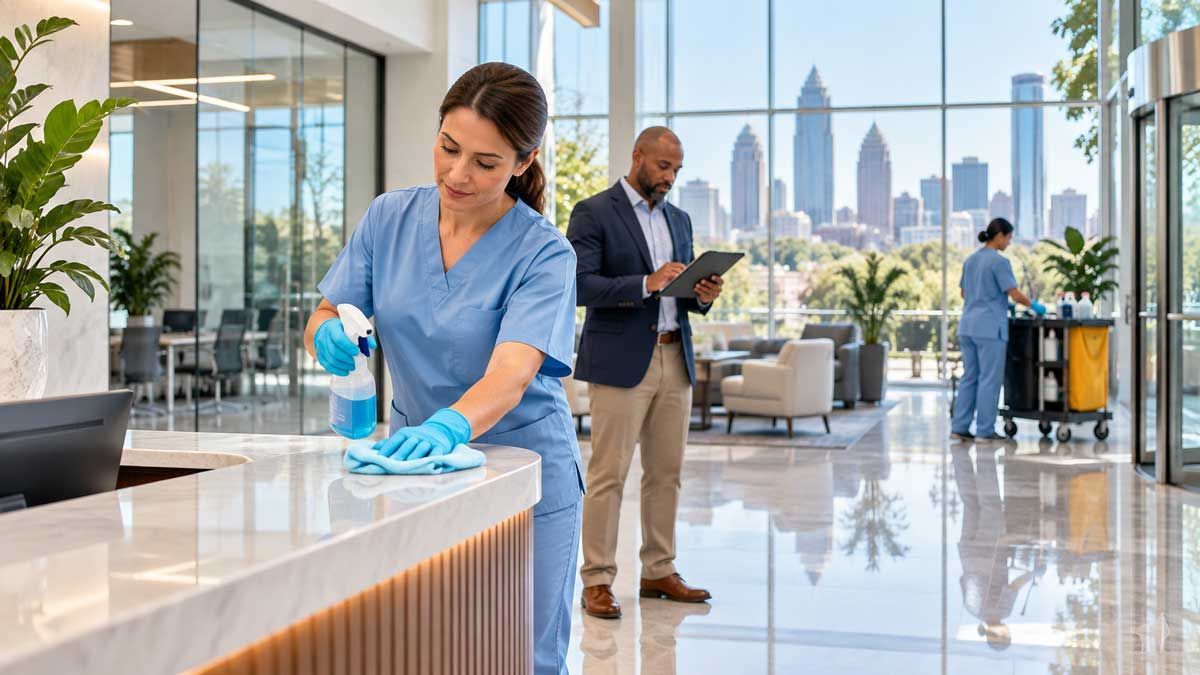
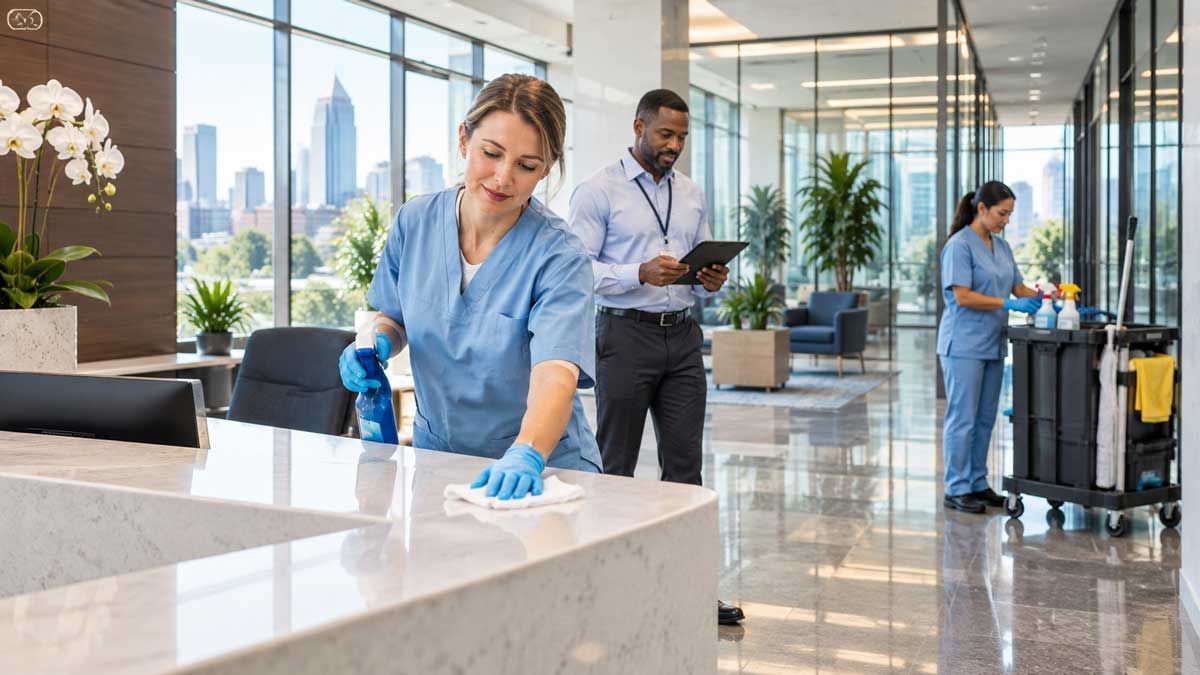
Lobby, restroom, elevator, restaurant, corridor, and guest-facing area support during increased demand.
Day Porter Services
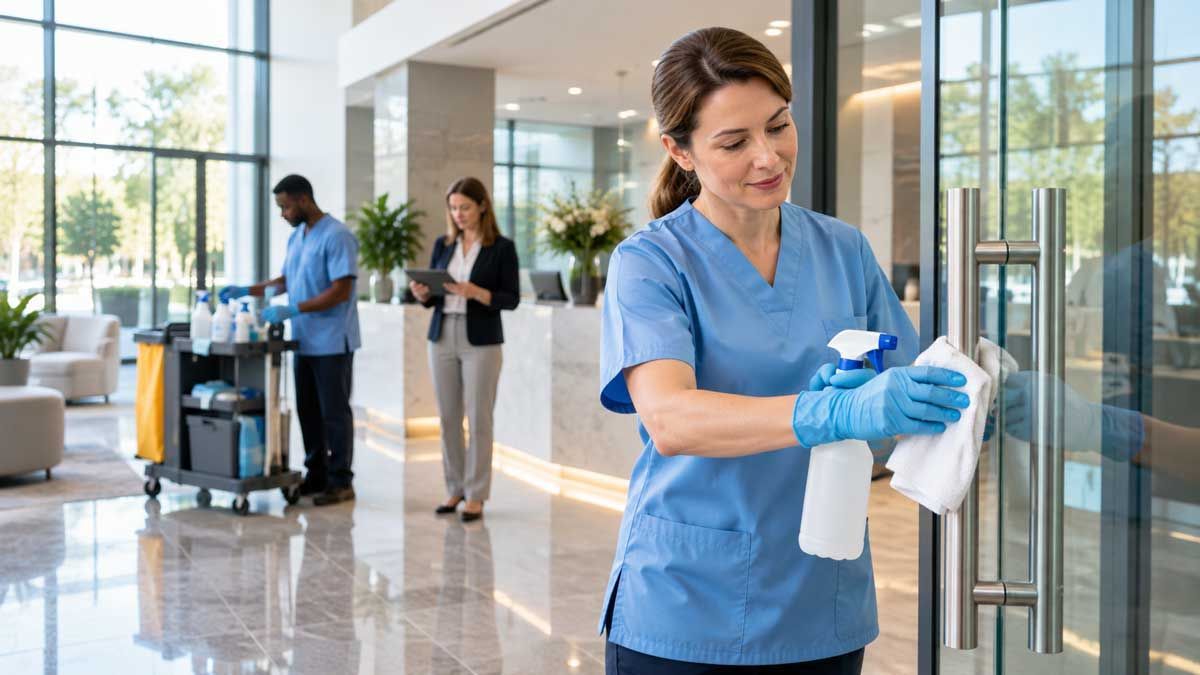
Continuous restroom refreshes, trash removal, spill response, touchpoint cleaning, and public-area monitoring.
Warehouse & Logistics Cleaning
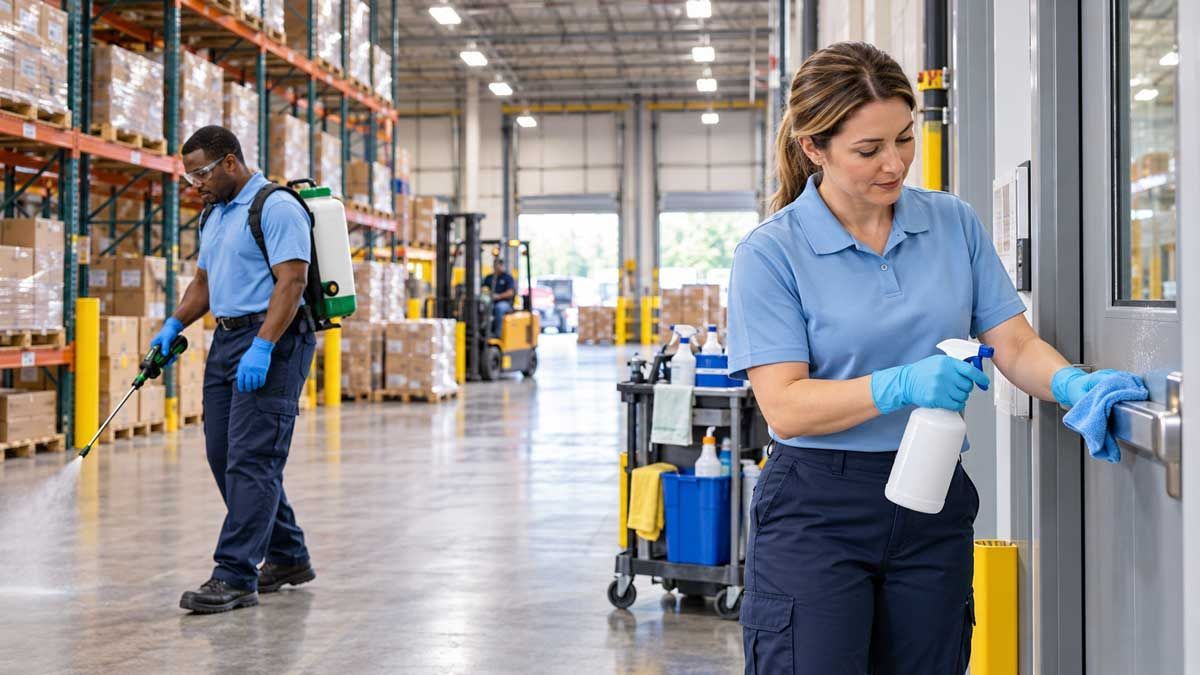
Support for staging areas, docks, floors, inventory movement, vendor traffic, and fulfillment environments.
Healthcare Facility Cleaning
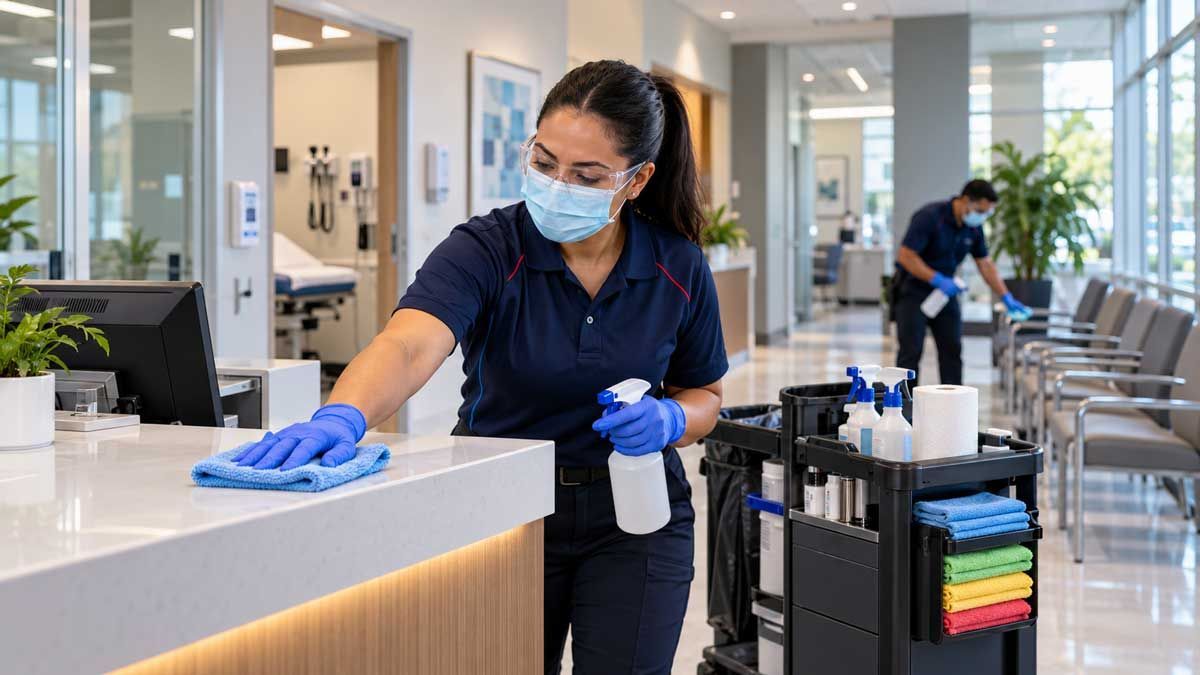
High-touch disinfection, waiting area sanitation, infection prevention support, and patient-ready environments.
Post-Event Recovery
Overnight resets, floor care, waste removal, pressure washing, restroom restoration, and next-day readiness.
Why the World Cup Is a Facility Stress Test, Not Just an Event
Major international events expose weaknesses that normal operations often hide. Restrooms cycle through heavy use. Floors never fully rest. Waste streams exceed normal assumptions. High-touch surfaces become public-health variables rather than routine maintenance items.
Facilities relying only on traditional janitorial schedules may struggle. Facilities that perform well use event-grade protocols designed for endurance, not appearance.
Questions Atlanta Facility Managers Are Asking Before World Cup 2026
Which Atlanta facilities will see the most pressure?
Facilities near Mercedes-Benz Stadium, Georgia World Congress Center, Downtown Atlanta, Midtown, Buckhead, Hartsfield-Jackson Atlanta International Airport, hospitality corridors, parking structures, restaurants, transit routes, and airport-area logistics properties are likely to experience increased demand.
How often should restrooms be serviced during high-volume events?
High-volume facilities often need continuous monitoring and rapid refresh cycles instead of standard scheduled cleaning. Supplies, odor control, trash containment, touchpoints, fixtures, and visual order must be checked repeatedly throughout peak activity.
What cleaning services matter most during global events?
- Day porter services
- Restroom sanitation
- Waste stream management
- High-touch disinfection
- Floor care and slip-risk reduction
- Event recovery cleaning
- Overnight reset operations
- Emergency cleaning response
From Scheduled Cleaning to Continuous Facility Operations
Traditional cleaning models are built around intervals: morning preparation, nightly resets, periodic deep cleaning, and scheduled service windows. World Cup conditions reduce those gaps.
- Cleanliness is maintained rather than restored.
- Supplies are replenished before depletion.
- Issues are resolved before they become visible.
- Cleaning teams function as part of the live operating environment.
This approach mirrors how Cleanstar National
supports mission-critical facilities where uptime, safety, and reliability matter.
Industry-Specific World Cup Readiness Strategies
Commercial Real Estate
Lobby presentation, elevator sanitation, restroom readiness, parking garage maintenance, tenant common areas, and portfolio-wide cleaning consistency.
Hotels & Hospitality
Guest turnover, lobby traffic, restroom demand, restaurant support, elevators, corridors, entrances, and guest-facing spaces.
Warehouses & Logistics
Dock cleaning, floor safety, waste management, staging zones, vendor movement, material handling areas, and operational continuity.
Healthcare Facilities
Waiting room sanitation, infection prevention support, touchpoint disinfection, restroom readiness, and patient confidence.
Data Centers
Contamination control, raised-floor cleaning, ESD-safe procedures, dust prevention, equipment-adjacent cleaning, and uptime protection.
Film Studios & Production
Production office cleaning, studio sanitation, common area support, event-related media activity, and entertainment facility readiness.
Restrooms: The First Point of Judgment
No area influences visitor perception faster than restrooms. Empty dispensers, overflowing trash, poor odor control, wet floors, or visual disorder can damage facility credibility quickly.
- Product availability
- Touchpoint sanitation
- Visual order
- Odor prevention
- Trash containment
- Guest confidence
Strategic Waste Stream Management Under Event-Scale Load
During FIFA World Cup 2026 in Atlanta, waste volume may spike across stadium districts, hotels, restaurants, parking garages, public plazas, airport-adjacent properties, and high-traffic commercial facilities.
- Use durable liners designed for heavy food and beverage waste.
- Enable rapid liner replacement without removing containers from service.
- Transport waste discreetly through active areas using covered equipment.
- Schedule large removals during natural lulls in activity.
- Increase monitoring at entrances, restrooms, vendor areas, and exterior gathering zones.
High-Touch Surface Disinfection During Global Event Traffic
Handrails, kiosks, elevator controls, counters, door handles, restroom fixtures, payment areas, and queue zones become shared contact points for visitors from around the world.
World Cup readiness requires mapping how people enter, pause, queue, gather, eat, wait, and exit. The highest-risk contact points should be cleaned and disinfected continuously without interrupting facility flow.
This same discipline supports Cleanstar National’s healthcare cleaning validation
work.
24-Hour Shift Architecture for Event Readiness
Preparation
Deep cleaning, full restocking, restroom preparation, floor readiness, equipment staging, and vendor alignment before peak traffic.
Live Response
Monitoring and intervention in restrooms, entrances, lobbies, elevators, trash zones, food service areas, and high-touch points.
Recovery
Overnight resets, floor care, waste removal, pressure washing, restroom restoration, supply recovery, and next-day readiness.
What Happens When Facilities Do Not Prepare
- Staff burnout and service inconsistency
- Reactive purchasing and supply shortages
- Restroom complaints and visible disorder
- Waste overflow and traffic disruption
- Increased risk exposure
- Delayed post-event recovery
- Reputational damage for public-facing properties
The Hidden Risk: Supply Chain Assumptions
During major events, supplies tighten. Familiar products may become scarce. Substitutions can create inconsistency, training gaps, and performance problems.
- Approved products should be selected and tested early.
- Staff should train on consistent materials.
- Inventory should reflect surge demand, not normal usage.
- Replenishment schedules should be planned before peak traffic.
- Critical equipment should be staged before the event window.
Related Cleanstar National Services
Frequently Asked Questions About World Cup Facility Readiness in Atlanta
Why is FIFA World Cup 2026 a facility operations challenge for Atlanta?
The event will increase traffic across stadium districts, airports, hotels, restaurants, parking structures, warehouses, healthcare-adjacent environments, and public-facing facilities. Each location must stay clean, safe, and operational under prolonged demand.
Why are day porter services important during major events?
Day porter services help facilities maintain cleanliness in real time by monitoring restrooms, trash, supplies, spills, touchpoints, entrances, elevators, and public-facing areas throughout the day.
How should Atlanta hotels prepare for World Cup traffic?
Hotels should strengthen public-area cleaning, lobby support, elevator cleaning, restroom refresh cycles, restaurant sanitation, guest turnover procedures, exterior entrance maintenance, and overnight reset planning.
How should warehouses prepare for event-related logistics?
Warehouses should prepare dock areas, staging zones, floors, inventory support areas, restrooms, breakrooms, waste handling systems, and vendor traffic paths before demand increases.
When should facilities begin planning?
Facility leaders should begin planning now so they can test staffing models, supply chains, restroom cycles, floor care plans, waste procedures, vendor coordination, and post-event recovery timelines before peak demand.
Schedule a World Cup Facility Readiness Assessment
Cleanstar National helps Atlanta commercial, industrial, healthcare, hospitality, warehouse, logistics, and public-facing facilities prepare for high-volume traffic, continuous operations, and post-event recovery.
Request a Facility Cleaning Quote