
Why Data Centers Require Specialized Cleaning Protocols
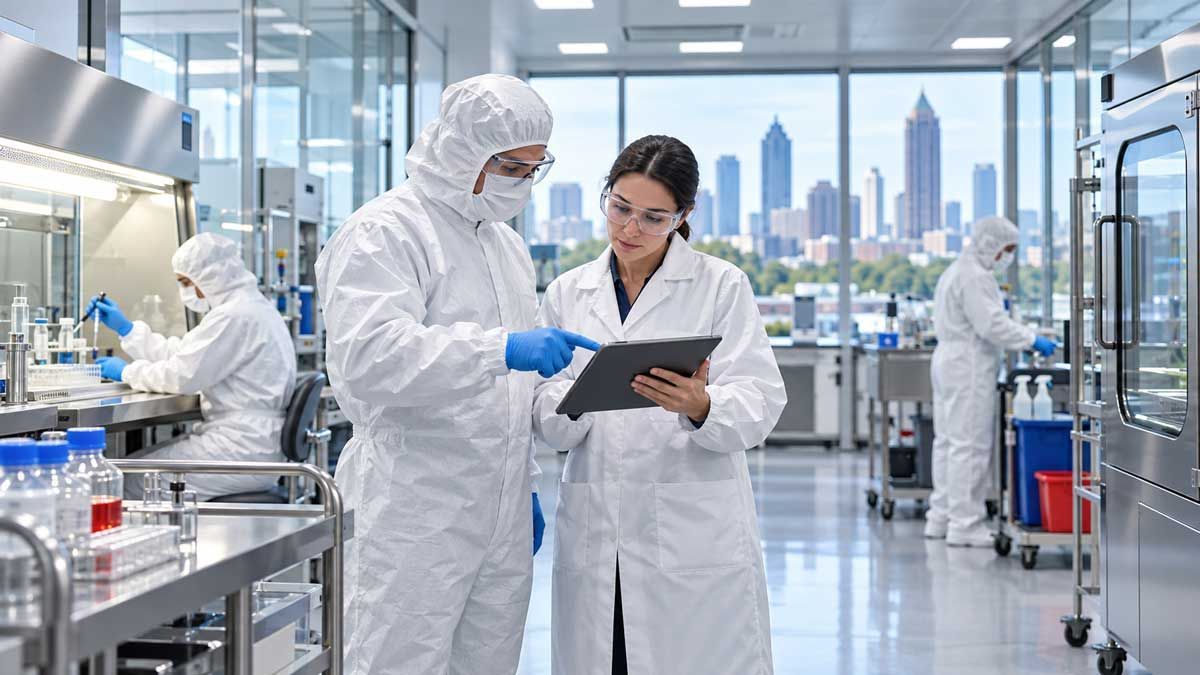
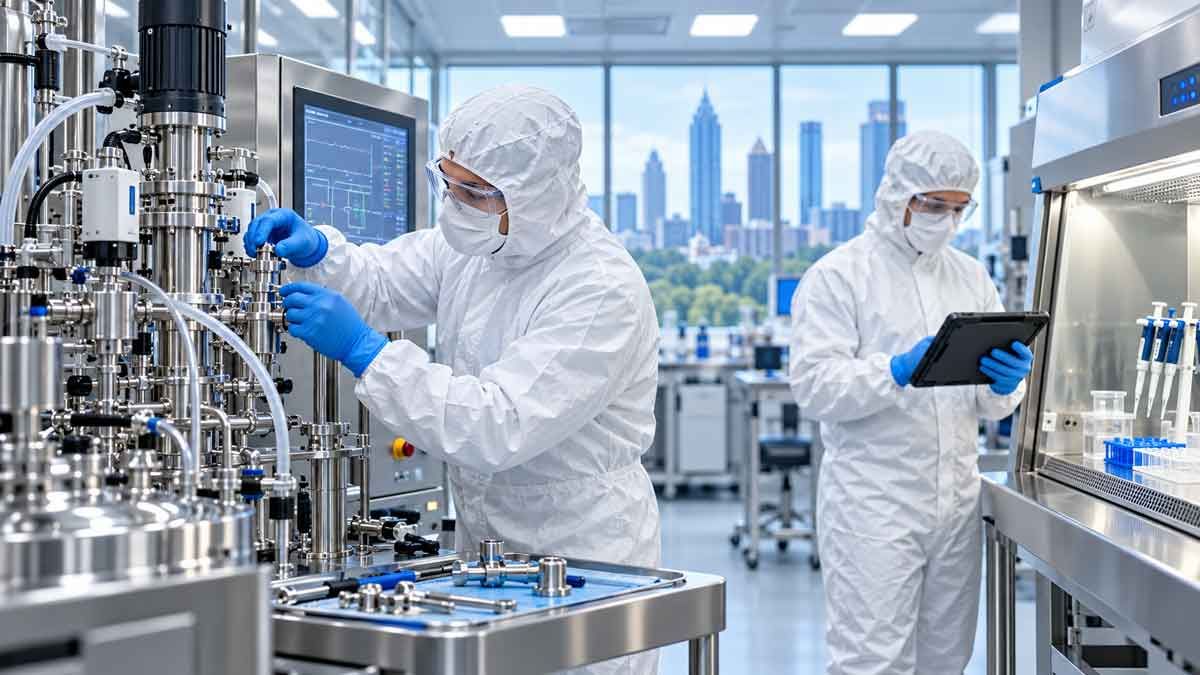
Data centers operate within narrow environmental tolerances. Standard commercial cleaning methods introduce unnecessary risk to airflow systems, sensitive hardware and uptime stability. Specialized cleaning protocols are required to control particulate contamination, reduce electrostatic discharge exposure and protect infrastructure performance across mission critical facilities.
The Difference Between Clean and Controlled
In most commercial environments, cleanliness is visual. In data centers, cleanliness is functional.
Server rooms and enterprise data facilities rely on engineered airflow, calibrated cooling systems and high density hardware configurations. Environmental precision is not aesthetic. It is operational.
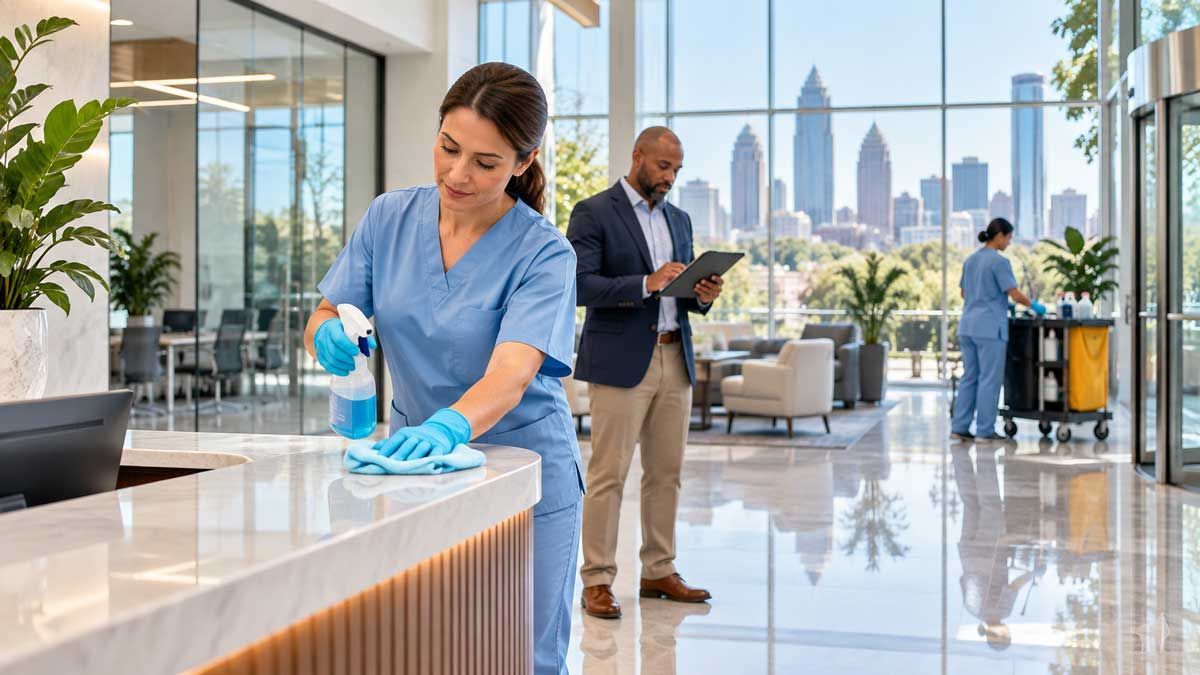
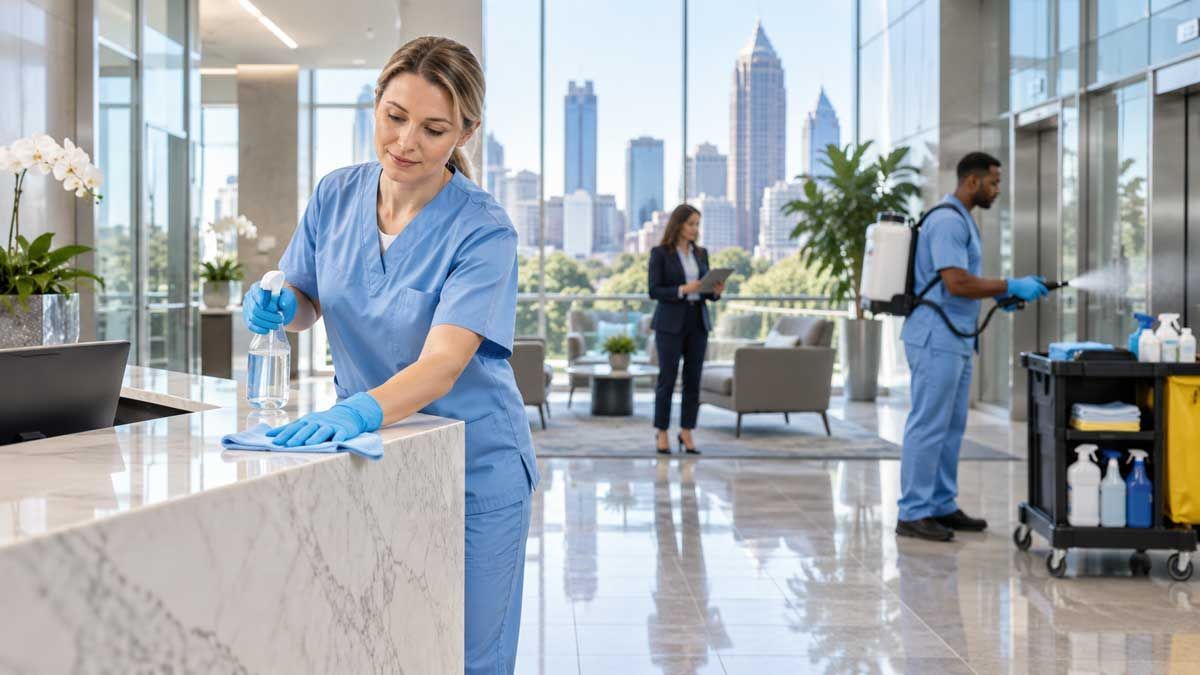
Traditional janitorial methods prioritize surface appearance. Data center protocols prioritize environmental control.
The distinction is critical.
Environmental Variables in High Availability Facilities
Modern data centers are designed around three foundational controls:
- Airflow management
- Thermal regulation
- Electrical stability
Each variable depends on contamination control.
Fine particulate can restrict airflow pathways. Improper cleaning tools can agitate dust into sensitive intake systems. Excess moisture can interfere with circuitry. Conductive debris can introduce electrical instability.
What appears minor in a standard commercial building becomes consequential inside a mission critical environment.
The Limits of Standard Cleaning Methods
General commercial cleaning often includes:
- High moisture mopping
- Unfiltered vacuum agitation
- Aggressive dust displacement
- Uncontrolled access movement
In a data center, these methods increase risk.
Unfiltered vacuums redistribute particulate. Moisture exposure threatens equipment integrity. Inconsistent procedures create variability in environmental conditions.
Data centers require structured methods designed specifically for technical infrastructure.
What Specialized Data Center Cleaning Protocols Include
Specialized protocols focus on control, not speed.
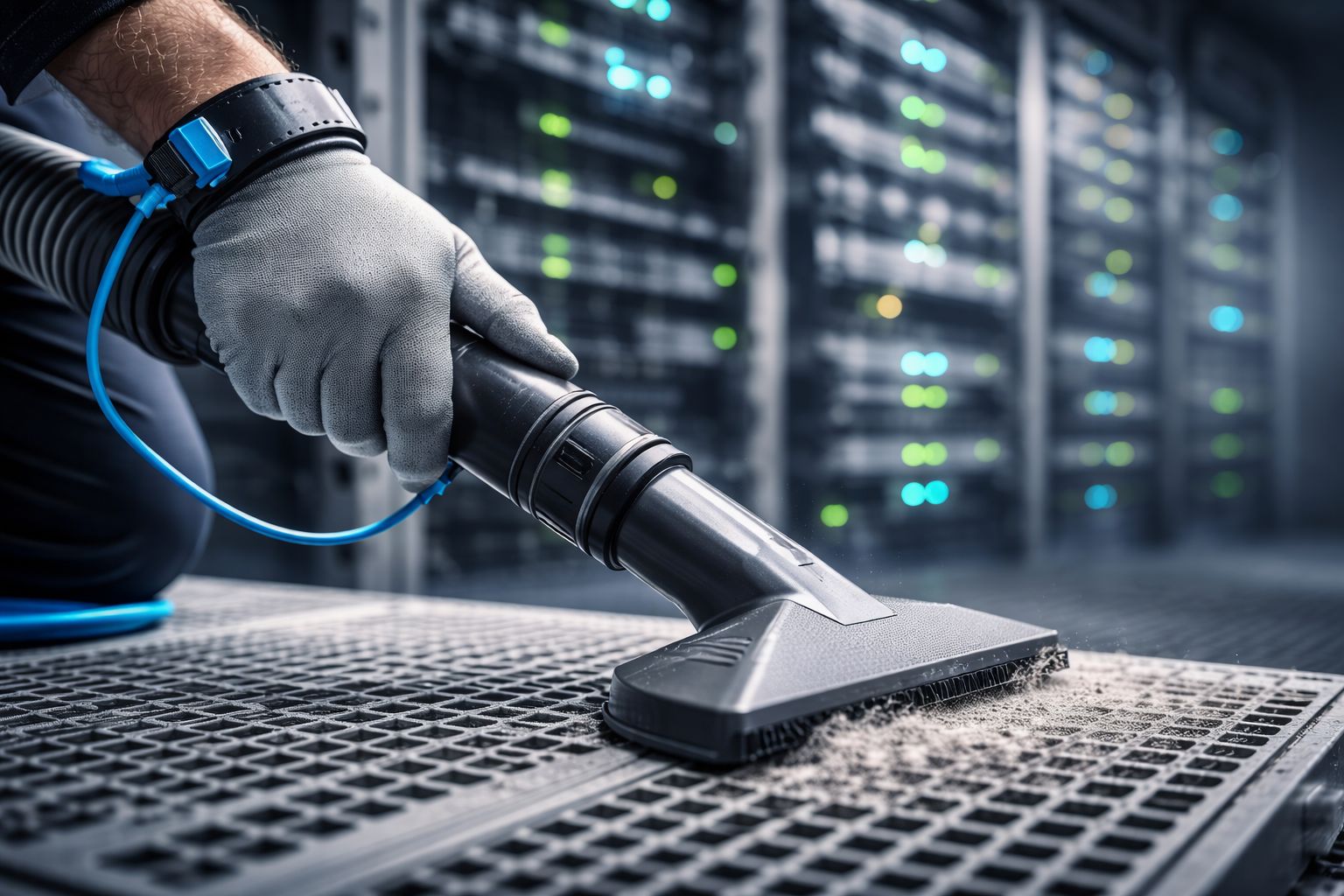
- Controlled particulate removal using equipment safe filtration systems
- Low moisture techniques that protect electrical components
- ESD aware methods that reduce electrostatic discharge exposure
- Structured access planning to minimize operational interference
- Subfloor and cable tray cleaning to protect airflow integrity
Every procedure is executed with awareness of equipment density, airflow direction and thermal sensitivity.
The objective is environmental stability.
Electrostatic Discharge and Equipment Protection
Electrostatic discharge can damage sensitive components even when not immediately visible. In environments with dense electronic systems, static mitigation is not optional.
Specialized cleaning protocols incorporate ESD safe equipment and grounded procedures to reduce electrical risk.
Electrical reliability depends on environmental discipline.
Static exposure presents additional risk in server environments. Explore electrostatic discharge risks in server environments.
Post Construction and Retrofit Risk
Data centers frequently undergo hardware refresh cycles, rack expansions and infrastructure upgrades. Construction activity introduces fine particulate into the environment.
Without structured final technical cleaning, debris settles in subfloor cavities and airflow systems. Once full operational load resumes, contamination redistributes throughout the facility.
Uptime Is a Systems Outcome
Uptime is commonly attributed to redundant power systems and network architecture. Those systems are essential. Environmental control is equally critical.
Stable airflow supports stable temperature. Stable temperature supports hardware longevity. Hardware longevity supports uptime continuity.
Cleaning in a mission critical facility is not maintenance. It is infrastructure support.
The Standard in North Atlanta Technical Environments
North Atlanta continues to expand its commercial and technical infrastructure footprint. Enterprise facilities require service providers who understand the difference between janitorial cleaning and environmental control.
Specialized data center cleaning protocols are designed to align with high availability performance expectations. They protect infrastructure investment and support operational continuity.
In mission critical facilities, control is the standard.
Technical Questions About Data Center Cleaning Protocols
Why can’t regular commercial cleaning be used in a data center?
Standard cleaning methods often introduce excess moisture, redistribute particulate or lack ESD awareness. Data centers require controlled techniques designed for sensitive electronic environments.
What is ESD safe cleaning?
ESD safe cleaning incorporates grounded equipment and static mitigation procedures to reduce the risk of electrostatic discharge affecting sensitive hardware components.
How does improper cleaning impact airflow?
Agitated dust and neglected subfloor cavities can restrict intake pathways and cooling efficiency, increasing thermal load and hardware stress.
Is post construction cleaning different in a data center?
Yes. Post construction environments introduce fine and potentially conductive debris. Structured final technical cleaning is required before returning systems to full operational load.
How often should specialized cleaning be performed?
Frequency depends on facility load, airflow design and nearby construction activity. High availability facilities typically require scheduled environmental maintenance to protect performance stability.
Does specialized cleaning improve uptime?
While uptime depends on multiple systems, environmental control directly supports cooling efficiency, hardware longevity and operational continuity.
Environmental discipline in data centers is not optional. It is structural.
Facilities that apply specialized cleaning protocols reduce risk exposure, protect infrastructure investment and strengthen performance continuity.
Clean is visible. Control is operational.
Mission critical facilities require the latter.
Cleanstar National: Expert B2B Cleaning Solutions for Atlanta's Critical Industries