What to Expect from Professional Medical Cleaning Services
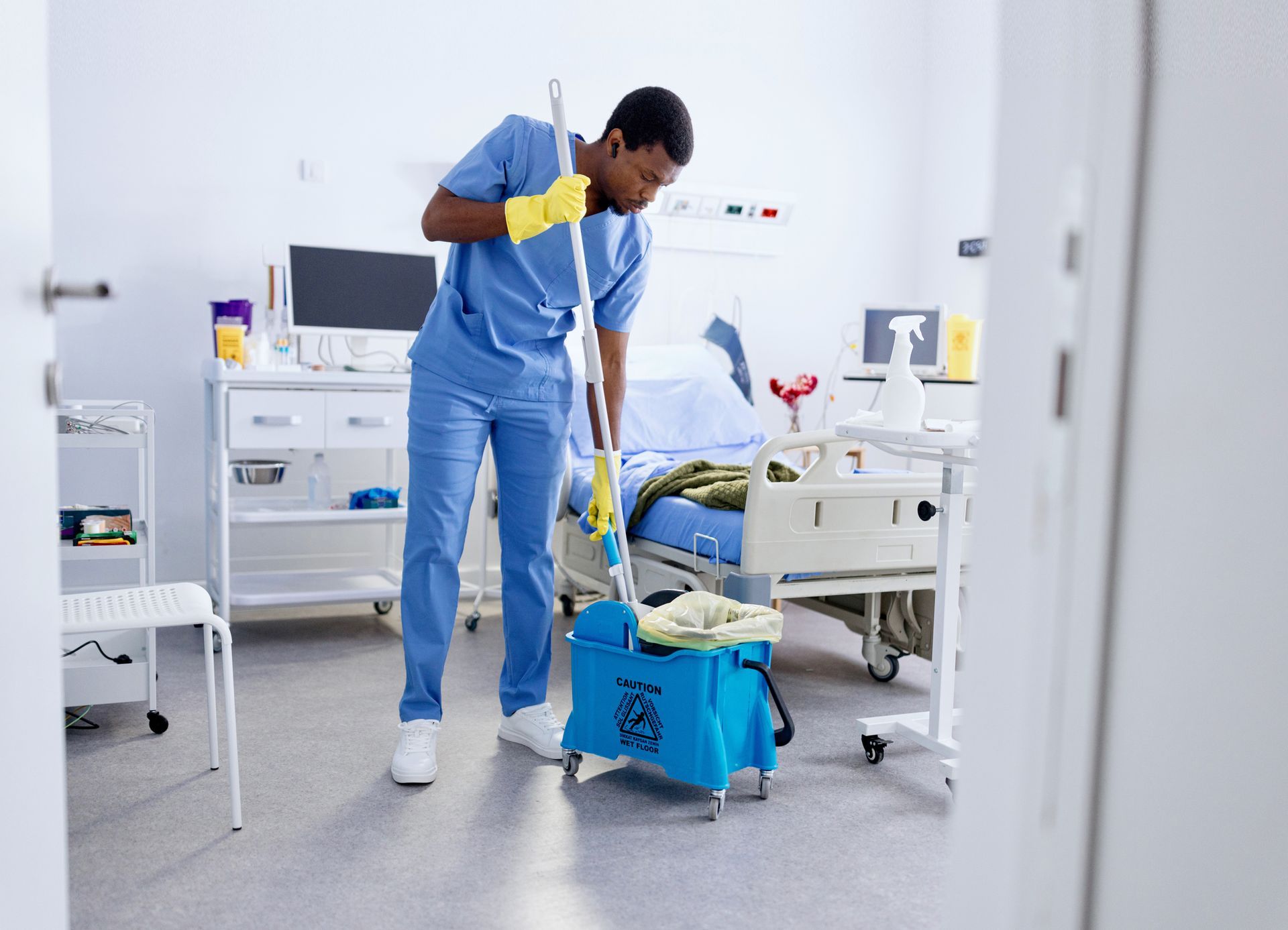
What Healthcare Leaders Should Expect from Professional Medical Cleaning Services
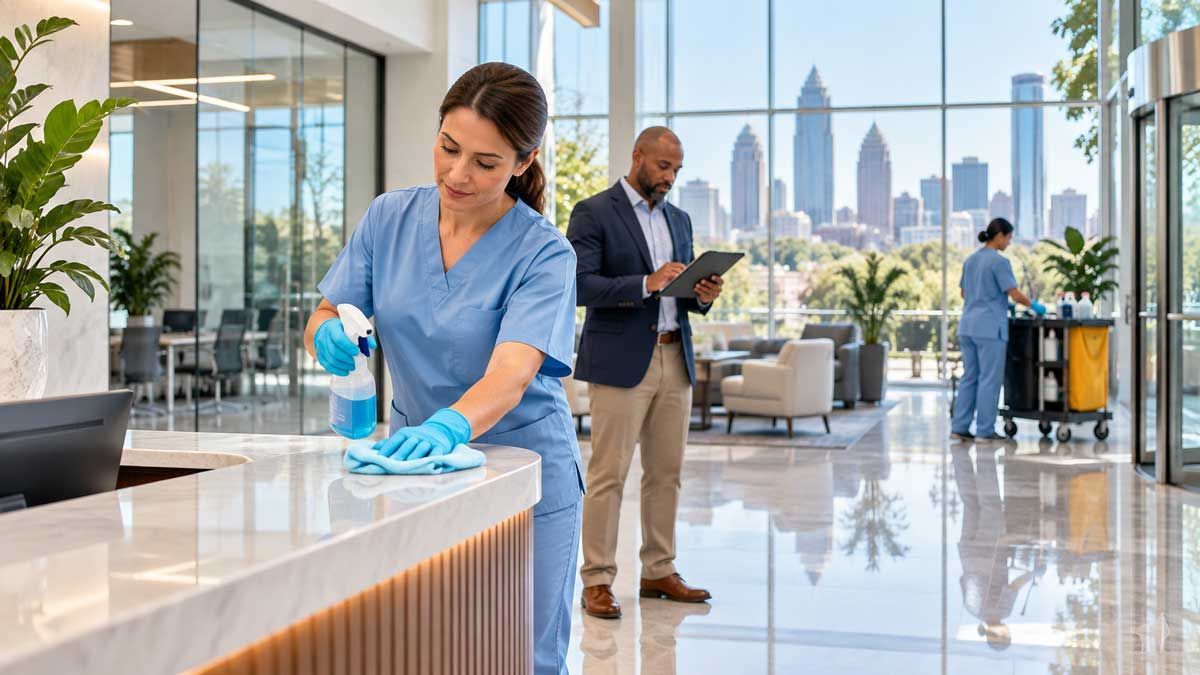
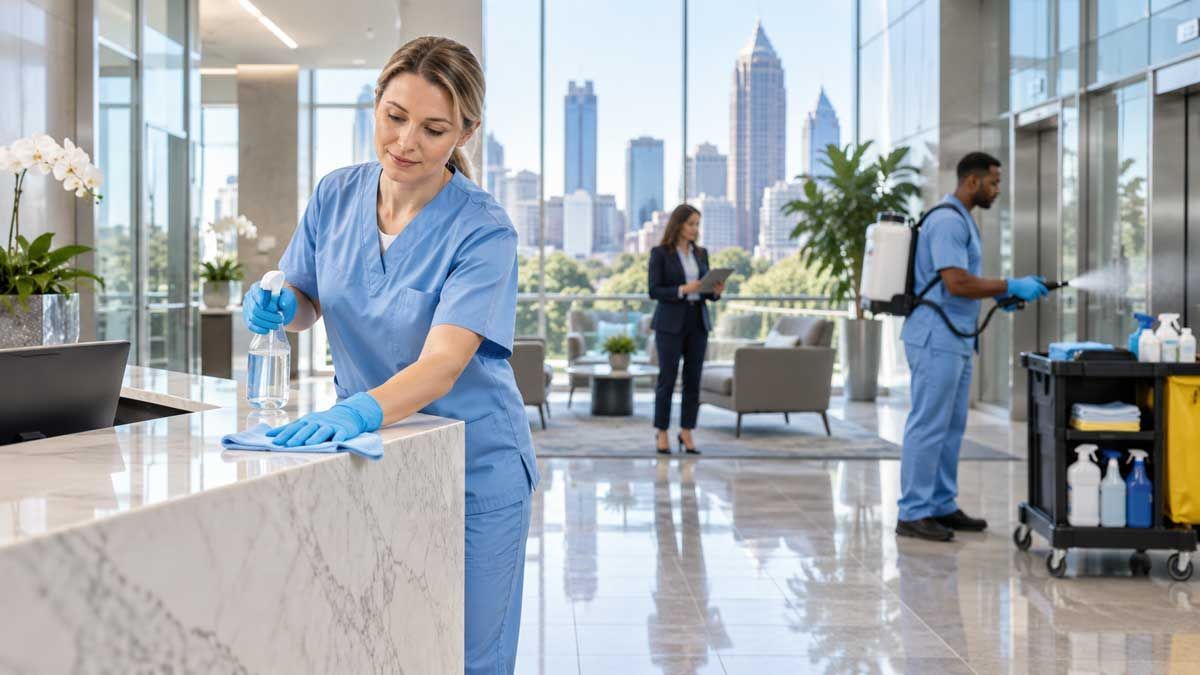
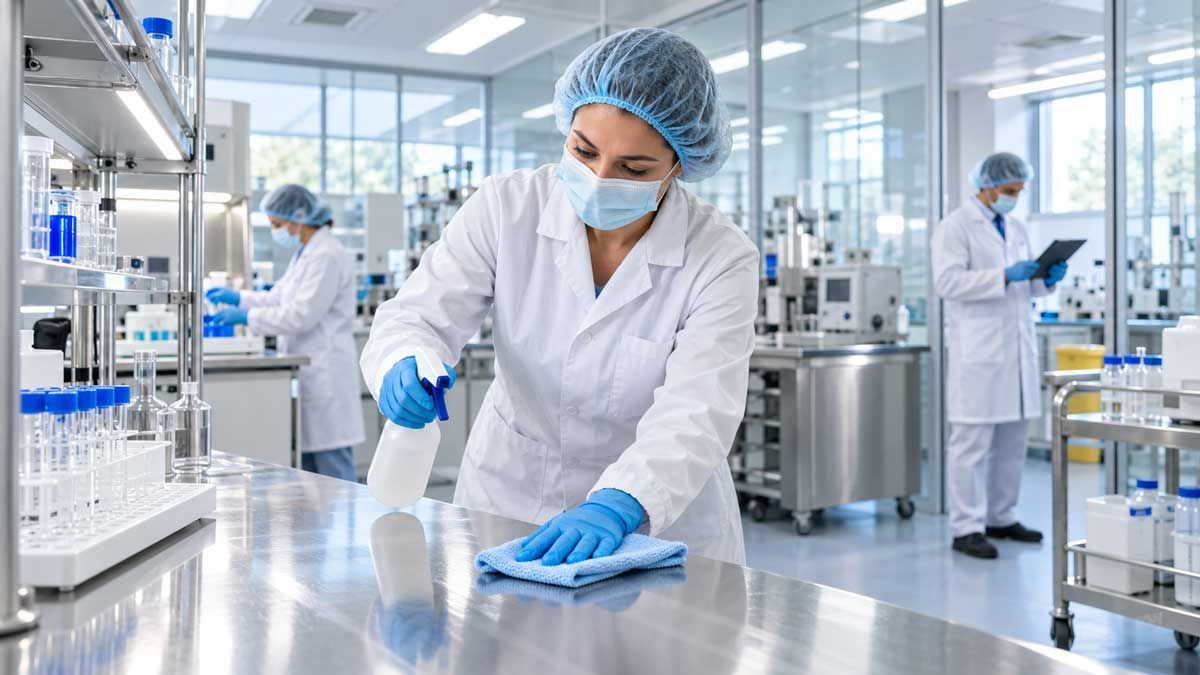
Medical cleaning is different from ordinary commercial cleaning. Healthcare facilities require controlled procedures, trained teams, infection-prevention awareness, high-touch surface discipline, restroom sanitation, patient-facing consistency, and cleaning systems that support safety as well as appearance.
When you partner with Cleanstar National for medical cleaning services in Atlanta, you are not simply hiring a cleaning crew. You are investing in a structured cleaning program designed for healthcare environments where patient trust, staff safety, regulatory expectations, and operational continuity matter every day.
In healthcare environments, clean is not cosmetic. Clean is operational discipline.
Why Medical Cleaning Is Different From Commercial Cleaning
Medical offices, clinics, urgent care centers, dental offices, specialty practices, imaging centers, surgical centers, and multi-tenant healthcare buildings operate with a higher standard of responsibility than typical commercial spaces.
Patients arrive expecting a safe, professional, and hygienic environment. Staff depend on clean surfaces, properly maintained restrooms, organized work areas, and patient-facing spaces that support confidence.
Professional medical cleaning services help address the areas where healthcare facilities face the most pressure: exam rooms, waiting areas, restrooms, reception desks, staff spaces, floors, touchpoints, patient rooms, and shared clinical environments.
The Hidden Risks of Inadequate Medical Cleaning
Inadequate healthcare cleaning can create problems that extend beyond appearance. Missed touchpoints, inconsistent restroom care, poor floor maintenance, dust accumulation, odor issues, and weak cleaning documentation can affect patient perception, staff morale, infection prevention efforts, and facility credibility.
- Higher risk of cross-contamination
- Patient complaints and reduced confidence
- Staff concerns about workplace cleanliness
- Restroom and odor issues
- Dust and allergen buildup
- Poor first impressions in waiting rooms and reception areas
- Inconsistent cleaning across exam rooms and shared spaces
- Operational disruption when issues require emergency correction
What Professional Medical Cleaning Services Should Include
Exam Rooms
Exam rooms require consistent cleaning of surfaces, floors, counters, chairs, handles, fixtures, and patient-facing touchpoints between scheduled service periods.
Waiting Areas
Waiting rooms shape patient perception immediately. Seating, tables, floors, reception counters, doors, and shared surfaces must remain clean and orderly.
Restrooms
Healthcare restrooms require supply replenishment, odor control, fixture cleaning, high-touch disinfection, trash removal, and visual consistency.
Reception Areas
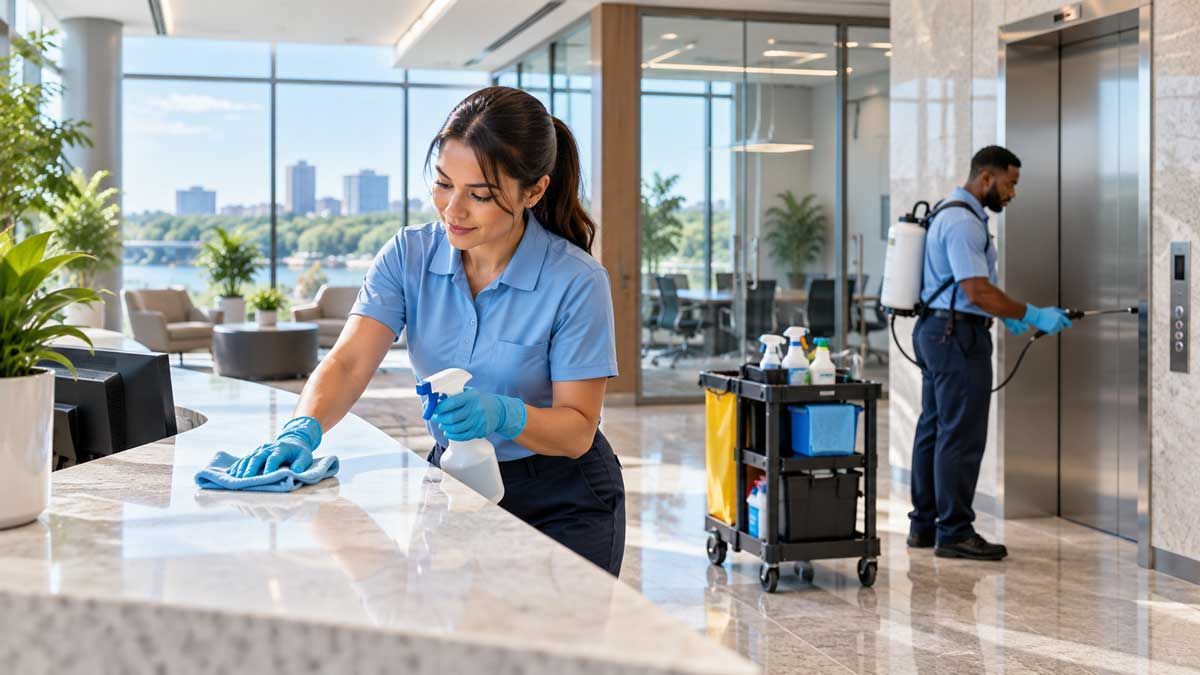
Reception desks, payment counters, check-in stations, doors, and lobby areas need frequent attention because they receive repeated patient interaction.
Staff Areas
Breakrooms, workstations, staff restrooms, administrative offices, and shared back-of-house spaces support productivity and workplace confidence.
High-Touch Surfaces
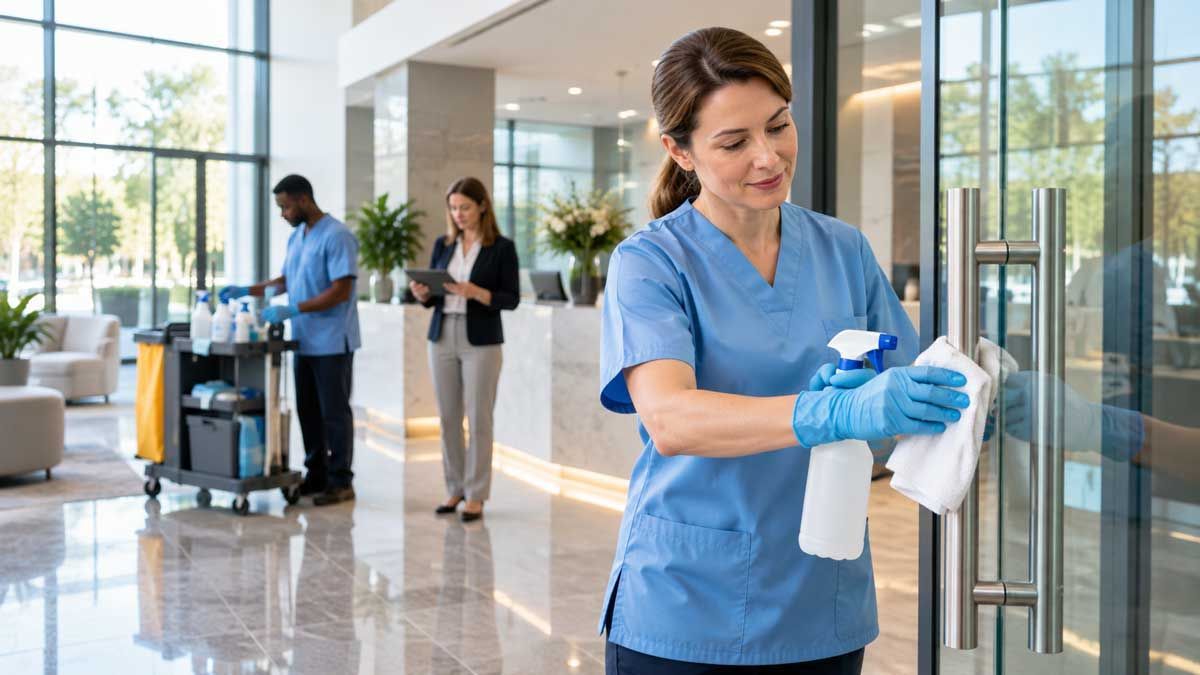
Door handles, chair arms, light switches, counters, elevator buttons, handrails, faucet handles, and shared equipment areas require disciplined cleaning attention.
From Start to Finish: How Cleanstar National Cleans Medical Facilities the Right Way
A professional medical cleaning program should follow a defined process rather than a generic checklist. Cleanstar National approaches healthcare cleaning with structure, consistency, and attention to the details that matter inside medical environments.
- Assessment and Walkthrough: Evaluate the facility layout, patient flow, risk zones, restroom demand, flooring types, and operational schedule.
- Custom Plan Development: Build a cleaning protocol tailored to the facility type, whether it is a pediatric clinic, dental office, specialty practice, urgent care center, or outpatient environment.
- Pre-Cleaning Preparation: Confirm supplies, PPE needs, caution signage, equipment, and appropriate products for the healthcare setting.
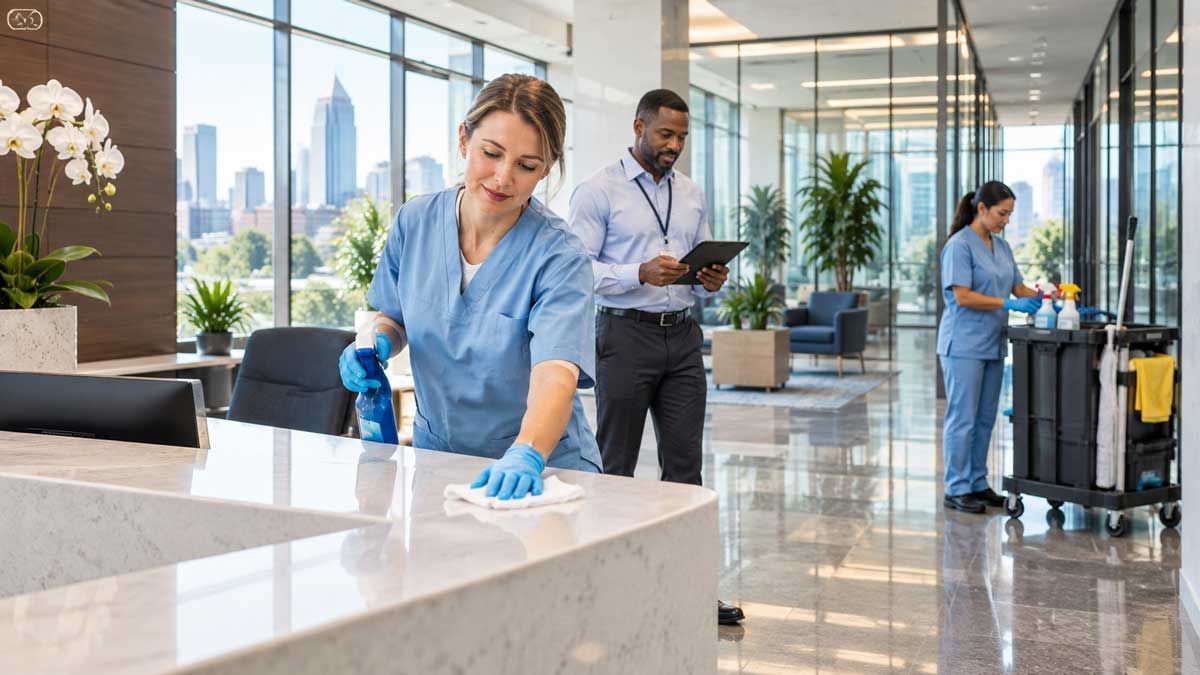
- Surface Cleaning and Disinfection: Clean waiting rooms, exam rooms, reception areas, restrooms, counters, armrests, door handles, and other high-touch zones.
- Restroom Sanitization: Address fixtures, dispensers, floors, trash, odors, high-touch surfaces, and visual order.
- Floor Care: Maintain tile, vinyl, carpet, and other floor types to remove debris, reduce buildup, and support facility appearance.
- Terminal Cleaning When Needed: Provide more intensive cleaning for higher-risk areas or post-exposure zones when the facility requires it.
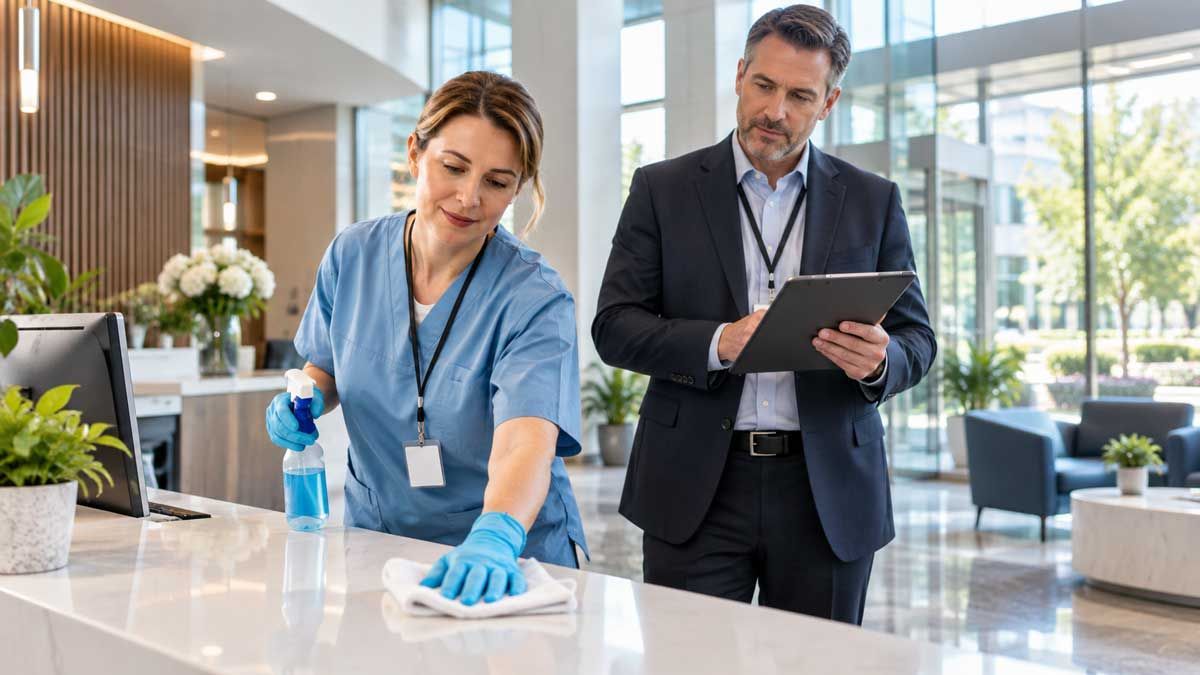
- Final Inspection: Review key areas so nothing is overlooked before the next patient-facing cycle begins.
Healthcare Cleaning Protocols That Matter
The strongest healthcare cleaning programs are built on repeatable systems. Medical cleaning should not depend on guesswork. It should be grounded in clear zones, consistent procedures, proper sequencing, and accountability.
- Touchpoint Mapping: Identify surfaces patients, staff, and visitors touch most frequently.
- Cleaning Sequence: Move through spaces in a consistent order to reduce missed areas.
- Cross-Contamination Awareness: Separate tasks, tools, and zones appropriately.
- Dwell Time Awareness: Use disinfectants according to appropriate contact-time expectations.
- Restroom Protocols: Maintain restrooms as high-priority spaces, not afterthoughts.
- Quality Review: Confirm that patient-facing and staff-facing areas meet facility expectations.
ATP Testing and Cleaning Verification
Healthcare cleaning is increasingly moving from appearance-based assumptions to measurable accountability. ATP testing can help facilities evaluate surface cleanliness and identify whether high-touch areas require additional attention.
Cleanstar National has addressed this topic in detail in its guide to ATP testing for hospital cleaning in Atlanta. For healthcare leaders, verification matters because it supports stronger confidence in cleaning outcomes.
Customized Cleaning for Every Type of Medical Facility
No two healthcare environments operate the same way. A dental office has different cleaning needs than an urgent care center. A specialty clinic has different patient flow than a multi-tenant medical building. Professional medical cleaning should adjust to the facility, not force a one-size-fits-all approach.
Medical Offices
Routine cleaning for reception areas, exam rooms, offices, restrooms, staff areas, and patient-facing surfaces.
Urgent Care Centers
High-turnover facilities need strong restroom cleaning, lobby care, high-touch disinfection, exam room attention, and rapid response systems.
Dental Offices
Dental practices need clean reception areas, operatories, restrooms, floors, counters, touchpoints, and patient-facing environments.
Specialty Clinics
Specialty clinics benefit from customized cleaning schedules that support patient trust and operational flow.
Surgical and Procedure Centers
Procedure-oriented environments require disciplined cleaning, clear protocols, and attention to higher-risk zones.
Multi-Tenant Medical Buildings
Shared lobbies, elevators, restrooms, hallways, suites, and public spaces need consistent cleaning across multiple occupants.
Why Atlanta Healthcare Facilities Choose Cleanstar National
Healthcare facilities need cleaning partners who understand reliability, safety, communication, discretion, and consistency. The right provider does more than complete tasks. It supports the facility’s daily ability to care for patients and protect staff confidence.
Cleanstar National supports medical facilities and commercial properties across Metro Atlanta with cleaning services built around facility needs, patient-facing standards, and operational continuity.
Related Cleanstar National Resources
- Commercial Cleaning Services
- Atlanta Commercial Cleaning
- ATP Testing for Healthcare Cleaning
- Industrial Cleaning Services Atlanta
- Georgia Service Areas
- Request Medical Cleaning Services
Frequently Asked Questions About Medical Cleaning Services
What is medical cleaning?
Medical cleaning is professional cleaning for healthcare environments such as medical offices, clinics, urgent care centers, dental offices, specialty practices, procedure centers, and multi-tenant medical buildings. It focuses on patient-facing cleanliness, restroom sanitation, high-touch disinfection, and facility safety.
How often should healthcare facilities be cleaned?
Most healthcare facilities require daily cleaning, with additional attention to restrooms, exam rooms, waiting areas, reception areas, and high-touch surfaces depending on patient volume and facility type.
What areas carry the highest contamination risk?
High-touch surfaces, restrooms, waiting rooms, reception counters, exam rooms, door handles, handrails, chairs, faucet handles, and shared equipment areas often require the most consistent cleaning attention.
What is ATP testing?
ATP testing is a surface cleanliness verification method that can help healthcare facilities evaluate whether specific surfaces may need additional cleaning attention. It supports a more measurable approach to cleanliness.
How is medical cleaning different from janitorial cleaning?
Standard janitorial cleaning often focuses on routine appearance and maintenance. Medical cleaning requires additional attention to high-touch surfaces, patient-facing spaces, restroom sanitation, disinfection procedures, cross-contamination awareness, and healthcare-specific expectations.
Need Professional Medical Cleaning Services in Atlanta?
Cleanstar National helps medical offices, clinics, urgent care centers, dental offices, specialty practices, and healthcare facilities maintain cleaner, safer, more reliable environments for patients, staff, and visitors.
Request Medical Cleaning ServicesCleanstar National: Expert B2B Cleaning Solutions for Atlanta's Critical Industries