The Ultimate Guide to Mastering Professional Server Room Cleaning
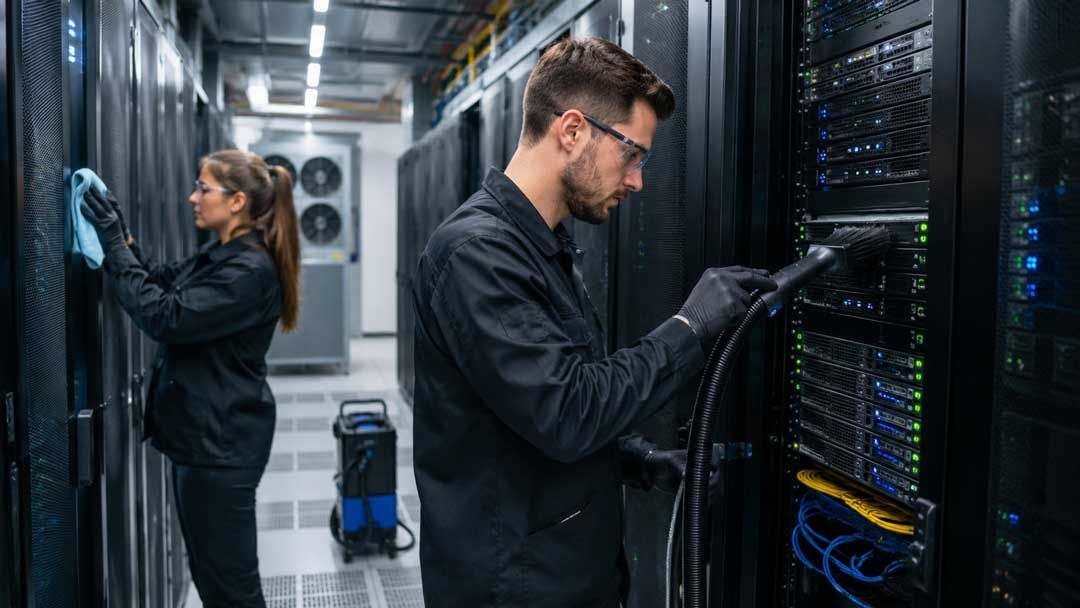
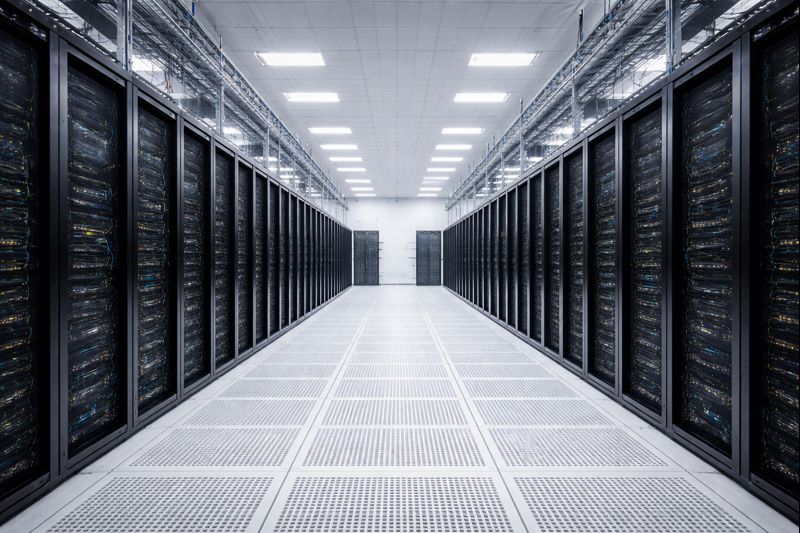
Dust buildup, static shock risk, and airborne grit can threaten the uptime of any data center or key facility. This means cleaning your server room takes far more than basic janitorial work Atlanta firms might use in main office areas.
Our field has seen a 24% jump in downtime events tied to bad cleaning work across North American sites since 2023. As a result, you need data center cleaning that goes past the surface by targeting gear zones that need clear steps and checks.
Studies show the right air rules cut dust inside cabinets, which keeps your hardware spend safe while backing your needs like ISO 14644-1 and EPA guides. Getting top work from your server spaces calls for a firm plan, with tools made to guard your mission-critical systems on site all day.
When you set up regular pro cleaning, you get steady uptime in these rooms as your first line of defense against grit and other threats.
Implement Regular Cleaning Schedules
Implementing a regular cleaning schedule is one of the best ways to protect your server room. The right schedule tackles dust control, which industry studies show is the main cause of hardware failures in key spaces.
Dust can sit on server racks and raise heat inside by up to 15%, raising the risk of surprise downtime. The threat is easy to stop with a plan that sets daily, weekly, and quarterly routines, so you keep the gear and the areas that surround it clear at all times.
Your daily routine focuses on cleaning entryways and walkways, blocking tracked-in dust from ever reaching sensitive units. It's this steady work that keeps systems running well and helps hardware last.
In addition, a quarterly deep clean hits server racks and all bare surfaces, helping you fight off buildup that can strain fans and vents. We see many clients move to weekly surface dusting near access points simply because high foot traffic makes a real difference.
So, is your schedule keeping dust in check every week and every quarter for
critical environment cleaning for data centers?
Utilize Specialized Cleaning Equipment
The heart of pro server room cleaning isn't just in how often you clean but how you clean. Using special cleaning gear is key to keeping harmful dirt from shortening the life of sensitive hardware and causing costly downtime.
- HEPA-filter vacuums should be used in every cleaning session, since these machines trap at least 99.97% of dust and airborne particles as required in data center best practices. The right vacuums help you stop contaminants from cycling back into the space.
- Only low-lint, non-shedding mops and particle-absorbent cloths will protect your server rooms from leaving behind fibers or bringing in static. With no stray residue, you cut the risk of clogging vents and messing with cooling.
- Use only electrostatic discharge (ESD) dissipative cleaning chemicals on racks, floors, and hardware surfaces, because standard cleaners can harm electronics or leave behind conductive residue. This is vital for compliance and long-term hardware safety.
- Non-ammoniated cleaning agents are preferred by facility experts because ammonia can corrode sensitive metal contacts or give off fumes that can harm internal equipment. Picking the right products is as important as using skilled hands for the task.
Maintain Optimal Air Quality
Air quality plays a direct role in how well your critical server room ops run. The risk of costly downtime and health issues goes up if you let airborne dirt build up.
- Control temperature and humidity: Your server rooms must stay within recommended temperature and humidity ranges to protect both gear and your staff.
- Monitor air circulation: Good ventilation and planned airflow patterns help ensure dirt doesn't stay trapped and overheat your hardware.
- Upgrade filtration systems: High-efficiency HEPA and molecular filters can remove up to 99.97% of particles, dust, and harsh chemicals in the air.
- Install real-time air quality sensors: Sensors placed at air intakes, returns, and within your server racks can quickly detect and report changes in air quality or pollutant levels.
- Maintain positive room pressure: Higher air pressure inside your server room helps keep unfiltered outdoor air and pollutants from seeping into sensitive spaces.
Professional
server room cleaning takes steady focus and special skill. Each routine must account for the sensitive hardware and strict rules. Clear steps, therefore, cut dust and static risks in data centers.
We use approved cleaning steps to cut risk, not just surface-level results. When you partner with Cleanstar National Inc you keep steady uptime for key work across six states. For example, our data center cleaning team uses ISO 14644 and ESD-safe methods proven to help you support Fortune 1000 sites.
Janitorial services Atlanta clients trust are backed by 30+ years of hands-on skill and a self-performing team. In addition, full cleaning helps you lock in strong results before and after post-construction cleaning Atlanta jobs as well.
Facility leaders gain peace of mind by picking a partner built for 24/7 support, wide coverage, and clear records. Through ongoing training, remote watch, and strict safety rules, we help protect your brand and your org name all year.
Ultimately, Cleanstar National Inc stands ready to deliver critical site cleaning, helping you meet your rules and risk goals with proven results every time.
Cleanstar National: Expert B2B Cleaning Solutions for Atlanta's Critical Industries