The Invisible Threat How Biofilms and Airborne Contaminants Sabotage Mission Critical Operations
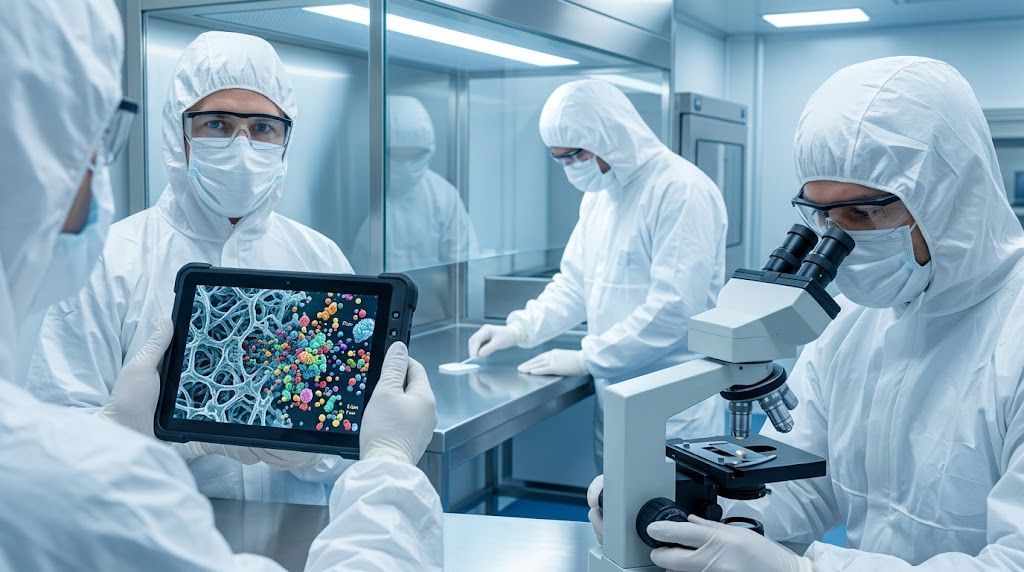
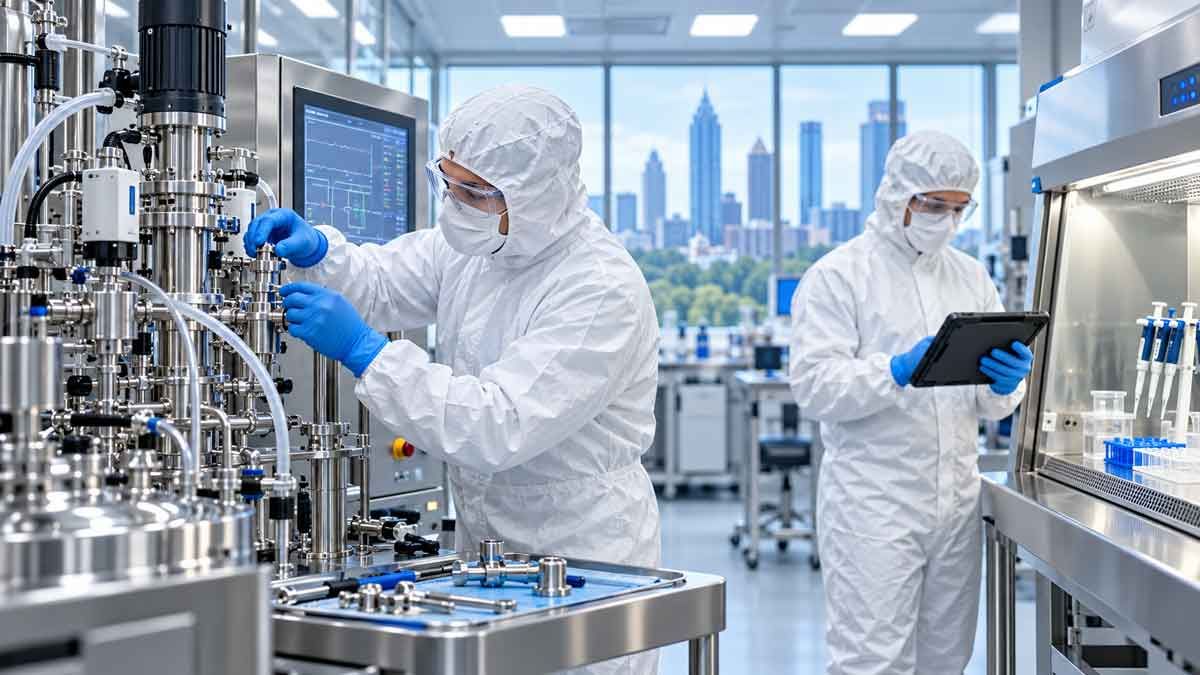
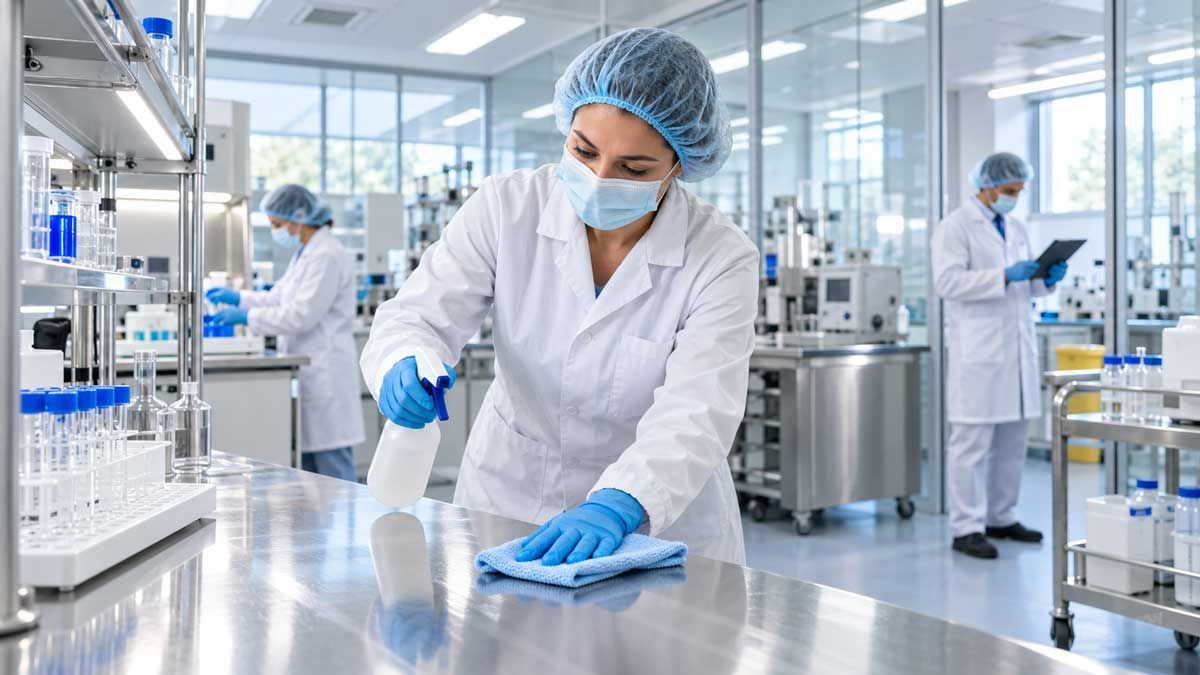
A missed spot of dust in a standard corporate office is just an annoyance. In a mission critical facility like an Atlanta biotech lab or a sterile surgical suite, what you cannot see becomes your biggest liability.
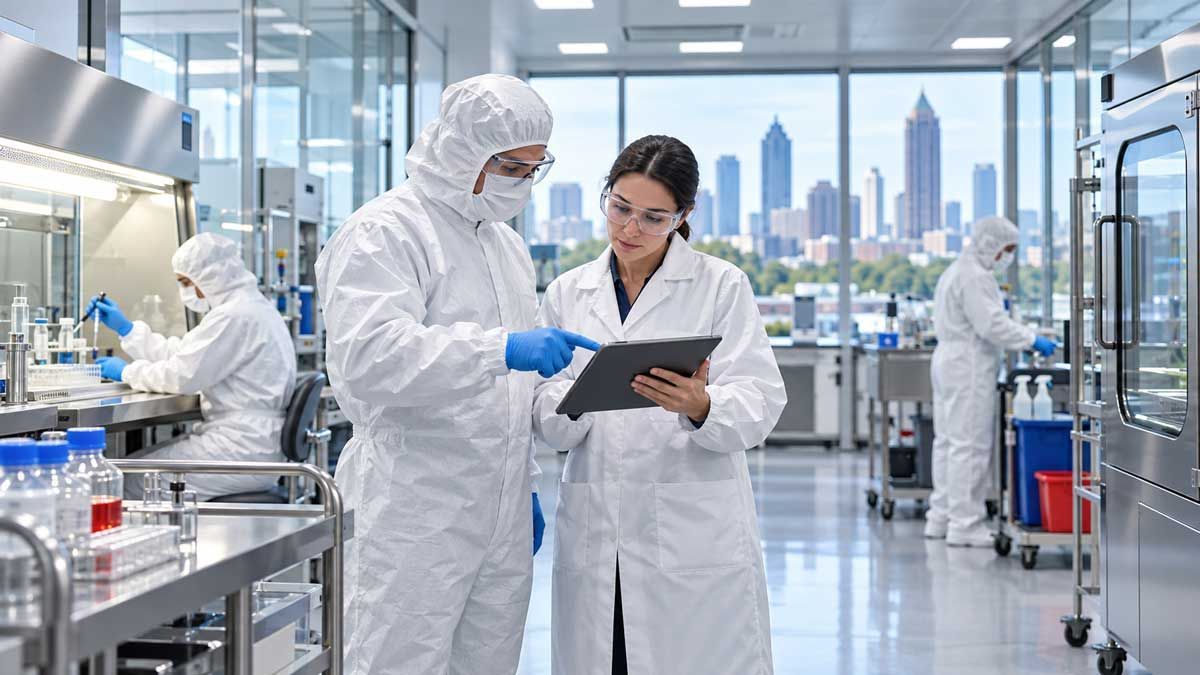
Facility managers often assume a space is compliant simply because it looks clean. But in highly regulated environments, the real threats operate on a microscopic level. Standard janitorial crews lack the training and chemicals required to eradicate the two most insidious facility threats chemical biofilms and airborne particulate contaminants.
The Biofilm Barrier Why Standard Disinfectants Fail
A biofilm is a complex community of microorganisms that attach to surfaces and secrete a protective slimy matrix. They thrive where moisture exists, making biotech labs and healthcare facilities highly susceptible.
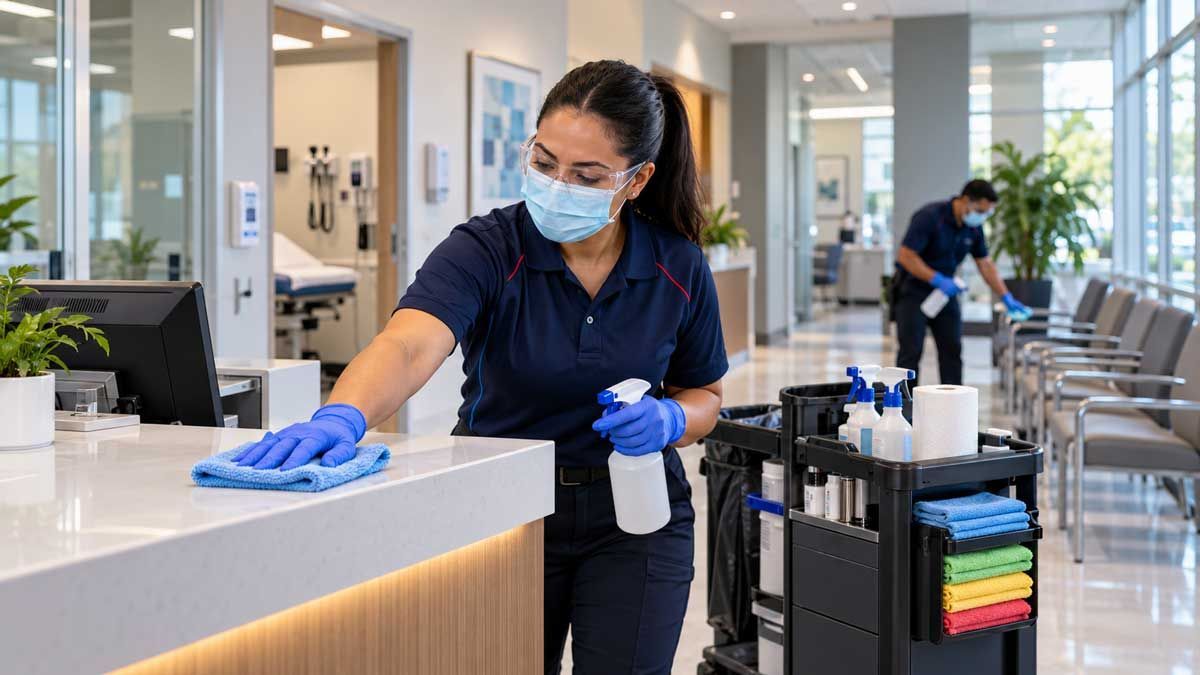
The danger lies in their defense mechanism. Standard commercial cleaning products and even some hospital grade disinfectants cannot penetrate this protective layer. When an untrained cleaning crew simply sprays and wipes a surface, they often just move the biofilm around. This leaves the underlying bacteria intact to multiply and cause severe cross contamination.
Eradicating biofilms requires precise aseptic protocols. It demands the correct application of registered broad spectrum disinfectants combined with strict mechanical action and dwell times. Specialized testing like adenosine triphosphate swabbing is required to verify that the surface is truly sanitized at a microscopic level.
Airborne Contaminants The Silent Saboteurs of Uptime
While biofilms cling to surfaces, airborne contaminants pose an entirely different threat for data centers and classified cleanrooms. You might assume your filtration systems handle the air quality. However, filters only capture particulates pulled into the return system. Heavier micro dust, skin cells and metallic particles settle onto surfaces, server racks and delicate machinery.
When untrained cleaners use improper dusting techniques or standard vacuums, they agitate these settled particles. This throws them back into the air where they bypass filtration systems and get sucked into sensitive hardware. In a data center, this leads to thermal failure, short circuits and catastrophic operational downtime.
Controlling airborne particulates requires specialized dry cleaning protocols. This includes the use of certified filtered vacuums, anti static microfibers and meticulous top to bottom wiping methodologies that capture dust without agitating it into the airflow to maintain strict ISO classification standards.
The Cost of Inaction in Metro Atlanta
The consequences of ignoring these microscopic threats go far beyond a messy room. For mission critical facilities across Metro Atlanta, the fallout includes failed regulatory audits. Slipping below industry standards can result in immediate operational shutdowns. A single contaminated batch in a biotech facility can cost hundreds of thousands of dollars in wasted research and materials. Data center outages caused by thermal failure lead to massive data loss and financial penalties.
Standard janitorial crews do not have the specialized knowledge to combat biofilms and micro particulates. Protecting your facility requires an elite workforce trained in precise aseptic methodologies, universal protective equipment usage and strict regulatory compliance.
Do Not Leave Your Compliance to Chance
Are you confident in your current sanitation protocols? Do not wait for a failed audit or an operational shutdown to find out.
Schedule a Critical Environment Risk Audit today. Let Cleanstar National evaluate your Metro Atlanta facility, identify hidden vulnerabilities and ensure you remain fully operational and prepared for your next inspection.
Cleanstar National: Expert B2B Cleaning Solutions for Atlanta's Critical Industries