Wet Cleaning vs Dry Cleaning Choosing the Right Protocol to Prevent Surface Residue in Biotech Labs
In a biotech lab or classified cleanroom, standard commercial sanitation methods are a liability. Facility managers cannot rely on ordinary crews equipped with generic supplies. Maintaining operational integrity requires a strict understanding of the distinction between wet cleaning and dry cleaning protocols.
Using the wrong method or applying them in the incorrect order introduces surface residue, cross contamination and sudden particulate spikes. Here is how specialized critical environment technicians utilize both protocols to keep Metro Atlanta facilities compliant and audit ready.
The Purpose of Dry Cleaning Particulate Removal
Dry cleaning is the mandatory first step in aseptic sanitation. This process strictly focuses on capturing and removing both macroscopic and microscopic debris without introducing any moisture into the environment.
If a technician introduces liquids to a surface before removing the settled micro dust, the dust mixes with the liquid. This creates a microscopic sludge that adheres aggressively to stainless steel and specialized flooring. This sludge not only ruins the surface integrity but provides a protected breeding ground for the biofilms and airborne contaminants that sabotage operations.
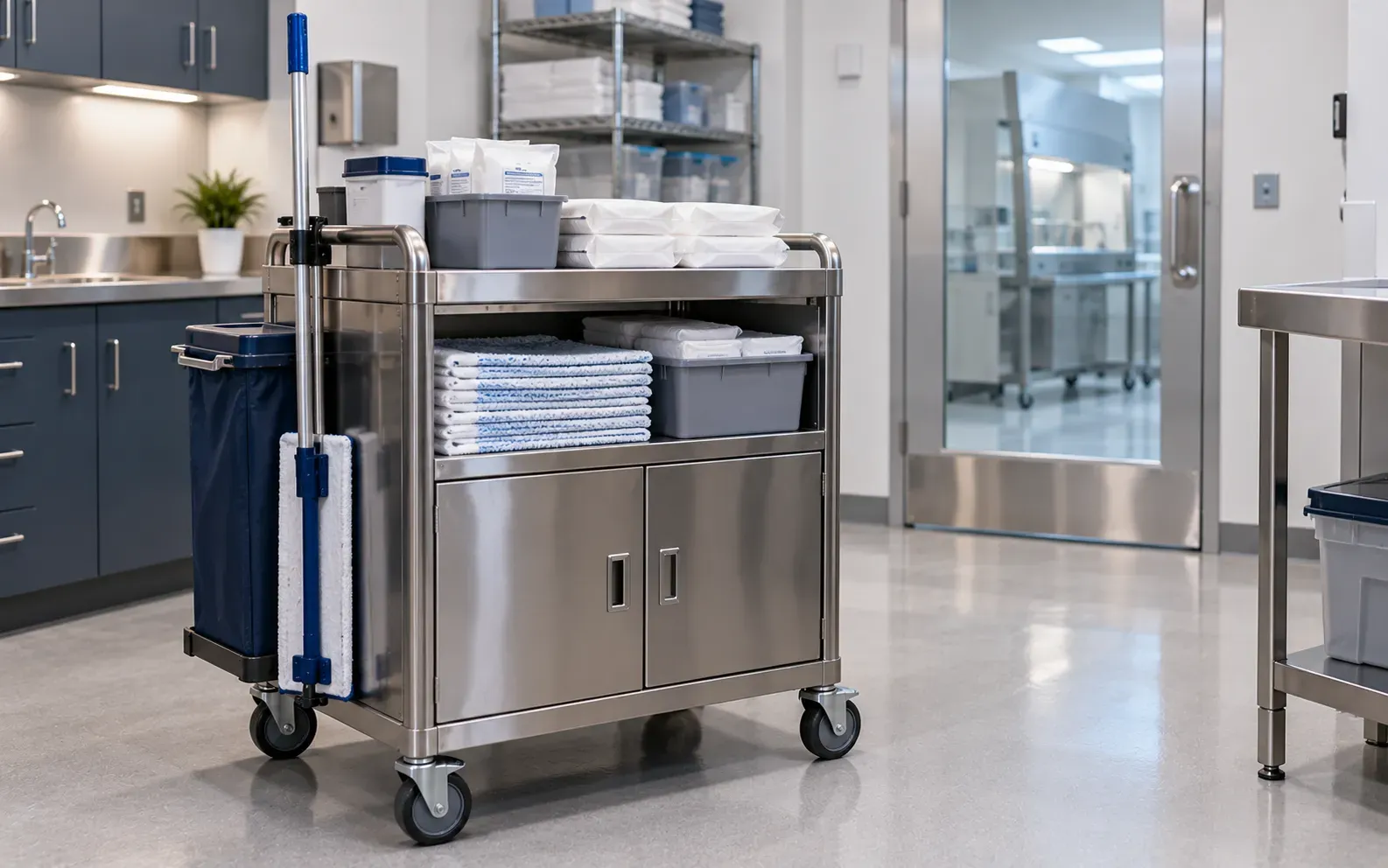
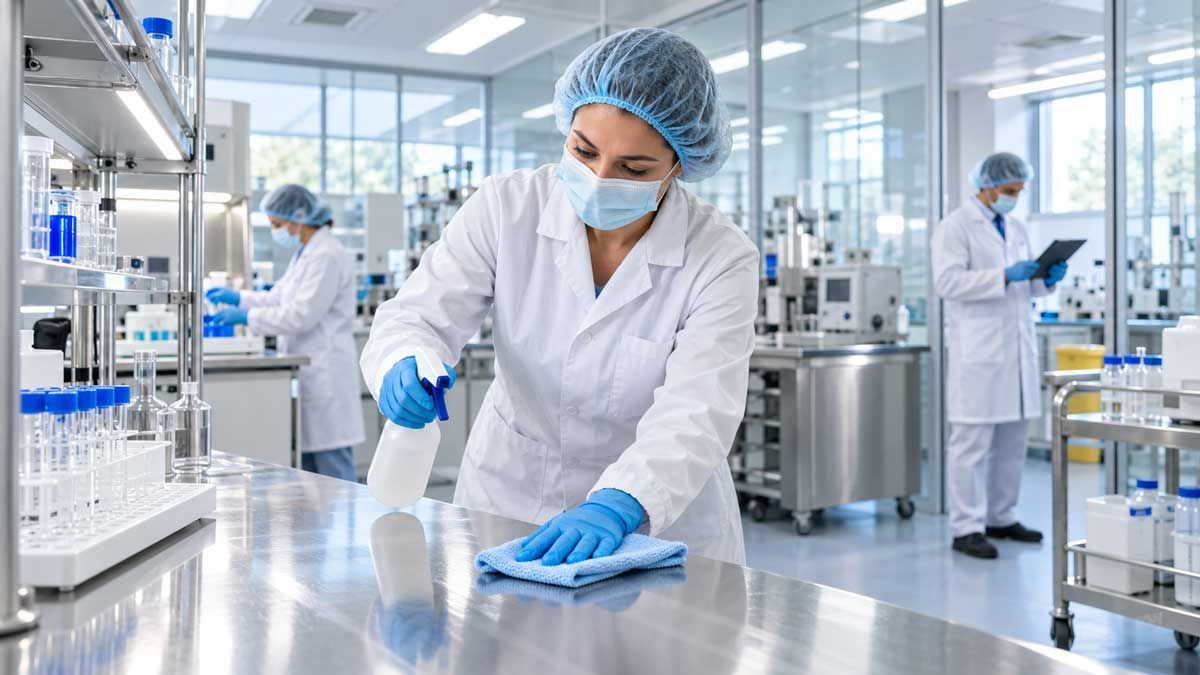
Proper dry cleaning in a classified cleanroom requires precision equipment. Technicians must use certified filtered vacuums and anti static microfibers. They must also employ meticulous unidirectional wiping techniques to pull contaminants away from critical zones without agitating them back into the filtered airflow.
The Purpose of Wet Cleaning Bioburden Reduction
Once dry protocols effectively remove physical particles, technicians initiate wet cleaning to target biological and chemical threats. This phase involves the precise application of hospital grade disinfectants and sporicides to eliminate bacteria, viruses and fungi.
However, wet cleaning carries a severe inherent risk. If executed incorrectly, the process leaves behind surface residue.
The Danger of Chemical Surface Residue
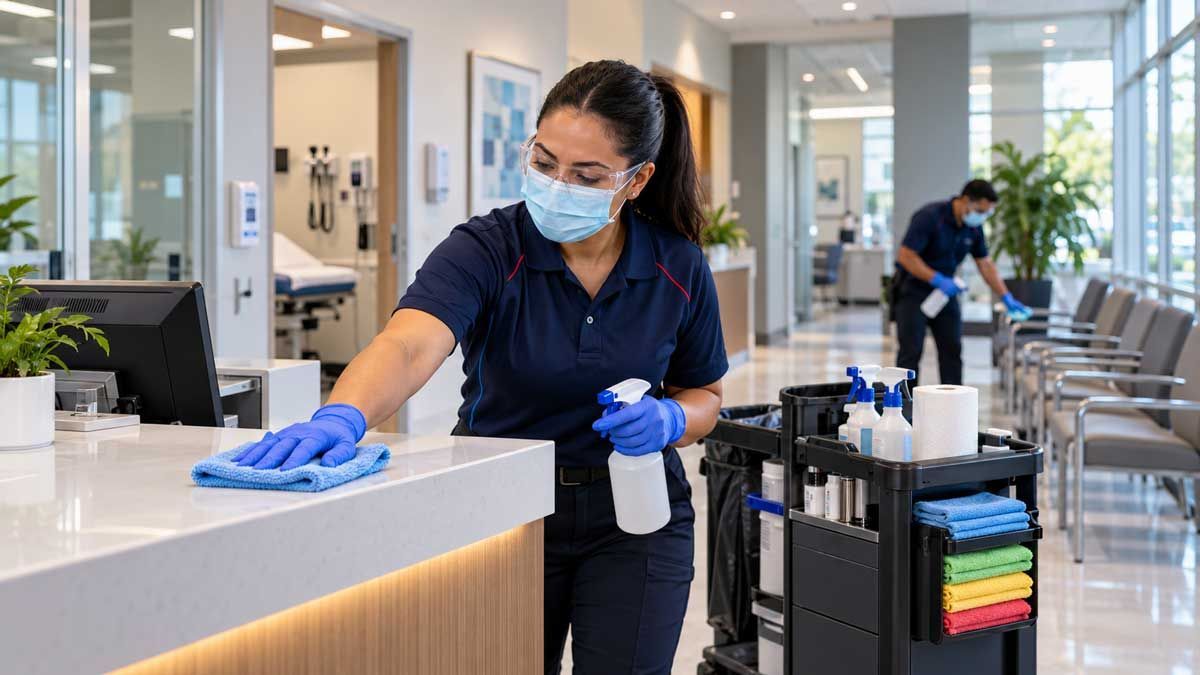
When standard janitorial crews apply heavy chemicals, they often let the liquid air dry or fail to wipe the surface properly. This leaves a sticky, chemical film across the workspace. In a mission critical facility, surface residue is disastrous for three reasons.
First, the sticky film acts like a magnet, immediately trapping new dust and contaminants from the air. Second, chemical buildup can neutralize the active ingredients of future disinfectants applied during subsequent cleanings, rendering them useless. Finally, visible or chemical residue guarantees a failed inspection during rigorous FDA regulatory audits.
Preventing surface residue requires extreme discipline. Technicians must use exact chemical dilution ratios and enforce strict dwell times. Crucially, wet cleaning must often conclude with a final residue removal pass, typically utilizing sterile water or a high grade isopropyl alcohol blend to leave the surface perfectly pure.
Aligning Protocols with Industry Standards
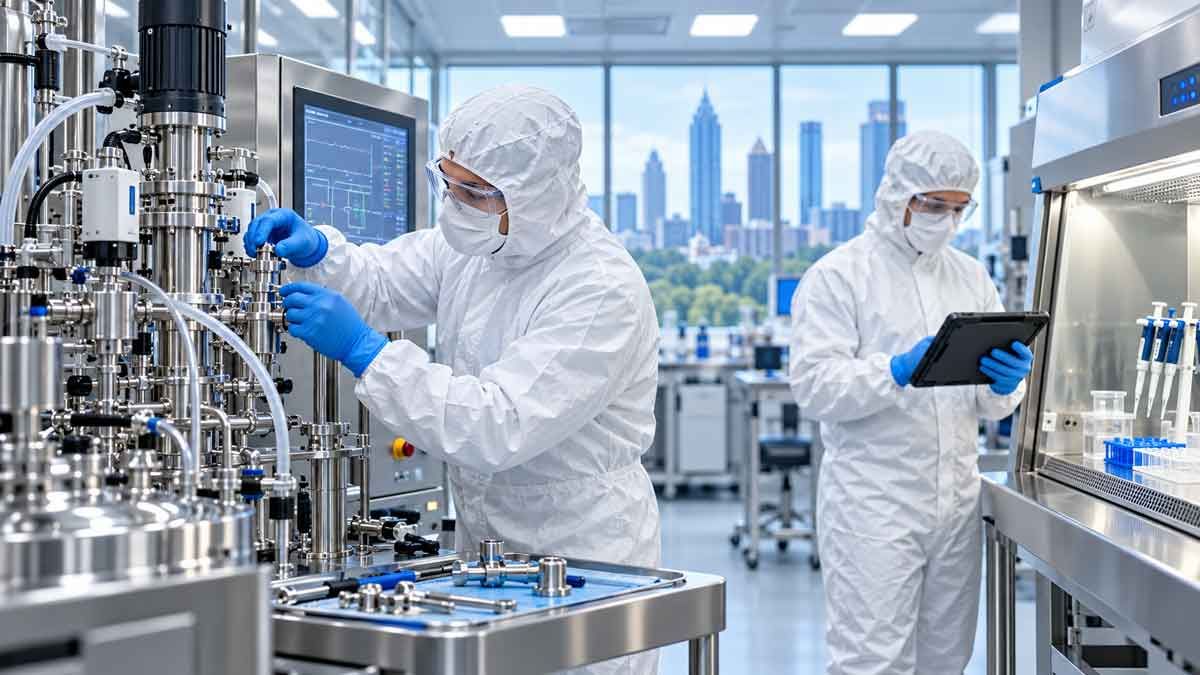
Biotech facilities and pharmaceutical compounding centers in Metro Atlanta must adhere to strict guidelines to remain operational. Mixing wet and dry protocols or relying on standard mop and bucket techniques guarantees compliance failure.
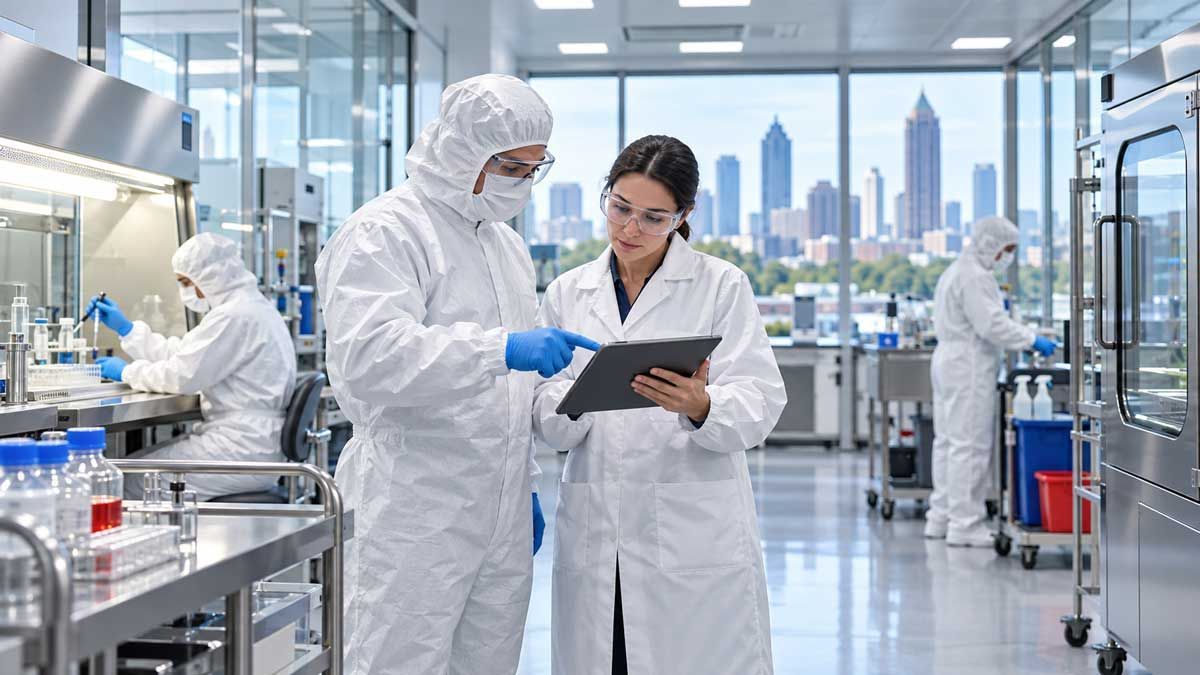
You need a specialized workforce trained in precision risk mitigation, universal protective equipment usage and exact sequence sanitation.
Are you confident that your current cleaning provider understands the technical difference between bioburden reduction and particulate removal? Do not wait for a failed inspection to evaluate your protocols.
Schedule a Critical Environment Risk Audit today. Our certified experts will evaluate your facility, identify hidden procedural vulnerabilities and ensure your workspace remains perfectly compliant.
Cleanstar National: Expert B2B Cleaning Solutions for Atlanta's Critical Industries