

How Micro-Dust Causes Sensor Failures in Warehouses | Cleanstar
Micro-dust contamination causes sensor failures in automated fulfillment centers by settling on optical lenses, LiDAR, and laser guidance systems, physically obstructing the signal pathways required for AGVs (Automated Guided Vehicles) and conveyor scanners to operate. To prevent misrouting, equipment overheating, and costly mechanical downtime, facility managers must replace standard commercial sweeping with precision industrial HEPA-filtered micro-dust extraction.
In the modern supply chain, dirt is no longer just an aesthetic issue—it is a critical mechanical liability. As Atlanta continues to expand as a premier global logistics hub, facilities are relying heavily on automation, robotics, and high-speed sortation systems to meet fulfillment quotas.
However, these sophisticated systems are highly sensitive to their environment. According to logistics industry data, unexpected mechanical downtime in an automated warehouse can cost operations thousands of dollars per minute in lost productivity, delayed shipments, and emergency repair fees. The most common, yet entirely preventable, culprit behind these sudden halts? Micro-dust contamination.
How Particulate Matter Disrupts AGVs and Optical Sensors
Automated equipment relies on a continuous feedback loop of light and spatial data to function safely and efficiently. When standard commercial cleaning methods (like dry sweeping or conventional vacuuming) are used, they often agitate microscopic particulate matter—cardboard dust, pallet splinters, and tire debris—sending it airborne.
Once airborne, static electricity draws this micro-dust directly onto your robotics.
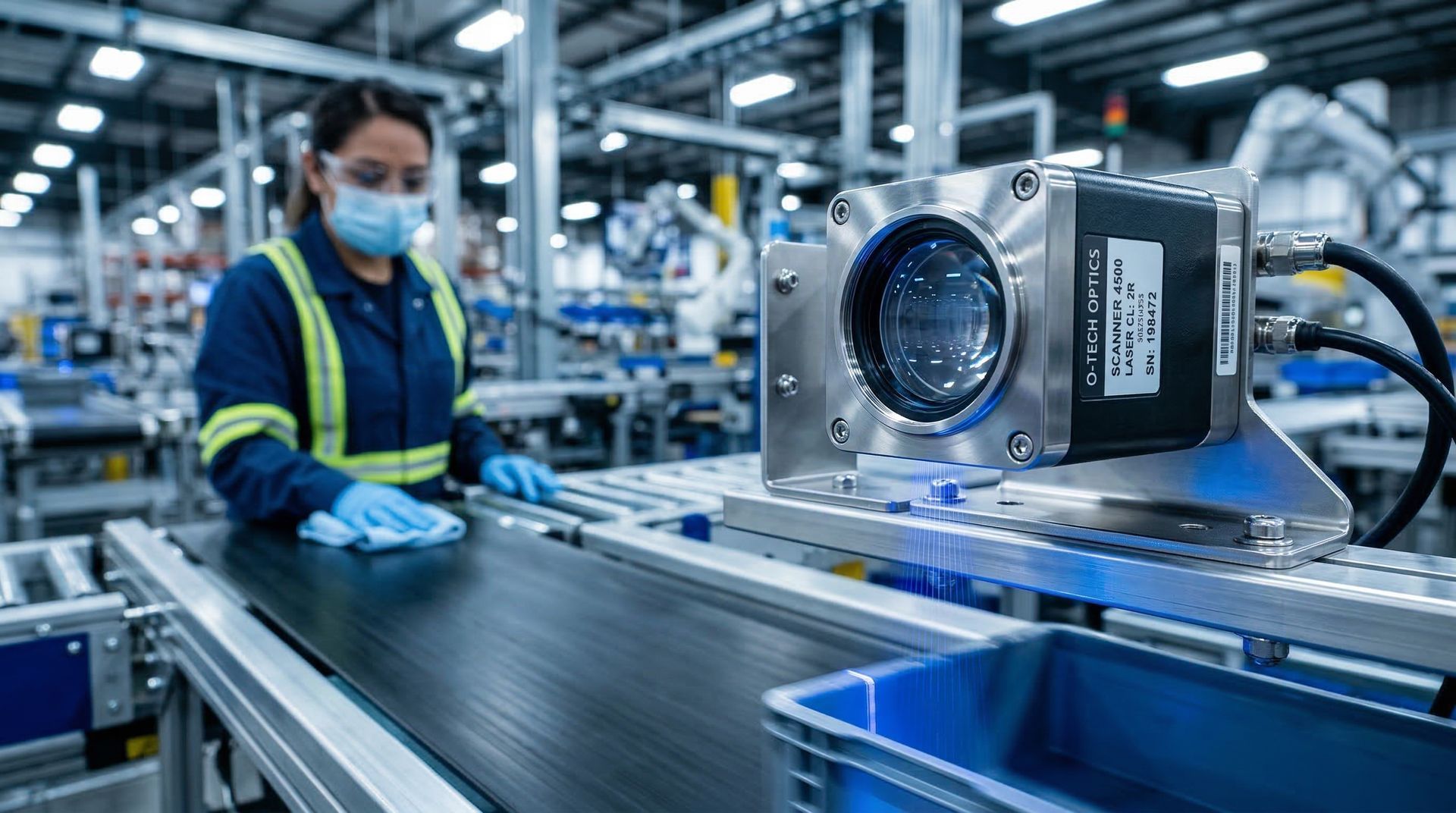
- Optical Sensor Blindness: Photoelectric sensors and barcode scanners require clear line-of-sight. Even a millimeter of fine cardboard dust can refract the laser, leading to missed scans, phantom jams, and misrouted packages.
- AGV Navigation Failure: Automated Guided Vehicles rely on floor-level LiDAR and optical track sensors to navigate safely. Dust accumulation causes "false obstacle" detection, forcing the AGV to brake suddenly or shut down, creating bottlenecks on the warehouse floor.
- Motor Insulation & Overheating: Micro-dust acts as a thermal insulator. When it gets sucked into the cooling vents of conveyor motors and robotic joints, it traps heat, leading to premature component failure and fire hazards.
Troubleshooting Guide: Symptoms of Dust-Related Equipment Failure
If your facility is experiencing any of the following, your current janitorial protocol is likely failing to manage micro-dust:
- Frequent "Phantom Jams" on conveyor lines where no physical blockage exists.
- Increased AGV stoppage rates or erratic navigation in high-traffic sorting areas.
- Barcode misreads requiring manual scanning overrides.
- Unusual overheating in localized conveyor drive motors.
- A visible film of fine particulate on elevated racking and light fixtures.
Standard Janitorial Services vs. Precision Micro-Dust Extraction
The traditional "mop and bucket" approach is insufficient—and often detrimental—to a robotic logistics center. Pushing a broom down an aisle merely relocates dust from the floor into the air, where it settles directly onto your most expensive technology.
At Cleanstar National, we implement a Zero-Downtime Methodology. Instead of recirculating debris, our specialized teams utilize industrial-grade, multi-stage HEPA filtration vacuums to capture particulates at the source. Furthermore, we apply anti-static floor care and low-VOC solvents along AGV tracks to ensure static charges don't magnetize dust to your machines.
Protecting Atlanta’s Supply Chain Infrastructure
Atlanta’s unique climate and massive volume of freight moving through the I-285 perimeter and routes from the Savannah port introduce high levels of environmental debris into local warehouses. Managing this requires a commercial cleaning partner who understands the technical demands of automated facilities.
By investing in preventative, data-driven facility maintenance, procurement directors can extend the lifespan of their robotics, pass strict OSHA safety audits, and maintain peak operational efficiency year-round.
What is micro-dust in a warehouse environment?
Micro-dust is microscopic particulate matter primarily generated by deteriorating cardboard boxes, wooden pallets, forklift tire wear, and concrete efflorescence. Due to its size, it easily goes airborne and settles inside sensitive electronic equipment.
Can regular commercial cleaning damage automated warehouse sensors?
Yes. Standard sweeping and non-HEPA vacuuming agitate settled dust, making it airborne. It can then settle on optical sensors and LiDAR lenses, causing false readings, navigation errors, and mechanical downtime.
How do you safely clean optical sensors and AGV tracks?
Safe cleaning requires targeted micro-dust extraction using multi-stage HEPA vacuums, followed by electrostatic dissipation cleaning techniques and low-VOC solvents that do not leave a film or residue on tracks and lenses.
Keep Your Supply Chain Moving. Stop losing revenue to preventable mechanical downtime. Partner with the experts in specialized logistics sanitation. Learn more about our automated facility micro-dust extraction and cleaning services in Atlanta and request a custom facility walkthrough today.
Cleanstar National: Expert B2B Cleaning Solutions for Atlanta's Critical Industries