The Ultimate Guide: Biotech Facility Cleaning
Precision cleaning in biotech facilities protects both product purity and business reputation. Unseen threats such as dust, microbes, or chemical residue can interrupt research, halt production, or damage sensitive laboratory equipment. Even a small contamination event may trigger regulatory review, operational downtime, or costly remediation work for your facility.
Biotechnology environments demand careful control of every surface, airflow path, and work area. Facilities must meet strict standards such as ISO 14644 while maintaining documentation that satisfies regulators, partners, and internal quality teams. In a growing life sciences market like Atlanta, laboratories and production facilities rely on disciplined cleaning programs to maintain uptime across cleanrooms and controlled environments, research laboratories, data centers, and advanced manufacturing environments.
Working with trained professionals helps ensure each space meets regulatory expectations from agencies such as the FDA and EPA. When cleaning programs are executed consistently, facilities reduce contamination exposure, protect research integrity, and maintain trust with partners and regulators. This level of operational control begins with understanding why cleanrooms form the foundation of safe biotech operations.
Importance of Cleanrooms in Biotech Facilities
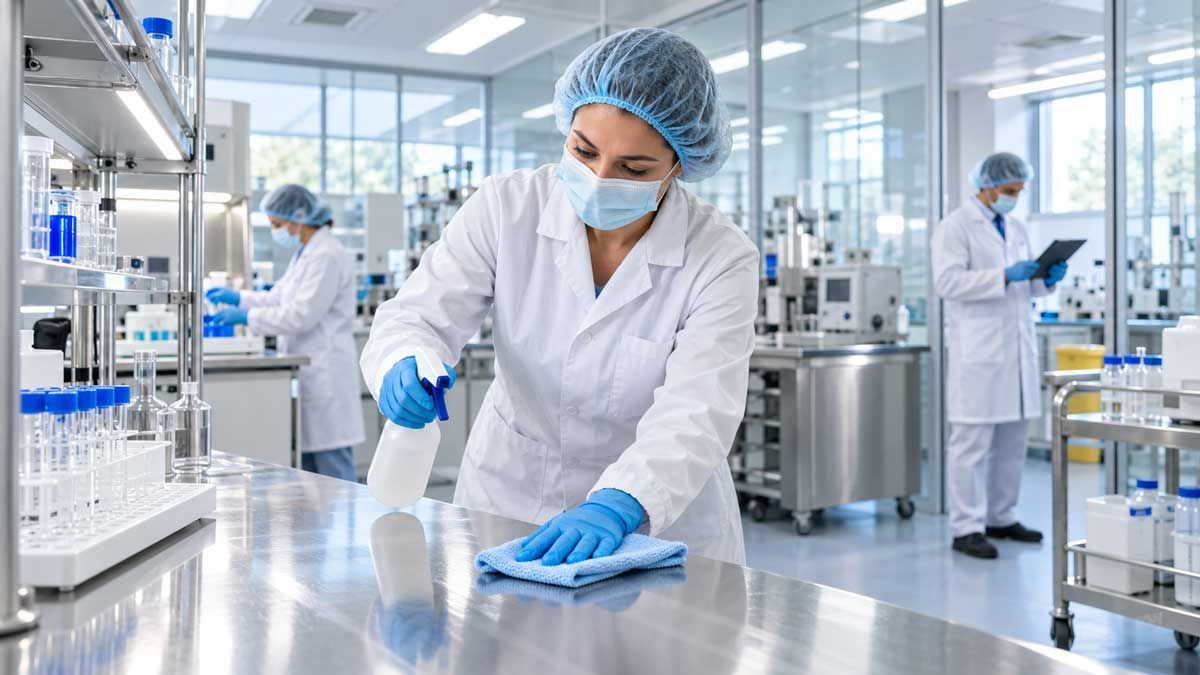
Cleanrooms serve as the operational backbone of biotechnology facilities. These environments protect sensitive processes from airborne particles, microbial contamination, and environmental instability. In biotechnology operations, maintaining strict environmental control helps ensure research accuracy, product integrity, and regulatory compliance.
Contamination Control: Contamination prevention is the primary purpose of a cleanroom environment. High-efficiency filtration systems remove microscopic particles that could disrupt research or production. Modern HEPA filtration systems capture extremely small particles, helping maintain stable laboratory conditions.
Protection of Biological Materials: Cleanrooms provide controlled environments for handling sensitive biological materials such as cultured cells, DNA samples, or pathogens used in research. Proper air handling and sanitation protocols help prevent accidental exposure or contamination events.
Consistency of Experimental Results: Controlled temperature, humidity, and airflow conditions allow scientists to maintain stable environments for cell cultures and biological testing. Even small environmental changes may influence results, making biotech facility cleaning in Atlanta a critical operational safeguard.
Maintaining these cleanroom conditions requires strict procedures and disciplined sanitation protocols across every part of the facility.
Regulatory Standards for Biotech Cleaning
Biotechnology facilities operate under strict regulatory oversight. Cleaning programs must align with industry standards that govern contamination control, documentation, and sanitation validation.
Documentation and Compliance: Cleaning procedures must align with Good Manufacturing Practice requirements, ISO 14644 standards, and regulatory guidance from agencies such as the FDA. Facilities must maintain detailed records documenting sanitation procedures, chemical usage, and environmental monitoring activities.
Cleaning Process Validation: Validation ensures that cleaning procedures produce consistent and measurable results. Facilities may verify sanitation effectiveness through environmental testing, microbial monitoring, or other verification protocols designed to demonstrate process reliability.
Equipment and Material Compatibility: Cleaning agents and procedures must be compatible with facility materials and equipment. Surfaces used in biotechnology facilities often require specialized materials designed to withstand sterilization cycles and chemical exposure.
Following these regulatory expectations helps biotechnology facilities maintain compliance while protecting the integrity of research and production environments. Teams evaluating exposure from weak documentation or poor protocol execution can also review biotech compliance risks in 2026.
Best Practices for Cleanroom Maintenance
Maintaining a cleanroom environment requires consistent maintenance procedures that prevent particle accumulation and microbial contamination. Routine maintenance practices help facilities sustain regulatory compliance and operational reliability.
Consistent Scheduled Cleaning: Facilities must implement regular cleaning schedules aligned with the cleanroom classification level. Defined daily, weekly, and monthly sanitation procedures help maintain environmental stability across all controlled areas.
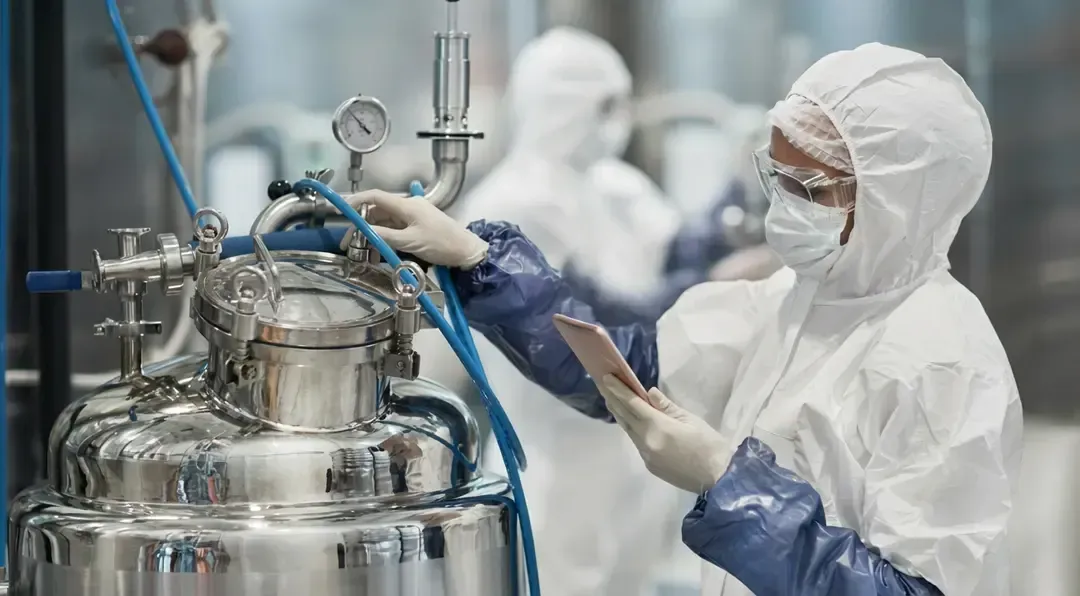
Proper Equipment and Attire Use: Only cleanroom-approved equipment and cleaning materials should enter controlled environments. Personnel must wear approved protective attire, including gowns, gloves, and masks, to prevent contamination from entering sensitive zones.
Thorough Surface and Equipment Checks: Cleaning procedures must include detailed inspection of walls, work surfaces, equipment, and airflow systems. These inspections help ensure no residue or particulate buildup remains after sanitation procedures are completed.
When these practices are applied consistently, facilities significantly reduce contamination risks. In regulated environments, this kind of mission-critical cleaning discipline supports both uptime and audit readiness.
Selecting Qualified Cleaning Service Providers
Choosing the right cleaning partner is an important decision for biotech operations. Facilities must work with providers that understand regulatory expectations and critical environmental sanitation procedures.
Credentials and Certifications: Qualified providers should maintain training aligned with industry standards, including ISO protocols, OSHA safety requirements, and regulatory sanitation practices.
Workforce Expertise: Experienced teams understand how to operate within controlled environments without disrupting sensitive equipment or laboratory processes.
Self-Performing Teams: Providers that rely on trained in-house personnel help maintain consistency, accountability, and operational reliability across complex sanitation programs.
Defined Inspection Processes: Reliable cleaning providers implement structured inspection procedures and documentation protocols that support compliance verification.
Working with a qualified partner ensures sanitation programs are executed with the precision required for biotechnology facilities. For environments with adjacent healthcare or clinical operations, medical cleaning services in Atlanta may also support regulated sanitation needs.
Challenges in Biotech Facility Cleaning
Maintaining strict cleanliness standards in biotechnology environments presents unique challenges. These environments contain sensitive equipment, complex infrastructure, and strict operational controls that require careful sanitation procedures.
Microbial Contamination Control: Biotechnology facilities must actively monitor microbial activity to prevent contamination events that could interrupt production or research programs.
Sensitive Equipment and Surface Protection: Laboratory equipment and specialized materials may be vulnerable to damage if incorrect cleaning chemicals or procedures are used.
Real-Time Compliance Monitoring: Facilities may face unexpected audits or inspections, requiring detailed documentation of cleaning procedures and environmental conditions at all times.
Operational Complexity: Large biotechnology campuses often contain multiple controlled environments with different contamination control requirements, making sanitation programs more complex.
Addressing these challenges requires trained teams and disciplined procedures that support consistent cleaning performance.
Innovations in Biotech Cleaning Technologies
Technological innovation continues to improve sanitation performance in biotechnology environments. New tools help facilities maintain stricter contamination control while reducing manual workload.
Robotic Cleaning Systems: Autonomous cleaning technologies can assist with repetitive sanitation tasks in controlled environments while collecting environmental data that supports monitoring programs.
Bio-Decontamination Technologies: Advanced chemical formulations and sterilization technologies provide enhanced microbial control in critical spaces.
Data-Driven Cleaning Protocols: Environmental monitoring systems now allow facilities to track contamination indicators and adjust cleaning schedules based on real-time conditions.
These technologies support more precise sanitation strategies that align with evolving biotech operational standards.
Biotech Cleaning Services in Atlanta
Biotechnology facilities across Atlanta rely on experienced cleaning providers who understand the operational demands of regulated environments. Skilled cleaning teams help ensure laboratories remain compliant, safe, and operational.
Regulatory Compliance Support: Cleaning teams follow established sanitation procedures aligned with EPA, ISO 14644, and GMP expectations to support regulatory readiness.
Experienced Workforce: Trained technicians understand how to operate within sensitive environments such as cleanrooms, life sciences laboratories, and advanced research facilities.
Risk Control Procedures: Specialized equipment, such as HEPA filtration tools and contamination monitoring systems, helps protect controlled environments from airborne particles and surface contamination.
Cleanstar National Inc supports biotechnology facilities through structured sanitation programs designed for critical environments. Our teams assist laboratories, research campuses, and data-driven facilities across Metro Atlanta and the Southeast with specialized biotech facility cleaning services.
With more than three decades of experience and a workforce of over 700 E-Verified professionals, Cleanstar National Inc provides disciplined cleaning procedures aligned with ISO and GMP expectations. Our teams support cleanroom sanitation, controlled environment cleaning, and facility maintenance programs designed to protect sensitive operations.
Biotechnology facilities require more than routine janitorial work. They require a partner capable of maintaining environmental control, protecting equipment integrity, and supporting continuous compliance. Cleanstar National Inc helps organizations maintain safe, compliant environments where research and production can continue without disruption.
Protect your facility with structured contamination control designed for operations that cannot afford interruption. Schedule a facility assessment.
Cleanstar National: Expert B2B Cleaning Solutions for Atlanta's Critical Industries