Critical Contamination Cleaning Schedules for South Carolina Pharmaceutical Labs
Pharmaceutical labs in South Carolina need clear cleaning schedules to protect patient safety, product quality, and operational integrity. State and federal requirements influence these routines, determining not only how often each area should be cleaned but also the documentation needed to demonstrate compliance.
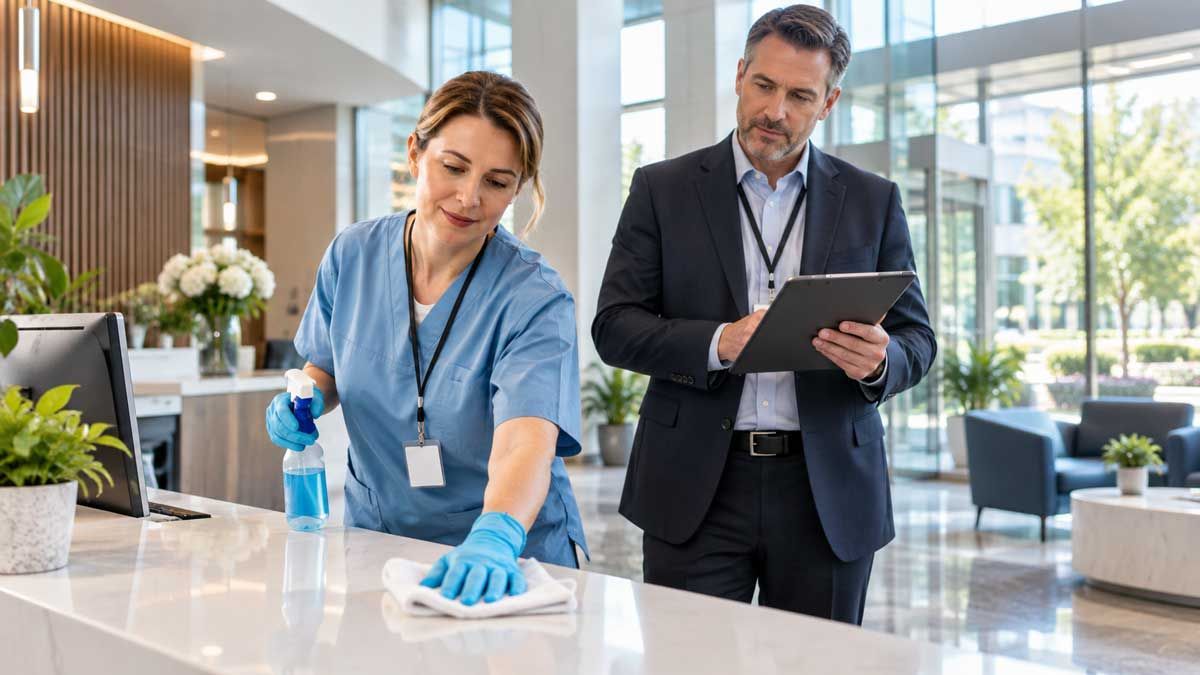
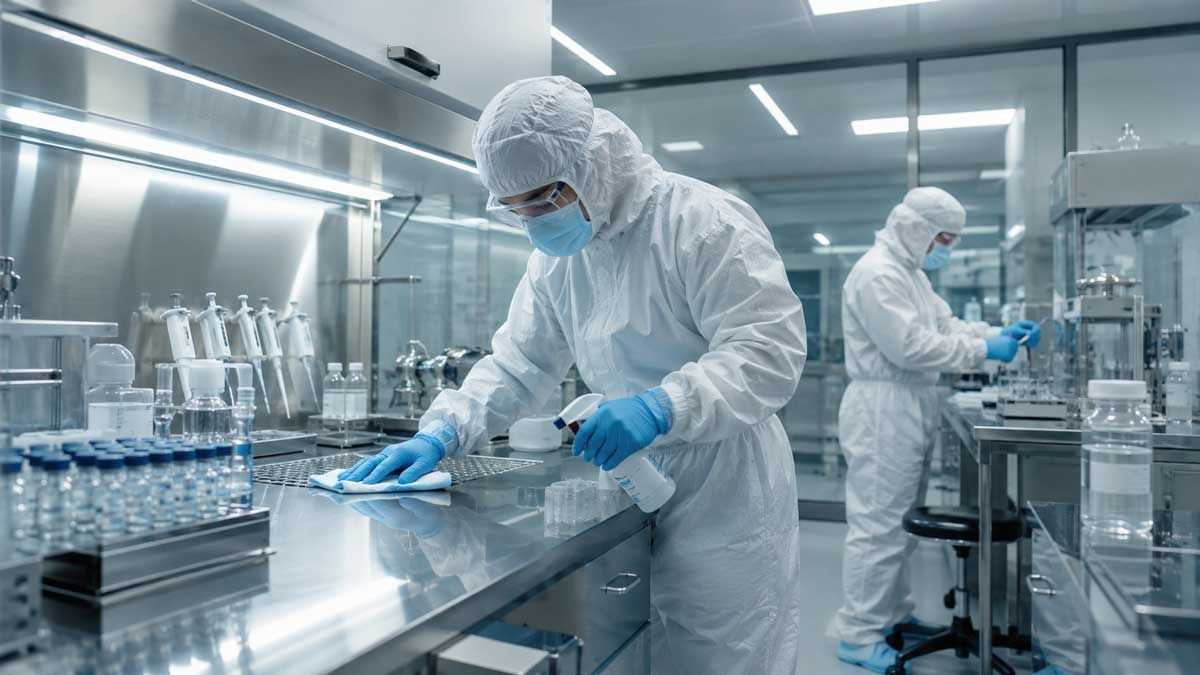
Every high-traffic pathway should receive routine disinfection because frequent foot traffic increases the potential for contamination. In addition, cleanrooms require scheduled deep cleaning supported by detailed logs documenting cleaning methods, approved materials, and verification records for regulatory audits.
Equipment cleaning also follows established timelines based on frequency of use, as even minor lapses can increase contamination risks within controlled environments. Planned emergency response procedures help ensure accidental spills or biological exposures are contained quickly and managed according to documented protocols.
As a result, maintaining these cleaning frequencies begins with a thorough understanding of South Carolina's regulatory expectations and facility-specific standard operating procedures.
State Compliance for Cleaning Frequencies
Controlled contamination cleaning for data centers reflects the same compliance-focused approach expected within pharmaceutical facilities throughout the Southeast. State compliance for cleaning frequencies in South Carolina pharmaceutical labs centers on written procedures that clearly define approved cleaning agents, application methods, and documentation requirements.
Regulatory expectations require documented records for rodenticides, insecticides, fungicides, sanitizing agents, and other approved cleaning chemicals to help prevent product contamination and protect sensitive equipment. Facility managers are responsible for ensuring EPA-registered products are used appropriately while following applicable federal regulations governing their use.
Every employee and contractor working within controlled environments should follow the same documented cleaning procedures. Consistent expectations across all personnel help reduce variability while supporting inspection readiness. Good Manufacturing Practice (GMP) guidance also emphasizes facility design and maintenance practices that support effective, repeatable cleaning and contamination prevention.
Disinfection schedules should follow written procedures and be verified through routine inspections, environmental monitoring, and documented quality reviews. Inspectors commonly review cleaning records, personnel training documentation, and validation activities when evaluating compliance.
Attention to these details helps facilities reduce operational risk while supporting long-term regulatory compliance. The same disciplined approach also strengthens
controlled contamination cleaning programs used in other mission-critical environments where contamination control is essential.
High-Traffic Zone Daily Disinfection Routines
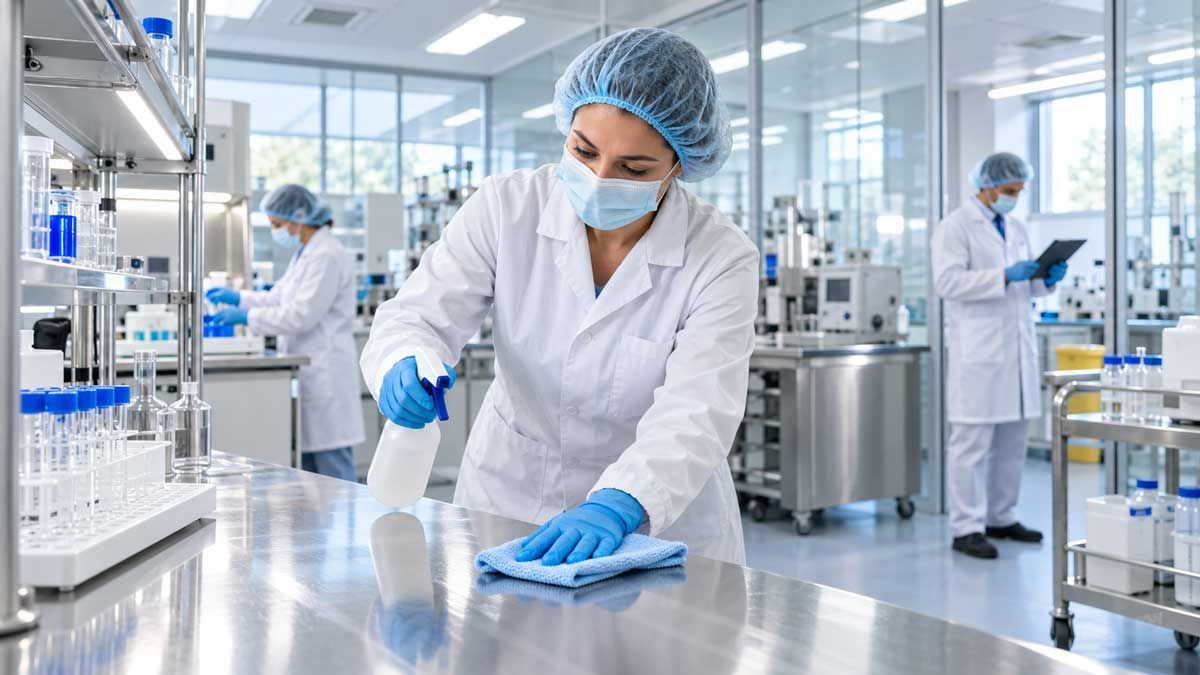
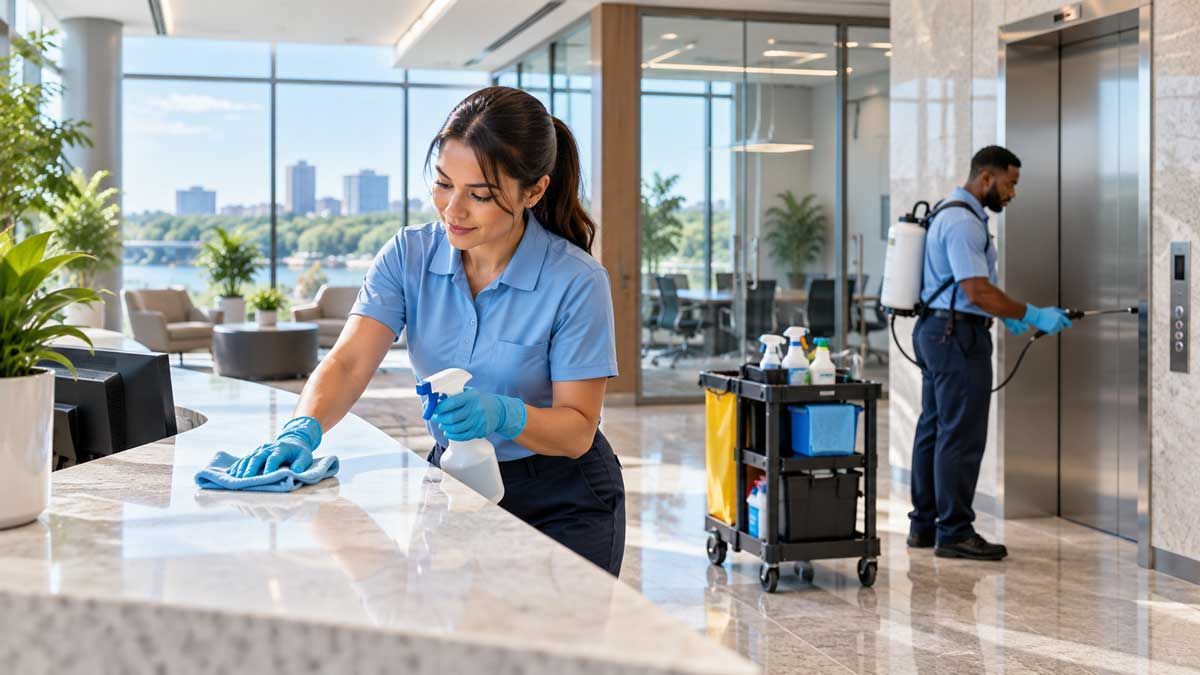
Maintaining consistent day-to-day disinfection routines for high-traffic areas is essential within South Carolina pharmaceutical laboratories. Frequently used corridors, entry points, shared workspaces, and material transfer areas can introduce contamination if not cleaned according to established procedures.
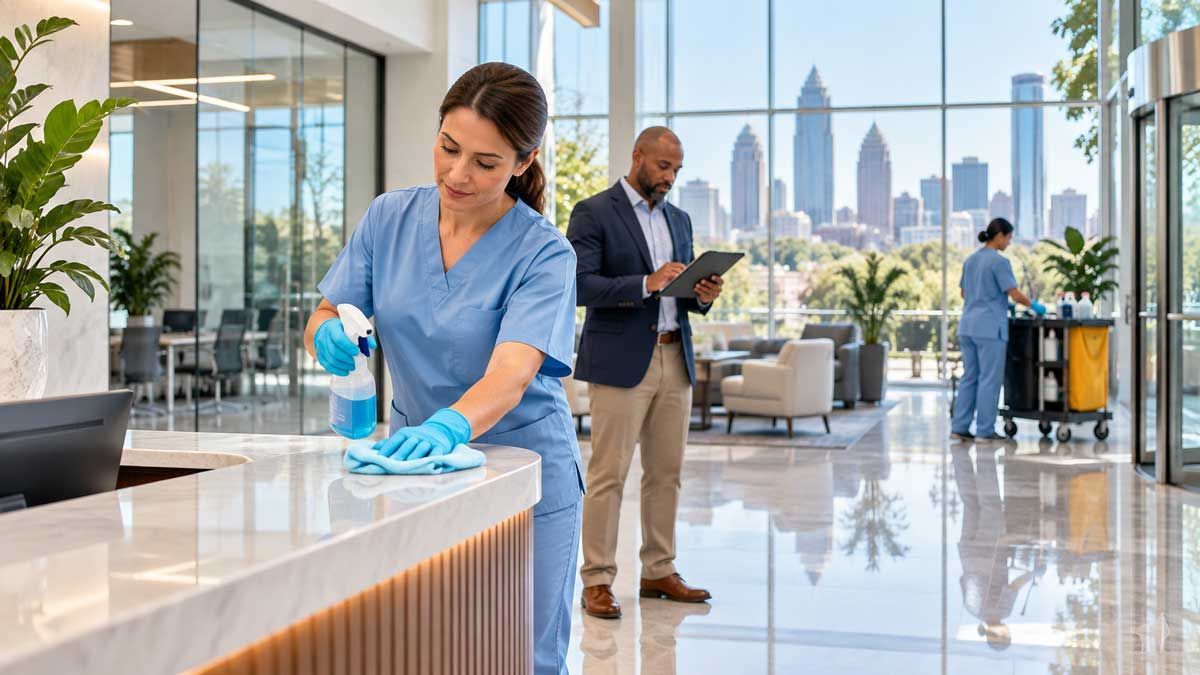
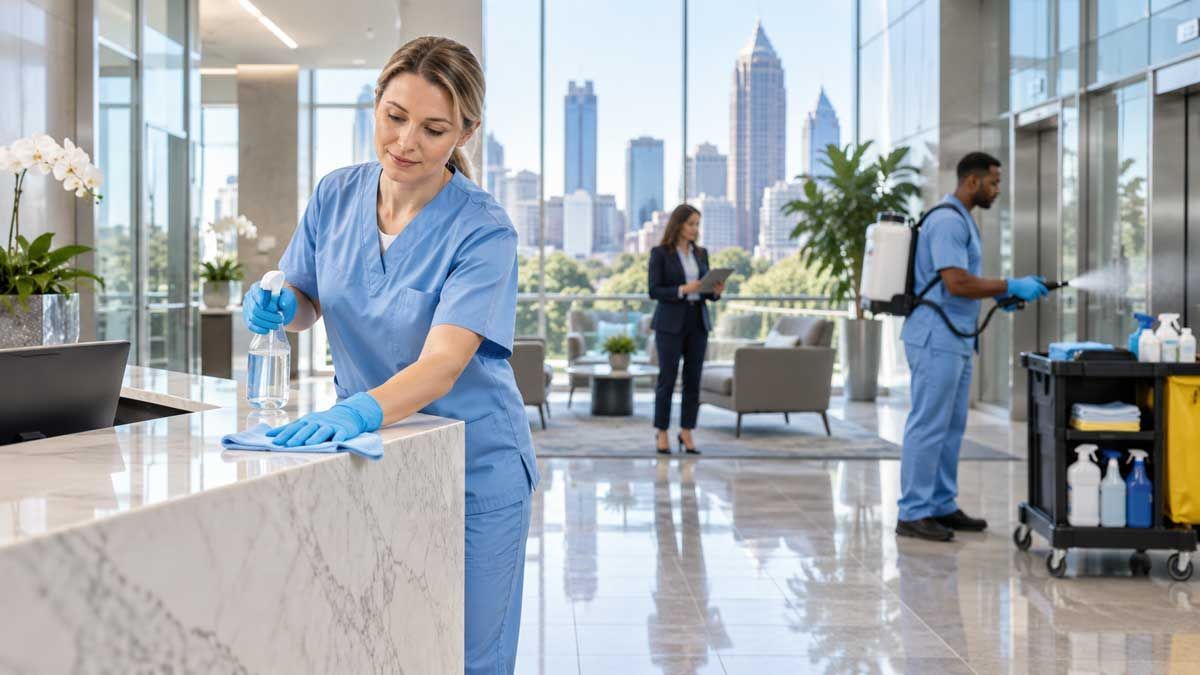
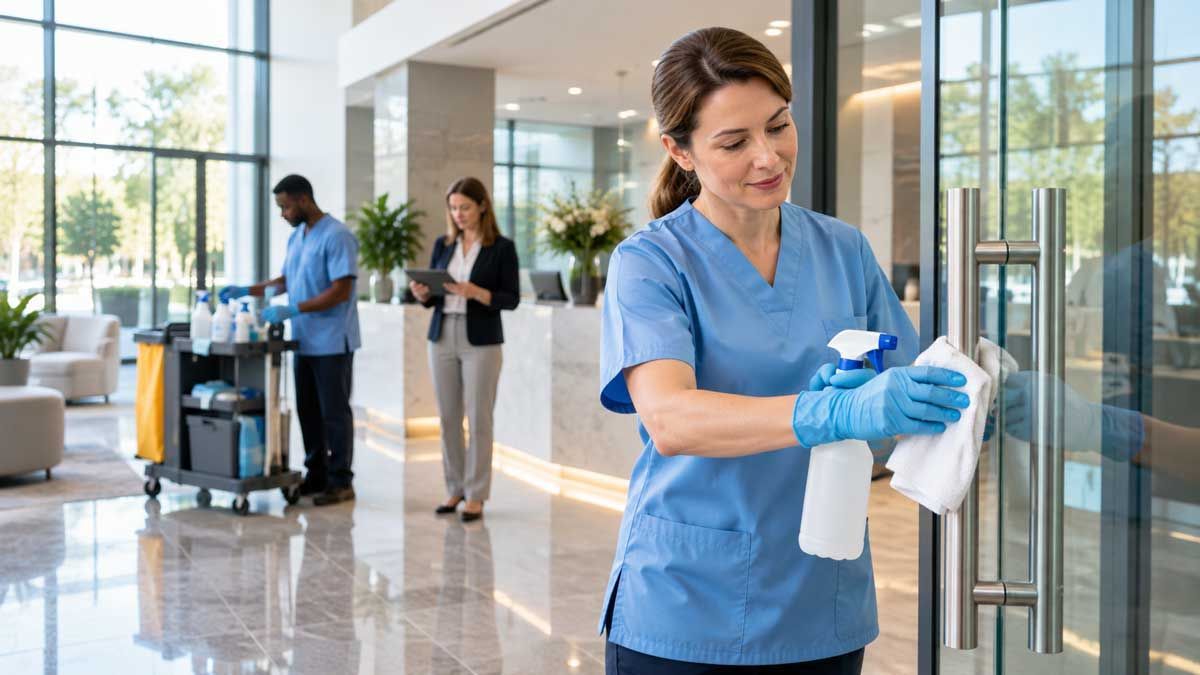
- Frequent Touchpoint Disinfection: Frequently touched surfaces should be cleaned with approved products according to documented procedures. Removing visible soil before applying disinfectants improves cleaning effectiveness and supports contamination control.
- Restocking PPE and Supplies: Personal protective equipment, disinfectants, wipes, and other cleaning supplies should remain adequately stocked throughout every shift. Maintaining inventory helps prevent interruptions to scheduled cleaning activities.
- Documenting Cleaning Schedules: Every completed cleaning activity should be recorded with the date, time, responsible personnel, and products used. Accurate documentation strengthens accountability while supporting regulatory inspections and internal quality reviews.
Routine inspections of these busy areas also help identify developing contamination risks before they affect controlled production environments. Preventive cleaning remains one of the most effective ways to support operational continuity.
Cleanroom Deep Cleans and Weekly Schedules
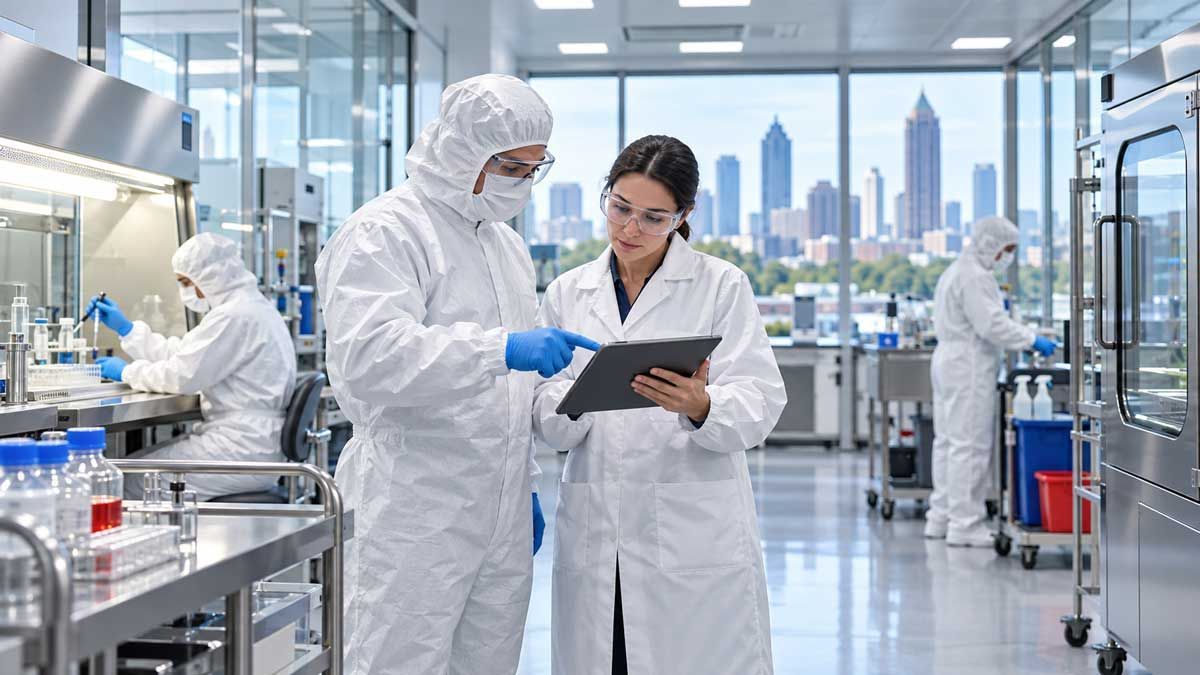
Deep cleaning for cleanrooms in South Carolina pharmaceutical laboratories plays an important role in protecting research, manufacturing activities, and product quality. Weekly cleaning schedules support compliance with GMP expectations while helping reduce cross-contamination risks within controlled environments.
- High-Touch Surface Disinfection: Workbenches, pass-through chambers, carts, equipment surfaces, and frequently handled fixtures require thorough cleaning using approved procedures to remove particles and microbial contamination.
- Floor Decontamination Procedures: Floors should receive scheduled cleaning because airborne particles eventually settle onto walking surfaces. Consistent floor maintenance helps reduce the redistribution of contaminants throughout the cleanroom.
- Filter and Air System Maintenance: Routine inspection and maintenance of HEPA filtration systems and HVAC components support proper airflow while helping maintain required environmental classifications.
- Documented Cleaning Logs: Every deep cleaning activity should be documented through approved standard operating procedures. Complete records help demonstrate compliance during audits while supporting continuous process improvement.
Weekly reviews of environmental monitoring data can also help determine whether cleaning frequencies remain appropriate or require adjustment based on operational changes.
Equipment-Specific Decontamination Timelines
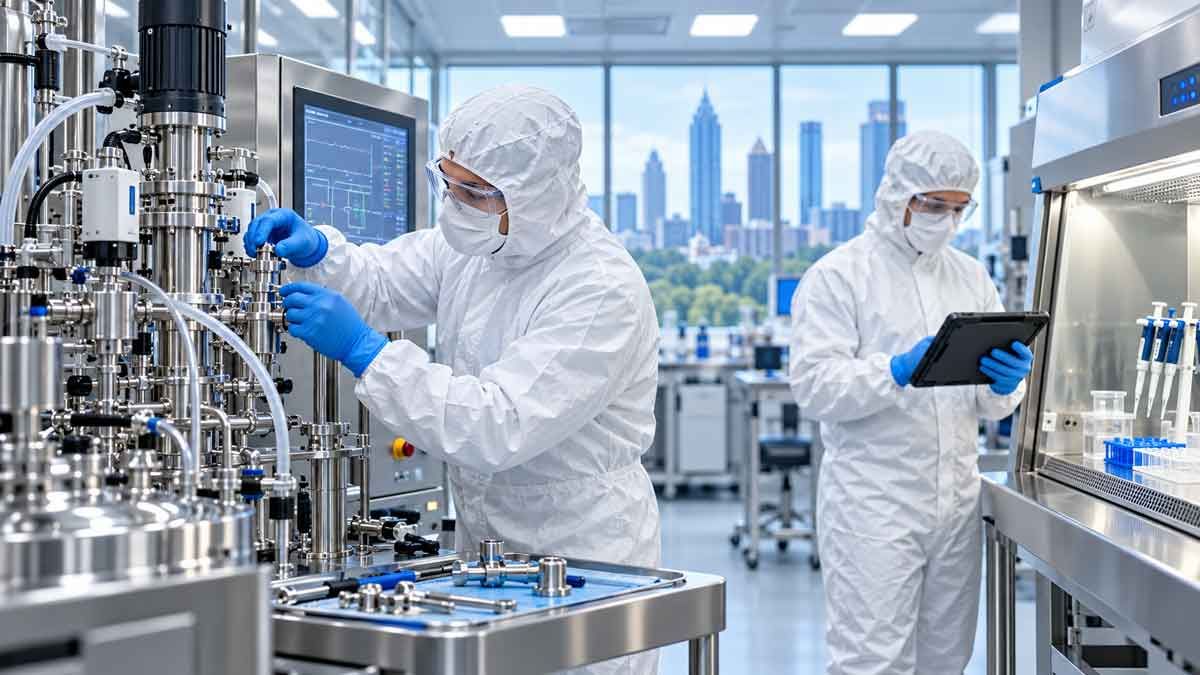
Equipment throughout South Carolina pharmaceutical laboratories is exposed to varying contamination risks depending on how frequently it is used and the materials it processes. Establishing equipment-specific cleaning schedules helps maintain validated conditions while protecting sensitive operations.
Biosafety cabinets, laboratory workstations, and other frequently used equipment should be cleaned according to documented procedures after daily operations or between production activities where required. High-touch instruments often benefit from additional cleaning throughout each shift to minimize contamination risks.
Cleaning procedures should generally progress from the cleanest areas toward less clean areas to reduce the potential for cross-contamination. Equipment such as refrigerators, freezers, autoclaves, and storage systems should also receive scheduled cleaning and prompt attention following spills or contamination events.
Isolators, incubators, and specialized processing equipment may require more extensive cleaning based on production schedules, environmental classifications, and manufacturer recommendations. Dedicated PPE and cleaning supplies should remain assigned to these activities whenever appropriate to maintain controlled conditions.
Maintaining documented equipment decontamination schedules not only supports compliance but also helps extend equipment reliability, improve operational efficiency, and strengthen contamination prevention across the entire facility.
Managing Emergency Response Cleaning Protocols
Managing emergency contamination events requires documented procedures that protect personnel, maintain environmental control, and reduce operational disruption. Every pharmaceutical laboratory should have a clearly defined response plan that allows trained personnel to act quickly while meeting regulatory expectations.
- Assemble Well-Trained Response Teams: Emergency response teams should consist of personnel trained to manage biological hazards, chemical spills, and contamination incidents while following OSHA requirements and facility-specific standard operating procedures.
- Use Appropriate Personal Protective Equipment: Gloves, eye protection, masks, gowns, and any additional required PPE should be worn throughout the response. Personnel should also follow proper PPE removal procedures to avoid transferring contaminants outside the affected area.
- Maintain Safe Work Practices: During extended response activities, supervisors should ensure staff follow established safety procedures, including scheduled breaks, proper hand hygiene, and safe handling of contaminated materials to reduce fatigue-related errors.
- Treat and Report Exposure Incidents: Any employee exposure or injury should be addressed immediately according to facility protocols. Prompt reporting, evaluation, and documentation support both employee safety and regulatory compliance.
- Document Every Response: Every contamination event should include complete documentation outlining the incident, response actions, corrective measures, verification activities, and final clearance before operations resume. Thorough records strengthen audit readiness while supporting continuous improvement initiatives.
Prepared emergency procedures allow pharmaceutical laboratories to restore controlled conditions more efficiently while minimizing operational downtime and protecting sensitive manufacturing activities.
Data Center Surface Cleaning Best Practices
Data center surface cleaning best practices also demonstrate many of the same contamination control principles used within pharmaceutical laboratories. Both environments depend on disciplined cleaning procedures that protect sensitive equipment while supporting strict environmental standards.
- Use Specialized Cleaning Methods: Approved cleaning equipment, non-shedding materials, and facility-specific procedures help remove contaminants without introducing additional particles into controlled environments. These methods also support long-term equipment reliability.
- Maintain Routine Documentation and Compliance Reviews: Cleaning logs, inspection records, and scheduled quality reviews help verify that procedures remain consistent with GMP, ISO 14644, and facility requirements. Regular documentation also provides valuable support during internal and external audits.
- Protect Sensitive Equipment and Surfaces: Delicate equipment requires non-abrasive cleaning products and cleanroom-approved wipes designed for critical environments. Proper cleaning techniques help preserve equipment performance while reducing unnecessary maintenance and operational interruptions.
Although pharmaceutical laboratories and data centers serve different industries, both benefit from structured contamination control programs that prioritize compliance, environmental stability, and operational continuity.
Staff Training on Contamination Prevention
Staff training on contamination prevention remains one of the most important components of any pharmaceutical cleaning program. Every employee should understand how daily actions affect contamination control and why consistent compliance supports both product quality and patient safety.
Training programs should include proper gowning procedures, surface cleaning techniques, equipment handling, environmental awareness, and contamination prevention practices. Hands-on demonstrations, supervised exercises, and routine competency assessments help reinforce these procedures far more effectively than written guidance alone.
Facilities should also maintain systems that document completed training, identify knowledge gaps, and schedule refresher education as procedures evolve. Continuous education helps personnel remain aligned with current regulations while improving consistency across all departments.
When employees understand the purpose behind contamination control procedures, they become active participants in protecting the laboratory environment rather than simply following instructions. This culture of accountability strengthens compliance while reducing the likelihood of preventable contamination events.
Failing to maintain consistent cleaning schedules places pharmaceutical laboratories at both regulatory and operational risk. Well-documented cleaning procedures help prevent contaminants from affecting production areas, research activities, and sensitive manufacturing processes. Every scheduled cleaning activity should address both visible debris and microscopic contaminants across work surfaces, equipment, and environmental systems.
Even small lapses in routine cleaning can increase contamination risks, interrupt production, and affect regulatory compliance. Maintaining validated cleaning schedules supported by documented procedures helps facilities reduce these risks while improving inspection readiness.
Cleanstar National Inc applies a compliance-first approach built around recognized industry standards, including ISO 14644, GMP principles, EPA guidance, and OSHA requirements. Every cleaning program is supported by trained, E-Verified professionals who follow documented procedures designed to protect mission-critical operations and maintain controlled environments.
Our experience supporting pharmaceutical facilities, healthcare environments, data centers, and other critical operations allows us to develop cleaning programs that prioritize operational continuity, environmental control, and regulatory compliance. Rather than providing routine janitorial services, we partner with organizations to strengthen contamination prevention strategies through structured processes and consistent execution.
By combining scheduled cleaning, environmental monitoring, validated procedures, and ongoing staff training, pharmaceutical laboratories can strengthen contamination control while supporting long-term operational performance. Regular reviews and continuous improvement help facilities adapt as regulations, production requirements, and operational risks evolve.
Choosing an experienced critical environment cleaning partner means investing in more than scheduled cleaning. It means supporting compliance, protecting product quality, reducing operational risk, and helping ensure pharmaceutical facilities continue to meet the high standards required for long-term success.
Cleanstar National: Expert B2B Cleaning Solutions for Atlanta's Critical Industries