Implementing Cleanroom Contamination Protocols in Tennessee Facilities
Tennessee facilities face rising scrutiny for cleanroom contamination control. Consequently, precision in cleaning within these controlled spaces now drives compliance and reduces operational risk. Higher standards from regulatory bodies continue to shape expectations, particularly across technology, healthcare, life sciences, and advanced manufacturing environments.
Cleanroom protocols now require data-driven decisions about materials, cleaning methods, environmental monitoring, and routine validation to help prevent disruptions and protect critical operations. Even a single contamination event can affect productivity, regulatory compliance, and overall operational continuity in facilities where precision is essential.
As a result, many facility managers rely on specialized critical environment cleaning professionals rather than general cleaning providers. Teams experienced with ISO 14644, GMP, EPA guidance, and controlled environments help facilities maintain consistent standards while reducing contamination risks throughout sensitive operations.
Establishing clear access control procedures is one of the first steps toward maintaining a stable cleanroom environment and supporting long-term compliance.
Establishing Access Control Measures
Critical environment cleaning in Atlanta
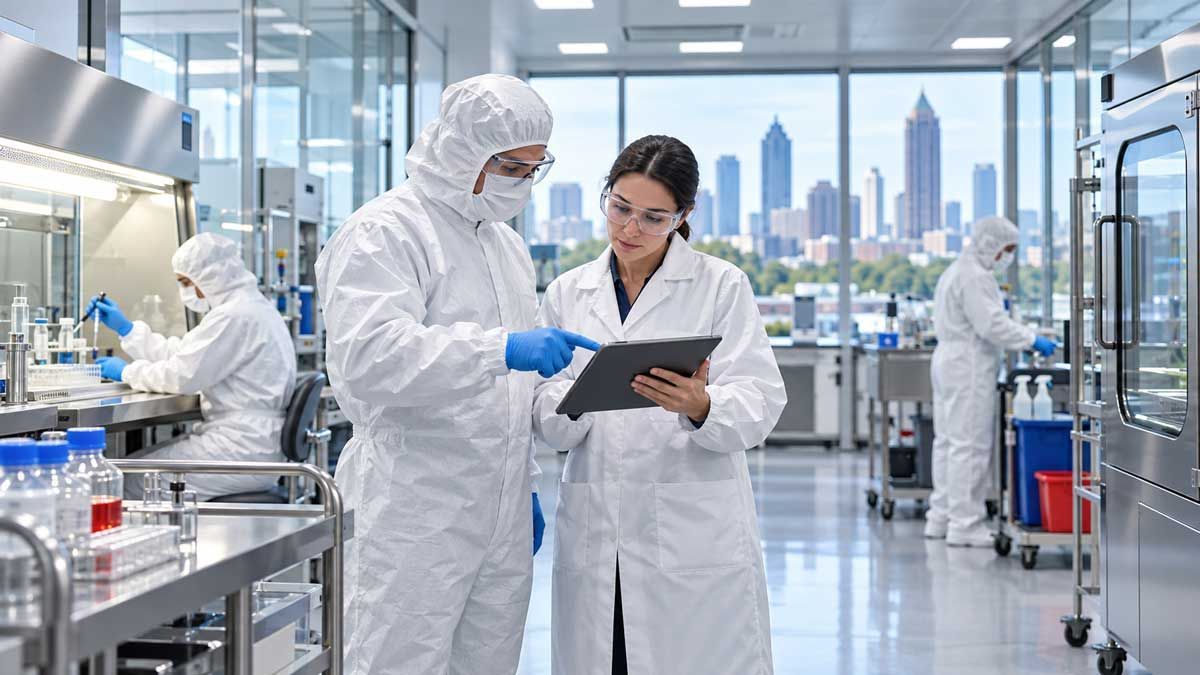
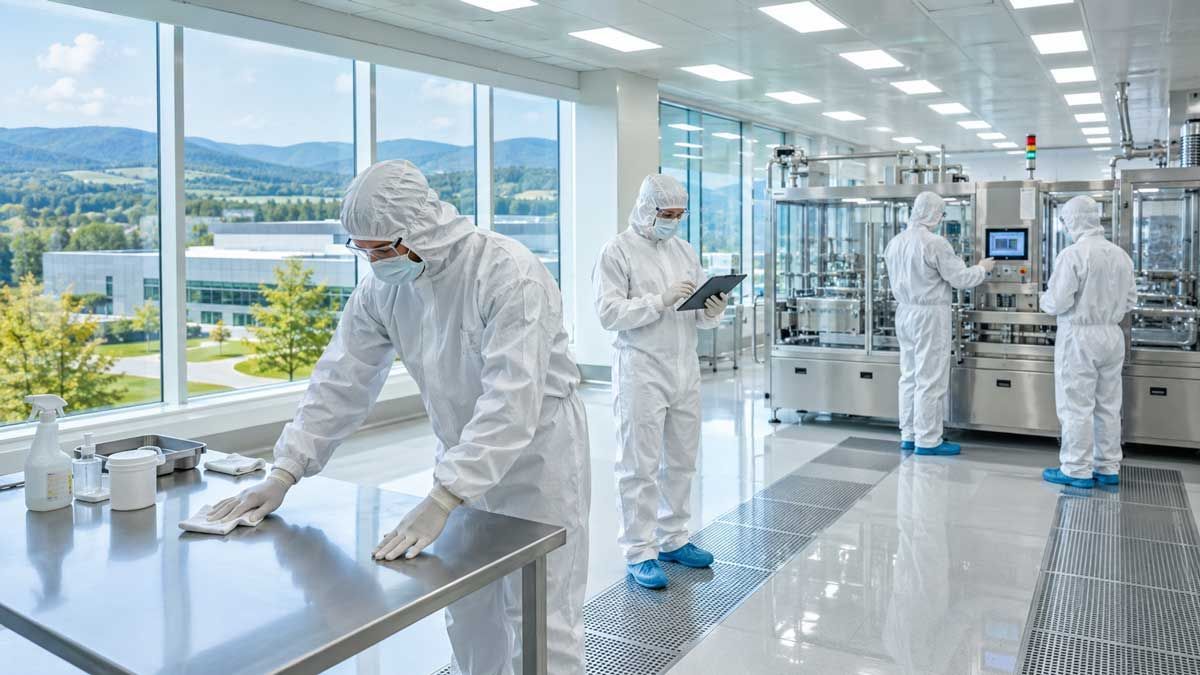
supports organizations that recognize access control as the first barrier against contamination risk. Every person entering a controlled environment should follow documented procedures designed to reduce the introduction of particles, microorganisms, and other contaminants. Protective garments, proper gowning procedures, and controlled entry protocols all contribute to maintaining cleanroom integrity.
Personnel screening should occur before entry into controlled spaces, and protective clothing should be worn according to the cleanroom classification. Every visitor should also be logged and tracked, creating a documented record that supports compliance requirements and internal audits.
For Tennessee facilities, airlocks, pass-through chambers, and badge-controlled entry systems are common methods used to limit contamination from outside environments. Even small deviations from gowning or access procedures can increase particle counts and affect ISO compliance.
Consistent access protocols help ensure that personnel, materials, and equipment enter controlled environments without compromising operational standards. Working with experienced critical environment specialists also supports long-term compliance strategies, operational reliability, and audit readiness.
Selecting Appropriate Cleanroom Materials
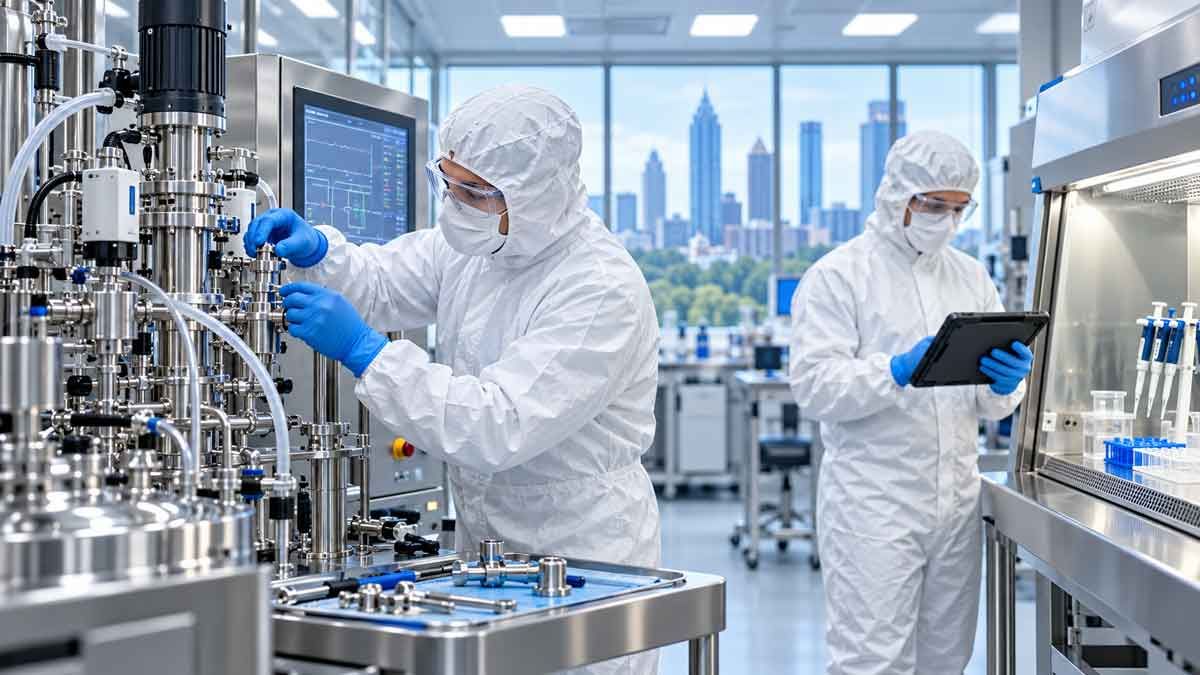
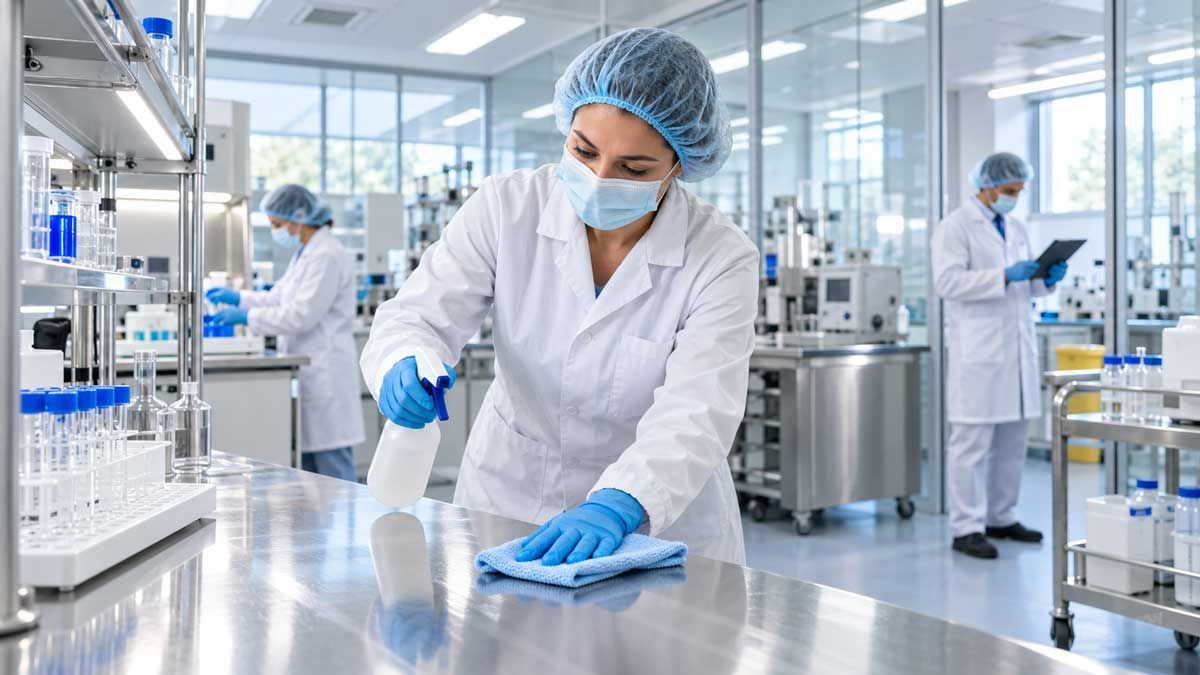
Selecting the right materials for your cleanroom makes all the difference in contamination control. Each item needs to meet strict facility requirements and support consistent performance throughout daily operations.
- Surface Compatibility: Hard surfaces, including stainless steel and specialty plastics, resist corrosion while making routine cleaning more effective. These materials also reduce the buildup of particles and residues that could affect cleanroom performance.
- Low-Particulate Shedding: Cleanroom-approved products such as nitrile gloves and non-woven wipes generate significantly fewer particles than conventional materials. Using appropriate supplies helps minimize contamination sources throughout controlled environments.
- Chemical Resistance: Materials should withstand repeated exposure to disinfectants and cleaning agents used during scheduled maintenance. Products that degrade over time can introduce additional contaminants into the environment.
- Ease of Sterilization: Some materials allow efficient sterilization through autoclaves, UV systems, or approved chemical disinfectants, helping facilities reduce downtime while maintaining validated processes.
- Compliance by Cleanroom Classification: Material selection should always match the ISO classification of the cleanroom. Higher-class environments require stricter material standards to maintain regulatory compliance and consistent environmental control.
Choosing suitable materials also supports
controlled contamination cleaning by reducing unnecessary particle generation before routine cleaning even begins. Material compatibility and validated cleaning procedures work together to create a more stable controlled environment.
Scheduling Regular Decontamination Procedures
Regularly scheduled decontamination is essential for Tennessee facilities seeking to maintain compliance while protecting sensitive operations. Consistent cleaning protocols reduce contamination risks and support the environmental standards established under ISO 14644 and related industry guidance.
- Established Frequency: Cleaning schedules should be based on the facility's risk profile, production activities, and environmental classification. Higher-risk areas often require more frequent cleaning to maintain validated conditions.
- Documented Processes: Every decontamination activity should include detailed records showing dates, approved products, technician verification, and completed procedures. Thorough documentation supports regulatory inspections and internal quality reviews.
- Clear Scope and Zones: Facilities should clearly define which rooms, equipment, and surfaces require routine cleaning and how frequently each area should be serviced. Critical production zones typically require more frequent attention than support spaces.
- Trained Personnel Only: Only properly trained personnel should perform cleanroom decontamination activities. Consistent training helps reduce cross-contamination risks while supporting standardized cleaning practices across all controlled areas.
Routine environmental reviews also help determine whether cleaning frequencies should be adjusted as facility operations evolve. Continuous evaluation strengthens compliance while reducing the likelihood of unexpected contamination events.
Training Staff on Protocol Compliance
Training staff on protocol compliance forms the foundation of effective cleanroom operations. Personnel should understand every procedure required to maintain contamination control while supporting facility-specific regulatory obligations. Structured training programs transform technical requirements into practical, repeatable daily processes.
Training should include hands-on exercises, simulated contamination scenarios, equipment handling procedures, and documented competency evaluations. These activities help reinforce proper techniques while producing records that support inspections and compliance audits.
Ongoing education remains equally important as regulations, cleaning technologies, and operational requirements continue to evolve. Regular refresher training helps maintain consistency across all personnel while reducing human error within controlled environments.
Organizations with extensive experience in critical environment cleaning recognize that even minor procedural deviations can affect product quality, operational reliability, and regulatory compliance. Continuous training supports a workplace culture where contamination prevention becomes a routine part of daily operations rather than a corrective response.
Consistent employee education also strengthens communication between operations, quality assurance, and environmental services teams, ensuring every department contributes to maintaining cleanroom integrity.
Monitoring Air Quality Continuously
Continuous air quality monitoring helps protect the cleanroom from hidden contamination risks and provides early warning before environmental limits are exceeded. For Tennessee facilities, ongoing monitoring supports regulatory compliance while helping maintain consistent operational performance.
- Real-Time Sensor Integration: Digital monitoring systems with NIST-traceable calibration track airborne particles, differential pressure, temperature, and humidity in real time. These measurements help identify environmental changes quickly, allowing corrective action before contamination affects critical operations.
- Data Logging and Alert Notifications: Integrated monitoring systems automatically record environmental data and generate alerts whenever conditions move outside established limits. Historical records also help facility managers identify trends, support investigations, and demonstrate compliance during audits.
- Microbial and Environmental Sampling: Routine air and surface sampling, performed alongside environmental monitoring, verifies that cleaning protocols remain effective. Comparing results against established acceptance criteria provides documented evidence that contamination controls continue to perform as intended.
Continuous monitoring also strengthens communication between facility teams by providing measurable data that supports maintenance decisions, cleaning schedules, and quality assurance programs. When combined with documented cleaning procedures, environmental monitoring helps maintain consistent conditions across critical spaces.
Implementing Emergency Containment Steps
Once a contamination event is identified through environmental monitoring or routine inspections, immediate containment measures help reduce operational risk and protect surrounding controlled environments.
- Isolate the Zone: Restrict access to the affected cleanroom by establishing physical barriers, posting warning signage, and controlling personnel movement. Isolating the affected area minimizes cross-contamination while allowing nearby operations to continue safely where appropriate.
- Activate HEPA and Air Management Systems: Operate HEPA-filtered air scrubbers or other approved air management systems when particulate levels exceed acceptable limits. These engineering controls help reduce airborne contaminants while supporting established cleanroom protocols and validated recovery procedures.
- Deploy Proper PPE: Personnel responding to contamination events should wear approved cleanroom personal protective equipment, including gloves, masks, protective garments, and other required items based on facility protocols. Consistent PPE compliance helps reduce the transfer of contaminants during response activities.
- Begin Incident Documentation: Every contamination event should be documented with written observations, environmental readings, corrective actions, and supporting records. Complete documentation assists regulatory reviews, internal investigations, and continuous process improvement efforts.
Well-documented response procedures help facilities recover more efficiently while demonstrating a proactive commitment to compliance, operational reliability, and risk management.
Validating Cleaning and Sanitization Methods
Validating cleaning and sanitization methods requires more than simply completing scheduled tasks. Facilities should routinely verify cleaning effectiveness through environmental testing, documented inspections, and periodic process reviews. Swab testing, contact plates, and air sampling provide measurable evidence that cleaning procedures continue to meet established standards.
Trend analysis also helps identify recurring contamination sources before they become larger operational concerns. Reviewing environmental data over time allows facility managers to recognize patterns, evaluate corrective actions, and improve overall contamination control strategies.
Cleaning products should be validated under actual operating conditions rather than relying solely on manufacturer specifications. Periodic evaluation of disinfectants, detergents, and cleaning procedures helps confirm continued effectiveness against facility-specific contamination risks. When monitoring results indicate persistent contamination, adjustments such as disinfectant rotation, revised cleaning frequencies, or updated procedures may be necessary.
Validation should remain an ongoing process rather than a one-time exercise. Regular reviews support regulatory compliance while helping facilities adapt to operational changes, evolving standards, and new contamination risks.
Maintaining strict contamination protocols protects both product quality and operational reliability within Tennessee cleanrooms. Precision throughout every process, from controlled access and environmental monitoring to routine validation and surface testing, helps reduce contamination risks while supporting consistent operations.
Even small lapses in compliance can increase exposure to contamination events that affect equipment, products, research, or patient safety. A compliance-first approach built on documented procedures, trained personnel, and validated cleaning practices supports long-term operational success.
Cleanstar National Inc applies a data-driven methodology aligned with recognized standards, including ISO 14644, GMP, and other industry best practices for controlled environments. Experienced, E-Verified professionals follow documented protocols designed to reduce human error while supporting facility uptime, regulatory compliance, and operational continuity.
Our experience in data center cleaning and critical environment cleaning supports facilities where precision, accountability, and consistency are essential. Through structured cleaning protocols, environmental monitoring, and continuous quality verification, organizations can better prepare for inspections while minimizing contamination-related disruptions.
By combining advanced HEPA filtration practices, validated cleaning methods, and ongoing environmental oversight, facilities can strengthen contamination control across every stage of operation. Each cleaning program should be tailored to the unique requirements of the facility, ensuring procedures align with operational goals, regulatory expectations, and environmental classifications.
Choosing an experienced partner with specialized expertise in controlled environments supports more than routine cleaning. It strengthens compliance efforts, protects mission-critical operations, and helps facilities maintain the high standards required for long-term performance and reliability.
Cleanstar National: Expert B2B Cleaning Solutions for Atlanta's Critical Industries