
Reducing Contamination Risks in Coastal Georgia Data Centers
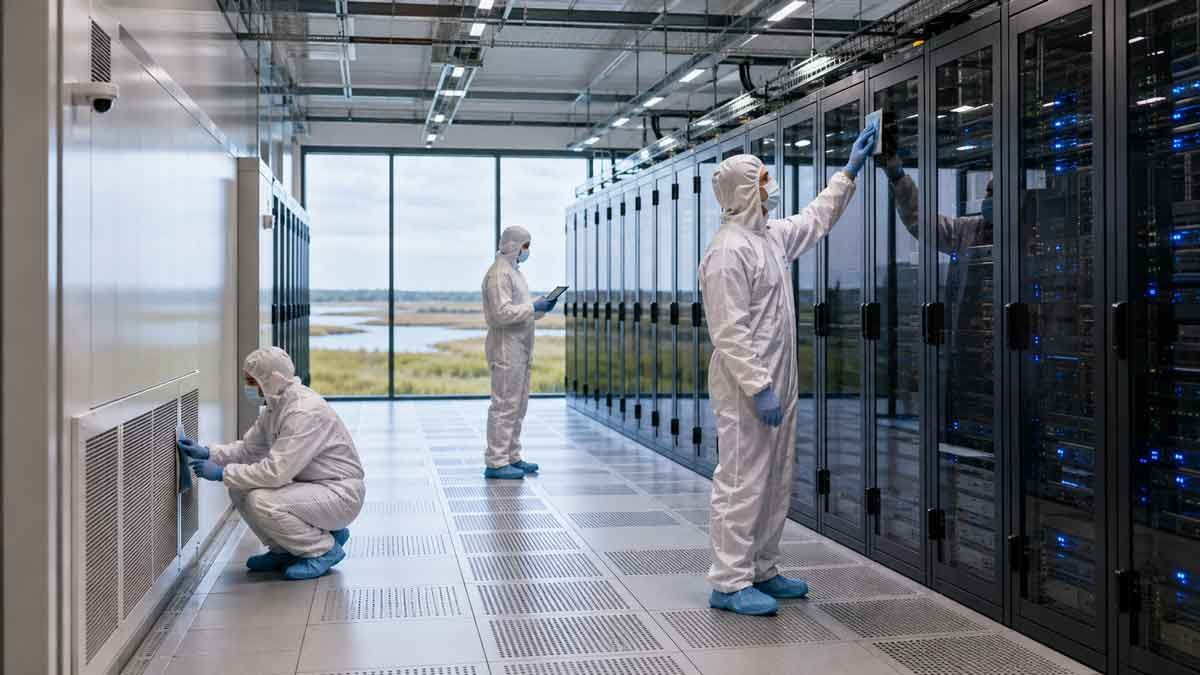
Contamination risks in coastal Georgia data centers continue to increase as facilities become more complex and technology environments become more sensitive. Salt aerosols, airborne particles, humidity, and construction-related dust can create challenges for equipment reliability and long-term operational performance.
Data center operators must take a proactive approach to contamination control. Maintaining proper airflow, controlling environmental conditions, and following structured cleaning procedures helps protect sensitive hardware while supporting uptime requirements.
Coastal environments require additional attention because humidity and airborne particles can accelerate residue buildup on critical equipment. A consistent cleaning strategy helps facility teams identify risks early and maintain reliable operations.
By prioritizing controlled cleaning procedures, data center managers can strengthen environmental protection while supporting industry standards and operational goals.
Prioritize Controlled Contamination Cleaning Protocols
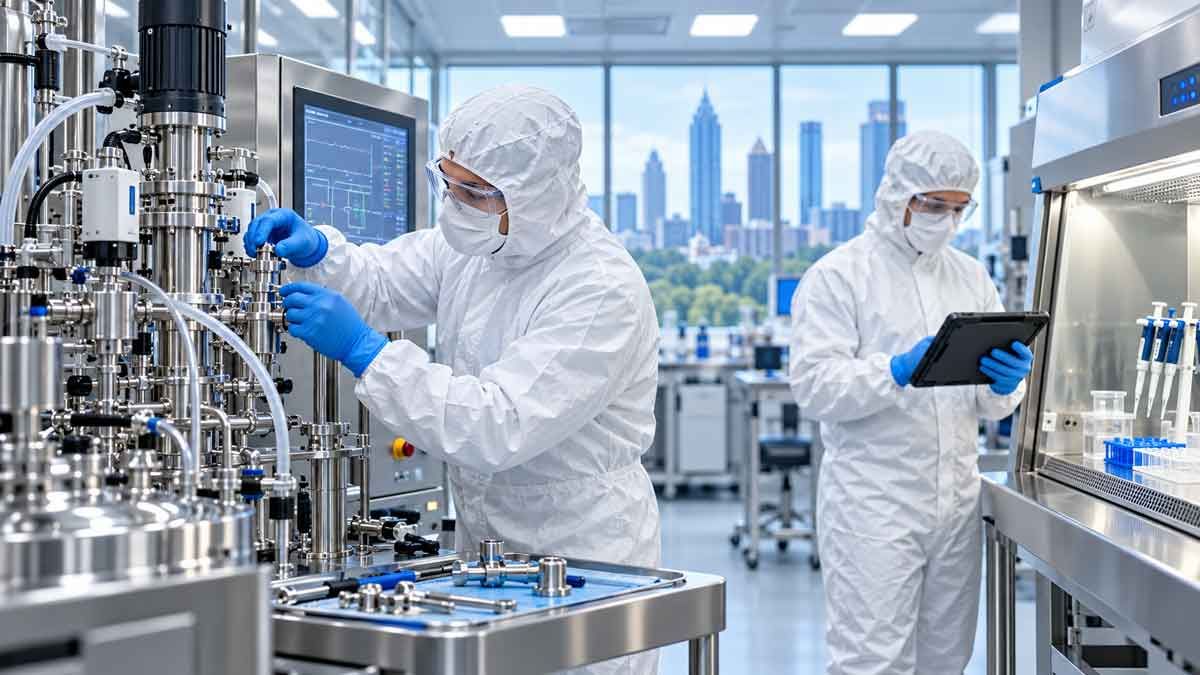
Even small particles can create significant risks inside sensitive data environments. Dust, fibers, and residue may affect airflow systems, electrical components, and equipment performance if not properly controlled.
Data centers require specialized cleaning procedures designed around sensitive electronics and controlled environments. Standard cleaning methods are not suitable for server rooms because improper products or techniques can create additional risks.
Effective contamination control programs include:
- Using data center-approved cleaning materials designed for sensitive equipment.
- Managing dust and particle buildup in server aisles, raised floors, and equipment areas.
- Following ESD-safe procedures to protect electronic components.
- Maintaining detailed cleaning documentation for compliance and facility reviews.
A structured approach helps reduce contamination risks while supporting reliable performance. Cleanstar National Inc provides specialized controlled contamination cleaning in data centers solutions designed for mission-critical environments where precision and accountability are essential.
Invest in Advanced Air Filtration Systems
Air quality management is a critical component of data center protection, especially in coastal environments where humidity and airborne contaminants can create additional challenges.
Advanced filtration systems help reduce exposure to dust, salt particles, and other airborne contaminants that may affect sensitive technology.
Key considerations include:
- High-Efficiency Filtration: HEPA and high-efficiency filtration systems help capture fine particles that may enter controlled spaces.
- Environmental Monitoring: Air quality sensors provide valuable information about humidity, particulate levels, and changing facility conditions.
- Preventive Filter Maintenance: Regular inspections and replacements help ensure filtration systems continue operating effectively.
- Energy-Conscious Operation: Properly maintained filtration systems support efficient airflow management while helping protect critical equipment.
Combining filtration technology with professional cleaning procedures creates stronger contamination prevention strategies.
Seal and Monitor High-Risk Entry Points
Preventing outside contaminants from entering a data center requires attention to access points, doors, cable pathways, and equipment areas.
Coastal facilities must consider environmental factors such as humidity, airborne salt, and weather conditions that may increase contamination exposure.
Effective prevention measures include:
- Inspecting doors, seals, and entry areas for potential exposure points.
- Maintaining proper barriers around cable pathways and equipment access areas.
- Monitoring environmental changes that may indicate increased contamination risk.
- Reviewing vendor access procedures to reduce unnecessary exposure.
Strong entry control practices support cleaner environments and reduce the likelihood of outside contaminants reaching sensitive areas.
Choose Corrosion-Resistant Materials and Coatings
Coastal environments can accelerate corrosion because of increased moisture and airborne salt exposure. Selecting appropriate materials helps protect equipment and facility infrastructure over time.
Data centers should evaluate materials used in exposed areas, including:
- Corrosion-resistant hardware designed for challenging environments.
- Protective coatings that help reduce exposure-related damage.
- Proper equipment placement and environmental controls.
- Routine inspections to identify early signs of corrosion.
Preventive planning allows facility teams to address risks before they affect operations or equipment reliability.
Implement Preventive Maintenance Schedules
Regular maintenance schedules help data centers stay ahead of contamination challenges. Preventive programs allow facility teams to identify potential issues before they become operational disruptions.
Important maintenance practices include:
- Environmental System Reviews: HVAC systems, cooling equipment, and humidity controls should be monitored regularly to maintain stable conditions.
- Equipment Area Inspections: Server rooms, raised floors, and critical pathways should receive routine inspections to identify dust or residue buildup.
- Documentation and Change Reviews: Detailed service records help maintain accountability and support compliance requirements.
- Seasonal Planning: Coastal facilities may require additional attention during periods of increased humidity, storms, or construction activity.
A proactive schedule strengthens facility reliability while supporting long-term asset protection.
Train Staff on Cleanroom Best Practices
Staff training plays an important role in reducing contamination risks. Employees, vendors, and facility teams must understand how daily actions affect sensitive environments.
Training programs should include:
- Proper use of approved cleaning materials and equipment.
- ESD protection procedures for handling sensitive technology.
- Environmental awareness, including humidity and airflow considerations.
- Regular refresher training to maintain consistent practices.
Well-trained teams help prevent avoidable contamination events and support stronger operational controls.
Monitor Coastal Humidity and Environmental Conditions
Humidity control is essential for coastal Georgia data centers. Increased moisture levels can contribute to corrosion risks and affect equipment performance if not properly managed.
Facility teams should monitor:
- Humidity levels and environmental changes.
- Air quality conditions inside controlled spaces.
- Signs of residue buildup or corrosion.
- Changes caused by weather events or facility modifications.
Consistent monitoring allows teams to respond quickly when conditions change. Early detection helps protect critical infrastructure and maintain operational stability.
Maintain Compliance Through Professional Cleaning Support
Protecting coastal data centers requires more than routine cleaning. These facilities need specialized procedures, trained professionals, and documented processes designed for mission-critical environments.
Cleanstar National Inc supports data centers with structured cleaning programs focused on contamination control, compliance, and operational protection. With more than 700 E-Verified professionals and experience supporting complex facilities, Cleanstar delivers self-performing services without outsourcing.
Our teams apply specialized procedures aligned with industry expectations, including ISO 14644 considerations, HEPA cleaning methods, and ESD-safe practices. This approach helps facility managers maintain cleaner environments while reducing operational risks.
Coastal Georgia data centers face unique contamination challenges, but proactive planning creates stronger protection. Through advanced filtration, preventive maintenance, trained teams, and specialized cleaning procedures, facilities can protect sensitive systems and maintain reliable performance.
For mission-critical environments, contamination control is not simply routine maintenance. It is a strategic process that helps protect uptime, compliance, and the long-term value of critical infrastructure.
Cleanstar National: Expert B2B Cleaning Solutions for Atlanta's Critical Industries