Critical Environment Cleaning Compliance in Southeast U.S. Facilities
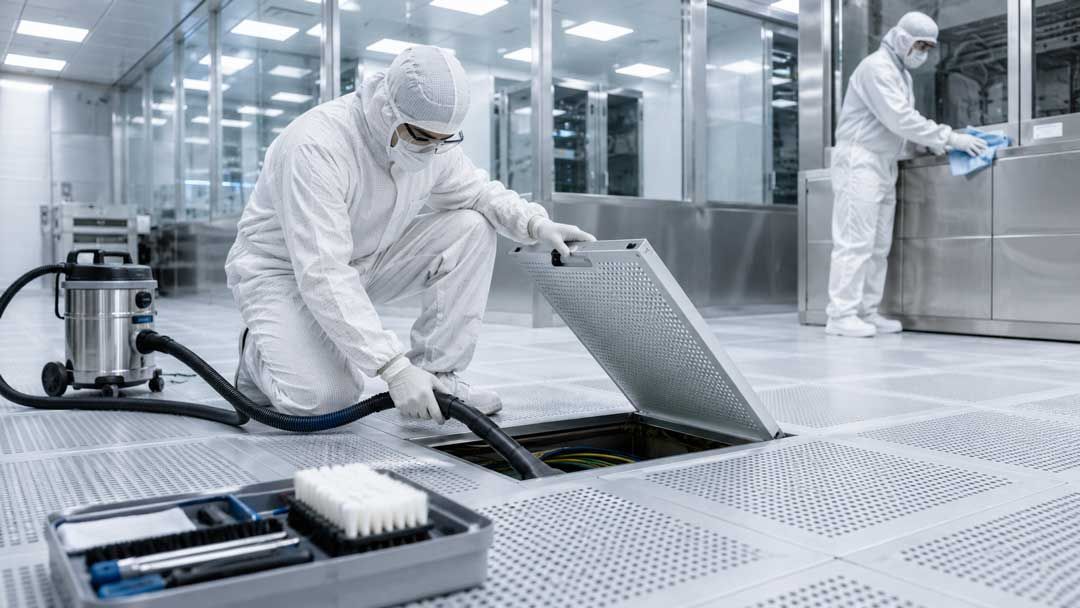
Strict cleaning standards protect mission-critical facilities throughout the Southeast from operational disruptions, contamination risks, and compliance failures. Facilities across Georgia, the Carolinas, Alabama, Tennessee, and Florida operate under a complex framework of federal, state, and industry regulations that influence every aspect of cleaning, documentation, and environmental control.
High temperatures, elevated humidity, and seasonal weather events increase the risk of contamination, moisture intrusion, and mold development in sensitive environments such as healthcare facilities, laboratories, pharmaceutical operations, and data centers. As a result, organizations increasingly rely on documented environmental control programs supported by trained personnel and audit-ready processes.
Digital reporting systems, environmental monitoring, and structured quality-control programs help identify potential issues before they affect compliance or operational continuity. Cleanstar National Inc supports these objectives through a self-performing workforce with zero outsourcing, ensuring direct accountability and consistent execution across regulated environments.
Understanding the regulatory framework governing critical environment cleaning in Atlanta and throughout the Southeast is the first step toward maintaining compliance, reducing risk, and supporting long-term facility performance.
Key Regulations for Southeast Facilities
Mission-critical facilities throughout the Southeast operate under multiple regulatory frameworks designed to support safety, environmental control, and operational reliability. EPA and OSHA standards establish requirements for chemical handling, workplace safety, hazard communication, and environmental protection across a wide range of facility types.
State and local authorities may also require periodic inspections and documentation reviews to verify compliance with applicable regulations. In highly controlled environments, ISO 14644 provides internationally recognized standards for airborne particulate control and environmental cleanliness.
Good Manufacturing Practice (GMP) requirements apply across pharmaceutical, biotechnology, and healthcare sectors, requiring documented cleaning procedures, validation processes, and ongoing quality assurance measures. Regulatory inspections often focus on documentation accuracy, employee training, environmental monitoring, and adherence to established protocols.
Organizations operating in healthcare, pharmaceutical manufacturing, and data center cleaning environments frequently maintain comprehensive audit programs to demonstrate compliance and support operational continuity.
The growing concentration of healthcare systems, laboratories, and technology infrastructure has increased the importance of
critical environment cleaning in Atlanta as facilities work to meet evolving regulatory expectations.
Atlanta’s Unique Compliance Challenges
Atlanta presents a unique compliance landscape due to its rapid growth in healthcare, technology, logistics, and research sectors.
- Complex Regulatory Requirements: Facilities often operate under overlapping EPA, OSHA, ISO 14644, and GMP requirements, creating the need for highly structured cleaning programs and documentation systems.
- Rapid Infrastructure Expansion: Continued growth in healthcare campuses, laboratory facilities, and technology infrastructure increases the importance of contamination control and environmental monitoring.
- Diverse Facility Types: Data centers, pharmaceutical operations, healthcare facilities, higher education laboratories, and manufacturing environments each require specialized cleaning protocols and compliance frameworks.
- Multi-Site Operational Oversight: Organizations managing multiple facilities require standardized reporting, documentation, and quality-control procedures across all locations.
- Workforce Qualification Requirements: Growing demand for specialized cleaning services places increased emphasis on trained personnel capable of operating within regulated environments while maintaining strict documentation standards.
Humidity and Mold Control Best Practices
Humidity management remains one of the most important aspects of compliance throughout the Southeast. Elevated moisture levels can contribute to mold growth, contamination concerns, and deterioration of sensitive infrastructure.
- Monitor Humidity and Airflow: Indoor humidity should be routinely monitored and documented in accordance with CDC and EPA recommendations. Proper HVAC performance and airflow management help minimize moisture accumulation.
- Address Water Intrusion Promptly: Roof leaks, plumbing issues, and water infiltration events should be corrected quickly to reduce the potential for mold development and environmental contamination.
- Implement Staff Training Programs: Personnel should receive training on moisture management, mold identification, containment procedures, and proper documentation practices.
- Maintain Environmental Records: Inspection reports, remediation activities, and corrective actions should be documented to support audit readiness and compliance verification.
Trained Staff Protocols for Success
Qualified personnel form the foundation of successful critical environment cleaning programs. Technical expertise, regulatory knowledge, and ongoing training are essential for maintaining compliance within sensitive facilities.
Training programs often include instruction related to EPA, OSHA, ISO 14644, GMP, IICRC, and IJCSA standards. Personnel working within mission-critical environments must understand contamination pathways, airflow management, surface compatibility requirements, and cross-contamination prevention strategies.
Regular training updates help ensure teams remain informed about evolving regulations, emerging risks, and facility-specific requirements. Documentation of training activities also supports audit readiness and demonstrates organizational commitment to compliance.
Cleanstar National Inc maintains a workforce of more than 700 E-Verified professionals operating under documented procedures designed to support consistent performance across regulated environments.
Routine Inspection and Reporting Standards
Routine inspection and reporting programs serve as the foundation of compliance management throughout critical facilities. These programs rely on scheduled inspections, documented records, and structured communication processes that support operational continuity.
Inspections conducted under ISO 14644 principles often include evaluations of airborne particulates, airflow performance, environmental conditions, surface cleanliness, and facility infrastructure. Visual inspections help identify potential concerns before they develop into operational risks.
Detailed records should be maintained for environmental testing, equipment calibration, corrective actions, employee training, and maintenance activities. These records provide essential evidence during regulatory reviews and third-party audits.
Reporting procedures should establish clear pathways for documenting findings, communicating deficiencies, and tracking corrective actions. Consistent reporting helps facilities maintain accountability while supporting ongoing compliance initiatives.
Choosing Certified Cleaning Partners
Selecting a qualified cleaning partner plays a critical role in maintaining compliance across regulated environments.
- Specialized Critical Environment Experience: Providers should demonstrate experience supporting healthcare facilities, laboratories, pharmaceutical operations, and data center cleaning environments.
- Documented Training Programs: Personnel should receive ongoing education related to contamination control, disinfectant usage, PPE requirements, and regulatory compliance.
- Scalable Operational Support: Providers should maintain sufficient staffing resources to support routine operations, emergency response activities, and large-scale projects.
- Self-Performing Workforce Structure: Organizations should evaluate whether services are delivered through direct employees or outsourced subcontractors. A self-performing workforce supports stronger accountability and quality control.
- Relevant Certifications and Qualifications: Experience operating under OSHA, IICRC, IJCSA, ISO 14644, GMP, and Red Cross protocols demonstrates a commitment to regulatory compliance and operational excellence.
Organizations evaluating Commercial cleaning services, Janitorial services, or Post-construction cleaning Atlanta providers should prioritize documentation capabilities, workforce qualifications, and experience within regulated environments.
Critical environment cleaning remains an essential operational requirement throughout the Southeast United States. Data centers, healthcare facilities, laboratories, pharmaceutical operations, and other regulated environments depend on documented cleaning programs to support compliance, environmental control, and operational continuity.
Cleanstar National Inc delivers critical environment cleaning through a founder-led organization established in 1995, supported by more than 700 E-Verified professionals and a self-performing workforce with zero outsourcing. Teams operate under OSHA, EPA, ISO 14644, GMP, IICRC, IJCSA, and Red Cross protocols to support consistent performance across regulated facilities.
From routine environmental maintenance to specialized data center cleaning and post-construction cleaning on Atlanta projects, every service is structured around compliance, risk reduction, and accountability.
Detailed reporting, documented quality-control processes, environmental monitoring, and audit-ready procedures help organizations maintain confidence in their facility operations. This approach supports healthcare systems, laboratories, manufacturing operations, educational institutions, and technology infrastructure throughout the Southeast.
That is why we Clean Business™, not just surfaces.
Cleanstar National: Expert B2B Cleaning Solutions for Atlanta's Critical Industries