
Peak Data Center Cleanliness: Protecting Uptime Across the Southeast US
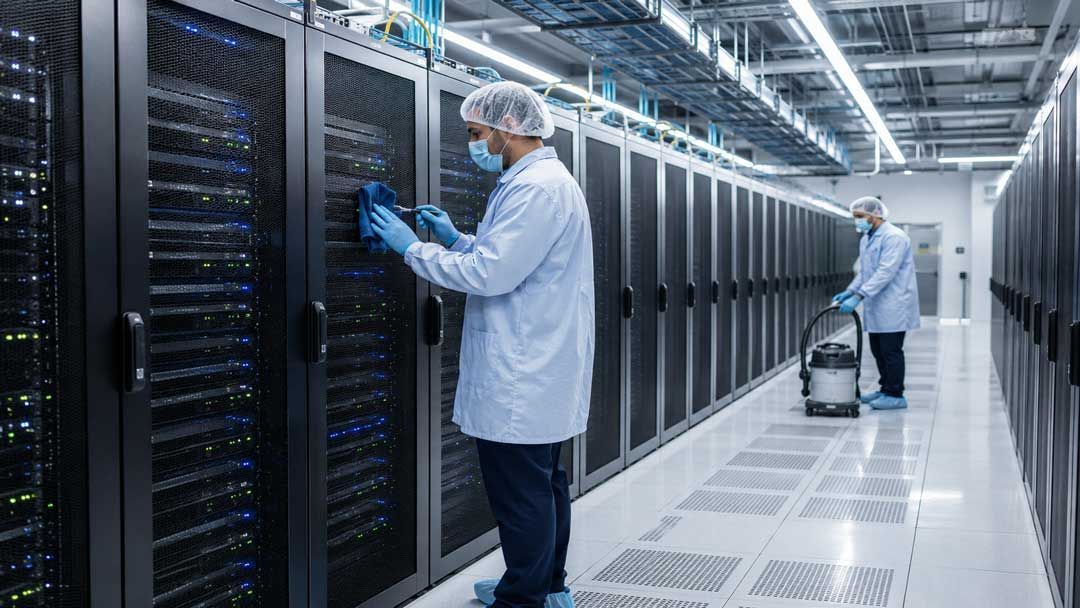
Maintaining uptime remains a primary objective for data center operators throughout Georgia, Alabama, Florida, Tennessee, the Carolinas, and the broader Southeast region. Many operational disruptions can be traced to environmental factors such as airborne particulates, inadequate filtration, uncontrolled humidity, and contamination within critical infrastructure spaces.
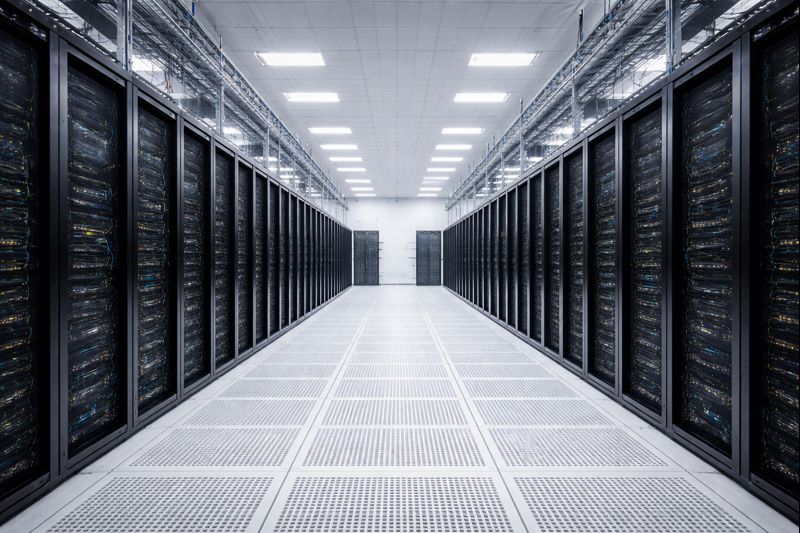
Even small amounts of dust accumulation on sensitive hardware can affect airflow, cooling performance, and equipment reliability. Protecting mission-critical environments requires more than routine cleaning activities. It requires documented procedures, environmental monitoring, trained personnel, and compliance-focused maintenance programs designed to support long-term operational continuity.
Industry standards such as ISO 14644 provide recognized frameworks for environmental cleanliness and contamination control. These standards help facilities establish measurable benchmarks for maintaining sensitive environments where uptime and equipment performance are essential.
Throughout the Southeast, environmental conditions such as elevated humidity, seasonal pollen, construction activity, and airborne contaminants create additional challenges for facility operators. Addressing these challenges requires structured cleaning programs supported by qualified personnel and documented quality-control processes.
As a result, maintaining peak reliability begins with understanding how
critical environment cleaning in Atlanta and throughout the Southeast supports uptime, compliance, and infrastructure protection.
Top Cleanroom Standards for Atlanta Data Centers
Maintaining cleanliness within data centers requires more than surface-level cleaning. Environmental control programs often rely on established standards that support contamination prevention and equipment protection.
ISO 14644 provides internationally recognized guidance for airborne particulate control and environmental cleanliness. In data center environments, contamination can affect cooling efficiency, airflow pathways, and hardware performance.
Particulates that accumulate on fans, power distribution units, heat sinks, and cooling equipment may contribute to thermal stress and reduced system efficiency. Environmental monitoring programs frequently include particle counting, airflow assessments, and cleanliness verification procedures to support operational goals.
Pre-cleaning and post-cleaning environmental measurements help facilities evaluate the effectiveness of contamination-control efforts and maintain consistency across mission-critical environments.
Cleanstar National Inc supports these objectives through structured data center cleaning programs aligned with recognized industry standards and best practices.
Combatting Dust and Debris in Server Rooms
Dust management remains a critical component of uptime protection across Southeast data centers.
- High-Efficiency Filtration: Proper filtration systems help reduce airborne particulate migration throughout data halls, support spaces, and raised-floor environments.
- HEPA-Filtered Cleaning Systems: HEPA-filtered vacuums capture fine particles without redistributing contaminants into controlled environments.
- ESD-Safe Equipment: Anti-static tools and ESD-safe cleaning methods help protect sensitive electronic infrastructure during maintenance activities.
- Zone-Based Cleaning Programs: Structured cleaning schedules divide facilities into operational zones, allowing maintenance activities to occur while minimizing disruption to active systems.
- Raised Floor and Plenum Cleaning: Cleaning beneath raised floors and within plenum spaces helps remove contaminants that may affect airflow and cooling performance.
These practices support contamination control while helping facilities maintain operational stability.
Humidity Control Strategies for Southeastern Facilities
Humidity management plays a significant role in protecting sensitive electronic equipment throughout the Southeast.
Environmental conditions in the region often create challenges related to moisture control, condensation risks, and airborne contamination. Industry guidance commonly recommends maintaining relative humidity within ranges that support both equipment protection and static-control objectives.
Continuous environmental monitoring systems help facility teams identify humidity fluctuations before conditions affect critical infrastructure. Digital sensors, integrated building management systems, and environmental alarms support proactive responses to changing conditions.
Dehumidification systems, humidity-control equipment, and properly maintained HVAC infrastructure contribute to environmental stability. Consistent humidity control also supports contamination prevention by reducing the potential for moisture-related particulate adhesion.
Documented monitoring and environmental reporting further support compliance initiatives and operational continuity objectives.
Best Practices for Regular Equipment Cleaning
Regular equipment cleaning helps support reliability, airflow efficiency, and environmental control throughout mission-critical facilities.
Cleaning programs should incorporate documented schedules, approved cleaning materials, and procedures designed specifically for electronic environments. HEPA-filtered equipment and ESD-safe methodologies help prevent contamination while protecting sensitive infrastructure.
Critical focus areas often include:
- Server Cabinets and Racks: Removal of particulate buildup from accessible surfaces and ventilation pathways.
- Raised Floor Systems: Cleaning beneath access flooring to support airflow and contamination control.
- Hot and Cold Aisle Management Areas: Removal of debris that may affect cooling performance.
- Cable Pathways and Infrastructure Supports: Inspection and cleaning of areas prone to particulate accumulation.
- Mechanical and Electrical Support Systems: Maintenance of environmental support infrastructure that contributes to uptime objectives.
Documented cleaning records provide additional support for compliance reviews, audits, and quality-control programs.
Managing Air Quality for Continuous Uptime
Air quality management remains one of the most important components of data center environmental control.
- Advanced Filtration Systems: High-performance filtration systems help reduce airborne contaminants and support clean operating environments.
- Environmental Monitoring: Continuous monitoring of temperature, humidity, and airborne particulates provides visibility into changing facility conditions.
- Scheduled Critical Environment Cleaning: Routine cleaning of raised floors, overhead spaces, and support infrastructure helps prevent contamination buildup.
- HVAC Maintenance Programs: Regular inspection and maintenance of HVAC systems support airflow consistency and environmental stability.
- Airflow Optimization: Monitoring pressure relationships and airflow pathways helps maintain effective cooling throughout critical environments.
Together, these measures support operational continuity and equipment protection.
Access Control to Prevent Contamination
Physical access controls contribute significantly to contamination prevention efforts within data centers.
- Authorized Personnel Management: Access is limited to approved personnel with documented authorization.
- Controlled Entry Procedures: Security vestibules, access control systems, and visitor-management protocols help reduce contamination risks.
- Temporary Access Management: Contractors and service personnel receive controlled access based on operational requirements.
- Documentation and Tracking: Entry logs provide accountability and support audit-readiness initiatives.
Limiting unnecessary traffic within controlled environments helps reduce the introduction of airborne particulates and external contaminants.
Rapid Response Plans for Accidental Spills
Unexpected incidents require structured response procedures to protect sensitive infrastructure.
Effective spill response plans generally include:
- Immediate Area Isolation: Limiting contamination spread and protecting nearby equipment.
- Environmental Containment Measures: Preventing migration of liquids or contaminants into adjacent systems.
- ESD-Safe Cleanup Procedures: Using approved materials and methods suitable for electronic environments.
- Incident Documentation: Recording response activities to support compliance and quality-control objectives.
- Post-Incident Verification: Confirming environmental conditions have returned to acceptable operating levels.
Written response procedures help facilities respond consistently while supporting uptime and operational resilience.
Compliance and Documentation Requirements
Maintaining cleanliness in mission-critical facilities extends beyond physical cleaning activities. Documentation and compliance management play an equally important role.
Data center operators often maintain records related to environmental monitoring, cleaning schedules, particulate counts, corrective actions, and employee training. These records support regulatory reviews, customer audits, and internal quality-assurance programs.
Documentation also helps demonstrate adherence to established procedures and provides historical data that supports continuous improvement initiatives.
Facilities operating under strict compliance frameworks benefit from detailed reporting systems that provide visibility into environmental performance and maintenance activities.
Supporting Data Center Operations Across the Southeast
Maintaining peak data center cleanliness supports uptime, environmental control, and infrastructure protection throughout the Southeast United States. Contamination management, humidity control, filtration performance, and documented cleaning procedures all contribute to operational reliability.
Cleanstar National Inc delivers critical environment cleaning services through a founder-led organization established in 1995. With more than 700 E-Verified professionals and a self-performing workforce with zero outsourcing, the company supports mission-critical facilities throughout the Southeast.
Teams operate under OSHA, IICRC, IJCSA, EPA, ISO 14644, and Red Cross protocols while maintaining 24/7 readiness for sensitive environments. Services support healthcare facilities, laboratories, manufacturing operations, cleanrooms, and data center cleaning projects requiring documented compliance and environmental control.
Organizations evaluating Commercial cleaning services, Janitorial services, or Post-construction cleaning Atlanta providers often prioritize workforce accountability, compliance expertise, and operational consistency. Cleanstar’s self-performing model provides direct oversight and quality control across every project.
Through structured contamination-control programs, environmental monitoring, HEPA-filtered cleaning methodologies, ESD-safe procedures, and audit-ready documentation, Cleanstar National Inc helps facilities maintain operational continuity while supporting long-term infrastructure performance.
That is why we Clean Business™, not just surfaces.
Cleanstar National: Expert B2B Cleaning Solutions for Atlanta's Critical Industries