Critical Environment Cleaning Best Practices for Atlanta Data Centers
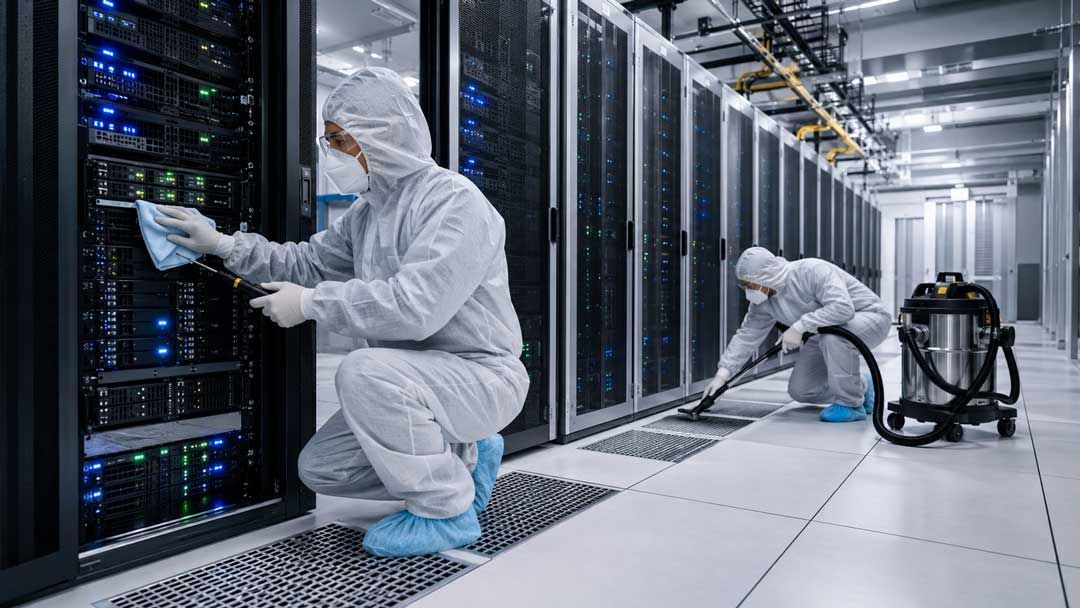
Maintaining data center uptime depends on strict cleaning standards. Every factor in Atlanta’s dense commercial districts, including seasonal pollen levels and elevated humidity, increases contamination risks within mission-critical facilities. High personnel traffic through server halls, support spaces, and equipment areas introduces additional airborne particulates and debris that can affect operational performance.
As a result, facilities require documented cleaning procedures to protect equipment from contaminants that may obstruct airflow, interfere with cooling performance, or affect sensitive electronic components.
Critical environment cleaning in Atlanta focuses on contamination control within raised floor systems, electrostatic discharge prevention, environmental monitoring, and filtration management to support uptime and regulatory compliance.
Organizations that follow structured cleaning programs can reduce contamination events while supporting requirements associated with EPA guidance, OSHA protocols, and ISO 14644 environmental standards. In addition, prioritizing HEPA filtration, environmental controls, and documented quality assurance procedures helps strengthen operational reliability across Metro Atlanta data centers.
Prioritizing HEPA Filtration for Air Quality
HEPA filtration remains a core component of air-quality management within modern data centers. Environmental contaminants, including dust, pollen, fibers, and airborne particulates, can accumulate throughout critical spaces and affect equipment performance if not properly controlled.
Research and industry studies continue to highlight the growing importance of environmental management as data center infrastructure expands worldwide. Airborne contamination can contribute to cooling inefficiencies, increased equipment strain, and reduced operational reliability when left unmanaged.
HEPA filtration systems are designed to capture 99.97% of airborne particles measuring 0.3 microns in size, helping support contamination-control objectives within mission-critical environments. These systems work alongside HVAC infrastructure to reduce airborne particulate concentrations and support environmental cleanliness.
Atlanta’s climate presents additional challenges due to elevated humidity levels and seasonal pollen activity. Effective filtration programs help maintain cleaner operating environments while supporting cooling-system performance and environmental stability.
A comprehensive critical environment cleaning program that incorporates HEPA filtration, environmental monitoring, and contamination-control procedures strengthens operational resilience across data center facilities.
Routine Cleaning Schedules for High Traffic Zones
High-traffic zones within Atlanta data centers require targeted cleaning schedules to reduce contamination risks and support uninterrupted operations. Structured maintenance programs help control particulate accumulation in areas that experience frequent personnel movement.
- Daily Access Route Cleaning: Entry points, primary access pathways, and frequently traveled corridors require routine cleaning and debris inspections to reduce contaminant migration into critical spaces.
- Server Aisle Monitoring: Server aisles benefit from scheduled environmental inspections and contamination-control procedures that help maintain cleanliness standards.
- Documented Service Records: Time-stamped service documentation supports accountability, audit readiness, and quality-control verification.
- Enhanced High-Traffic Protocols: Badge-access zones, loading areas, and frequently accessed support spaces often require increased inspection frequency to support contamination-control objectives.
Routine schedules help facilities maintain environmental consistency while supporting compliance-focused operational standards.
Choosing Atlanta-Based Certified Cleaning Teams
Selecting certified cleaning teams in Metro Atlanta helps support regulatory compliance, operational continuity, and contamination-control objectives. Several factors distinguish qualified providers within mission-critical environments.
- Industry Certifications: Teams trained under OSHA, IICRC, IJCSA, and applicable industry standards support documented compliance requirements.
- E-Verified Workforce: Employment verification procedures contribute to security and accountability within sensitive environments.
- Regional Experience: Familiarity with Atlanta’s climate conditions, including humidity, pollen, and severe weather patterns, supports effective contamination-control planning.
- Audit Support Capabilities: Teams experienced in compliance reviews, turnover preparation, and environmental documentation can support facility audit readiness.
Cleanstar National Inc operates through a self-performing workforce of more than 700 E-Verified professionals with zero outsourcing. Founded in 1995, the company supports mission-critical facilities throughout Georgia, Alabama, Florida, South Carolina, North Carolina, and Tennessee.
Special Precautions for Raised Floor Spaces
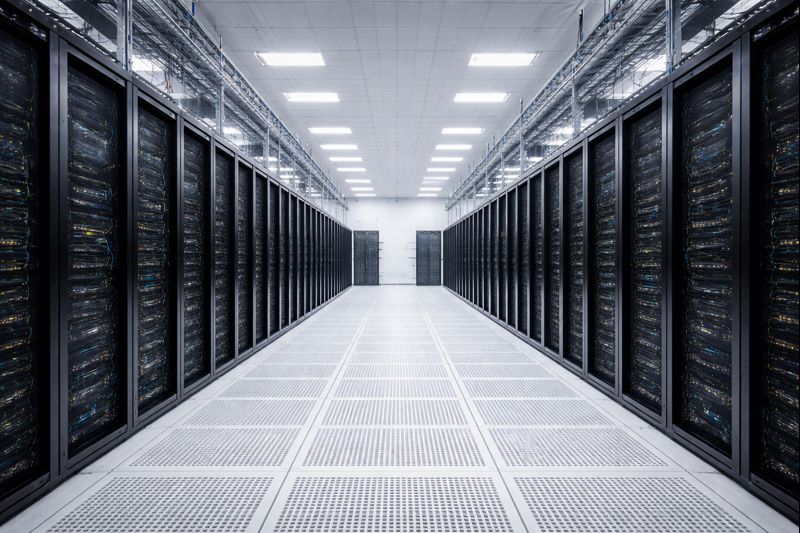
Raised floor environments require specialized cleaning procedures because these spaces support critical airflow management, cable infrastructure, and cooling-system performance.
Contamination entering subfloor areas can affect airflow distribution and increase operational risks. For this reason, cleaning activities must follow documented procedures designed to protect environmental controls and sensitive infrastructure.
Certified personnel use specialized equipment and contamination-control methods when accessing floor panels, underfloor spaces, and equipment-support systems. Procedures are structured to minimize disruption to airflow patterns while supporting environmental cleanliness objectives.
HEPA-filtered vacuums, ESD-safe tools, and approved cleaning materials help reduce contamination risks throughout raised-floor environments. Environmental monitoring may also be used to verify cleanliness levels before, during, and after cleaning activities.
Structured oversight, documented procedures, and trained personnel help support compliance and contamination-control requirements within these critical spaces.
Minimizing Static and Dust Accumulation
Electrostatic discharge and airborne particulate accumulation remain significant concerns within data center environments. Effective contamination-control strategies address both issues through coordinated environmental management practices.
- Filtration Management: Properly maintained filtration systems help reduce airborne particulate concentrations throughout critical environments.
- Comprehensive Cleaning Procedures: Data center cleaning programs target visible contaminants as well as fine particulates that may accumulate within equipment areas and airflow pathways.
- Electrostatic Discharge Control: ESD-safe equipment, procedures, and environmental controls help reduce electrostatic discharge risks near sensitive electronics.
- Airflow Optimization: Rack containment systems, blanking panels, cable management, and airflow controls help reduce particulate accumulation and support cooling efficiency.
These practices support equipment reliability, contamination control, and operational continuity.
Emergency Response Plans for Spills and Contaminants
Emergency response planning remains an important component of contamination-control programs within data centers. Chemical releases, environmental contamination events, and accidental spills require documented response procedures.
Organizations benefit from clearly defined protocols covering containment, isolation, reporting, cleanup, and environmental verification activities. These procedures help support operational continuity while reducing contamination risks.
Training programs aligned with OSHA, IICRC, and Red Cross protocols help prepare personnel for emergency-response situations. Spill-response kits, environmental controls, and communication procedures support effective incident management.
Documented response plans also support regulatory compliance, audit readiness, and facility risk-management objectives. Annual drills, procedural reviews, and continuous training help maintain organizational preparedness.
Throughout every response activity, contamination control, personnel safety, and operational continuity remain primary objectives.
Precision, accountability, and documented procedures support the environmental standards required within Metro Atlanta data centers. Critical environment cleaning helps reduce contamination risks while supporting uptime, compliance, and operational continuity.
Cleanstar National Inc delivers critical environment cleaning, data center cleaning, Commercial cleaning services Atlanta organizations depend on, Janitorial services Atlanta facilities require, and Post-construction cleaning Atlanta projects need through a founder-led organization established in 1995.
Using a self-performing workforce of more than 700 E-Verified professionals and a zero-outsourcing model, the company supports mission-critical environments across the Southeast through protocols aligned with OSHA, IICRC, IJCSA, EPA, ISO 14644, and Red Cross standards.
Every project includes documented quality-control procedures, environmental monitoring, audit-ready reporting, and contamination-control measures designed to support facility objectives.
Organizations operating critical infrastructure require more than a cleaning vendor. They require a risk-mitigation partner capable of supporting compliance requirements, uptime goals, and environmental performance standards.
Through specialized training, HEPA-filtered cleaning systems, environmental controls, emergency-response readiness, and compliance-focused procedures, Cleanstar National Inc helps Metro Atlanta data centers maintain the conditions necessary for long-term operational success.
Cleanstar National: Expert B2B Cleaning Solutions for Atlanta's Critical Industries