Critical Environment Cleaning Standards in Atlanta Facilities
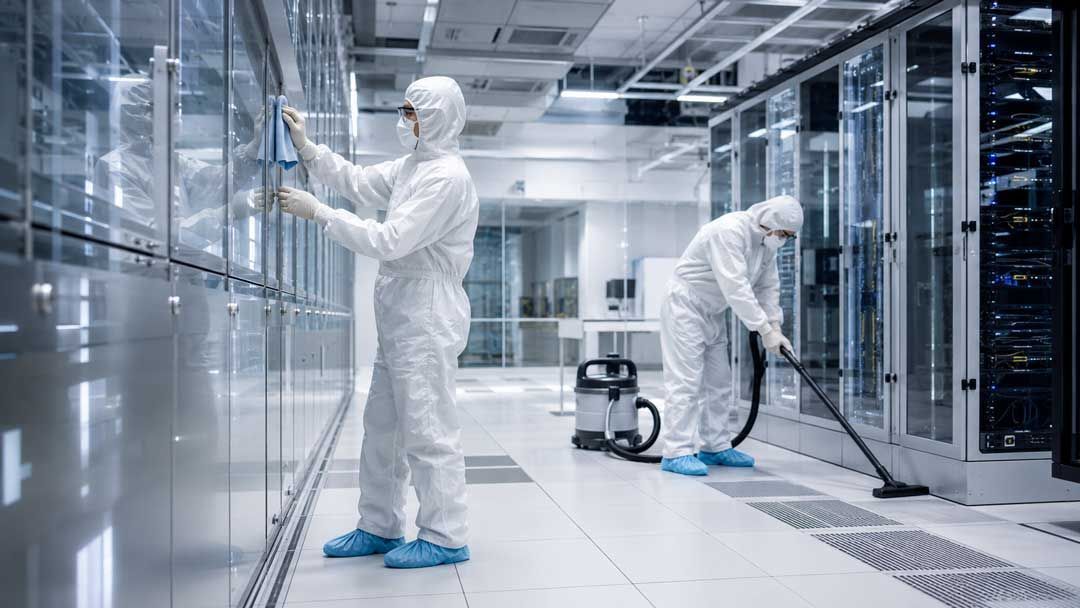
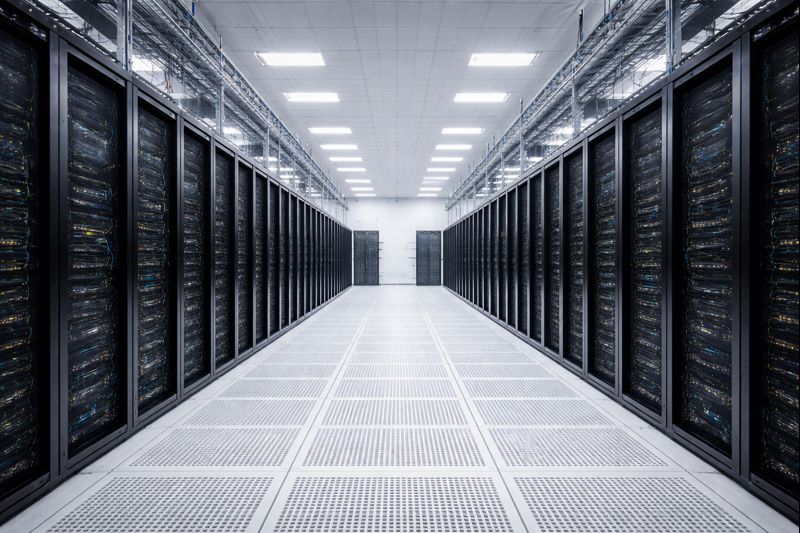
Every Atlanta facility that supports essential operations has its own cleaning requirements. High-risk environments such as data centers, hospitals, cleanrooms, laboratories, and industrial facilities require documented procedures to maintain safety, uptime, and regulatory readiness.
These environments face risks that standard cleaning procedures cannot address. Airborne particulates, microbial contamination, chemical residue, static discharge, and moisture can affect sensitive equipment, controlled spaces, and operational continuity. In mission-critical facilities, small lapses can affect compliance status, equipment reliability, and daily operations.
Cleanstar National Inc supports these environments through structured
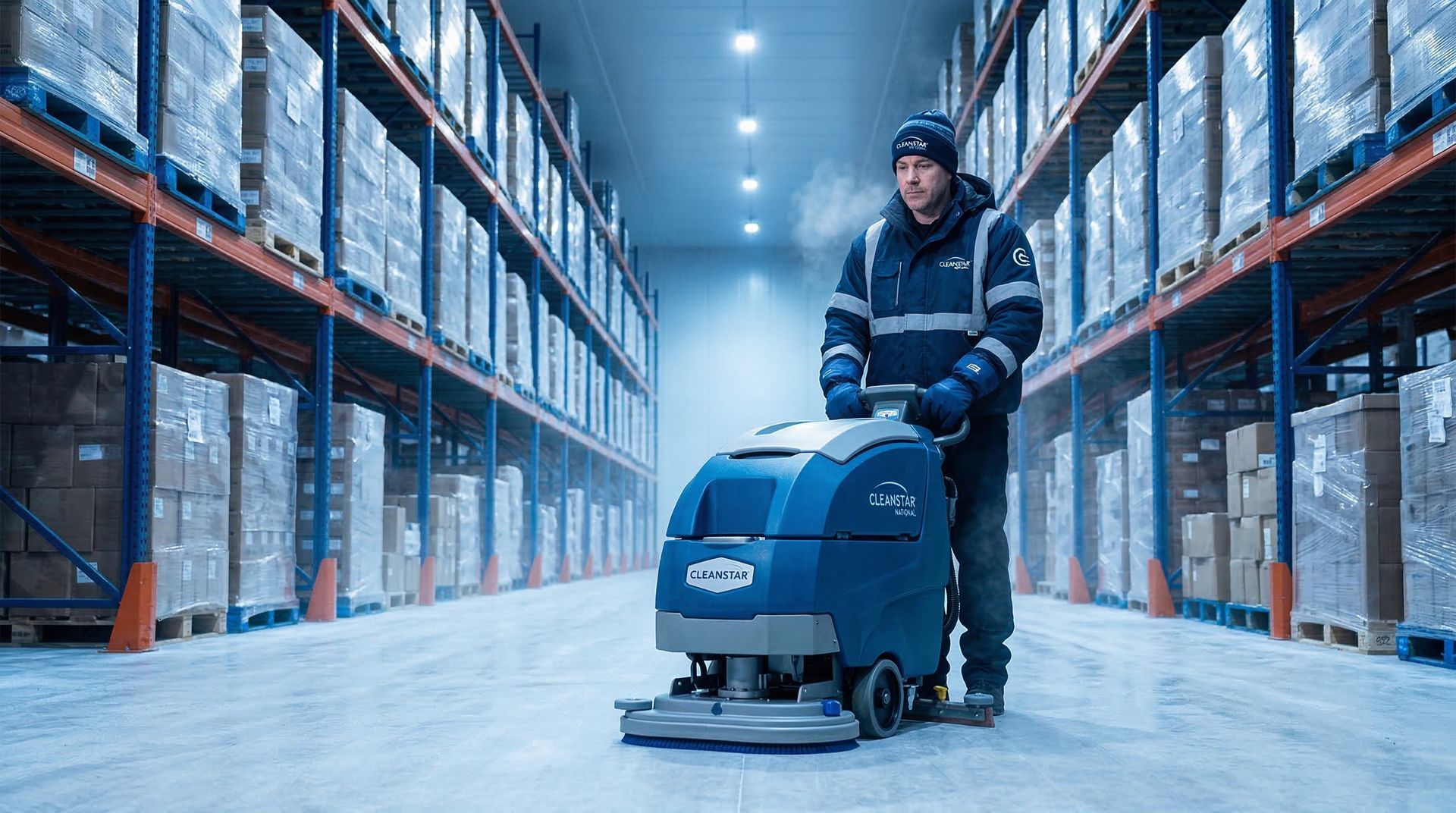
critical environment cleaning in Atlanta designed for regulated and high-risk facilities. Our teams use HEPA-filtered equipment, EPA-registered products, documented procedures, and digital audit trails to support compliance and operational accountability.
We work with facility managers, compliance teams, data center operators, healthcare administrators, and asset managers to align cleaning procedures with site-specific operational risks. As compliance expectations continue to evolve, Atlanta facilities need cleaning standards built around precision, documentation, and risk control.
Key Compliance Guidelines for Atlanta Facilities
Federal, state, and facility-specific requirements shape cleaning standards for critical environments in Atlanta. These standards address air quality, chemical use, worker safety, equipment protection, and documentation.
Facilities must maintain clear procedures for cleaning frequency, approved products, access control, personal protective equipment, and service verification. In regulated spaces, cleaning cannot rely on visual inspection alone. Documentation must show what was cleaned, when it was completed, which products were used, and who performed the work.
Cleanstar National Inc follows OSHA, EPA, ISO 14644, GMP, IICRC, IJCSA, Red Cross, and AIO-aligned protocols to support facility compliance. Our certified teams deliver critical environment cleaning in Atlanta with audit-ready reporting and controlled execution.
Essential Protocols for Sensitive Areas
Strict protocols for sensitive areas are the foundation of effective critical environment cleaning.
- High-Touch Surface Prioritization: High-contact areas such as access panels, controls, handles, equipment surfaces, and shared workstations require documented cleaning procedures to reduce cross-contamination risk.
- EPA-Registered Disinfection with Documented Schedules: Approved disinfectants must be applied according to label instructions, dwell times, and site-specific requirements to support consistent results.
- Cross-Contamination Prevention: Color-coded materials, controlled tool usage, and zone-specific procedures help prevent contaminants from moving between sensitive areas.
- HEPA-Filtered Cleaning Methods: HEPA-filtered equipment supports particulate control in environments where airborne dust can affect operations, equipment reliability, or compliance.
Atlanta-Specific Disinfection Best Practices
Atlanta facilities face local environmental factors, including humidity, pollen, storm activity, and construction-related dust. Disinfection and cleaning plans must account for these risks.
- Seasonal Scheduling for High-Use Facilities: Facilities may require adjusted cleaning frequencies during periods of elevated pollen, humidity, or storm-related activity.
- EPA-Registered Product Use: Cleaning programs should rely on EPA-registered disinfectants selected according to facility needs, surface compatibility, and operational risk.
- Training Aligned with OSHA and Facility Requirements: Cleaning teams must understand chemical safety, PPE requirements, controlled-access procedures, and site-specific risks.
- Two-Step Cleaning and Disinfection: Sensitive areas often require debris removal before disinfection to support proper product performance.
- Thorough Documentation of Cleaning Events: Digital logs, checklists, and service records support real-time verification and audit preparation.
Approved Cleaning Agents for Critical Zones
Selecting cleaning agents for critical zones requires attention to compliance, safety, surface compatibility, and residue control.
- EPA-Registered Disinfectants: Disinfectants should be selected based on EPA registration, approved use cases, dwell times, and site-specific risk requirements.
- HEPA-Compatible Surface Cleaners: Surface cleaners must support particulate control without affecting filtration systems, sensitive equipment, or controlled environments.
- Non-Corrosive, Low-VOC Formulations: Low-residue and low-VOC products help protect sensitive hardware, cleanroom surfaces, healthcare areas, and industrial systems.
- Material-Specific Product Selection: Data centers, laboratories, and healthcare facilities require products that do not damage metals, plastics, seals, flooring, or specialty coatings.
Staff Training for Specialized Cleaning
Staff working in Atlanta’s critical environments need more than general cleaning knowledge. They need training in controlled environment procedures, chemical handling, safety requirements, and documentation standards.
- OSHA and Hazard Communication: Workers handling cleaning chemicals must understand PPE use, Safety Data Sheets, labeling, storage, and exposure controls.
- Chemical Handling and Storage: Staff must know how to dilute, apply, store, and transport products safely within sensitive environments.
- Protocols for Sensitive Environments: Teams must understand ISO, HEPA, GMP, ESD, and access-control expectations when working in data centers, cleanrooms, healthcare spaces, and laboratories.
- Documentation Discipline: Trained personnel must record service steps accurately to support compliance reviews and internal audits.
Cleanstar National Inc uses a self-performing workforce with zero outsourcing. This model supports consistent execution, direct accountability, and stronger quality control across every critical environment cleaning project.
Monitoring Air Quality and Surface Safety
Ongoing monitoring supports the effectiveness of critical environment cleaning. Air quality and surface safety checks help identify hidden risks before they affect compliance or operations.
- Air Quality Monitoring: Particle counts, humidity readings, and environmental checks help facilities detect changes that could affect sensitive spaces.
- Surface Testing Support: Swab testing, ATP testing, and site-specific verification methods can help confirm that cleaning procedures are working as intended.
- Actionable Risk Data: Documented monitoring results allow facility teams to adjust cleaning frequency, improve protocols, and respond to changing risk conditions.
- Audit-Ready Records: Environmental readings and service logs create a traceable record for compliance teams, asset managers, and facility leadership.
Emergency Response Cleaning Procedures
Emergency response cleaning requires clear action plans, trained personnel, and documented procedures. Critical environments may face contamination events, chemical spills, storm-related intrusion, construction dust, or biohazard concerns.
Cleanstar National Inc uses site-specific response plans supported by EPA-registered products, appropriate PPE, controlled access, and OSHA-aligned safety procedures. Each response is documented to support compliance and post-incident review.
Response plans should identify affected zones, assign roles, define approved products, set containment steps, and document completion. In data centers and healthcare environments, response speed must be balanced with infrastructure protection and safety.
Our 24/7 readiness supports facilities that cannot afford prolonged disruption. Emergency cleaning is not treated as a temporary fix. It is managed as part of a broader risk mitigation process.
Supporting Atlanta Facilities with Critical Environment Cleaning
Maintaining strict cleaning standards in Atlanta facilities requires a partner with technical training, documented processes, and enterprise-scale capacity. Cleanstar National Inc. has been founder-led since 1995 and brings more than 30 years of experience supporting critical environments across Metro Atlanta and the Southeast.
Our teams support data center cleaning, healthcare facility cleaning, industrial cleaning, cleanroom cleaning, and complex facility support through certified protocols and documented execution. We also provide Commercial cleaning services, Janitorial services, and Post-construction cleaning programs for facilities that need contamination control across the full lifecycle of a site.
With more than 700 E-Verified professionals across six states, Cleanstar National Inc delivers scale without outsourcing. Every project is handled by our self-performing workforce, allowing tighter quality control, stronger accountability, and consistent execution.
Our methods align with EPA, ISO 14644, GMP, OSHA, IICRC, IJCSA, Red Cross, and AIO protocols. We use HEPA-filtered equipment, ESD-safe procedures, approved products, digital documentation, and supervisor-led quality reviews to support compliance and operational stability.
When uptime, compliance, safety, and brand integrity matter, critical environment cleaning becomes a core operational safeguard. Cleanstar National Inc helps Atlanta facilities reduce contamination risk, maintain audit readiness, and protect the environments where critical work happens every day.
Cleanstar National: Expert B2B Cleaning Solutions for Atlanta's Critical Industries