Contaminated Airflow Systems Jeopardize Operations
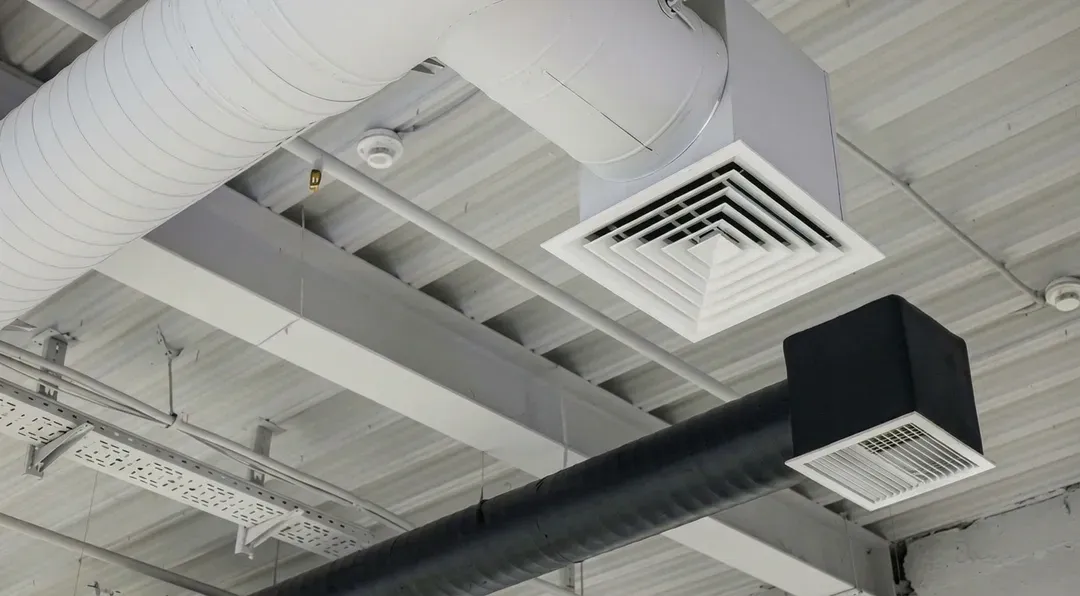
Airflow systems operate as the respiratory network of mission-critical facilities. When contamination infiltrates HVAC infrastructure, ducts, plenums, and controlled airspaces, operational performance declines in measurable ways. Airborne particulates, microbial growth, and chemical residues compromise system reliability across data centers, healthcare campuses, logistics hubs, and advanced manufacturing facilities.
Equipment degradation, increased energy demand, and regulatory exposure often trace back to neglected airflow maintenance. Federal health and safety research consistently links contaminated ventilation systems to respiratory complaints, elevated absenteeism, and reduced indoor air quality in commercial environments.
Even well-designed environmental programs require specialized oversight to maintain compliance with OSHA, ISO 14644, EPA, and GMP frameworks. Certified teams operating under mission-critical cleaning protocols provide the level of discipline required for regulated facilities.
Operational continuity depends on stable airflow. When air integrity declines, performance instability follows.
Contaminated Airflow Impacts Operational Efficiency
Contaminated ventilation systems create measurable inefficiencies within mission-critical operations. Critical environment cleaning in Atlanta addresses airflow integrity as a foundational component of infrastructure protection.
Research from national health and engineering institutions confirms that compromised HVAC performance increases energy consumption and reduces mechanical efficiency. Dust accumulation inside air handlers and ductwork restricts airflow and forces systems to operate beyond optimal load levels.
In sensitive environments, even minor airflow irregularities can disrupt cooling balance, increase equipment strain, and trigger performance alarms. Facility managers report rising maintenance costs when ventilation systems are not maintained to contamination-control standards.
Operational output also declines when environmental instability interferes with temperature control or pressurization zones. Minor airflow deviations can cascade into measurable productivity impact in laboratories, cleanrooms, and high-density computing facilities.
Airflow integrity is not peripheral to operations. It directly supports uptime, thermal stability, and predictable performance.
Health Risks from Polluted Air Systems
Contaminated airflow systems present both operational and workforce health risks within regulated environments.
Respiratory Exposure Risk: Airborne particulates, mold spores, and microbial contaminants correlate with increased respiratory irritation and absenteeism. Elevated particulate levels directly impact enclosed environments where personnel work extended shifts.
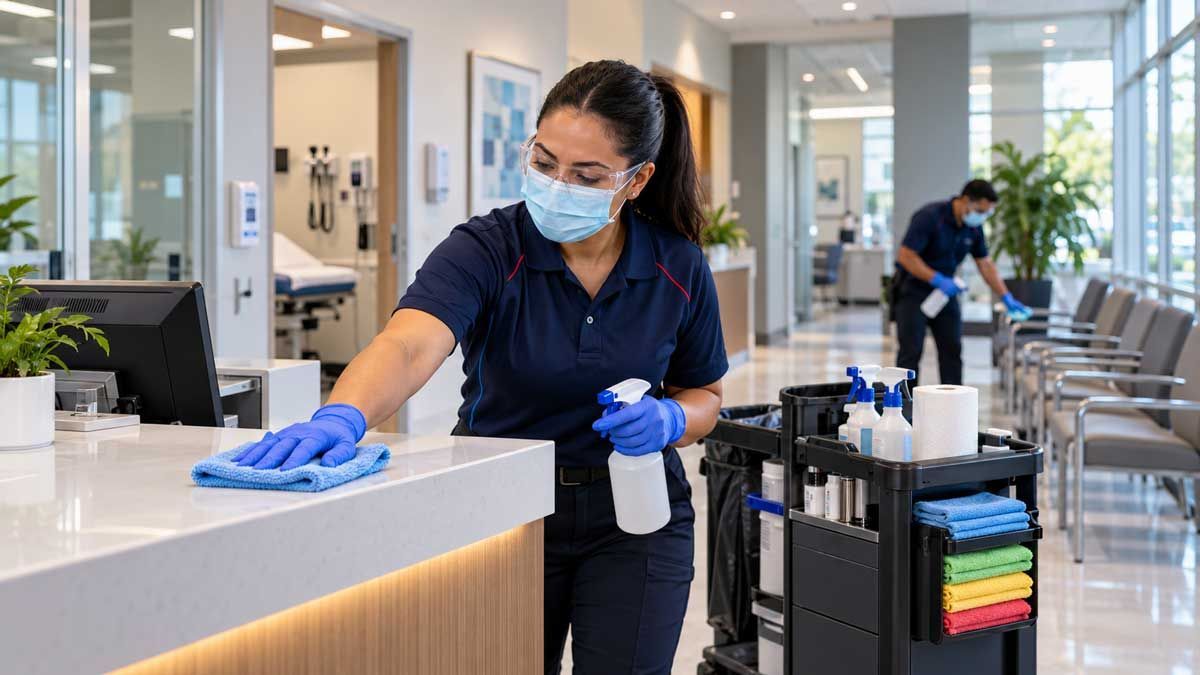
Allergen and Pathogen Distribution: Ventilation systems can distribute contaminants across multiple zones when filtration and duct hygiene are compromised. Healthcare and data environments require strict containment to prevent cross-zone contamination. In healthcare settings, medical cleaning services in Atlanta help support safer, controlled environments.
Cognitive Performance Impact: Studies from academic institutions demonstrate that poor indoor air quality reduces cognitive performance and decision accuracy. In high-stakes environments, even marginal declines in alertness create operational exposure.
Air quality stability protects both human performance and regulatory compliance.
Atlanta’s Critical Environment Cleaning Services
Aging or contaminated airflow systems require specialized intervention aligned with regulatory standards. Cleanstar National Inc provides structured environmental programs tailored to high-performance facilities across Metro Atlanta.
Advanced Particulate Removal: ISO-aligned procedures and HEPA filtration systems capture airborne contaminants before they compromise sensitive infrastructure.
Sensitive Equipment Protection: E-Verified technicians trained in ESD-safe procedures operate within live data center environments without disrupting workflow.
Regulatory Alignment: All services align with OSHA, EPA, ISO 14644, IICRC, and GMP frameworks to ensure documented compliance.
Proactive Risk Mitigation: Targeted contamination control addresses high-risk airflow zones, reducing particulate migration throughout facility infrastructure.
Sustainable Cleaning Protocols: Green Seal Certified methodologies reduce environmental impact while maintaining contamination thresholds required in mission-critical spaces.
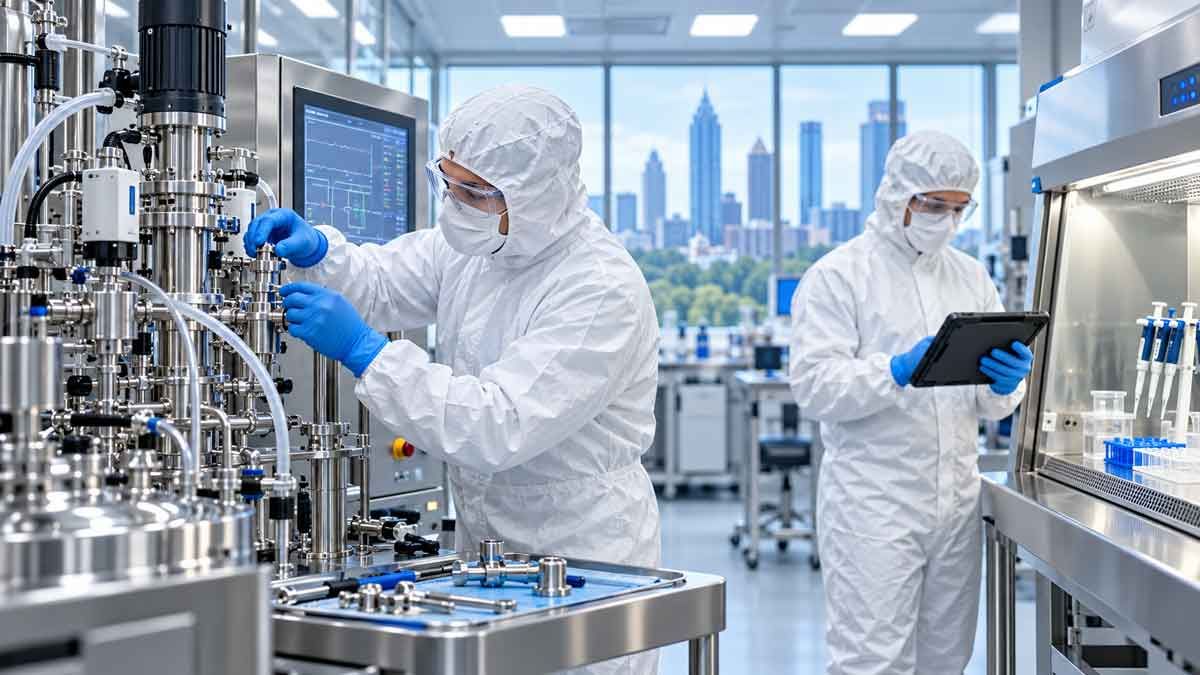
Environmental discipline requires specialized expertise and structured execution. In highly sensitive technical environments, cleanroom and data center cleaning services provide a stronger fit than general cleaning alone.
Ensuring Compliance with Air Quality Standards
Strict air quality management safeguards assets, workforce health, and brand integrity.
Continuous Monitoring and Documentation: Routine air sampling and documented reporting ensure particulate concentrations remain within acceptable thresholds.
Exposure Limit Compliance: OSHA and NIOSH guidelines define permissible exposure limits for airborne contaminants. Structured programs maintain environmental conditions within regulatory parameters.
Integrated Fire and Dust Control: Facilities handling combustible materials must align airflow systems with NFPA standards to reduce explosion and fire risk.
Compliance is validated through measurable data, not assumptions.
Preventing Contamination in Sensitive Facilities
Sensitive environments demand engineered airflow control strategies. Pharmaceutical manufacturing, data centers, and healthcare facilities depend on pressurization balance and contaminant exclusion.
Air serves as the primary vector for particulate intrusion. Positive pressure environments prevent external contaminants from entering clean zones, while negative pressure systems contain hazardous materials for safe removal.
Continuous monitoring and calibration of airflow direction protect production integrity and prevent recall or remediation events. Even minor pressurization deviations can compromise months of controlled operations.
Mission-critical facility cleaning must extend beyond surfaces to include airflow pathway validation and plenum hygiene. For live server environments, data center cleaning in Metro Atlanta supports airflow integrity, contamination control, and uptime protection.
Airflow System Maintenance Best Practices
Airflow maintenance requires disciplined procedures supported by trained personnel and documented oversight.
Scheduled Filter Replacement: HEPA and specialty filtration systems lose efficiency when not replaced within recommended intervals. Clogged filters allow particulate bypass and disrupt airflow direction.
Obstruction-Free Air Pathways: Storage items, cabling errors, and temporary obstructions create airflow dead zones where contaminants accumulate.
Performance Testing and Verification: Smoke tracing, velocity measurements, and airflow mapping detect deviations before they escalate into system failure.
Technician Awareness and Training: Personnel must understand the operational impact of airflow integrity to prevent inadvertent contamination introduction during maintenance activities.
Best practices reinforce resilience within regulated facilities. This is one reason data centers require specialized cleaning protocols.
Choosing Reliable Cleaning Partners in Atlanta
Selecting a qualified environmental partner determines whether airflow control programs meet enterprise expectations.
Verified Certifications and Workforce Stability: Providers should maintain OSHA, IICRC, ISO, and IJCSA alignment with E-Verified personnel. Workforce stability ensures consistent protocol execution.
Experience in High-Stakes Environments: Data centers, healthcare campuses, and industrial facilities require contamination control expertise specific to regulated operations.
Transparent Documentation and Reporting: Structured reporting systems provide verifiable proof of compliance and performance metrics for audit readiness.
A mission-critical cleaning partner operates as a risk mitigation advisor, not a commodity vendor. Facility leaders evaluating vendors can also review what to look for in a data center cleaning partner.
Airflow system contamination introduces systemic risk across high-performance facilities. Dust, microbial growth, and chemical residues compromise equipment reliability, increase energy demand, and expose organizations to regulatory scrutiny.
Early identification and structured intervention prevent minor airflow irregularities from escalating into downtime events. Environmental instability within HVAC systems has been linked to measurable productivity losses and increased maintenance cycles in mission-critical environments.
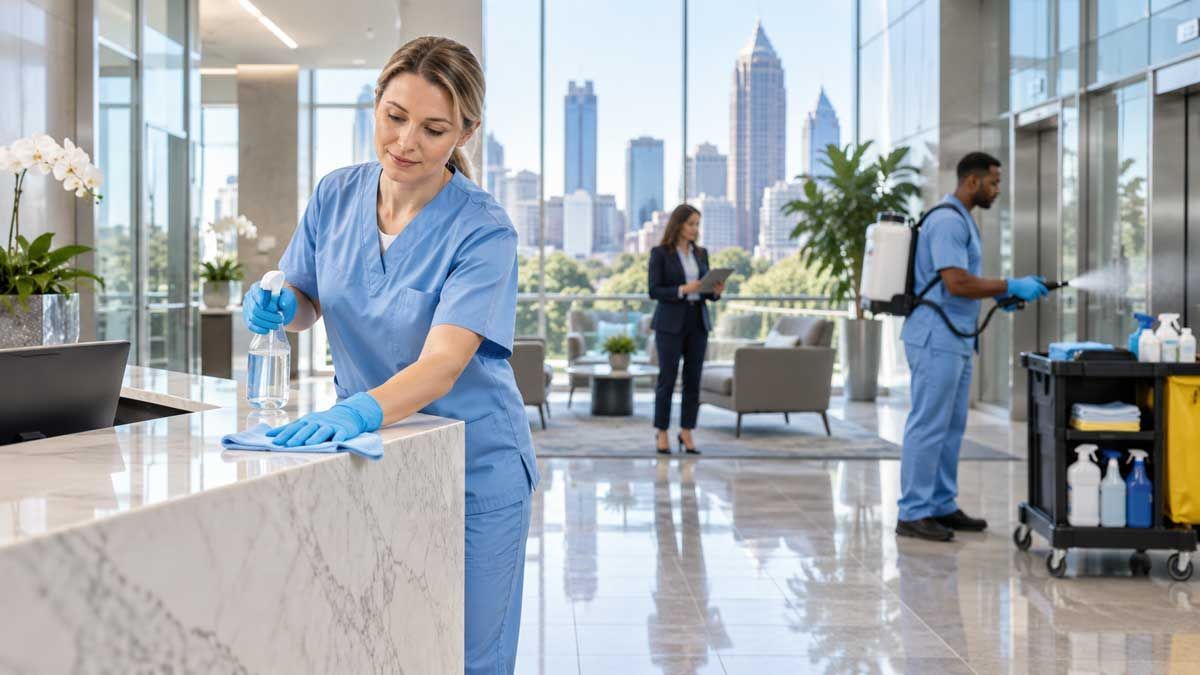
Cleanstar National Inc delivers certified data center cleaning and critical environment cleaning in Atlanta, designed to protect airflow integrity and operational continuity. Our self-performing workforce of more than 700 E-Verified professionals operates under EPA, ISO 14644, OSHA, GMP, and IICRC frameworks to maintain measurable contamination control.
We support data centers, healthcare campuses, logistics hubs, and advanced manufacturing facilities throughout Metro Atlanta and the Southeast with structured, audit-ready environmental programs.
Protect your airflow systems before contamination jeopardizes uptime. Schedule a critical environment risk audit.
Cleanstar National: Expert B2B Cleaning Solutions for Atlanta's Critical Industries