The Ultimate Guide to Preventing Facility Cleaning Failures
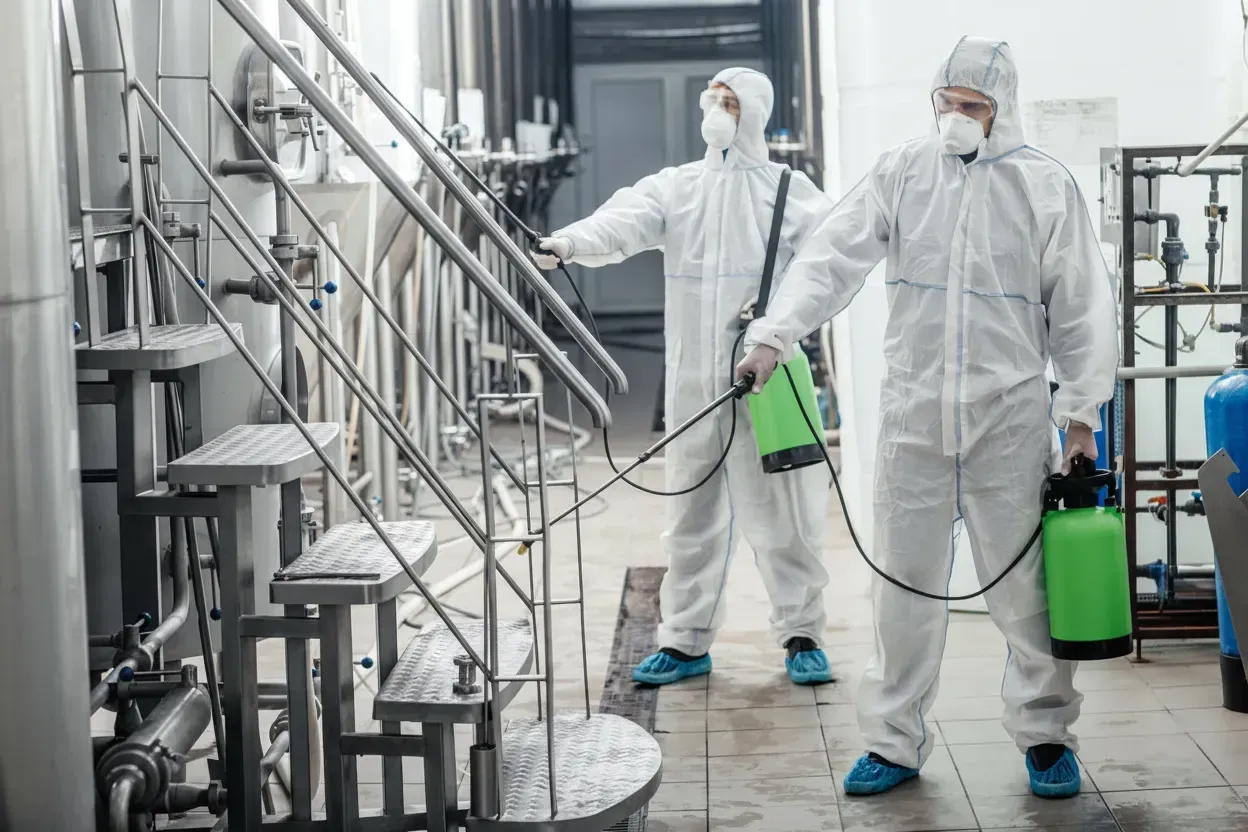
Facility cleaning failures are not cosmetic issues. In regulated and high-performance environments, they represent operational risk. Missed contamination points inside a data center can compromise airflow integrity. Gaps in environmental control inside healthcare campuses can trigger audit findings. In industrial and logistics environments, neglected cleaning protocols accelerate equipment wear and increase safety exposure.
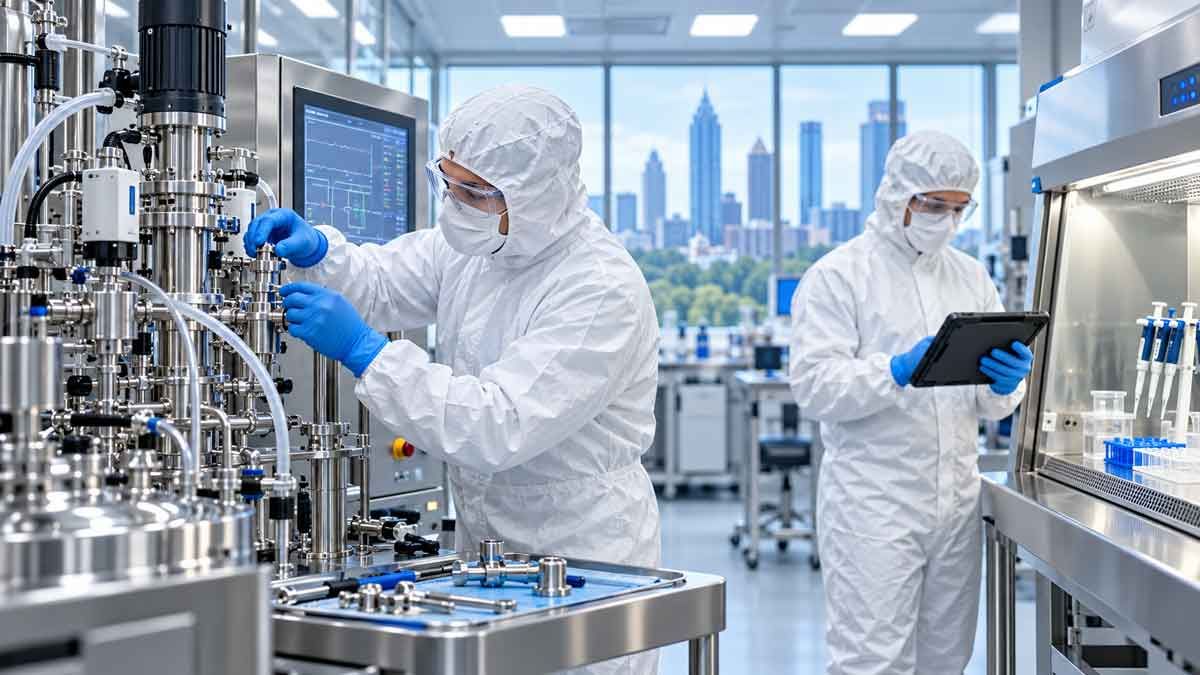
Most failures do not occur because teams lack effort. They occur because contamination control is not structured, documented, and continuously validated. High-performance spaces such as hyperscale server halls, biomedical laboratories, manufacturing clean zones, and higher education research facilities demand environmental programs aligned with ISO 14644, GMP, OSHA, and EPA frameworks.
Even experienced teams require detailed checklists that extend beyond visible surfaces. Raised floor plenums, cable trays, overhead ductwork, mechanical rooms, and low-visibility infrastructure zones accumulate particulate matter that daily routines can miss. Without disciplined oversight, those blind spots become failure points.
Preventing facility cleaning failures requires a proactive, risk-based strategy built around inspection, documentation, certified personnel, and compliance-ready execution. Cleaning in mission-critical environments is not maintenance. It is the protection of uptime, regulatory standing, and long-term infrastructure investment.
Prioritize Regular Maintenance and Inspections
Structured inspections are foundational to critical environment cleaning in Atlanta. Proactive review cycles identify contamination risks before they escalate into downtime events.
Schedule Recurring Facility Walkthroughs: Weekly or monthly environmental inspections reveal leaks, condensation buildup, airflow restrictions, particulate accumulation, and surface degradation before they compromise system stability.
Monitor High-Use Infrastructure: HVAC units, filtration systems, fire suppression components, and electrical panels require consistent environmental assessment. These systems interact directly with airflow and contamination pathways.
Document Maintenance Activity: Detailed maintenance logs provide traceability and establish defensible records during compliance audits. Patterns identified through documentation often reveal emerging contamination risks.
Adjust Protocols Based on Inspection Data: Cleaning programs must evolve with facility usage, commissioning phases, seasonal shifts, and regulatory updates. Static programs introduce vulnerability.
When inspections are systematic and documented, environmental risk becomes measurable and manageable.
Invest in Specialized Cleaning Equipment
Preventing failures in mission-critical facility cleaning depends on precision equipment designed for regulated environments.
HEPA-Filtered Industrial Vacuums: These systems capture 99.97% of particles at 0.3 microns, preventing airborne redistribution within data halls and clean zones.
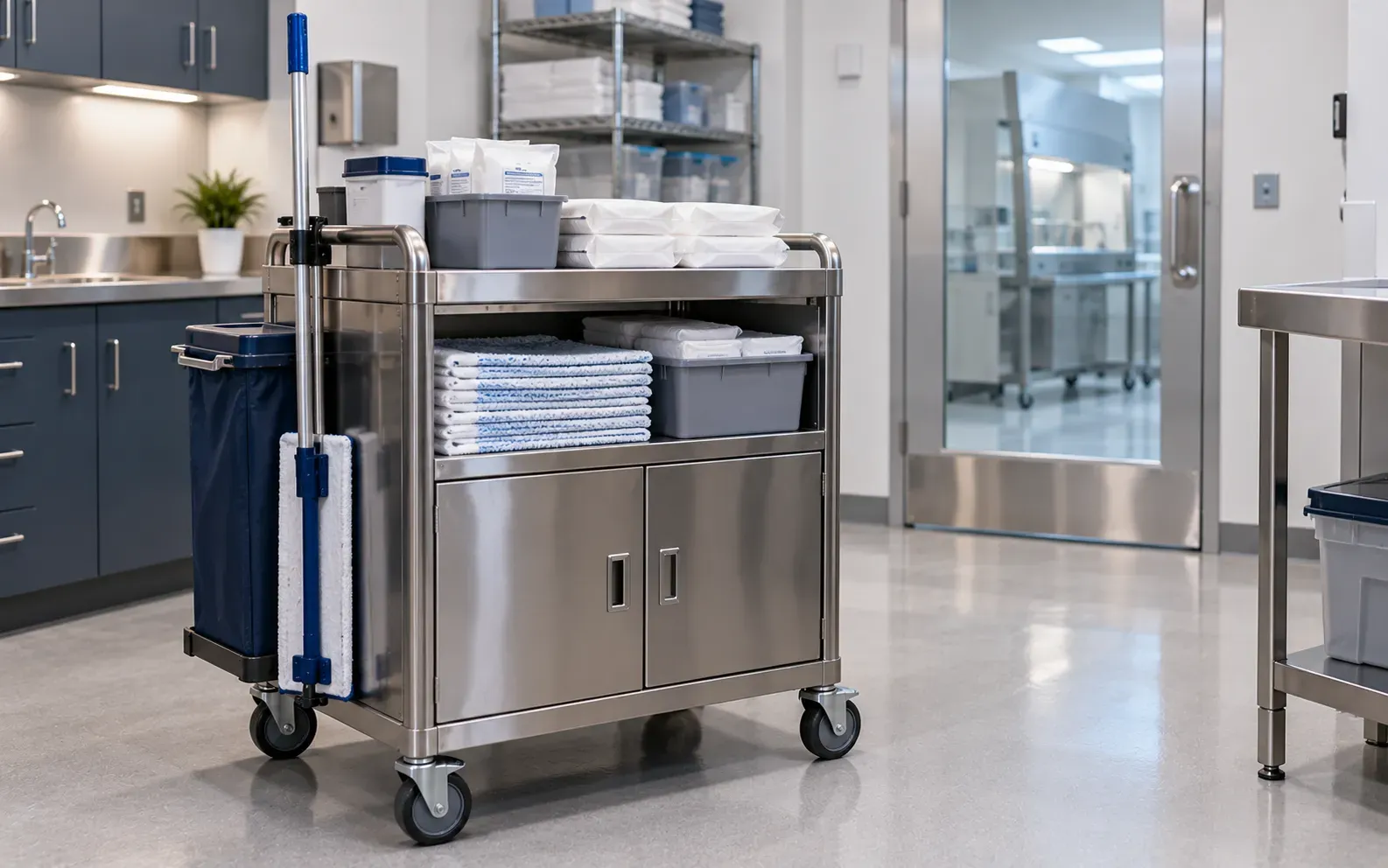
Commercial Floor Scrubbers with Controlled Moisture Output: Precision application prevents over-saturation while removing embedded contaminants from high-traffic areas.
Debris Sweepers and Carpet Extractors: High-capacity removal equipment eliminates particulate buildup in logistics hubs and staging areas before it migrates into controlled environments.
Low-Moisture Steam Systems: Steam-based sanitation supports pathogen reduction while limiting chemical exposure in sensitive spaces.
ESD-Safe Tools and Burnishers: Equipment designed to prevent electrostatic discharge protects electronics during cleaning operations.
Standard tools are insufficient for regulated environments. Equipment must align with contamination thresholds and infrastructure sensitivity. In sensitive technical spaces, cleanroom and data center cleaning services provide a stronger operational fit.
Train Staff on Critical Environment Protocols
Environmental control programs are only as strong as the technicians executing them. Training reduces variability and strengthens compliance alignment.
Protocol Familiarity: Personnel must understand cleanroom classifications, airflow directionality, pressurization zones, and contamination pathways unique to each facility.
Product and Dwell-Time Compliance: EPA-registered disinfectants must be applied with proper dilution ratios and dwell times to ensure pathogen elimination without damaging surfaces.
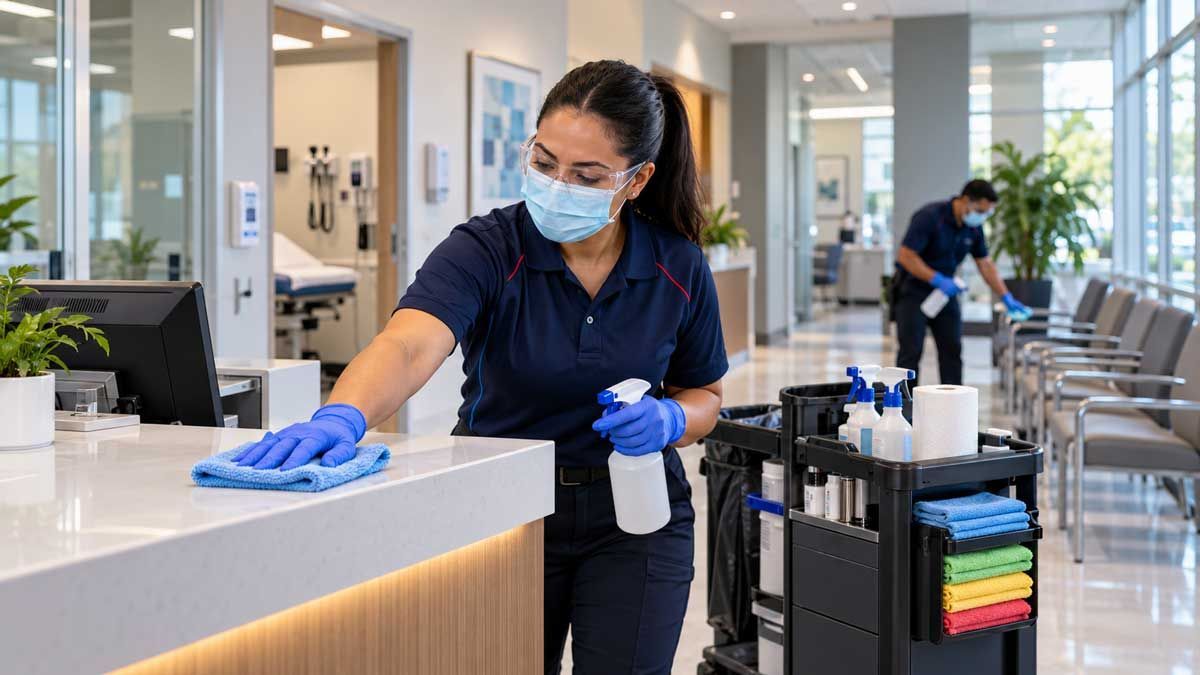
Cross-Contamination Safeguards: Color-coded microfiber systems and PPE protocols reduce migration of contaminants between zones.
Ongoing Certification and Recertification: Continuous education aligned with OSHA, ISO 14644, GMP, IICRC, and IJCSA standards ensures teams remain current with evolving regulations.
Scenario-Based Training: Simulation of contamination events, emergency response scenarios, and commissioning conditions strengthens readiness under pressure.
Training is not a one-time activity. It is a continuous investment in operational integrity.
Implement Comprehensive Cleaning Checklists
Checklists eliminate ambiguity and standardize execution across shifts and facilities.
Full-Facility Coverage: Detailed task lists must address server halls, restrooms, mechanical rooms, electrical enclosures, public zones, and administrative areas.
Task Verification and Timestamping: Digital completion logs provide documented proof of execution for audit review and internal accountability.
Zone-Specific Customization: Checklists should reflect contamination risk levels specific to white space, staging areas, and commissioning zones.
Real-Time Adjustment Capability: Protocols must adapt during construction phases, high-traffic events, or seasonal environmental shifts.
Facilities using structured checklists experience fewer rework events and reduced contamination variability.
Schedule Routine Quality Control Audits
Audits validate whether cleaning programs function as designed.
Defined Scope Based on Risk Exposure: Audit frameworks should reflect contamination thresholds for each operational zone.
Objective Digital Reporting Tools: Supervisors should log findings with photos, timestamps, and measurable scoring metrics.
Multi-Shift Evaluation: Cross-shift auditing identifies inconsistencies and prevents variability between teams.
Data-Driven Improvement Cycles: Audit findings must feed directly into protocol refinement and retraining initiatives.
Executive-Level Review: Leadership oversight reinforces accountability and aligns cleaning performance with enterprise risk mitigation goals.
Continuous validation transforms cleaning from task execution into operational governance.
Address Low-Visibility Areas Thoroughly
Hidden infrastructure zones frequently undermine otherwise effective cleaning programs.
Behind and Beneath Equipment: Dust and debris accumulate behind racks and under raised floors, disrupting airflow and increasing thermal load.
Cable Trays and Plenum Spaces: Particulate migration from overhead or underfloor pathways contaminates active server environments.
Ductwork and Ventilation Channels: Neglected ducts recirculate contaminants throughout the facility.
Storage and Utility Areas: Overlooked mechanical and storage spaces become reservoirs for dust that later spreads into controlled zones.
Defined Ownership for Hidden Zones: Assigning responsibility prevents oversight and ensures accountability across every square foot.
Environmental protection requires addressing visible and invisible risk zones. This is one reason data centers require specialized cleaning protocols.
Choose Experienced Cleaning Service Providers
Partner selection determines whether contamination control programs succeed or fail.
Demonstrated Risk Mitigation Experience: Providers serving data centers, healthcare campuses, and regulated facilities understand compliance-driven performance metrics.
Certification Alignment: Providers must operate within OSHA, ISO 14644, GMP, IICRC, IJCSA, and EPA frameworks.
Self-Performing Workforce Model: Eliminating outsourcing ensures consistent execution, documentation integrity, and accountability.
Scalable Operational Capacity: Providers must support multi-site portfolios across Metro Atlanta and the Southeast without compromising standards.
Executive Oversight and Reporting Transparency: Enterprise clients require clear documentation, compliance dashboards, and measurable KPIs.
A mission-critical cleaning partner functions as a risk mitigation advisor, not a transactional vendor. Facility leaders evaluating vendors can also review what to look for in a data center cleaning partner.
Preventing facility cleaning failures demands structured governance, precision equipment, certified personnel, and documented oversight. Facilities implementing formalized environmental control programs consistently report fewer contamination events and stronger audit outcomes.
Cleanstar National Inc delivers mission-critical facility cleaning solutions tailored to data centers, healthcare campuses, industrial facilities, and construction environments throughout Metro Atlanta and the Southeast. Founder-led since 1995, the company maintains a self-performing workforce of more than 700 E-Verified professionals operating under ISO 14644, OSHA, EPA, GMP, IICRC, and IJCSA frameworks.
Our programs include HEPA-based environmental control, commissioning support, post-construction contamination removal, and structured quality validation. We align cleaning execution with risk mitigation objectives, regulatory readiness, and uptime continuity.
Cleaning in high-performance environments is not a commodity service. It is a strategic safeguard. Schedule a critical environment risk audit.
Cleanstar National: Expert B2B Cleaning Solutions for Atlanta's Critical Industries