
How Critical Environment Cleaning Enhances Data Centers Across the Southeast US
Maintaining uptime across Southeast data centers requires more than advanced hardware and skilled IT personnel. Facilities throughout the region face ongoing environmental challenges, including elevated humidity levels, airborne particulates, seasonal pollen, and contamination introduced through construction activity and daily operations.
Even minor particulate accumulation can affect sensitive infrastructure when environmental controls are not maintained.
As a result,
critical environment cleaning in Atlanta has become an important component of data center risk management strategies throughout the Southeast. Structured cleaning programs support environmental stability, help maintain audit readiness, and reduce contamination exposure across server halls, raised-floor systems, and mechanical infrastructure.
Facilities operating in regulated industries also face increasing pressure to maintain documented environmental controls. Cleaning programs aligned with ISO 14644 and industry best practices help support compliance objectives while protecting critical assets throughout equipment lifecycles.
Environmental control strategies also contribute to operational efficiency by supporting airflow performance and reducing contamination-related strain on cooling infrastructure. Across the Southeast, where environmental conditions create additional challenges, critical environment cleaning plays a significant role in maintaining stable operating conditions year-round.
The Southeast continues to experience rapid growth in data center development, particularly in markets such as Atlanta, Charlotte, Nashville, and Northern Florida. As facilities expand, contamination control becomes increasingly important because larger footprints, greater personnel activity, and ongoing infrastructure upgrades create additional pathways for airborne particles to enter controlled spaces. A structured cleaning program helps address these risks before they affect critical operations.
Boosting Server Performance in Humid Climates
Humidity remains one of the most significant environmental challenges facing Southeast data centers.
The region frequently experiences elevated moisture levels that can contribute to condensation risks, corrosion, and contamination adhesion on sensitive surfaces. Moisture exposure can affect electronic components, power distribution systems, and cooling infrastructure when environmental conditions are not properly managed.
Effective environmental monitoring programs help maintain humidity levels within recommended operating ranges, supporting infrastructure reliability and reducing exposure to moisture-related risks.
In addition, stable environmental conditions support more efficient HVAC operation by reducing unnecessary fluctuations in cooling demand. Consistent humidity management helps protect equipment while supporting long-term infrastructure performance.
Cleanstar National Inc delivers critical environment cleaning programs designed to support facilities operating within these demanding environmental conditions.
Environmental cleanliness also plays a role in humidity control. Dust and airborne debris can absorb moisture and accumulate on equipment surfaces, creating conditions that increase corrosion risks over time. Regular contamination removal supports both environmental stability and infrastructure protection, particularly in regions where seasonal humidity remains consistently elevated.
Reducing Downtime with Scheduled Cleanings
Scheduled cleaning programs help reduce contamination-related operational risks before they affect system performance.
- Contamination Control: Routine cleaning removes dust, debris, and airborne particulates that can accumulate within server environments and airflow systems.
- Environmental Stability: Structured cleaning schedules support consistent operating conditions throughout critical infrastructure areas.
- Audit Readiness: Documented cleaning procedures support facilities preparing for compliance reviews and operational assessments.
- Operational Continuity: Preventive cleaning reduces the likelihood of contamination-related disruptions that require corrective action.
Scheduled cleaning also creates opportunities for visual inspections that may identify developing issues before they become operational concerns. Dust accumulation around cable trays, under raised floors, or near cooling infrastructure can often indicate airflow or filtration issues that warrant further evaluation. Integrating cleaning activities with environmental reviews helps strengthen overall facility risk management.
Safeguarding Equipment from Contaminant Buildup
Particulate contamination can accumulate gradually across data center environments, creating risks that often remain unnoticed until performance issues emerge.
- Airflow Protection: Dust accumulation within racks, vents, and cooling systems can restrict airflow and increase thermal stress on equipment.
- ESD Risk Reduction: Environmental contamination may contribute to conditions that increase electrostatic discharge exposure in sensitive environments.
- Filtration Support: HEPA-filtered cleaning methodologies help remove fine particulate matter that standard cleaning methods may not address effectively.
- Infrastructure Protection: Routine contamination control supports long-term equipment reliability and operational consistency.
Contaminants can originate from numerous sources, including packaging materials, employee traffic, outdoor air infiltration, renovation activities, and routine maintenance work. Once introduced into a controlled environment, these particles often migrate through airflow pathways and settle in locations that are difficult to access without specialized cleaning procedures.
Maintaining clean conditions throughout server rooms, electrical spaces, and support areas helps reduce the potential for contamination-related failures while supporting overall operational resilience.
Meeting Strict Compliance and Audit Standards
Data centers operating in regulated industries must demonstrate consistent environmental control practices.
Environmental standards and operational frameworks frequently require documented evidence of contamination management, cleaning schedules, and procedural consistency.
Cleanstar National Inc maintains detailed service records, digital reporting, and documented cleaning procedures that support audit preparation and compliance verification efforts.
Personnel are trained to support facilities preparing for regulatory reviews, operational assessments, and customer-driven compliance requirements.
This structured approach helps reduce compliance gaps while supporting operational continuity across critical environments.
Compliance expectations continue to evolve across sectors such as healthcare, finance, manufacturing, telecommunications, and government operations. Facilities that maintain comprehensive documentation and consistent environmental controls are typically better positioned to demonstrate adherence to internal policies and external requirements. Critical environment cleaning supports these objectives through repeatable processes and measurable outcomes.
Supporting Mission-Critical Operations Across the Southeast
Critical environments require specialized cleaning programs designed specifically for contamination control, compliance support, and infrastructure protection.
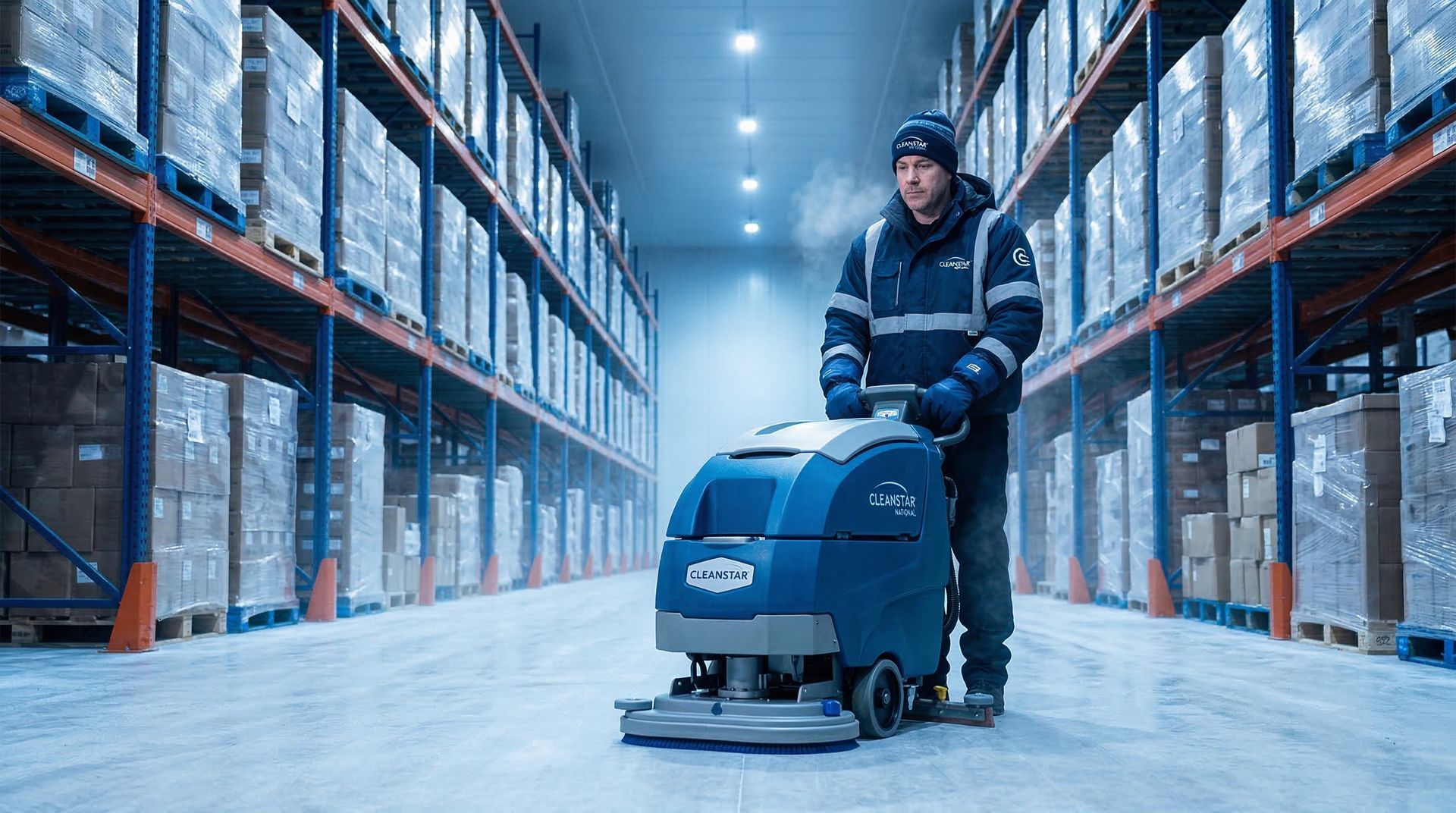
Cleanstar National Inc provides critical environment cleaning in Atlanta and throughout the Southeast using a self-performing workforce of more than 700 E-Verified professionals. Founded in 1995, the company supports mission-critical facilities through structured cleaning programs aligned with OSHA, IICRC, IJCSA, Red Cross, EPA, ISO 14644, and GMP protocols.
Unlike general cleaning approaches, critical environment cleaning focuses on contamination control, environmental stability, and documented compliance support. Every service is designed to align with the operational requirements of facilities where uptime, reliability, and audit readiness remain top priorities.
In addition to specialized critical environment services, Cleanstar supports facilities through Commercial cleaning services Atlanta, Janitorial services Atlanta, and Post-construction cleaning Atlanta programs designed to address contamination risks throughout the facility lifecycle.
By combining HEPA-filtered cleaning methodologies, ESD-safe procedures, audit-ready documentation, and 24/7 operational readiness, Cleanstar helps data centers maintain environmental stability, protect infrastructure assets, and support compliance objectives across the Southeast United States.
As data center infrastructure continues to expand throughout the region, organizations increasingly recognize that environmental cleanliness is not simply a maintenance function. It is a risk management strategy that supports operational continuity, compliance performance, infrastructure longevity, and long-term facility resilience. Through disciplined execution and proven critical environment cleaning protocols, facilities can maintain the controlled conditions necessary to support mission-critical operations both today and in the future.
Cleanstar National: Expert B2B Cleaning Solutions for Atlanta's Critical Industries