The What, When, and How of Coronavirus Cleaning
After the outbreak of COVID-19, a lot of things changed, including the methods and frequency of cleaning. Many who hired commercial cleaning services quarterly or every other month have now moved to monthly cleaning sessions. The reason is that you must keep up with coronavirus cleaning to keep the environment clean and your staff safe.
Due to these changes, many of you may not be familiar with coronavirus cleaning, which is yet another form of cleaning but more in-depth. Understand the what, when, and how of coronavirus cleaning.
What Is Coronavirus Cleaning?
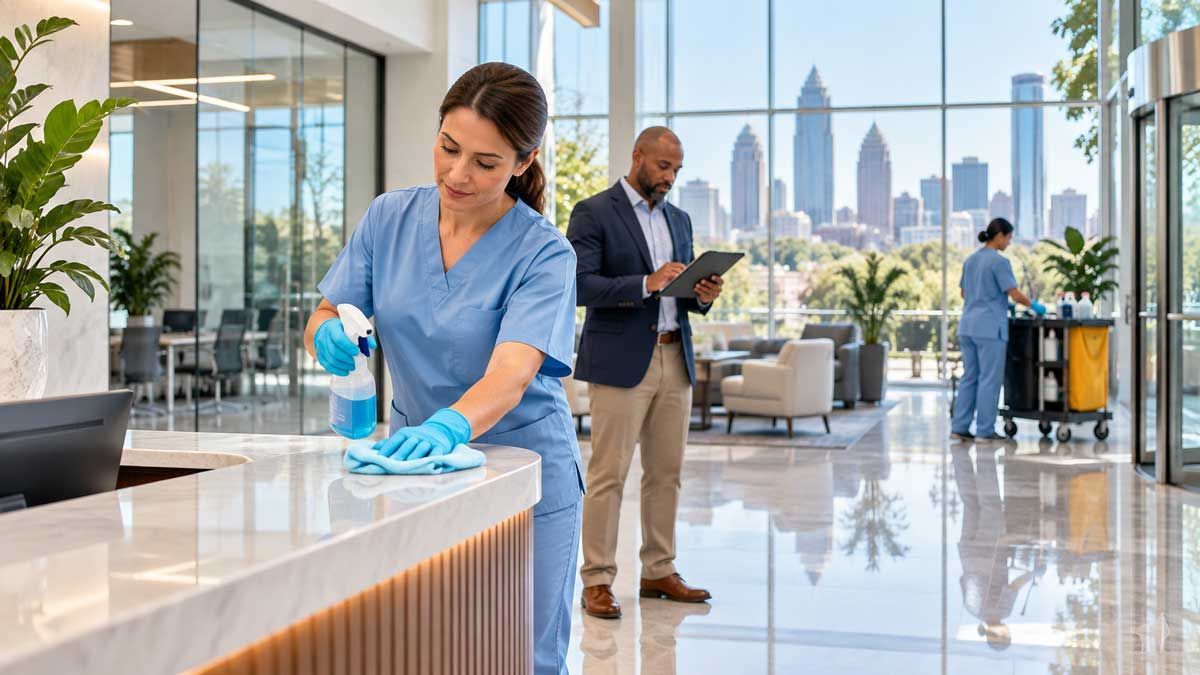
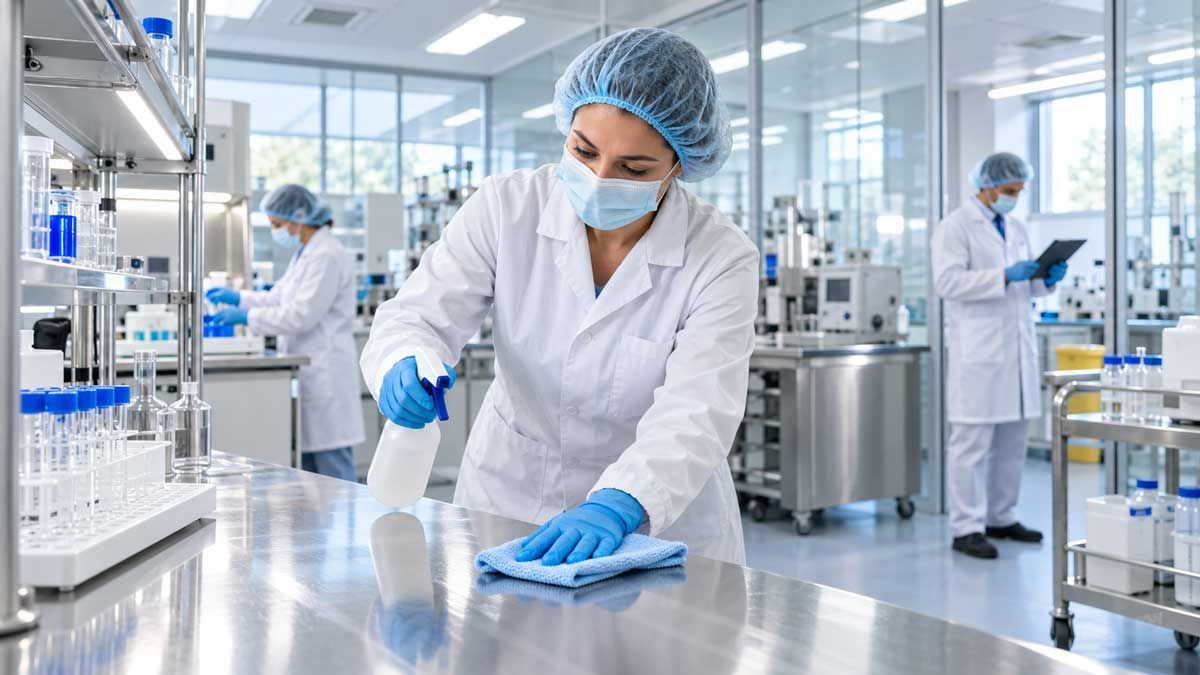
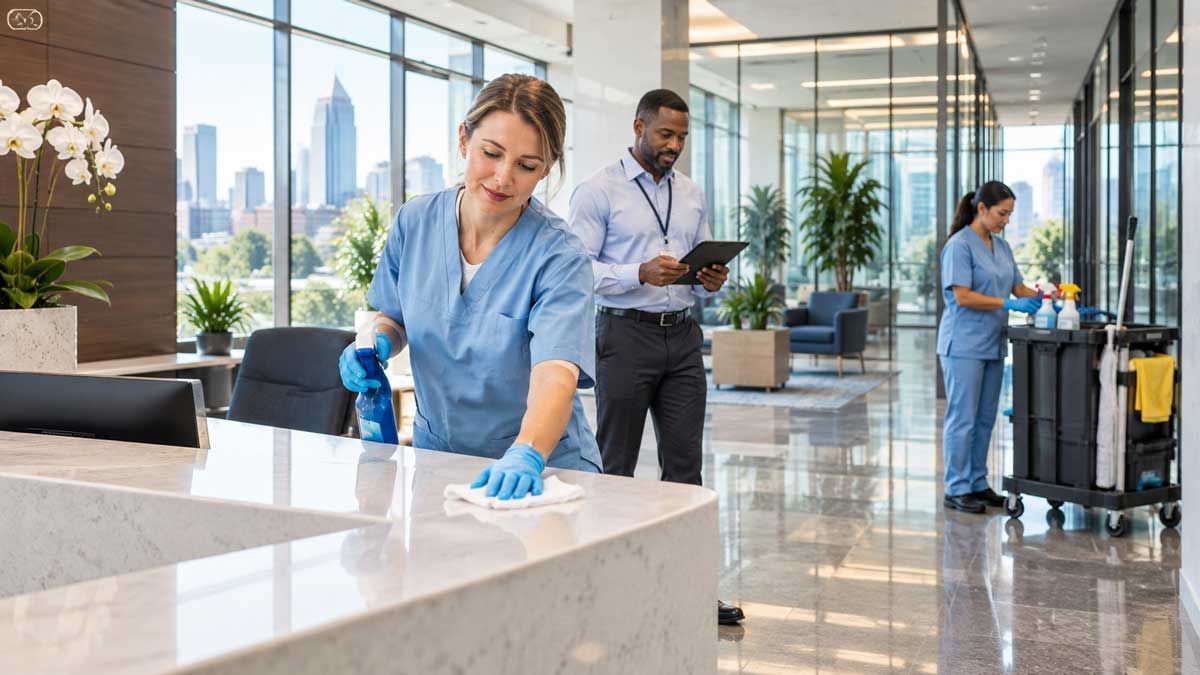
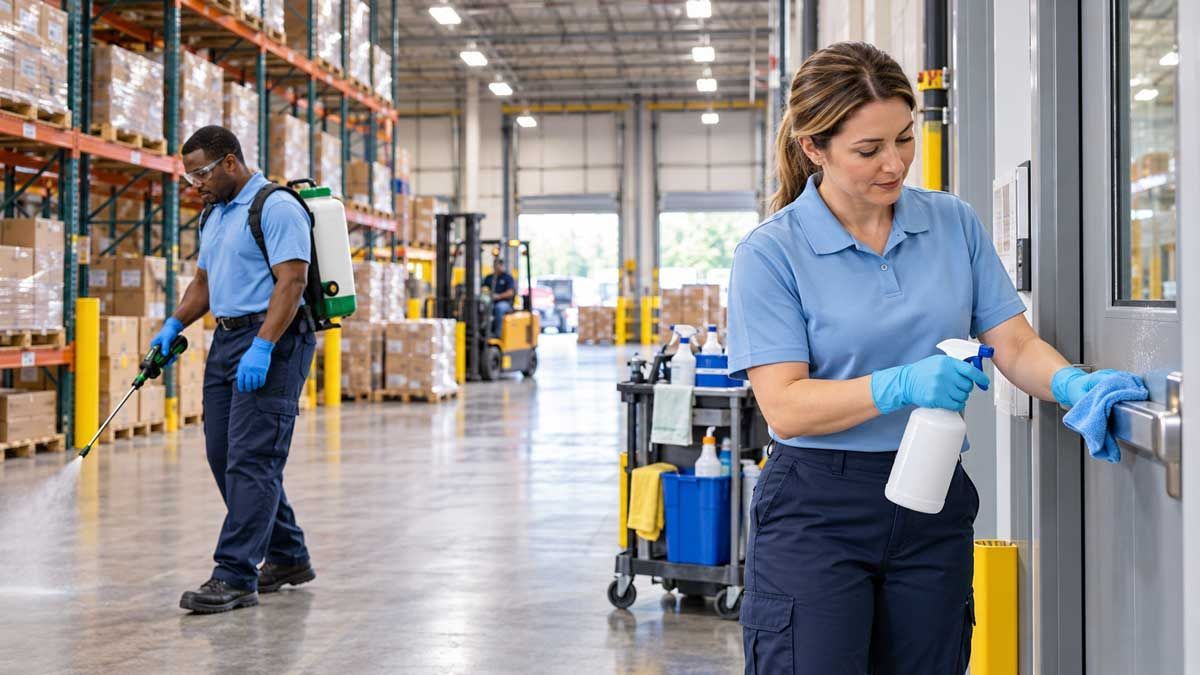
Coronavirus cleaning is similar to regular commercial cleaning, but it's amplified a little further to virus and biohazard sanitation. This means that besides cleaning out the dirt, grime, debris, and musk from the office, warehouse, labs, or industrial area surfaces, an additional sanitation service includes introducing disinfectants to kill germs, bacteria, and viruses in the environment.
With coronavirus cleaning, you can easily clean, sanitize, and disinfect your commercial surfaces in one go.
When Should You Do Coronavirus Cleaning?
Conducting coronavirus cleaning can be as frequent as you'd like, but you have a few factors to consider. For example, what is the commercial space like and the amount of foot traffic you expect?
By projection, restaurants, schools, daycares, and medical spaces require more cleaning and sanitation than warehouses because the number of people present in these areas is more than in industrial spaces. Therefore, for such high-traffic areas, the frequency of coronavirus cleaning can be much higher, say weekly, every other week, or monthly at most.
Another factor to consider is the overall commercial space. A large commercial space will often have many staff and a lot of ground to cover when cleaning. Therefore, daily coronavirus cleaning may be vital to ensure the health and safety of your employees.
If you're wary of the cost of hiring professionals weekly to conduct coronavirus cleaning, consider doing mild cleaning, sanitation, and disinfection of commonly shared areas daily, then deep cleaning more periodically.
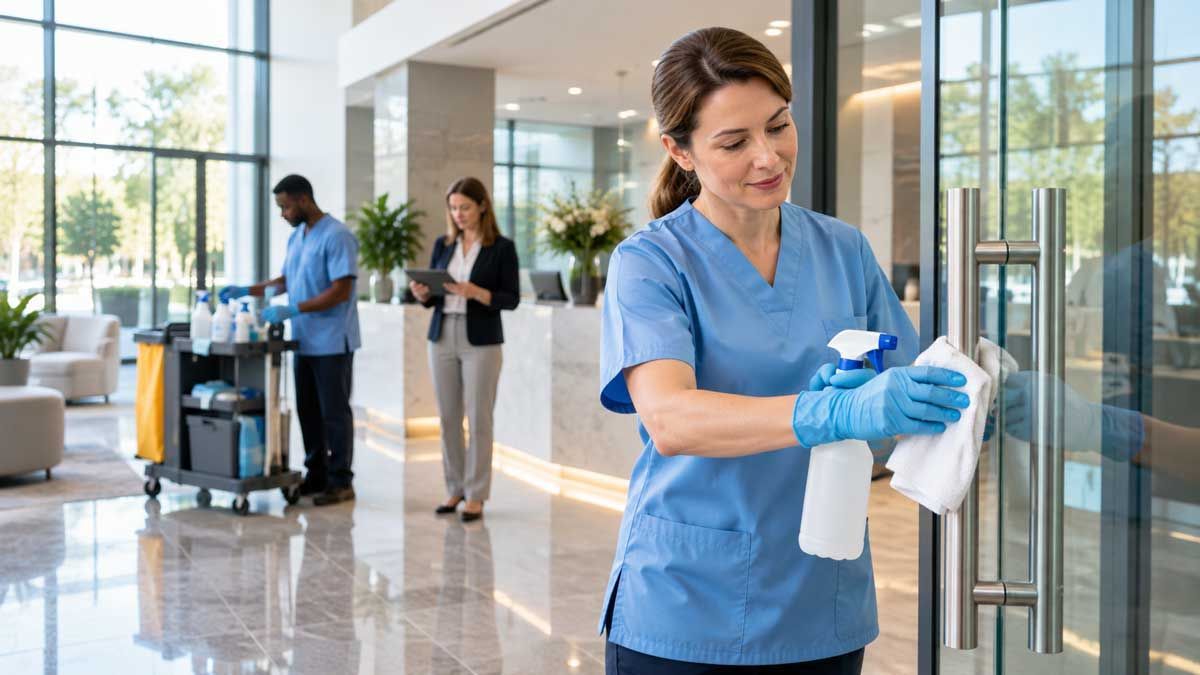
This means that you can opt to daily clean high-touch surfaces like grab bars, railings, and kitchen and bathroom surfaces, and the professionals can then do a deep clean of the washrooms, kitchens, and dining areas (as in the case for restaurants) monthly.
How Should You Do Coronavirus Cleaning?
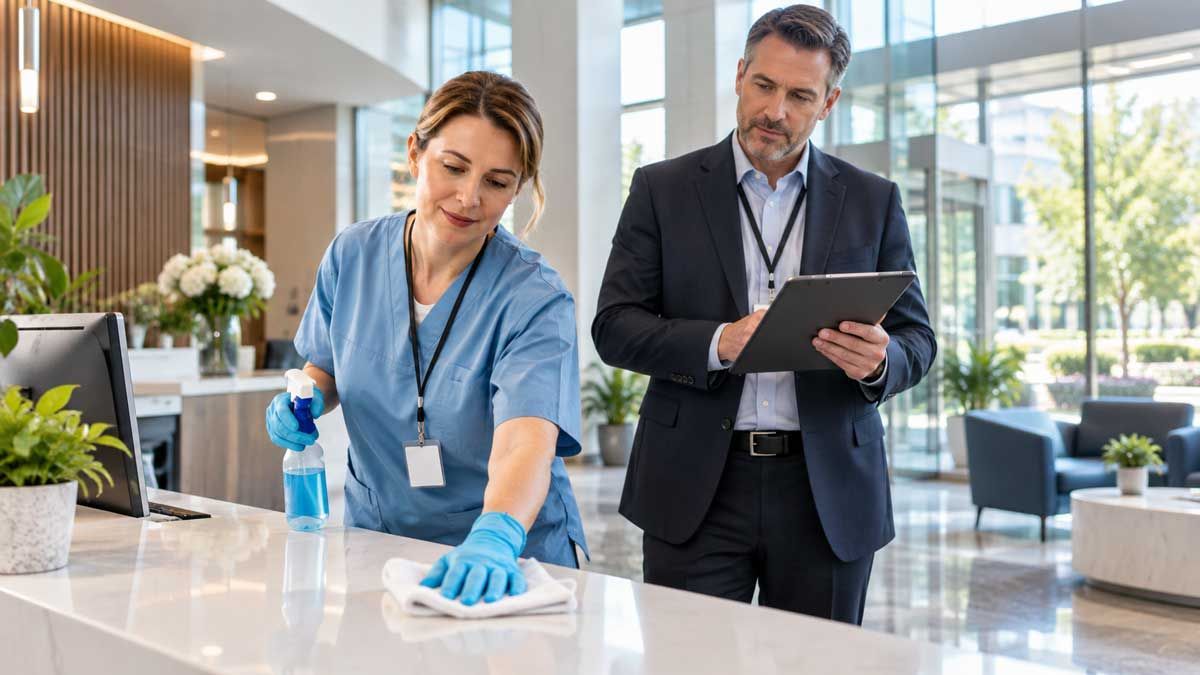
According to the CDC, with the onset of the pandemic came the need for routine cleaning. This is where you highlight how often you clean your spaces, what methods you use, and what the cleaning materials are. So you have everyday cleaning, then the professional coronavirus cleaning where the experts use high-quality mechanical tools to clean and disinfect surfaces.
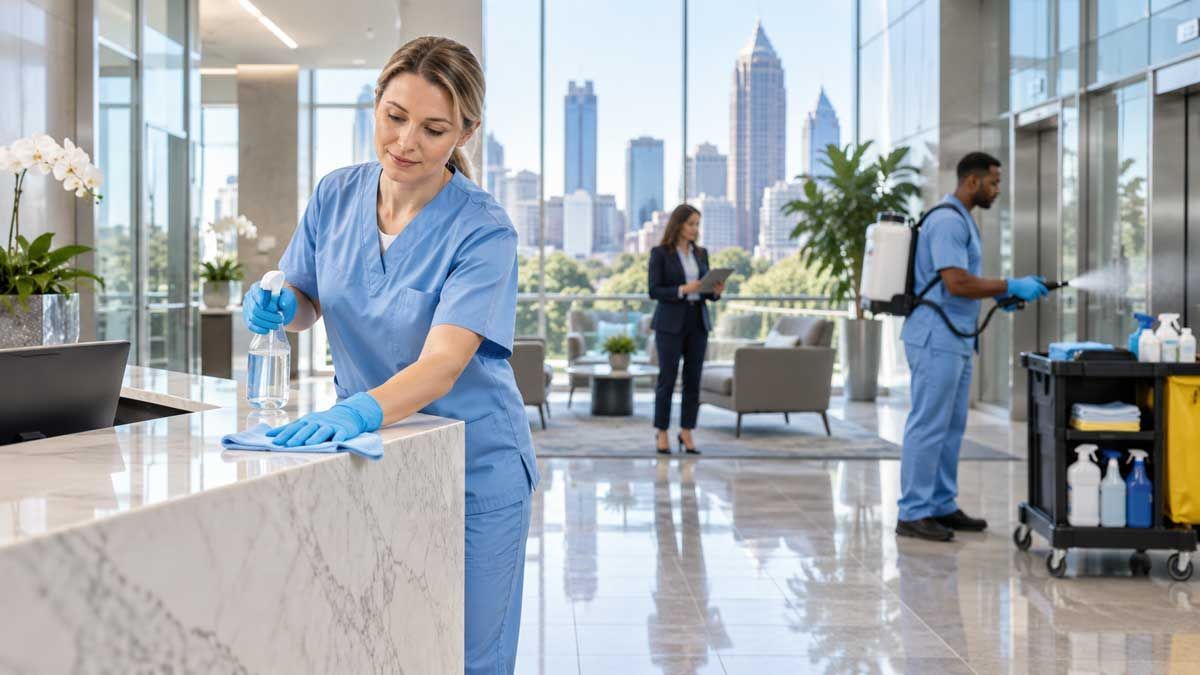
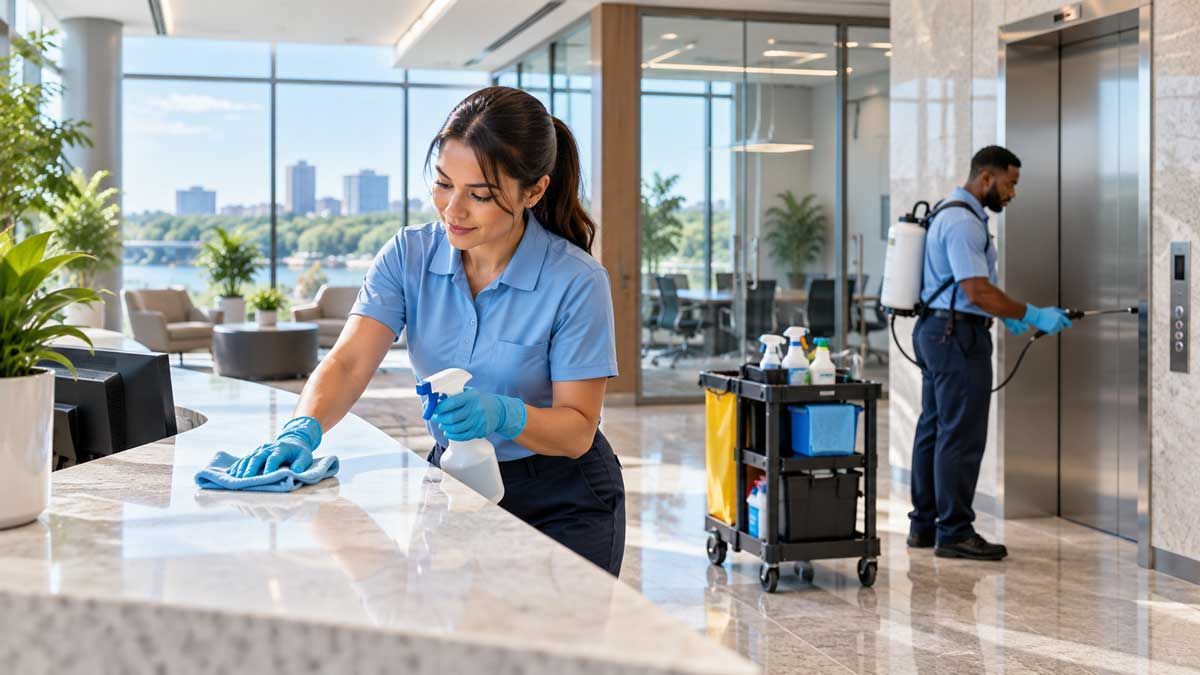
When you hire professionals to conduct deep coronavirus cleaning, they will often use effective cleaning, sanitation, and disinfection tools such as UV radiation with ultrasonic waves and LED lighting to kill viruses on and around surfaces. Other cleaning and disinfection techniques could include using disinfectants listed by the Therapeutic Goods Administration (TGA) with specific claims against COVID-19 or sodium hypochlorite solution.
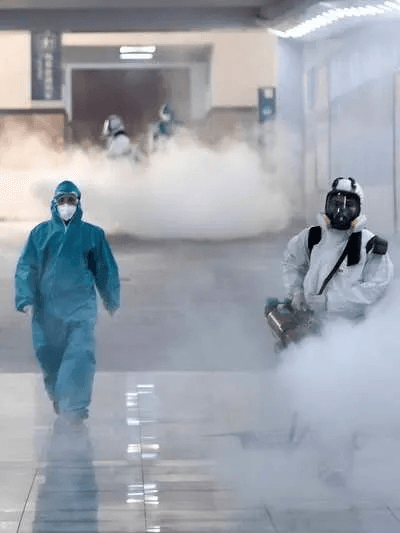
Note that for every surface or area, the professionals could also clean and disinfect differently. For example, high-traffic surfaces like bars and kitchen counters could be wiped off using a disinfecting liquid. However, in other areas like a break room or playground for kids, a disinfectant fogger may be necessary.
Cleaning took a whole new turn after the discovery of COVID-19. You have new ways to clean out surfaces and the environment to ensure everyone's safety from the virus.
If you want to keep your working environment or commercial space clean, feel free to contact
Cleanstar National, Inc., any day. Be it a high-rise building, hospital and medical facility, school, government building, movie studio, or construction site, don't hesitate to reach out.
Cleanstar National: Expert B2B Cleaning Solutions for Atlanta's Critical Industries