
Keeping Medical Offices Clean During the COVID-19 Pandemic
Keeping Medical Offices Clean During the COVID-19 Pandemic
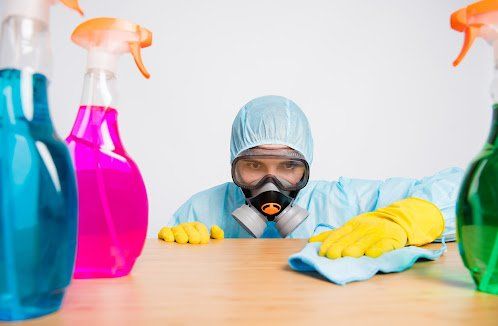
Doctors’ offices and hospitals have had to step up their cleaning game during the COVID-19 pandemic. Droplets containing the virus can survive from 8 to 48 hours depending on the surface. Keeping healthcare settings safe for patients and employees requires three steps: cleaning, disinfecting, and safely removing waste. With a good system in place, health care providers can safely offer their services to patients.
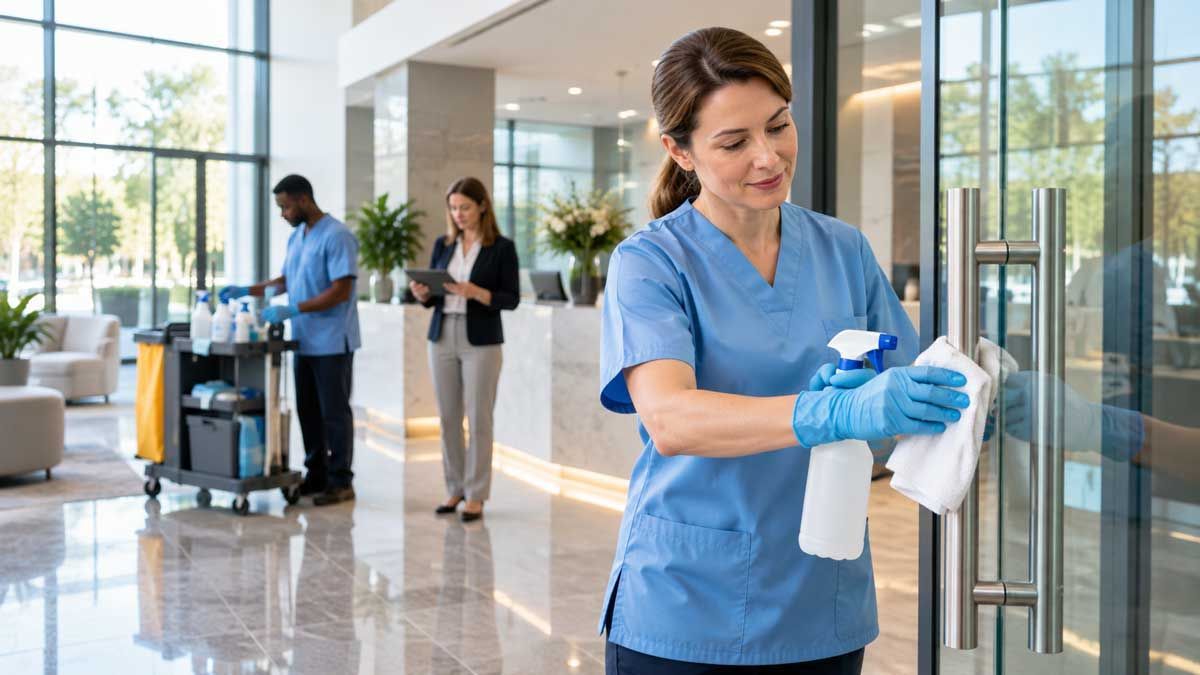
High-risk areas require the most consideration. These include restrooms, desks, waiting rooms, and dining rooms. Frequently touched surfaces include light switches, doorknobs, counters, and tables. You should clean these areas as often as possible to maintain the health of everyone present.
Cleaning
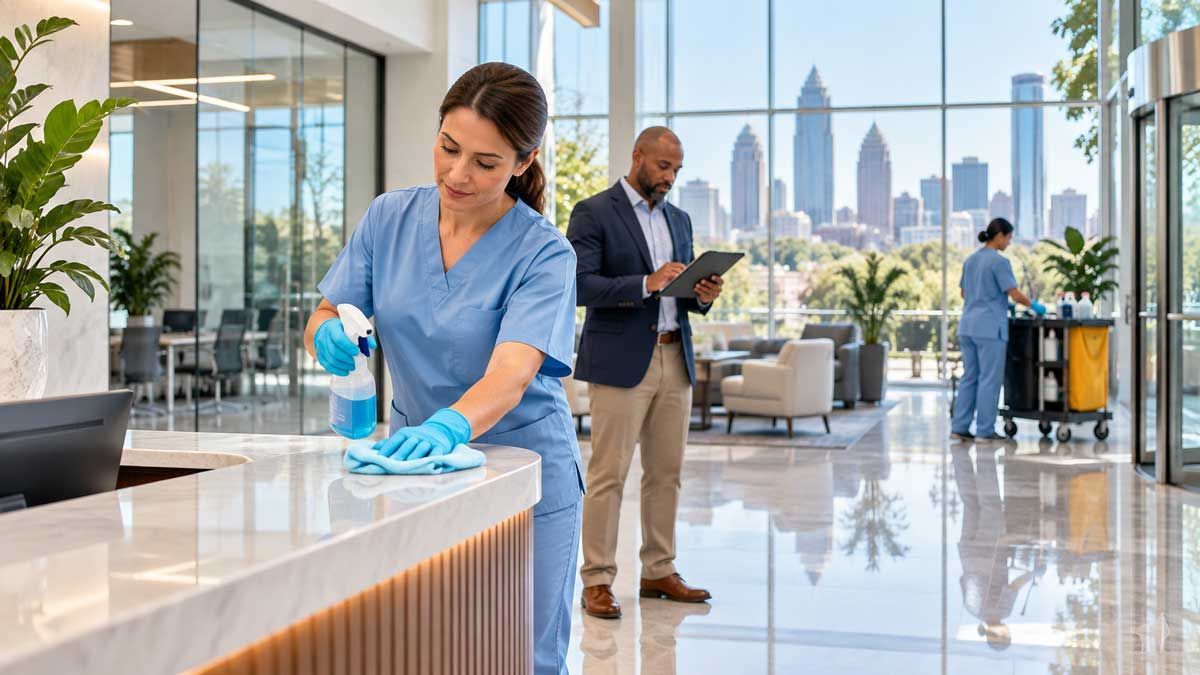
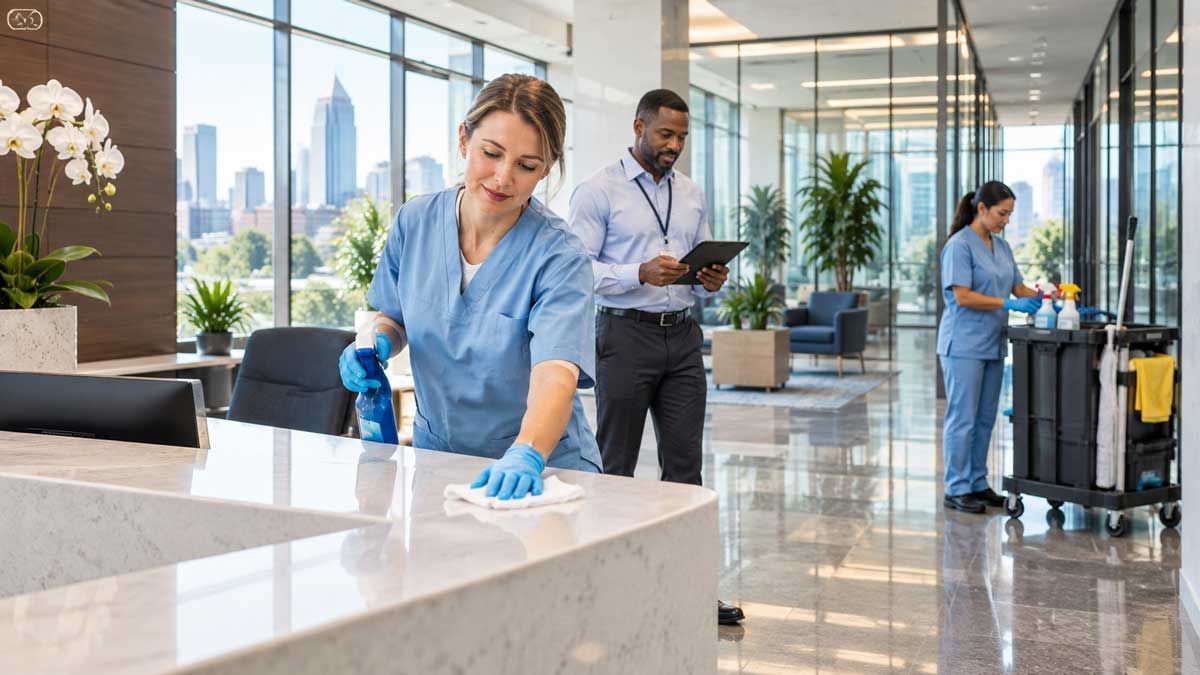
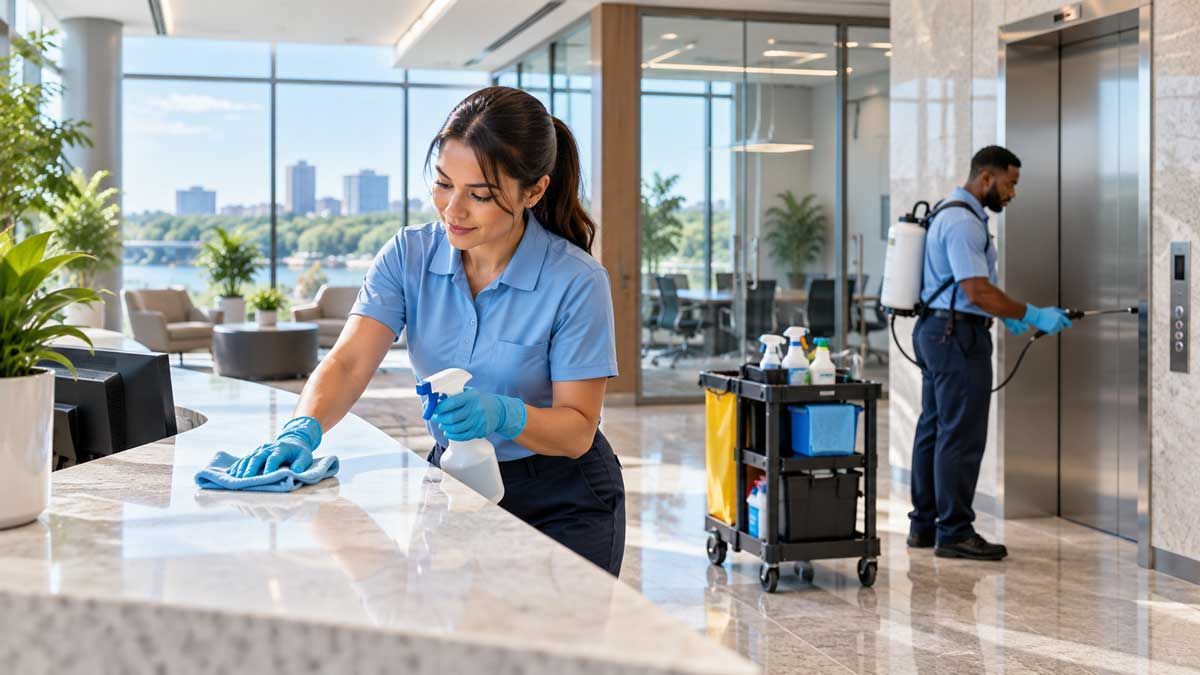
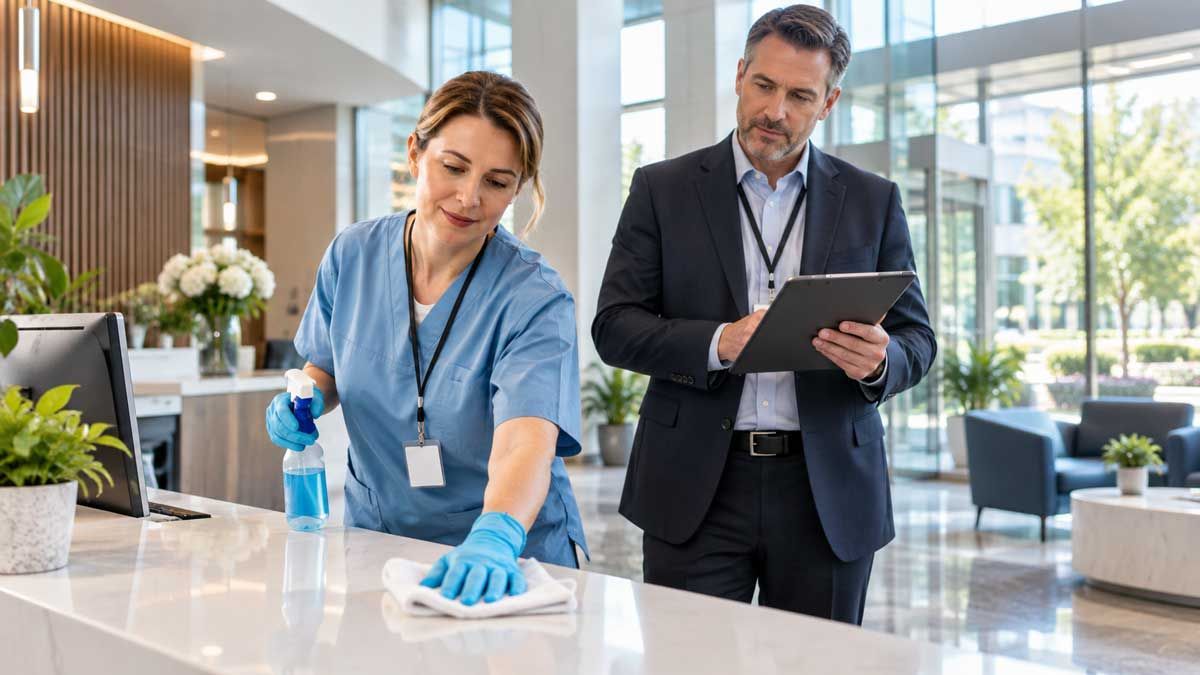
Cleaning is the removal of visible dirt and debris through the use of soap or detergent. Cleaning is important for removing contaminants from surfaces including bodily fluids, dirt, and even viruses. In order to ensure the disinfectant process will work, you should clean beforehand. You should wipe down the check-in counter at a doctor’s office with a soap and water solution as the first step in the cleaning process.
Disinfecting
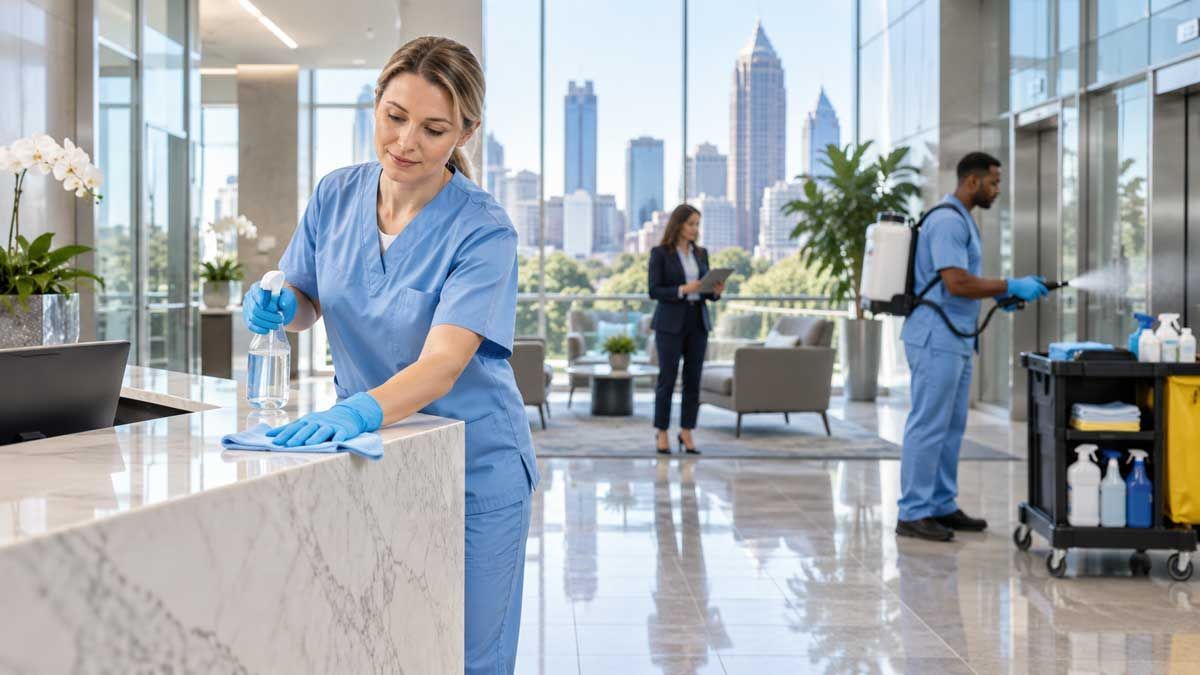
You will be ready to disinfect an area once it is clean and dry. The EPA has released a list of products that are effective against COVID-19. A bleach solution is also an option if the surface allows it. It is important to follow label instructions to ensure the product will eliminate the COVID-19 virus. Disinfecting the check-in counter after cleaning it with soap and water kills any lingering traces of the virus. Soft surfaces are difficult to disinfect; there aren't many EPA-approved disinfectants that work on these surfaces. If soft surfaces can't be laundered (such as fabric chairs) it is best to replace them with hard surface items.
Disposing of Waste
You must place items that require disposal, such as gloves, paper towels, masks, and paper gowns, into a bag that and tied shut. This prevents the virus from spreading from the waste to other surfaces. Laundry, such as reusable gowns and sheets, must be washed in the warmest water possible and dried completely. It’s important to also clean laundry baskets and bags.
Cleaning Frequency
You should be cleaning the area regularly — at least once a day. Many facilities bring in a cleaning crew after hours so that the space can be thoroughly cleaned. Especially during the ongoing COVID-19 pandemic, it is important to hire a company that is up to date on the current guidelines.
Cleaning an Area With Known COVID-19 Exposure
You must follow certain procedures if someone in the facility has tested positive for COVID-19 to keep the cleaning crew safe and to avoid the risk of someone else becoming ill. The area or workstation the individual was using should not be used again until it is cleaned and disinfected. It is best not to clean the area immediately since the longer you wait the more likely it is that the virus will have died on its own. During cleaning it is helpful to open a window if possible to allow for ventilation. Wearing a mask and gloves protects the cleaner from the virus. After seven days it is no longer necessary to disinfect, regular cleaning is enough.
The cleaning demand on doctors’ offices and hospitals increased greatly with the onset of COVID-19. Cleaning has become more frequent and more thorough, which takes a lot of time and know-how. If you feel overwhelmed by the demands of cleaning during this time, we at Cleanstar National, Inc. can help lighten your load. Professional cleaners are up to date on the current guidelines and can quickly and efficiently get your medical office clean and safe each night.
Cleanstar National: Expert B2B Cleaning Solutions for Atlanta's Critical Industries