

Six Hotspots For Germs in Hospitals
Hospitals offer a breeding ground for germs and bacteria, as patients may carry disease-causing microorganisms. While hospitals strive to maintain high hygiene standards, some areas are prone to contamination. Discover six hotspots for germs in hospitals.
1. Bed Rails and Bedding
Bacteria can survive on hard surfaces such as stainless steel bed rails for extended periods. However, bed rails may be forgotten during cleaning, allowing germs from previous patients to linger and spread to other newly admitted patients.
Cover the bed and mattress adequately to help prevent contamination, as bodily fluids can expose the mattress to germs. Even if nurses change the sheets frequently, remember to decontaminate the bed and mattress after exposure to patients' bodily fluids.
2. Waiting Areas
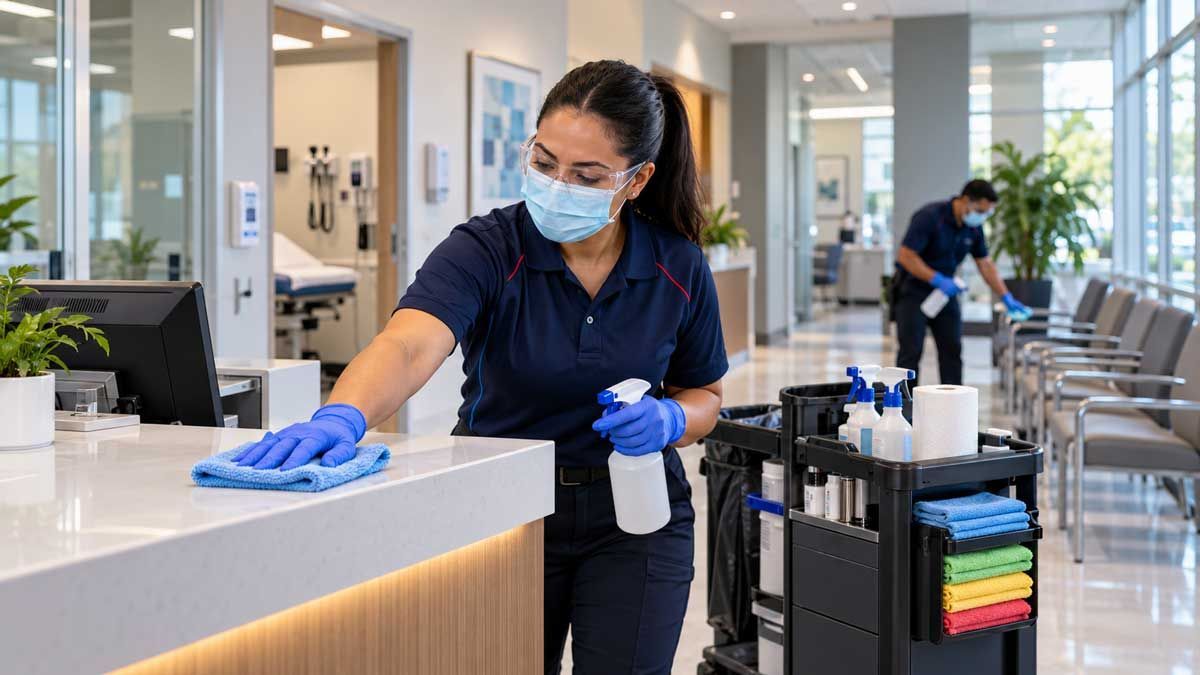
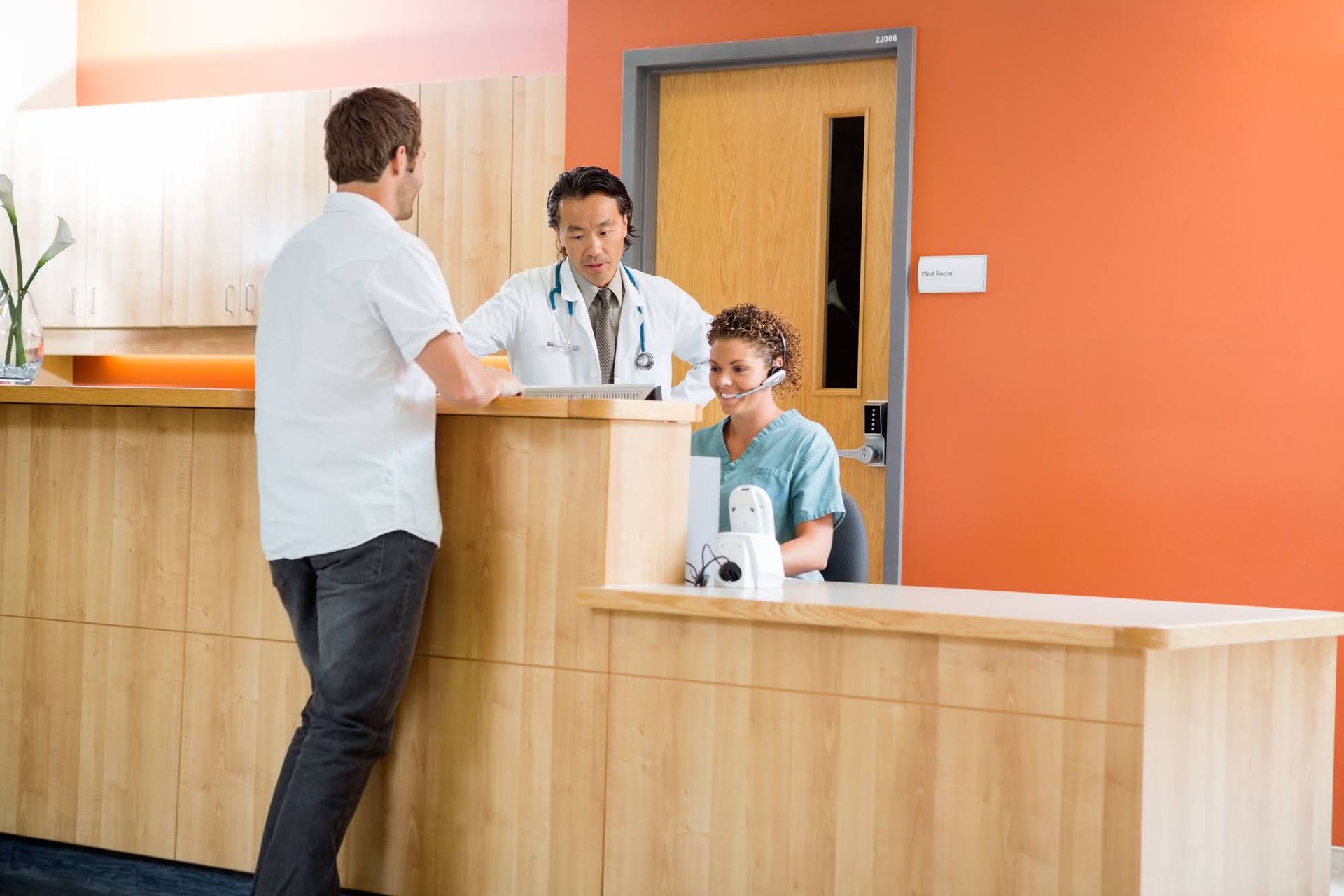
Patients and visitors may touch various items in the waiting area, such as chairs, doorknobs, and shared pens, which can easily become contaminated. In addition, patients with contagious illnesses may spend a long time sitting in the waiting hall, further increasing the risk of contamination.
The waiting hall may also contain high levels of antibiotic-resistant bacteria, and sharing items like magazines or books can facilitate the spread of germs. In addition, viruses such as the flu and COVID-19 can also be transmitted in the waiting area.
3. Floors
Hospital floors are frequently contaminated, not only from external sources but also from healthcare-associated germs.
For example, workers and patients may indirectly transfer microorganisms from the floor to other objects, such as by picking up an item that has fallen on the floor. In addition, the constant movement of people from one room to another can also contribute to spreading bacteria on the floor.
However, the good news is that cleaning staff regularly clean floors, so hospital floors are less likely to transfer pathogens. In addition, patients' hands do not typically come into contact with hospital floors.
4. Curtains
Curtains, particularly those around patient beds and in emergency departments, may become contaminated with droplets from coughs and sneezes. Privacy curtains may also harbor multidrug-resistant organisms (MDROs).
A worker or patient can spread the pathogens to other areas if they touch a contaminated curtain. In addition, cleaning staff may forget to clean privacy curtains, which can accumulate microorganisms from multiple patients over time. Failing to clean these curtains can put the health of hospital patients at risk.
5. Phones and Computers
Doctors and other medical staff use phones and computers for various tasks, such as making phone calls and tracking patients' records. However, not everyone may remember to clean these devices, which can easily become contaminated with germs.
It is critical to clean phones, computers, and other shared devices regularly to reduce the risk of contamination. To improve hygiene, hospital staff should have personal disinfectants for their phones and computers.
6. Sinks
Sinks are frequently used for handwashing, an essential step in preventing the spread of germs. Sinks, on the other hand, can cause contamination if not cleaned and disinfected correctly.
If the drain and faucet handles are not properly sanitized, they can harbor bacteria. To reduce the risk of contamination, clean and disinfect sinks regularly, paying special attention to the drain and faucets.
Hospitals have a high contamination risk due to the presence of disease-causing microorganisms. Understanding the hotspots for germs in hospitals makes it possible to reduce the risk of contamination and protect patients and staff.
An excellent way to keep your hospital environment safe is to seek the services of professional cleaners and sanitizers. At Cleanstar National Inc, we have a wide range of professional cleaning experience that covers hospital cleaning and disinfection. Contact us today for professional cleanup services for your medical facility.
Cleanstar National: Expert B2B Cleaning Solutions for Atlanta's Critical Industries